
![Scientific name: Dermochelys coriacea Common name Spanish: Tinglar Photo by Claudia Lombard, USFWS Location, Sandy Point National Wildlife Refuge, US Virgin Islands More information: [1]](/_next/image?url=https%3A%2F%2Fscccpsqeuaphhrqmepmb.supabase.co%2Fstorage%2Fv1%2Fobject%2Fpublic%2Fimages-public%2Fclean%2Fcontent%2Fce079739-416f-4696-b477-a5113ebfaec1%2Fmaster.jpg&w=3840&q=75)
artetempus.wixsite.com · Community
Dos Cocos entry describing a calm coral reef, great visibility, practically no currents, large coral bastions, and a boat-accessed shallow reef band.
Arrecife tranquilo de Bayahibe dentro de Parque Nacional del Este
A local Bayahibe dive operator or boat guide is needed because the site is reached by boat inside the park.
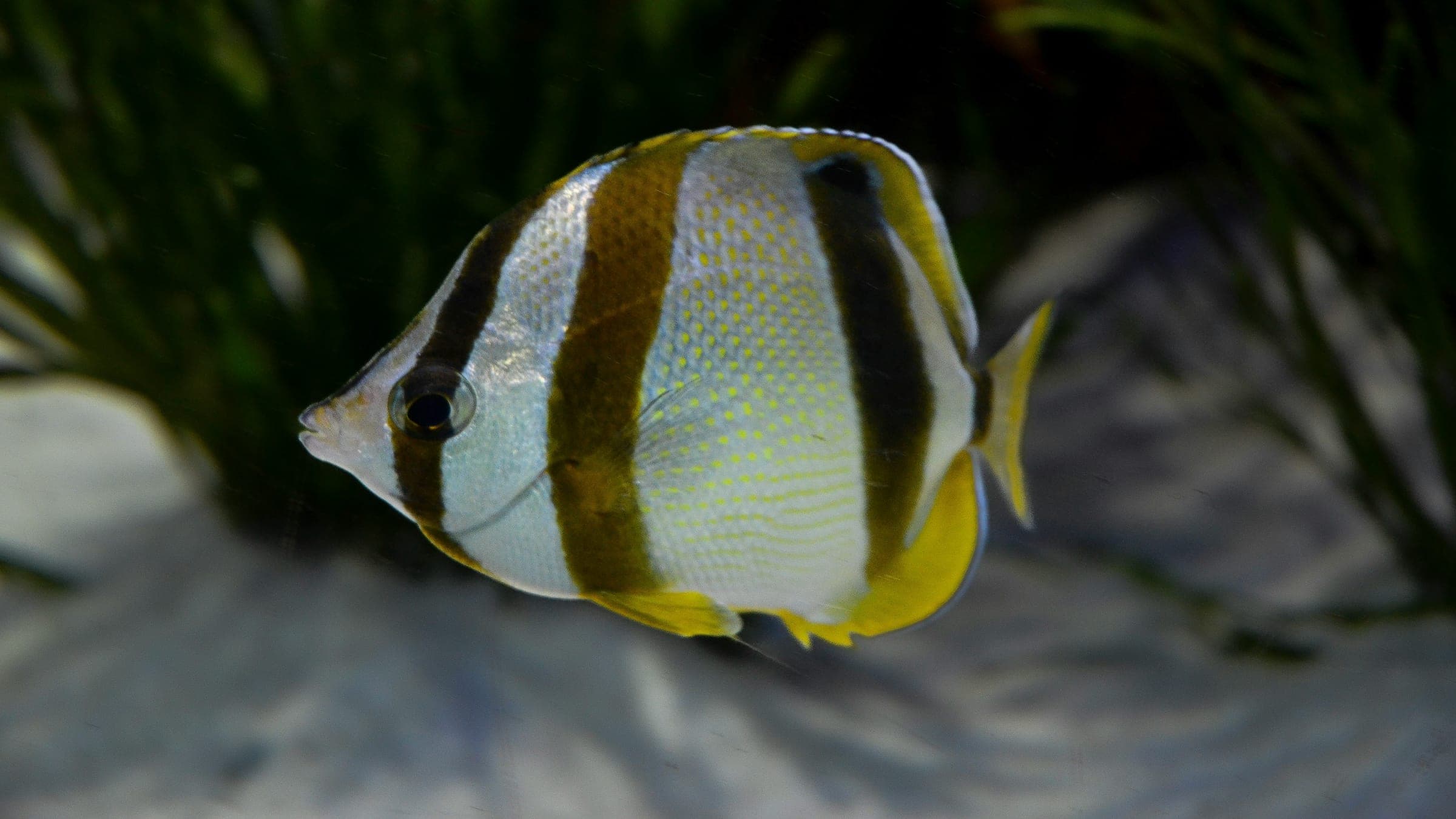
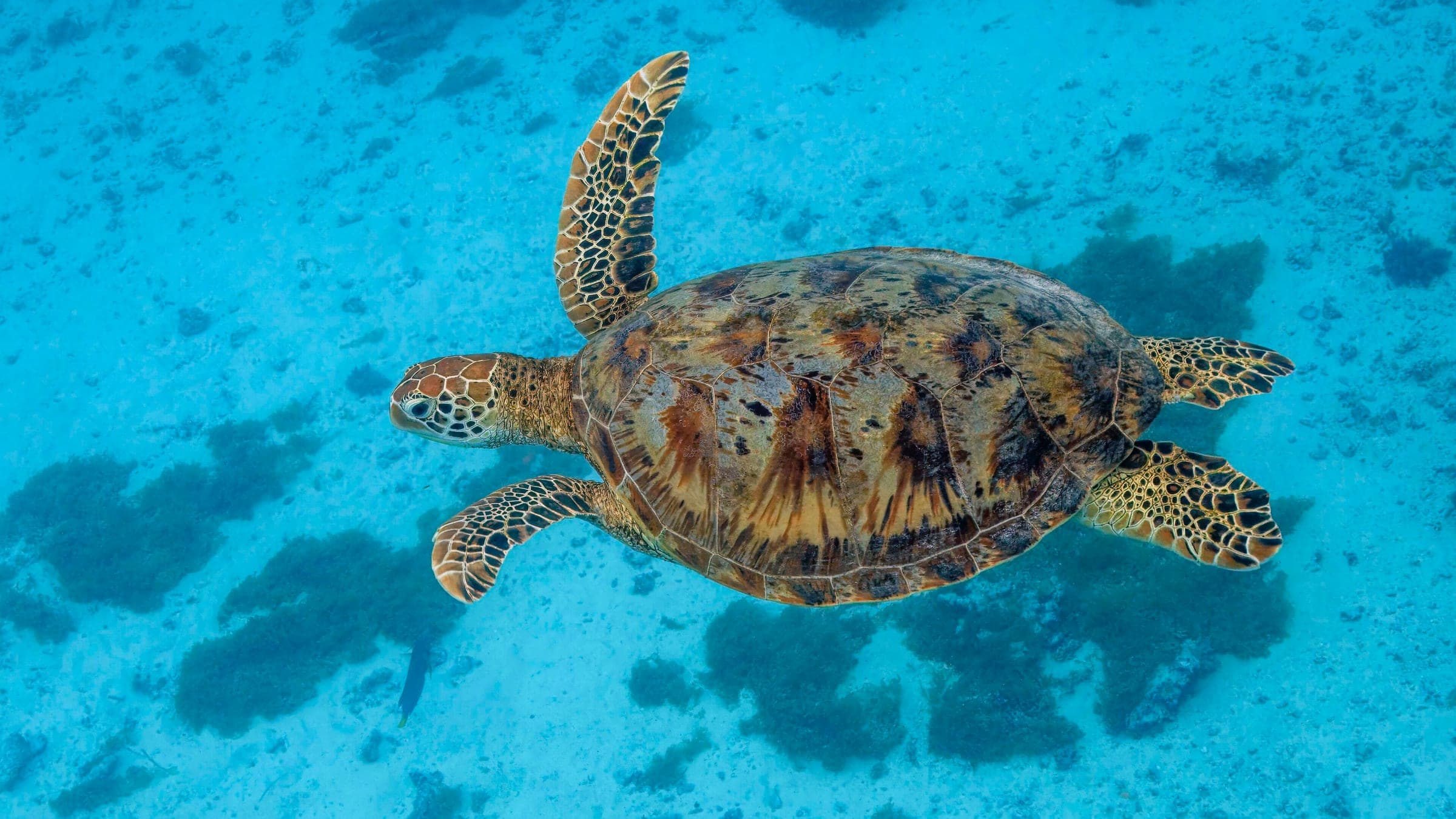
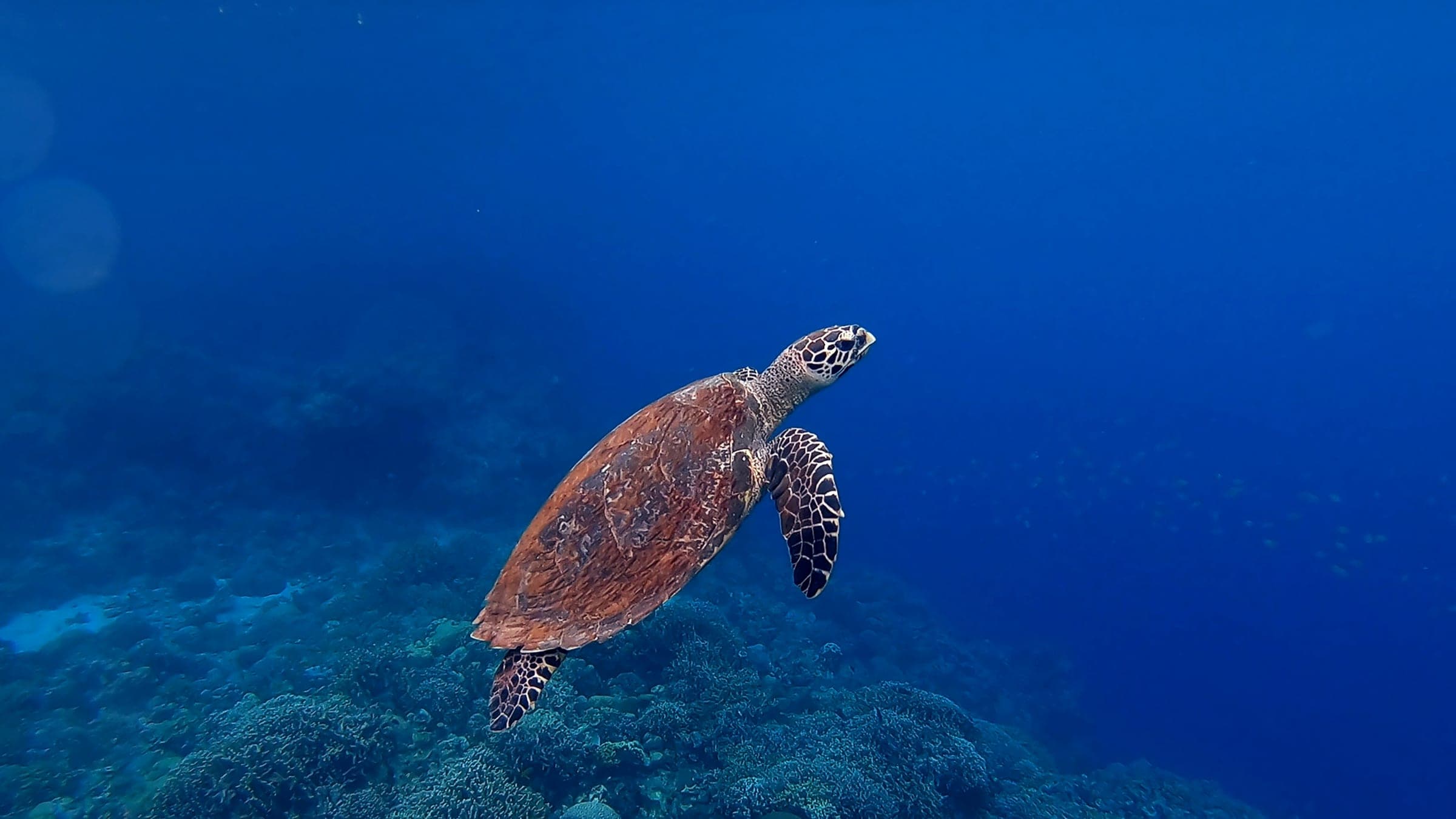
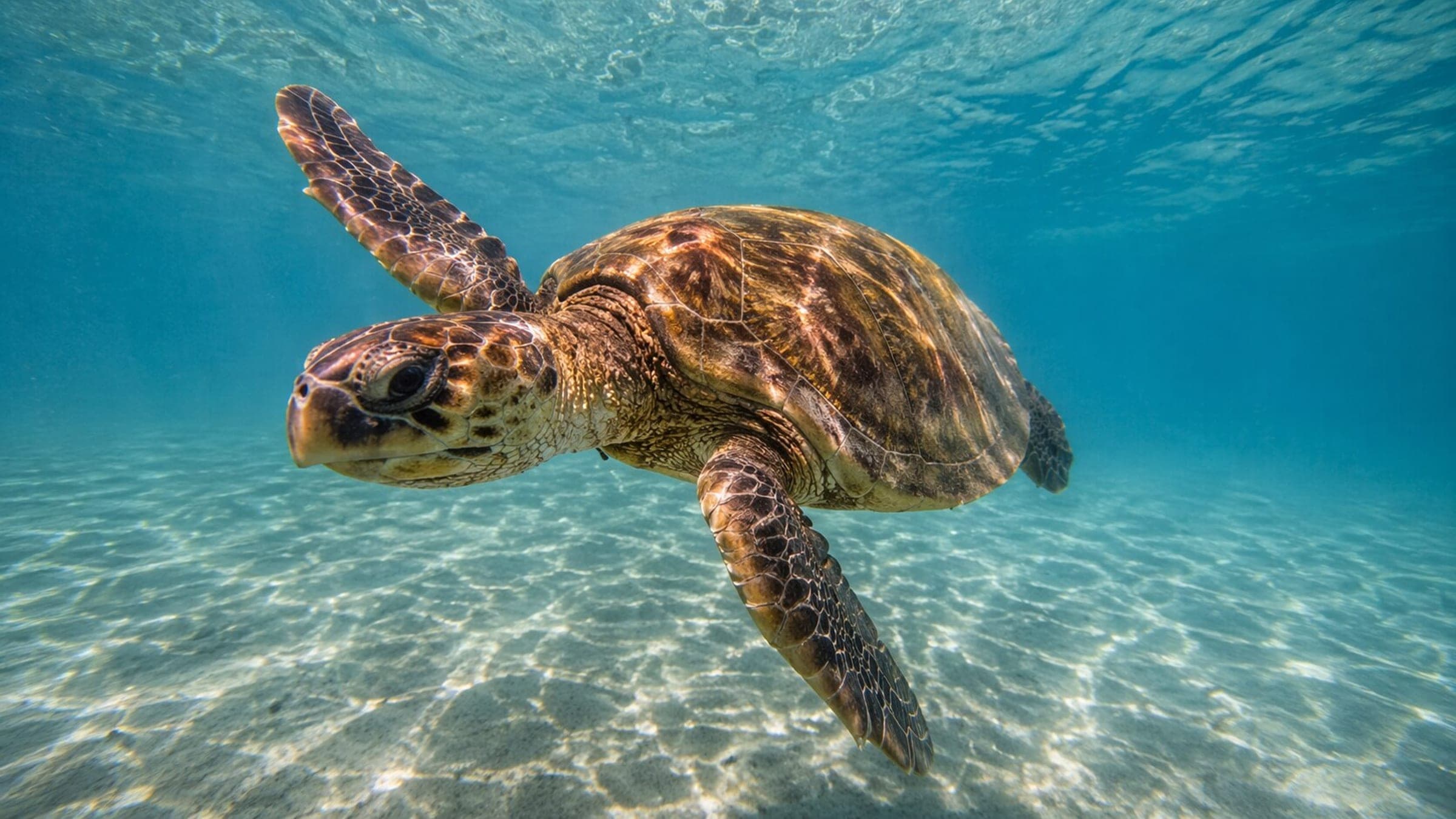
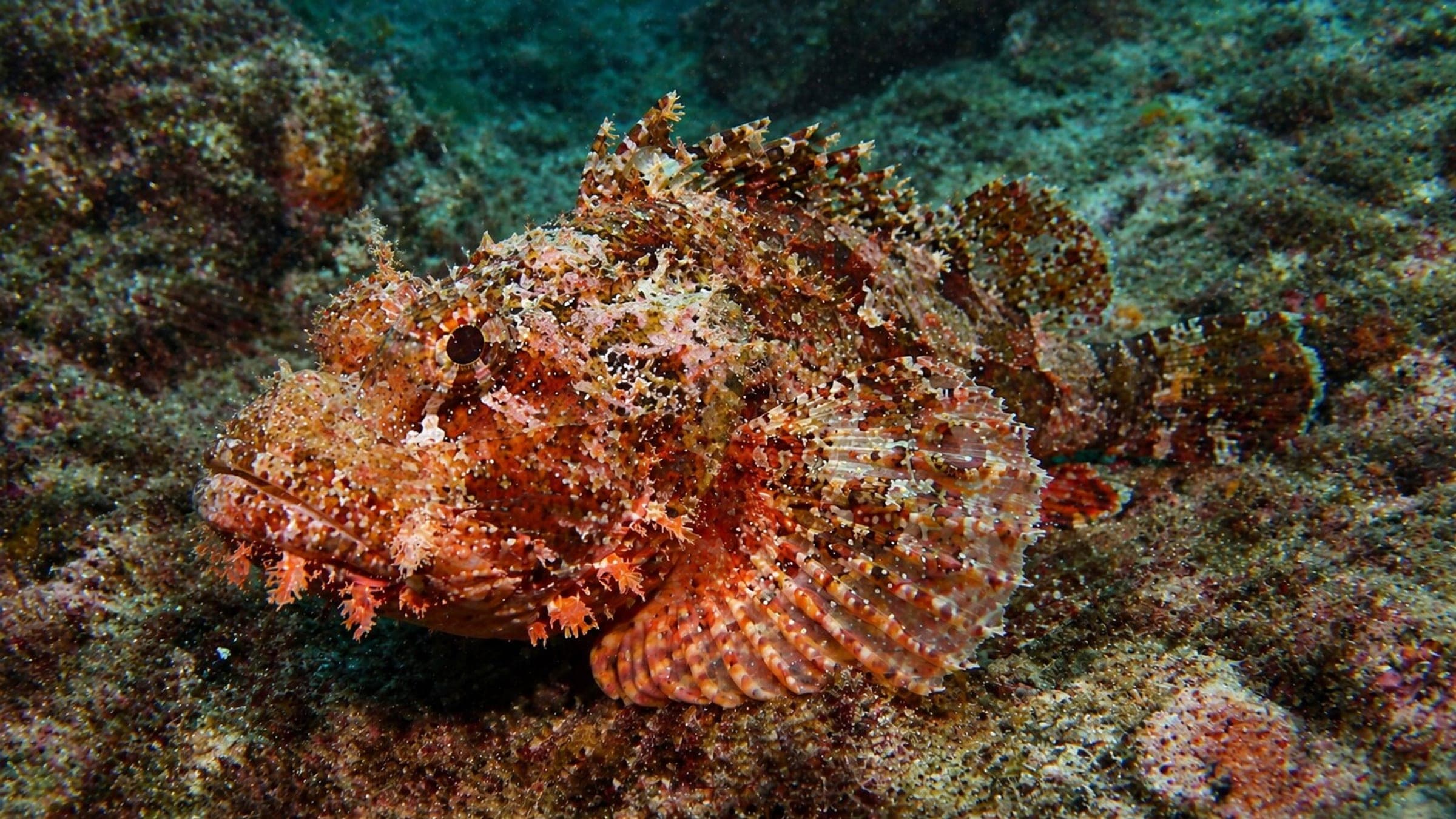
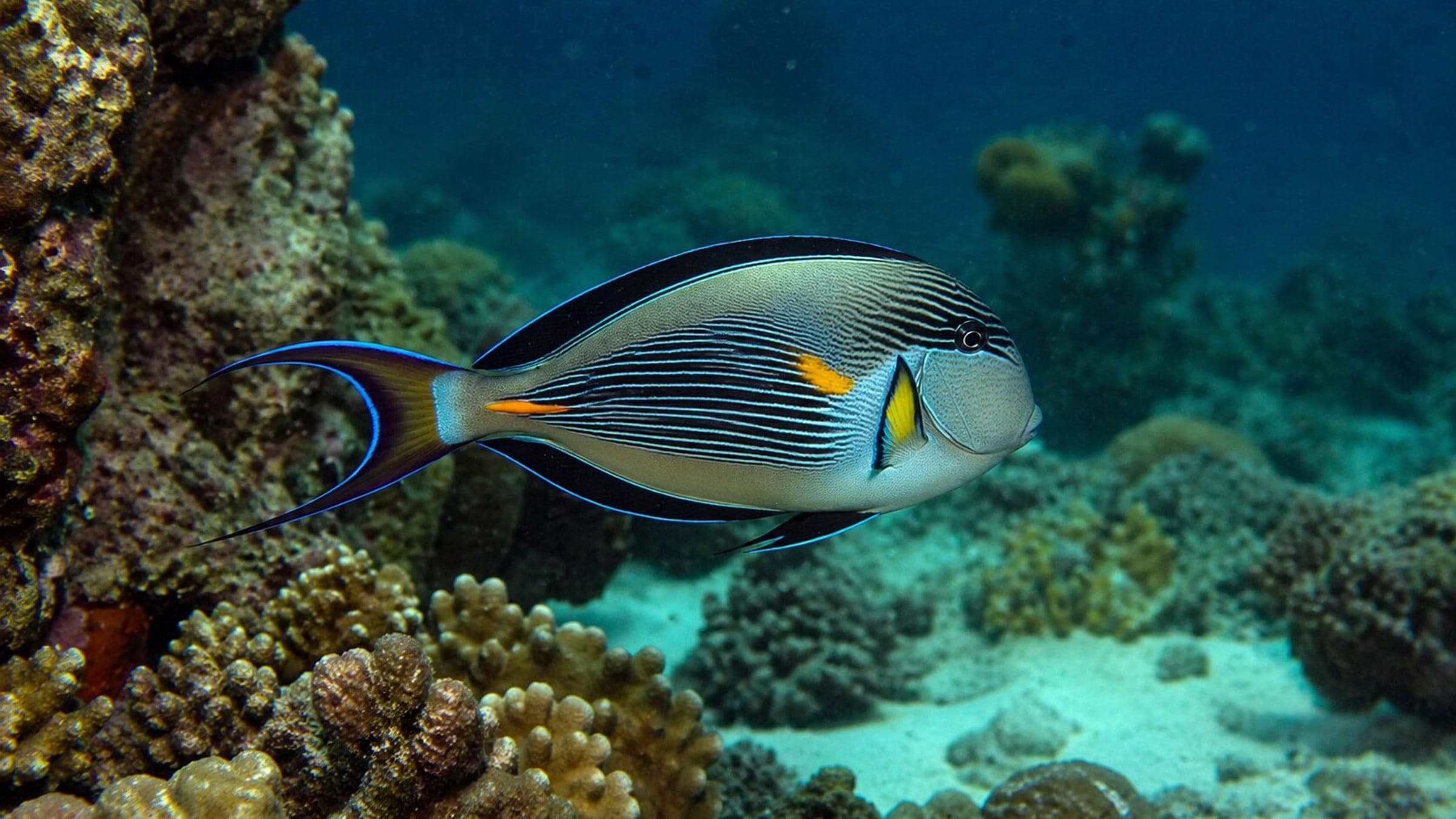
Dos Cocos es un arrecife con acceso en barco dentro de Parque Nacional del Este, con aguas tranquilas, una estructura coralina luminosa y buceo fácil todo el año desde Bayahibe. Su perfil de poca a media profundidad lo convierte en un buceo relajado y apto para fotos, con avistamientos frecuentes de peces de arrecife, peces escorpión, agujas y tortugas marinas.
Línea base conservadora a partir de investigación pública. Aún no hay buceos de la comunidad registrados.
Rango de profundidad, temporada y contexto para planificar.
Profundidad reportada
11m - 25m
Nota de profundidad
Public site descriptions place the reef around 11-15.5 m, while Bayahibe operator calendars list 18-25 mts, so the conservative working band spans the mid-teens to low-20s.
Mejor temporada
Year-round
Condiciones habituales
Calm water, light current, and an easy reef profile on ordinary days.
Hazards, restrictions, and access requirements.
Safety Notes
Keep buoyancy controlled over the shallow coral and follow the boat and park briefings.
Access Restrictions
Boat access only inside Parque Nacional del Este.
Legal Notes
Park-area rules apply inside Parque Nacional del Este; plan the dive through a local Bayahibe operator.
Community notes to help plan your visit.
Scuba
Best as an easy boat dive with a shallow-to-mid-depth reef profile and relaxed reef exploration.
Freedive
Not a freedive-first site, though the shallow edge can suit very calm, experienced freedivers.
Snorkel
Snorkeling is limited to the shallow edge; the main reef life sits a little deeper.
Use the planner to scan this week, inspect today in local time, and understand how exposure shapes conditions at Dos Cocos.
Directional shelter context for incoming swell.
Species commonly reported at this site, with direct links into their wildlife guides.
Registros de buceo y visitas de la comunidad para este sitio.
Be the first to log a dive at this spot and share your experience!
Condiciones promedio basadas en buceos y visitas registrados.
Planning answers for access, conditions, timing, and site logistics.
Last Updated
Research Sources
Dos Cocos entry describing a calm coral reef, great visibility, practically no currents, large coral bastions, and a boat-accessed shallow reef band.
Bayahibe reef-diving page naming Dos Cocos among local sites and describing easy 365-day diving with little to no current and extensive coral formations.
Bayahibe guide describing visibility regularly reaching 20-30 m, little to no current on protected reefs, and a large network of local dive operators.
Bayahibe dive calendar that lists Dos Cocos at 18-25 mts.
Know this site? Improve Spot Details.

Bayahibe wreck with sharks and big fish
Shallow Bayahibe wreck with easy access and reef life.
Intermediate Bayahibe reef with rich fish life
Bayahibe drift reef with coral nurseries.
Shallow Bayahibe wreck with easy access and rich reef life.