AIG Dive Club | Fuvahmulah, Maldives actualizó Spot verified.
Mar 24, 2026Guía del punto de buceo•
Thoondu
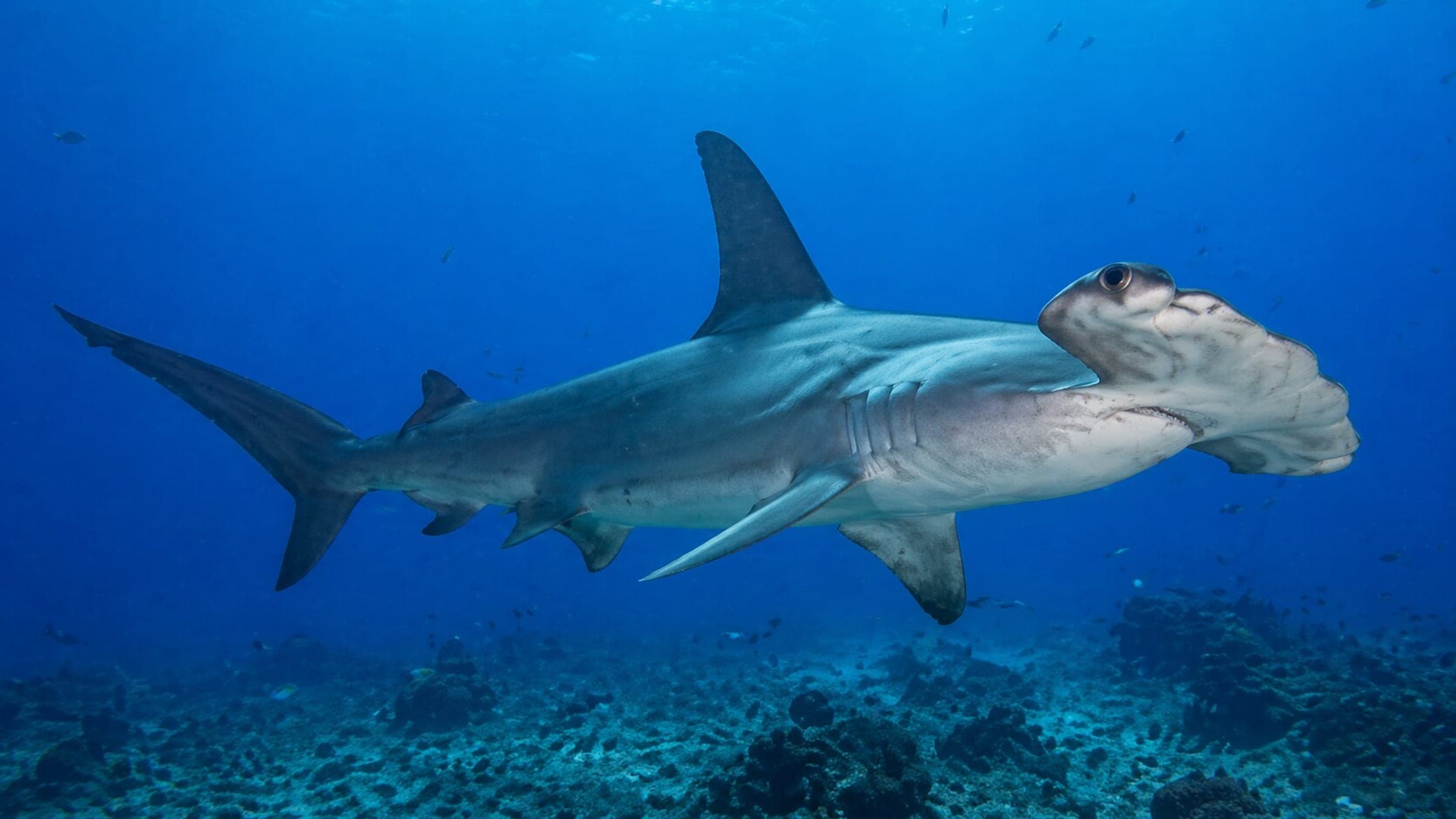
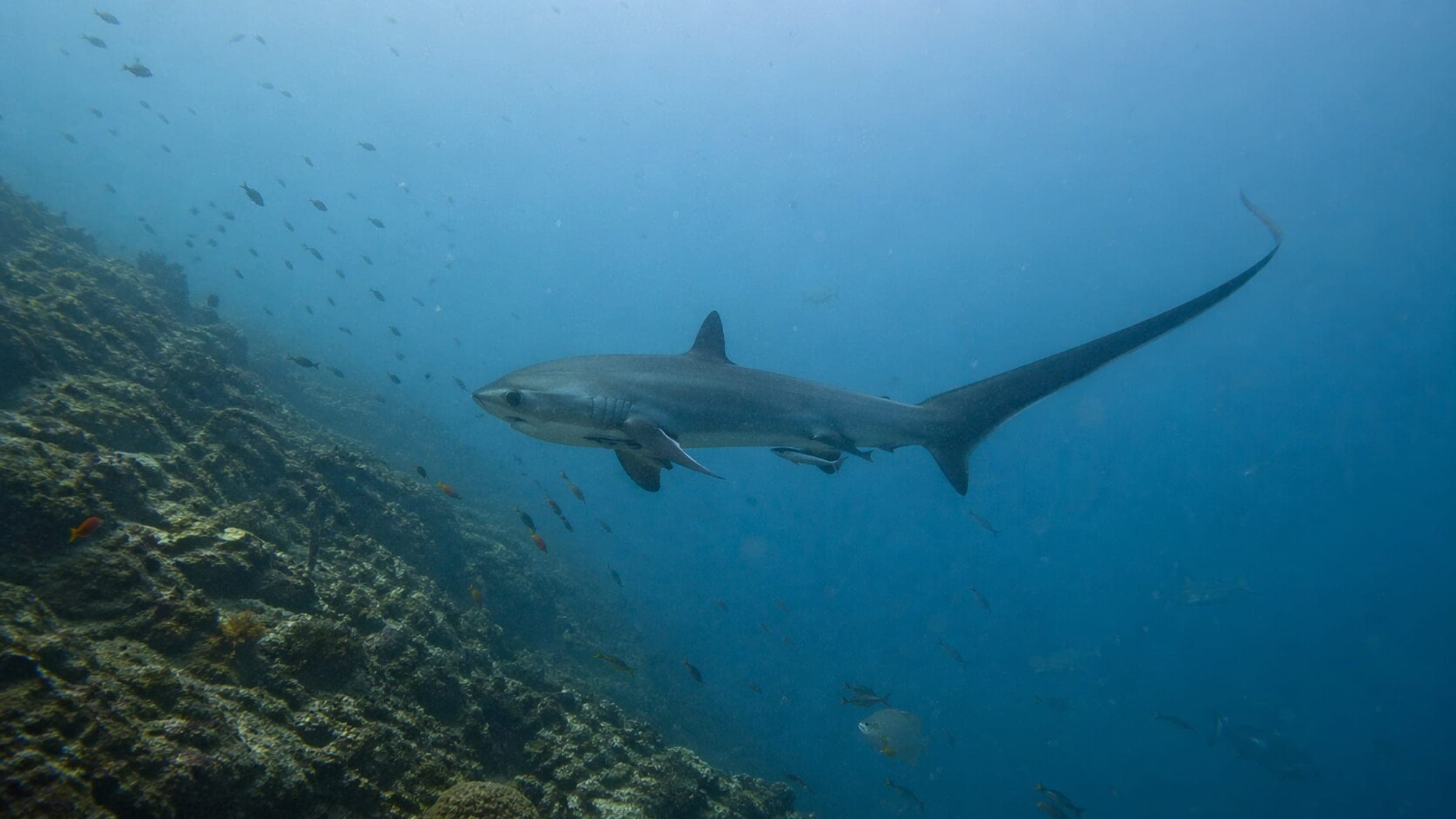
Arrecife y pared del punto norte con pases de tiburón zorro en aguas azules.
Spot Verified
Operador local requerido
Thoondu es una inmersión en bote sensible a la corriente en el extremo noreste de Fuvahmulah. Los operadores locales deciden si la realizan según el estado del mar e informan a los buzos sobre el manejo de corriente y la etiqueta en la estación de limpieza.
Sitio de buceo de acceso solo en barco, elegido según las condiciones; se espera corriente, aguas azules y un borde del arrecife que cae rápidamente hacia el océano abierto.
Acerca de Thoondu
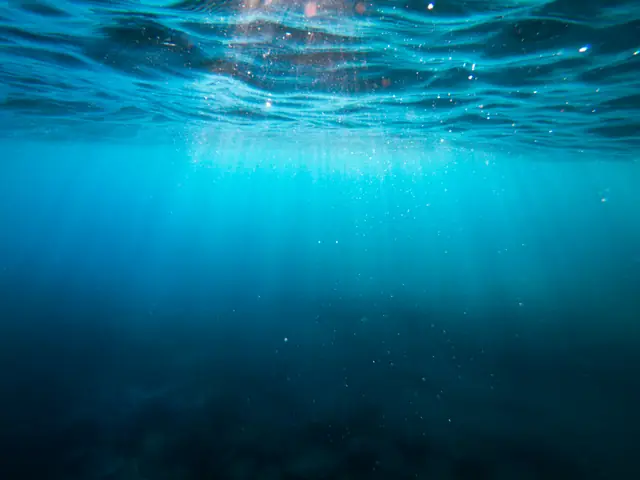
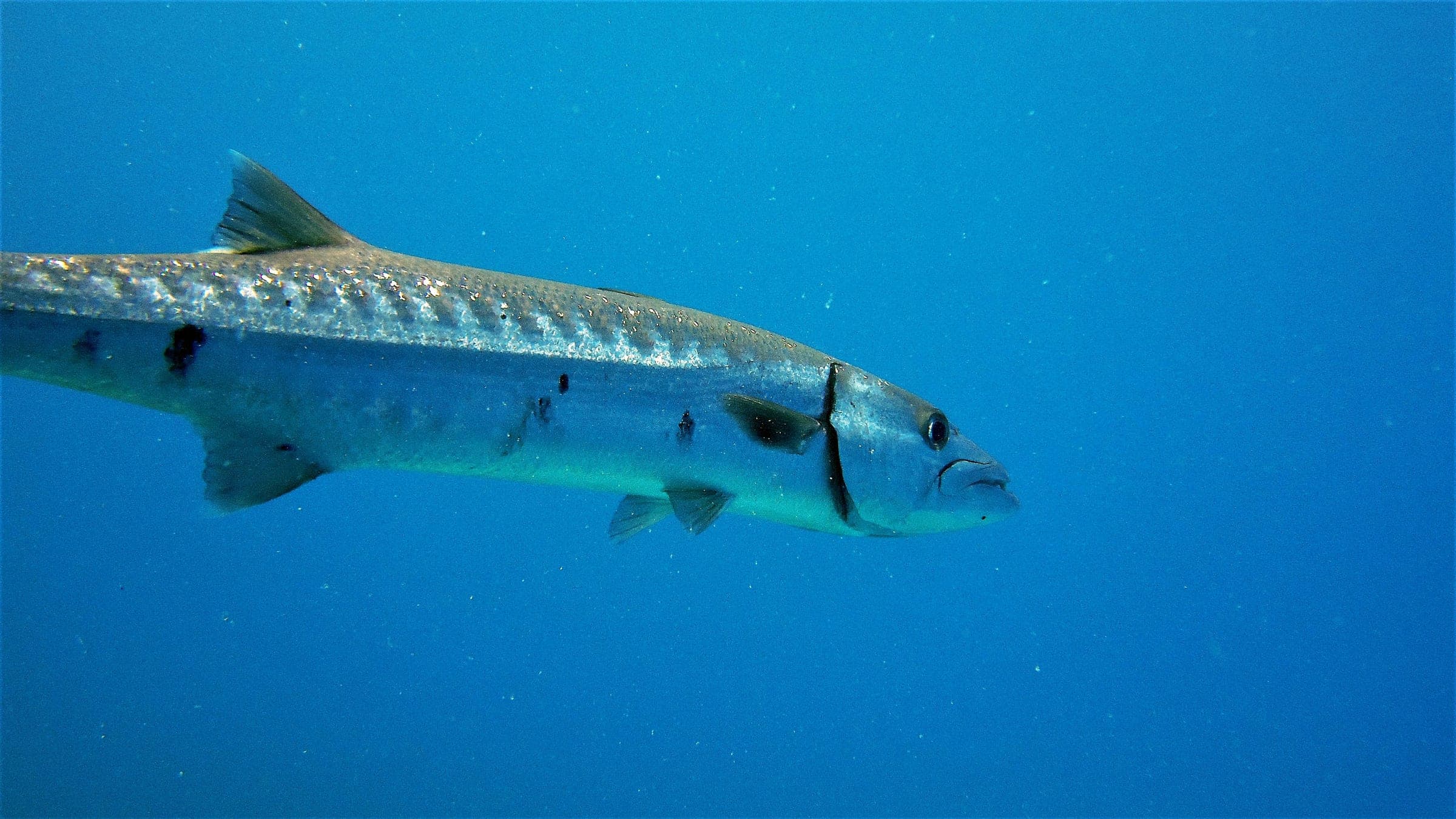
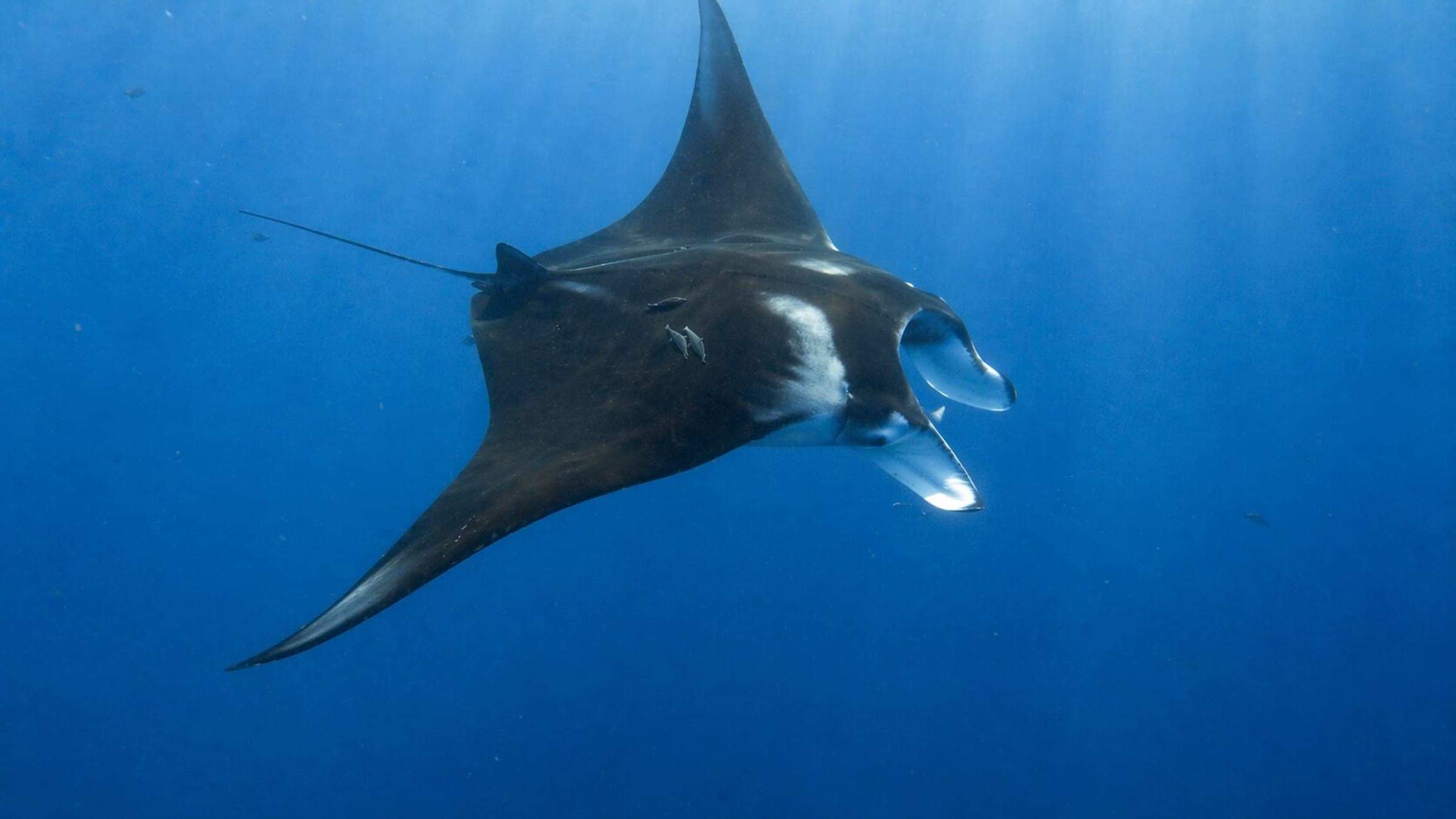
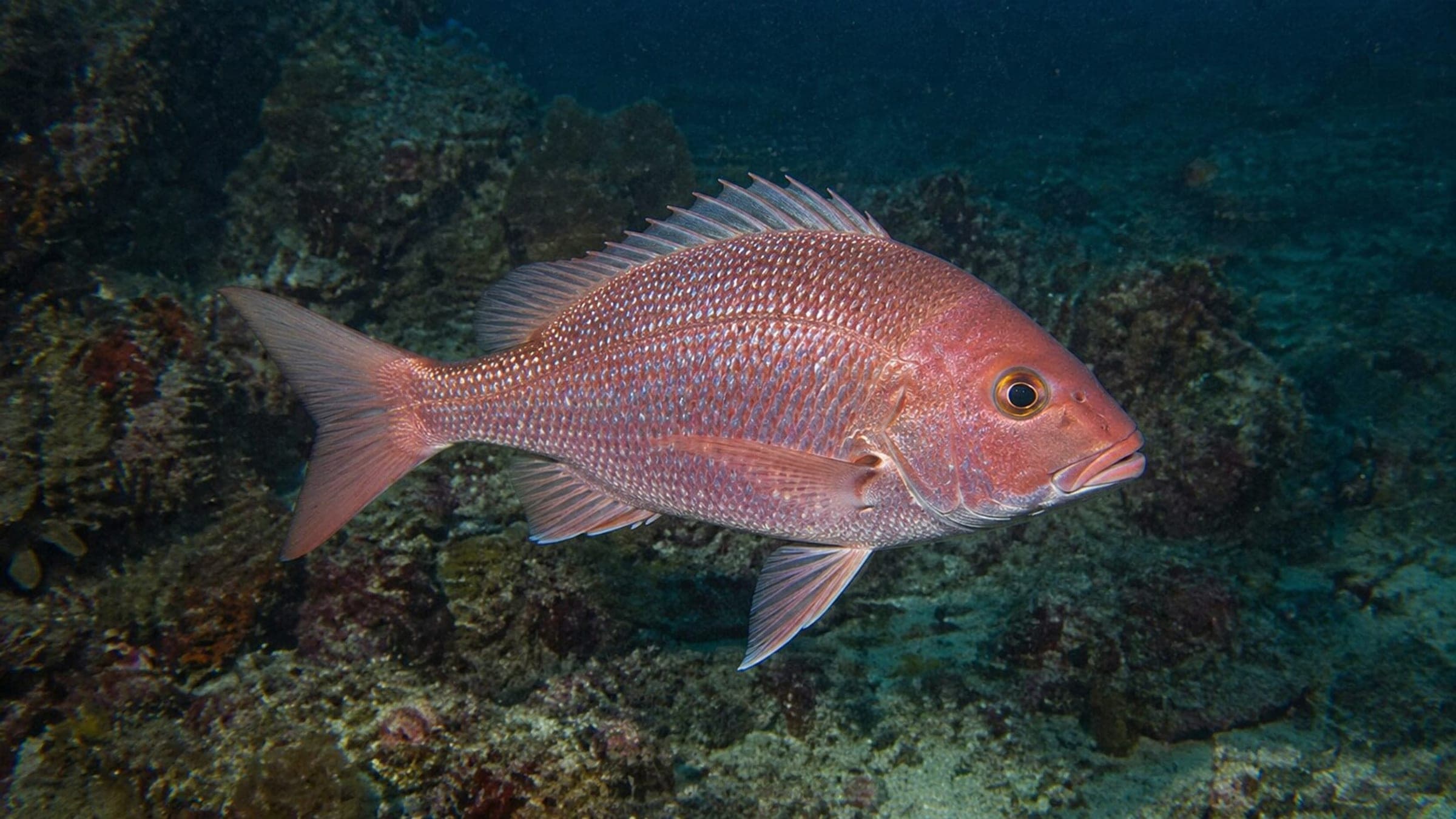
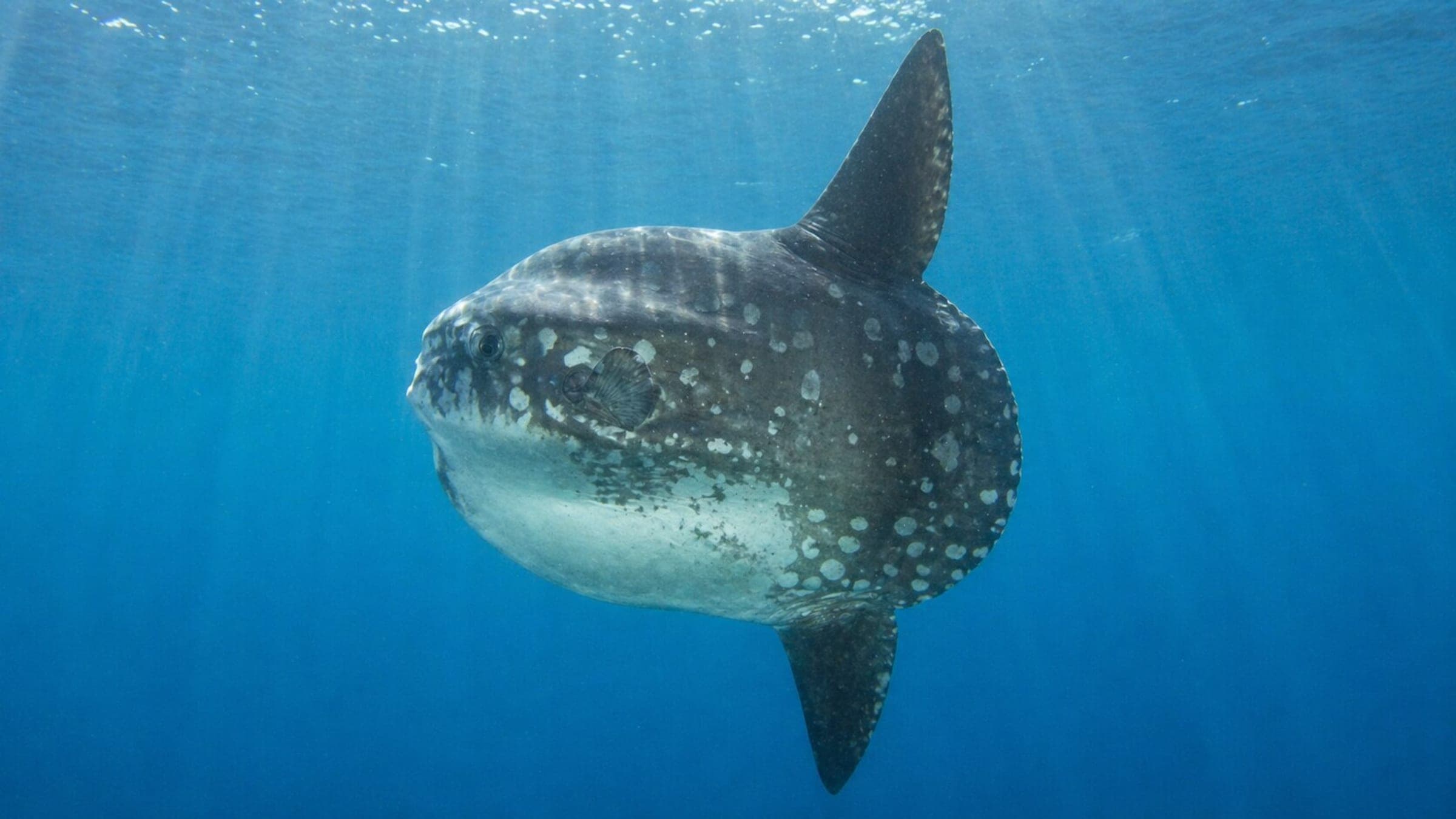
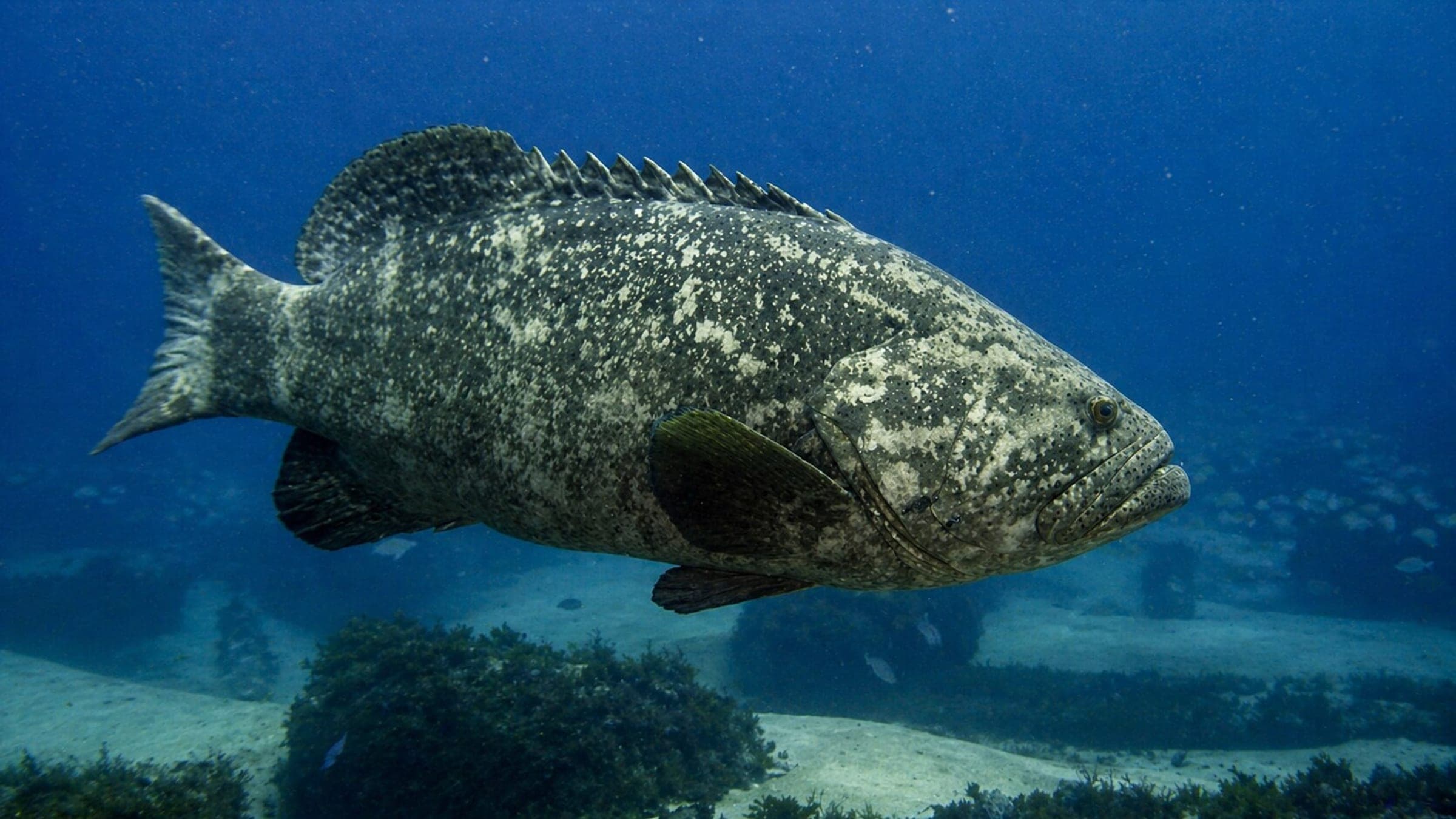
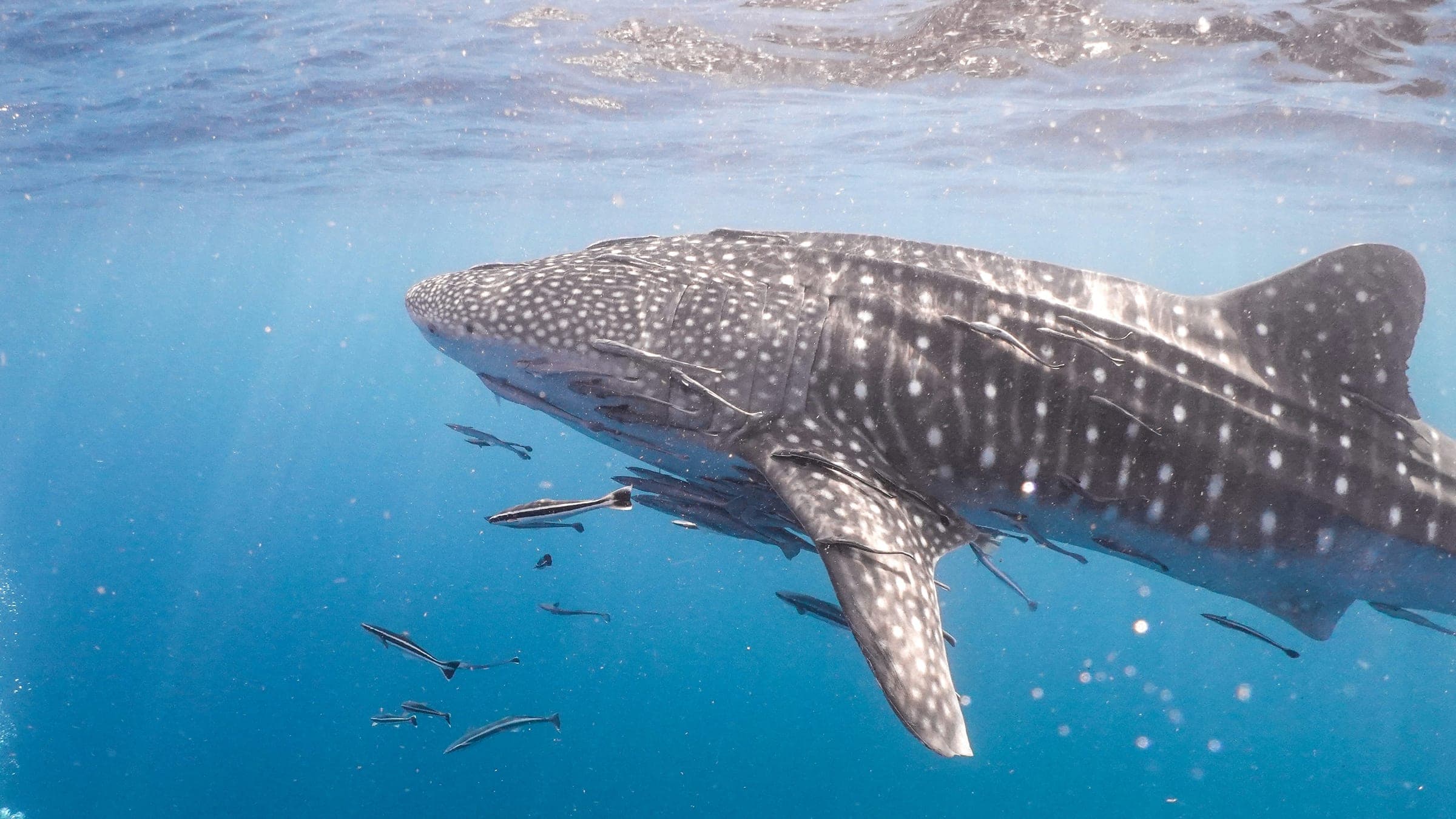
Thoondu es un sitio de buceo en barco en el punto norte y una inmersión de pared frente a Fuvahmulah, que comienza sobre un arrecife periférico antes de abrirse hacia aguas azules. El sitio es conocido sobre todo por los pases de tiburón zorro en estaciones de limpieza, con barracudas, jureles gigantes, meros y pargos alrededor del arrecife, y oportunidades estacionales de ver mantas oceánicas, tiburones ballena, tiburones martillo y mola mola. Suele ser más sensible a la corriente que los arrecifes más fáciles de la isla y por lo general se planifica como una inmersión guiada en barco cuando el estado del mar lo permite.
Detalles del punto verificados
Estimación de investigación en Thoondu
Línea base conservadora a partir de investigación pública. Aún no hay buceos de la comunidad registrados.
VisibilidadVisibilidad: 30m
AccesoEsfuerzo moderado de entrada
CoralCoral saludable
Vida acuáticaVariedad excepcional
InstalacionesInstalaciones útiles
CorrienteCorriente fuerte
Dónde está Thoondu?
Coordenadas aportadas por la comunidad.
Operadores Destacados
Cargando operadores locales…
Detalles de planificación de Thoondu
Rango de profundidad, temporada y contexto para planificar.
Profundidad reportada
5m - 30m
Nota de profundidad
La parte superior del arrecife comienza alrededor de 5-7 m, una banda de trabajo común se sitúa entre 18-30 m, y la pared sigue descendiendo hacia aguas azules más allá del perfil recreativo habitual. El plan principal para la estación de limpieza de tiburón zorro generalmente se realiza dentro del límite recreativo de 30 m de Maldivas.
Mejor temporada
Se bucea todo el año, con las condiciones más claras y calmadas generalmente en la temporada seca de diciembre a abril. De marzo a mayo suele ser especialmente bueno para la actividad de manta oceánica, mientras que de junio a septiembre puede haber más viento, mar más agitado y visibilidad más suave.
Condiciones habituales
Un arrecife y pared expuestos en el punto norte que empiezan someros y se abren hacia aguas azules. Espera agua cálida, pasajes de pelágicos en aguas azules y corriente de moderada a fuerte, que puede volverse derivante y con remolinos.
Seguridad y acceso en Thoondu
Condiciones del sitio, restricciones y requisitos de acceso.
Condiciones del sitio
Fauna peligrosaCorriente fuerteOlas
Notas de seguridad
Trata Thoondu como una inmersión guiada en aguas azules para pelágicos: mantente atento al briefing, conserva buena flotabilidad sobre el borde del arrecife, controla la separación desde temprano y dale mucho espacio a la vida que visita la estación de limpieza.
Restricciones de acceso
Solo acceso en bote. Los operadores realizan Thoondu cuando el clima y el estado del mar lo permiten y esperan que los buzos se sientan cómodos con aguas azules y manejo de corriente.
Notas legales
Thoondu se encuentra dentro de la Reserva de Biosfera de Fuvahmulah, y el área de Thundi en el punto norte de la isla es una zona costero-marina protegida. Sigue las normas locales de conservación y las indicaciones del guía.
Información local de Thoondu
Notas de la comunidad para ayudarte a planificar la visita.
Buceo con botella
Una inmersión de pared con un saliente y una estación de limpieza que puede atraer especies pelágicas.
Apnea
No es un sitio de apnea casual habitual. El atractivo es un perfil de arrecife exterior sensible a la corriente con acción pelágica alrededor de un terreno de estación de limpieza más profundo, así que solo tiene sentido con bote, cobertura de seguridad dedicada y sólida experiencia en aguas azules.
Snorkel
No es una buena entrada casual para snorkel. La acción principal de Thoondu ocurre fuera del arrecife exterior, y el punto norte expuesto puede tener oleaje y corriente fuertes incluso cuando desde la orilla parece manejable.
Vida marina en Thoondu
Especies reportadas habitualmente en este sitio, con enlaces directos a sus guías.
Visitas registradas recientes en Thoondu
Registros de buceo y visitas de la comunidad para este sitio.
Promedios de registros en Thoondu
Condiciones promedio basadas en buceos y visitas registrados.
Condiciones
Visibilidad media30m
Actividad
Aún no hay actividad de buceo registrada.