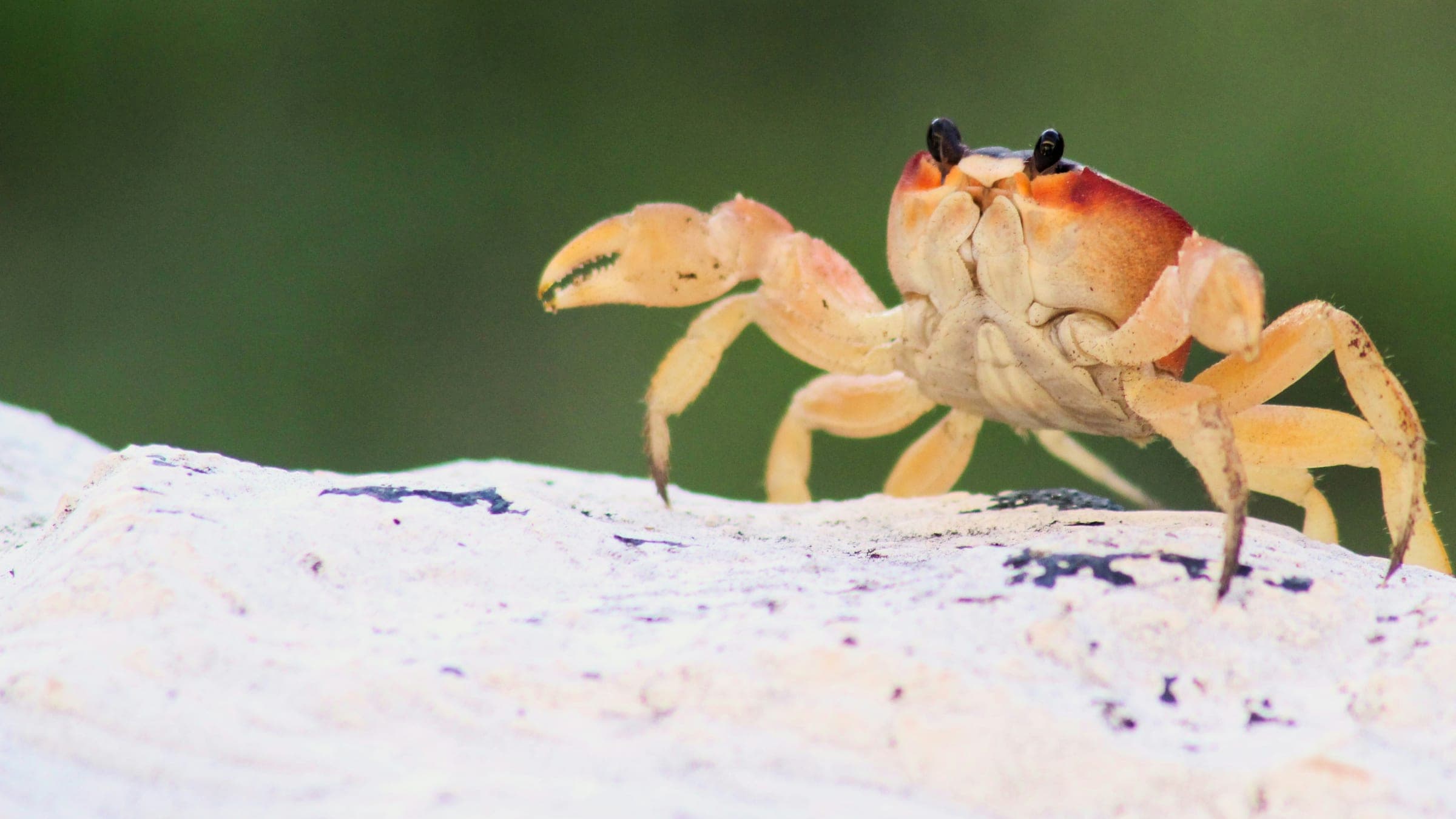
Forma del cuerpo
Cuerpo alargado con una cola (abdomen) larga, estrecha y muscular.
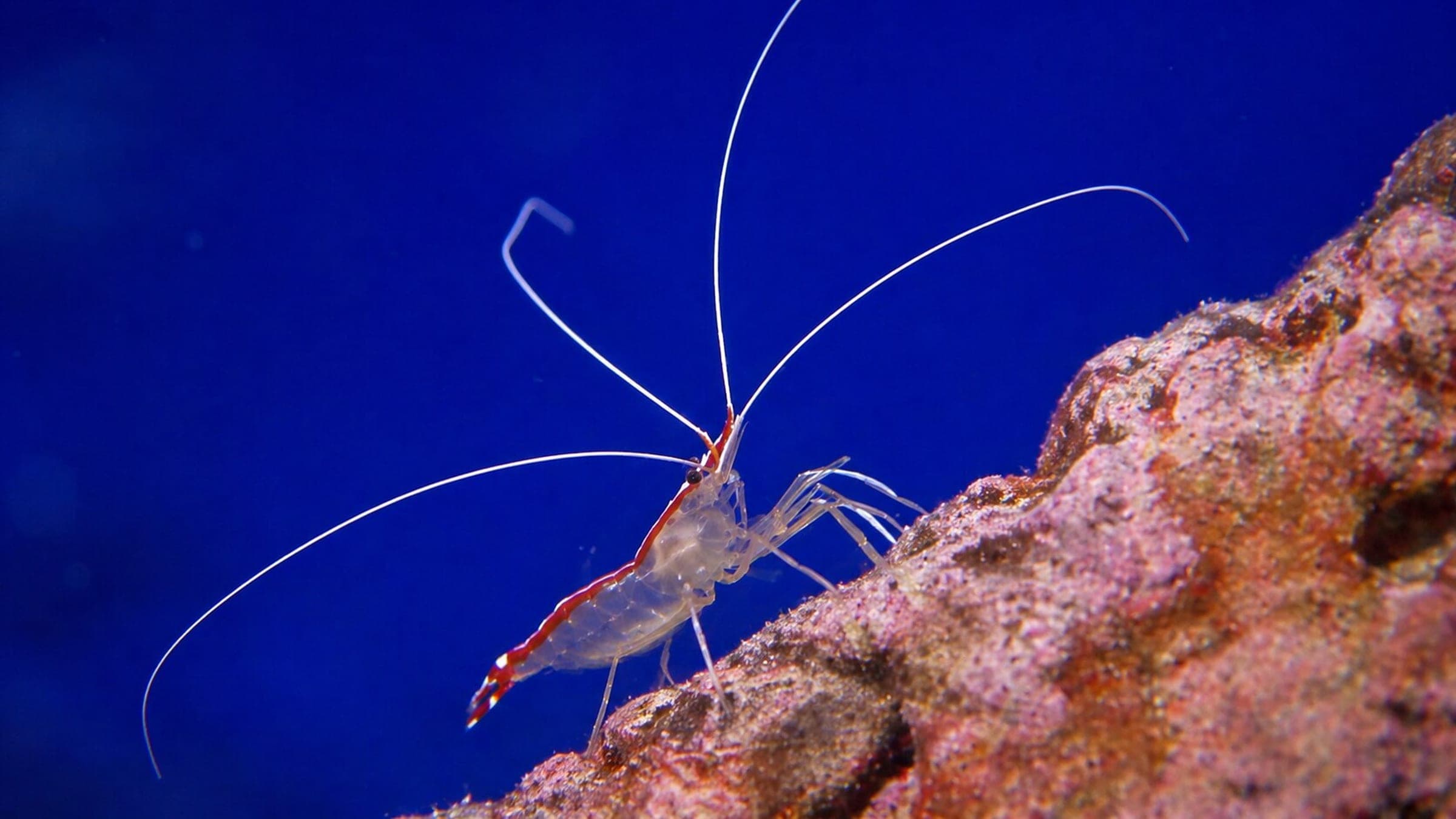
Los camarones son crustáceos de cuerpo alargado, que nadan principalmente y habitan ambientes marinos y de agua dulce; cumplen funciones importantes en las redes tróficas y se pescan y cultivan ampliamente.
Actualizado el Mar 9, 2026 · 2 fuentes
Guía de especie
Una guía de campo clara centrada en hábitat, identificación, comportamiento y conservación sin enterrar lo útil.
Los camarones son un nombre común para una variedad de crustáceos —por lo general decápodos de Caridea o Dendrobranchiata— caracterizados por un cuerpo alargado, largas antenas y una cola (abdomen) larga, estrecha y muscular. Muchas definiciones se superponen con el término langostino. Los camarones nadan hacia adelante remando con los pleópodos bajo el abdomen; su respuesta de escape suele incluir repetidos latigazos de cola que los impulsan rápidamente hacia atrás. Tienen patas delgadas y birrámeas, además de patas caminadoras relativamente finas y frágiles que usan principalmente para sujetarse. Los camarones se encuentran tanto en hábitats de agua dulce como marinos, y habitan costas, estuarios, ríos, lagos y zonas asociadas al fondo marino. Se alimentan cerca del fondo, son una fuente importante de alimento para animales más grandes, desde peces hasta ballenas, y por lo general viven entre uno y siete años. A menudo son solitarios, pero pueden formar grandes cardúmenes durante el desove. Muchas especies se capturan y cultivan comercialmente para consumo humano.
La sobrepesca comercial y la captura incidental, además de la contaminación y los impactos sobre el hábitat asociados al cultivo de camarón, son preocupaciones importantes para los camarones y sus entornos.
Por lo general nadan hacia adelante remando con los pleópodos; su respuesta de escape consiste en repetidos latigazos de cola que los impulsan hacia atrás. Algunas especies saltan desde el fondo marino y se entierran en el sedimento para evadir a los depredadores. Muchas son solitarias, pero pueden formar cardúmenes durante el desove.
Las opciones de planificación vinculadas más fuertes aparecen ahora en destinos como Coral Coast, Viti Levu, Carriacou (Tyrrel Bay), Rakiraki and Vatu-i-Ra /es Bligh Water y países como Japón, España, Grecia para buceadores que planifican viajes alrededor de camaroneses.
Identificación
Los rasgos visuales que los buceadores pueden usar bajo el agua y las especies con las que más se confunde.
Cuerpo alargado con una cola (abdomen) larga, estrecha y muscular.
Largas antenas parecidas a bigotes y patas delgadas y birrámeas, con patas caminadoras finas y frágiles usadas principalmente para sujetarse.
Nadan remando con los pleópodos bajo el abdomen; escapan con repetidos latigazos de cola que los impulsan hacia atrás.
En un uso amplio, los langostinos y los camarones pueden considerarse sinónimos, y ambos se refieren a crustáceos nadadores con ojos pedunculados, cola larga y antenas largas.
Distribución y movimiento
La distribución amplia, el movimiento estacional o la migración que determinan dónde encuentran los buceadores esta especie.
Por lo general nadan hacia adelante remando con los pleópodos; su respuesta de escape consiste en repetidos latigazos de cola que los impulsan hacia atrás. Algunas especies saltan desde el fondo marino y se entierran en el sedimento para evadir a los depredadores. Muchas son solitarias, pero pueden formar cardúmenes durante el desove.
Dieta
Contexto alimentario útil que a menudo explica hábitat, movimiento y estilo de encuentro.
Se alimentan cerca del fondo marino; son una fuente importante de alimento para animales más grandes, desde peces hasta ballenas.
Conservación
Estado, presiones y protección con base en fuentes citadas, no en relleno.
La sobrepesca comercial y la captura incidental, además de la contaminación y los impactos sobre el hábitat asociados al cultivo de camarón, son preocupaciones importantes para los camarones y sus entornos.
La captura excesiva de camarones silvestres y la captura incidental asociada a las pesquerías son una preocupación importante.
El cultivo de camarón puede provocar contaminación y degradación del hábitat en los cuerpos de agua usados para la producción.
Encuentros responsables
Guía de conservación para buceadores que quieren el encuentro sin añadir presión.
Dales espacio a los camarones, evita bloquear la ruta del animal y sigue las reglas locales del sitio y del operador para las interacciones con crustáceos.
Notas de campo
Contexto útil de la especie que hace el encuentro más significativo bajo el agua.
Las especies de camarón de importancia comercial sostienen una industria multimillonaria; en 2010 la producción comercial total fue de casi 7 millones de toneladas.
El cultivo de camarón se expandió durante la década de 1980 y, para 2007, las cosechas de granja superaron la captura de camarón silvestre.
La mayoría de los camarones viven entre uno y siete años y a menudo son solitarios, pero pueden formar grandes cardúmenes mientras desovan.
Destinos destacados
Destinos destacados a partir de los sitios de buceo vinculados con esta especie.
Países destacados
Los puntos de partida por país más sólidos vinculados actualmente a esta especie.
Sitios de buceo destacados
Sitios de buceo vinculados directamente donde esta especie ya aparece en los datos de planificación.
One Tree Bay es una inmersión protegida en una bahía de Tioman con rocas y terreno de arrecife fácil.
Buceo en cañones con acceso en barco frente a San Pedro Town.
Conjunto de cabezas de coral con pasadizos y una inmersión nocturna destacada.
Línea de pináculos con forma de laberinto y varios pasadizos.
Inmersión de pared desde barco en Arsida Walll con muy buena visibilidad
La inmersión en barco emblemática de Atami Wreck para peces y corales blandos.
Avistamientos de buceadores
Informes aprobados de buceadores donde se etiquetaron recientemente camaroneses.
Preguntas frecuentes
Respuestas claras de planificación y conservación escritas para visibilidad en buscadores y recuperación por IA.
Fuentes de investigación
Referencias principales y fiables detrás de las afirmaciones de campo y conservación de esta página.
Especies relacionadas
Guías de especies relacionadas dentro de la misma familia de encuentro.