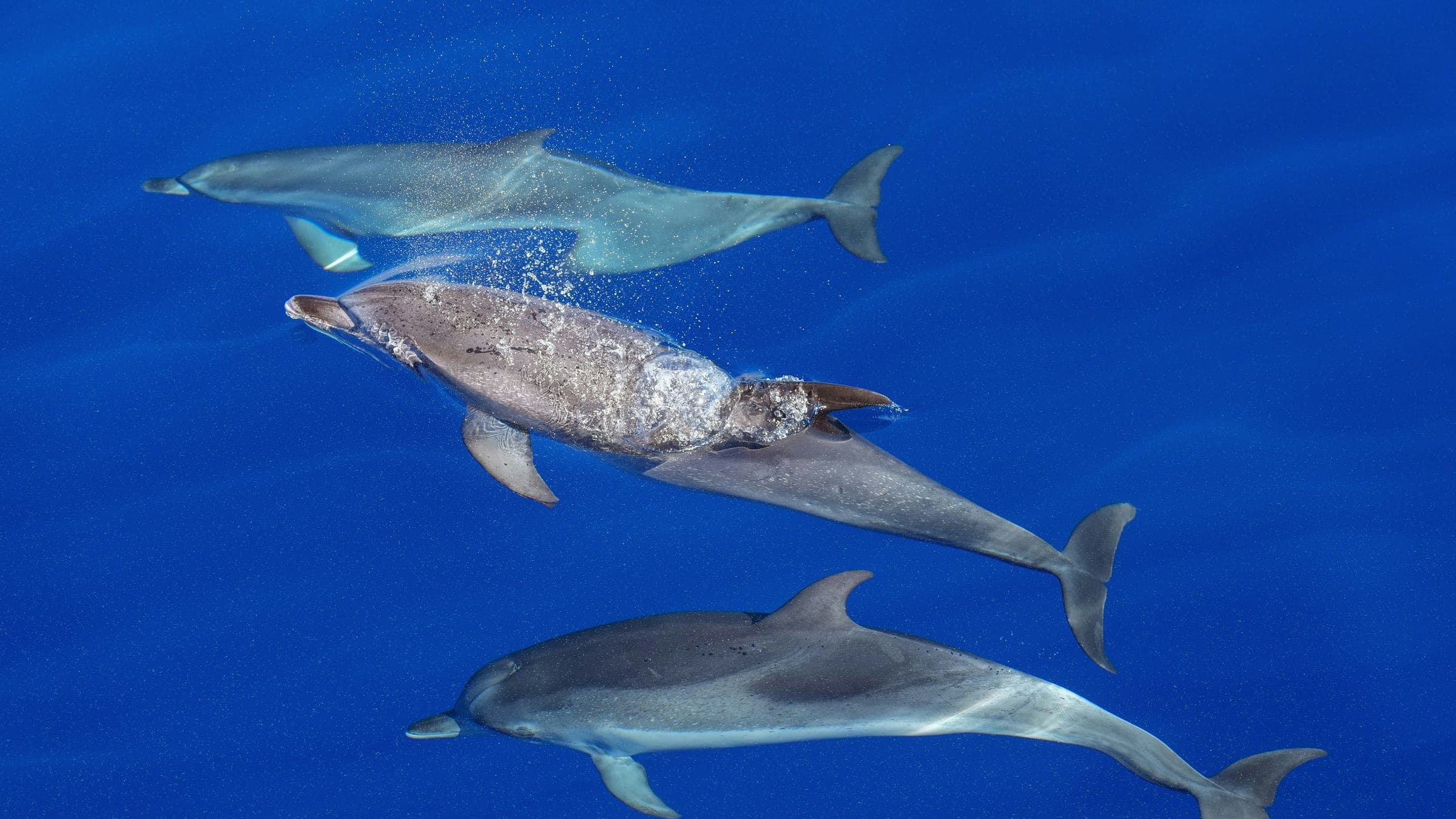
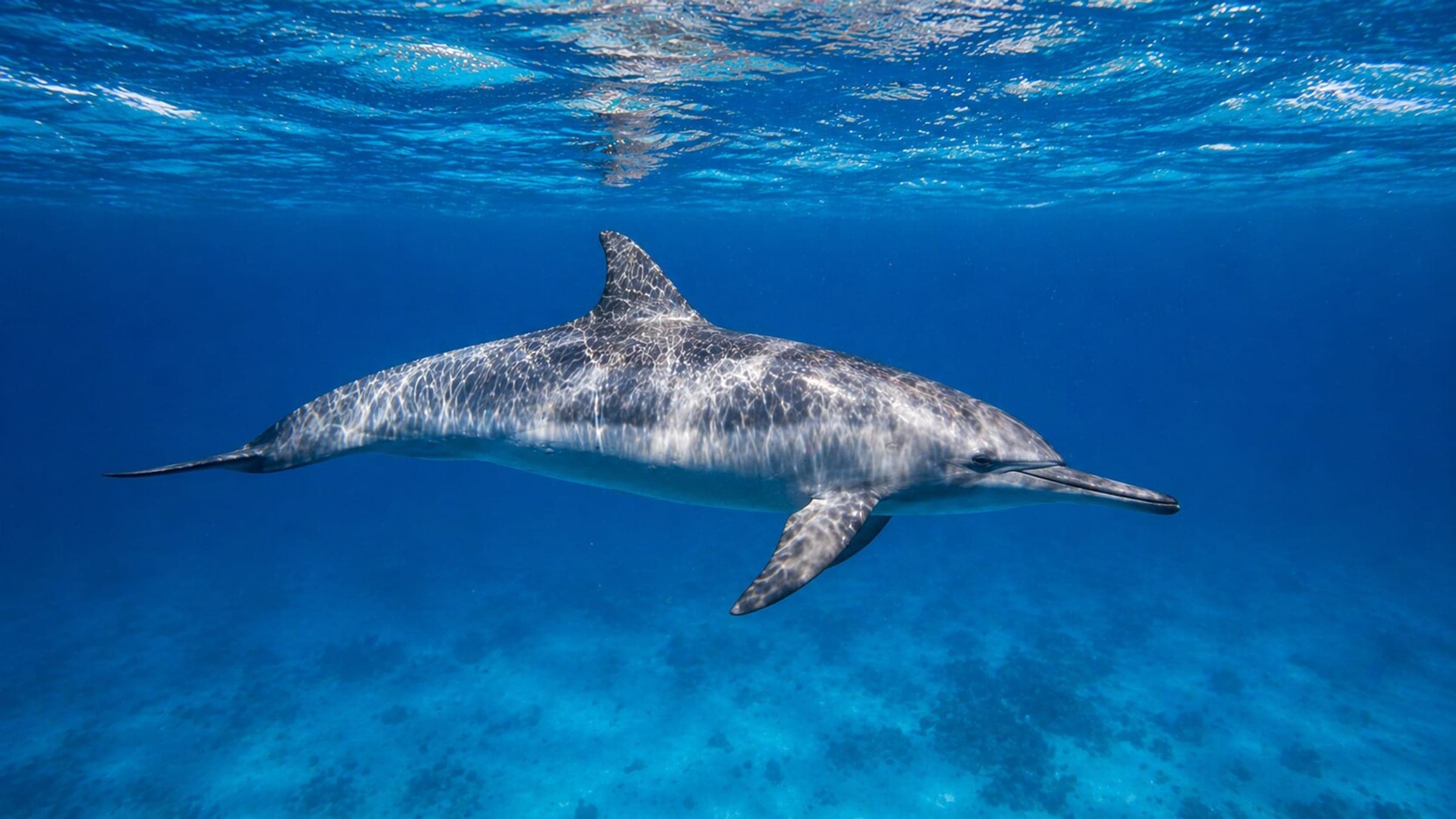
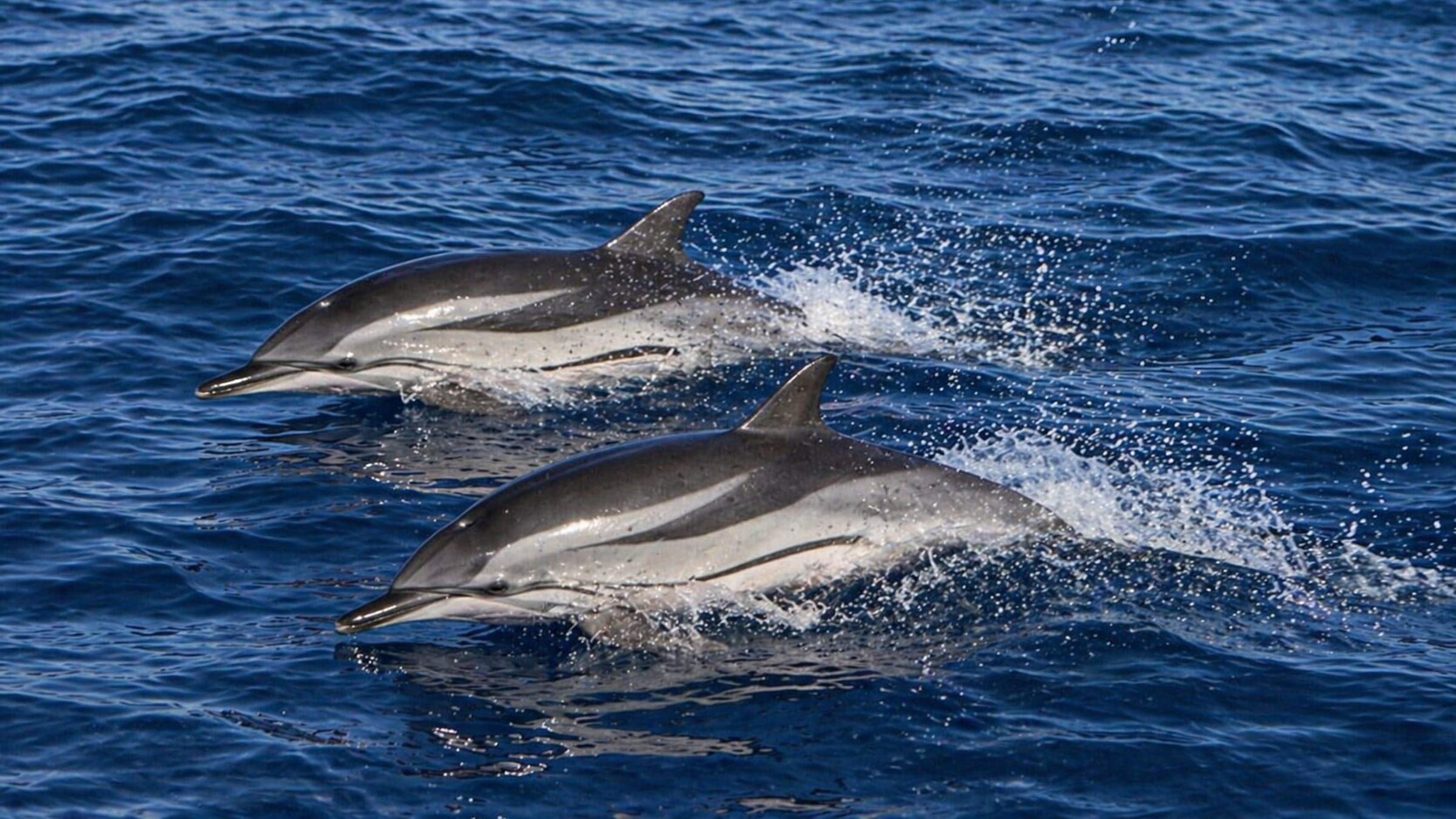
Distribution
Cosmopolitan in warm and temperate seas worldwide; absent from the Arctic and Antarctic Circle regions.
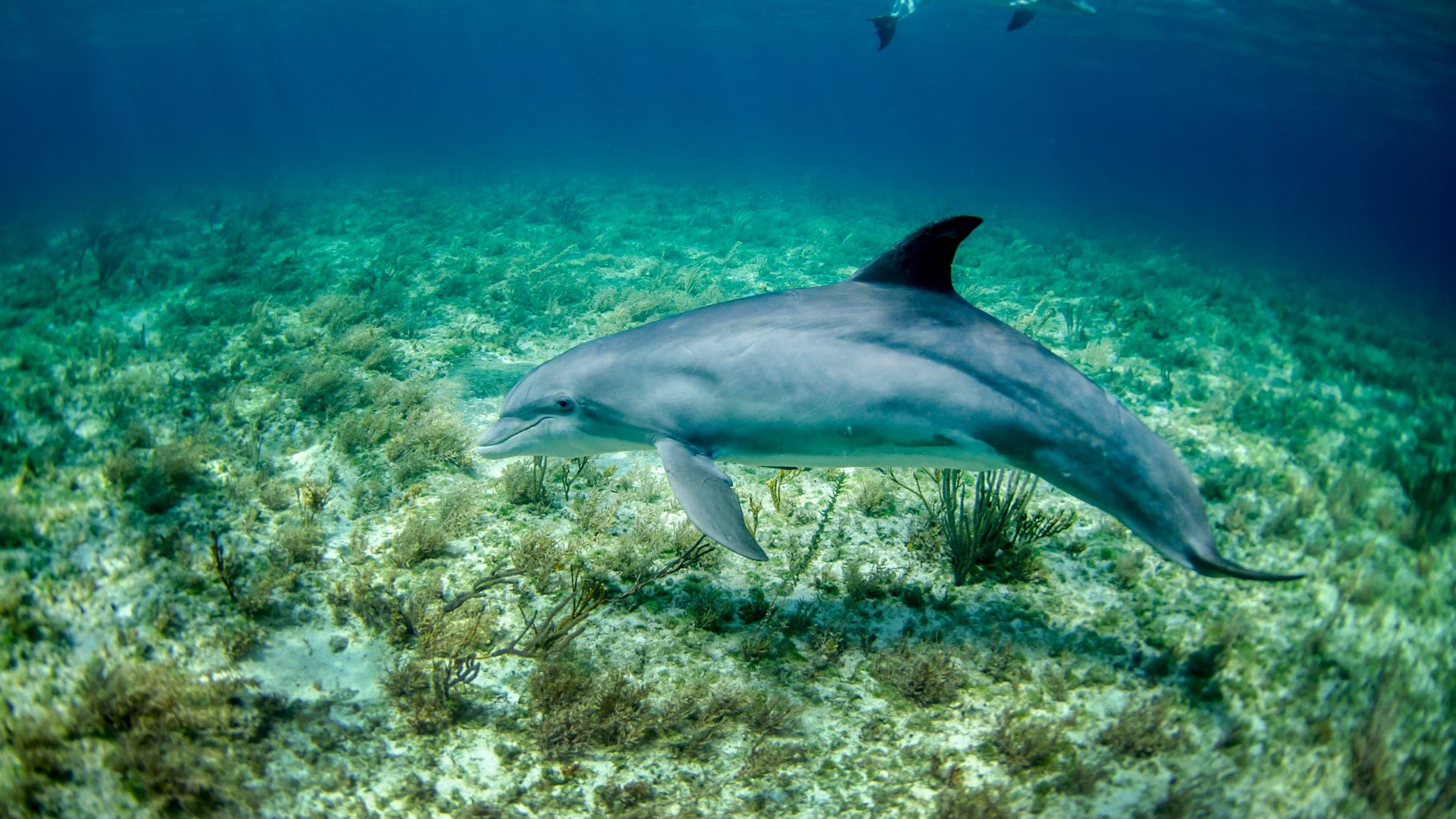
A cosmopolitan, toothed whale genus found in warm and temperate seas worldwide, known for high intelligence and varied human interactions.
Guía de especie
Una guía de campo clara centrada en hábitat, identificación, comportamiento y conservación sin enterrar lo útil.
The bottlenose dolphin is a toothed whale in the genus Tursiops and a common, cosmopolitan member of the family Delphinidae (oceanic dolphins). Molecular studies indicate the genus contains multiple species, including the common bottlenose dolphin (Tursiops truncatus), the Indo-Pacific bottlenose dolphin (Tursiops aduncus), and Tamanend's bottlenose dolphin (Tursiops erebennus); some forms such as the Burrunan dolphin may be treated as distinct species or as subspecies.
Bottlenose dolphins inhabit warm and temperate seas worldwide and are absent from Arctic and Antarctic Circle regions. Their name derives from Latin (tursio for dolphin and truncatus referencing worn teeth in the type specimen).
Numerous studies have examined their intelligence, including mimicry, use of artificial language, object categorization, and self-recognition. They can use tools (notably "sponging," where a marine sponge is used to access food) and transmit cultural knowledge between generations. Bottlenose dolphins have been involved in aquarium displays and media; they have also been trained for military tasks such as mine location and diver detection, and in some places they cooperate with fishermen by driving fish into nets.
Las opciones de planificación vinculadas más fuertes aparecen ahora en destinos como Marsa Alam (Abu Dabbab y Elphinstone), Caye Caulker, Islas Cocos (Keeling) y países como Australia, Egipto, Francia para buceadores que planifican viajes alrededor de bottlenose dolphins.
Identificación
Los rasgos visuales que los buceadores pueden usar bajo el agua y las especies con las que más se confunde.
Actualizado el Mar 9, 2026 · 4 fuentes
Toothed whale in the genus Tursiops, family Delphinidae (oceanic dolphins).
Cosmopolitan in warm and temperate seas worldwide; absent from the Arctic and Antarctic Circle regions.
Name derives from Latin: tursio (dolphin) and truncatus (referring to truncated teeth of the type specimen).
Distribución y movimiento
La distribución amplia, el movimiento estacional o la migración que determinan dónde encuentran los buceadores esta especie.
Found throughout warm and temperate seas worldwide; not present in Arctic or Antarctic Circle regions.
Dieta
Contexto alimentario útil que a menudo explica hábitat, movimiento y estilo de encuentro.
Feeds on fish and other prey; known to cooperate with fishermen by driving fish into nets in some areas.
Conservación
Estado, presiones y protección con base en fuentes citadas, no en relleno.
Commonly cited pressures include Hunting and Bycatch.
People hunt bottlenose dolphins for food in some areas.
Dolphins are killed inadvertently as bycatch of tuna fishing.
Dolphins can be killed by getting caught in crab traps.
Encuentros responsables
Guía de conservación para buceadores que quieren el encuentro sin añadir presión.
Give bottlenose dolphin space, avoid blocking the animal's path, and follow local site and operator rules for wildlife interactions with dolphins.
Notas de campo
Contexto útil de la especie que hace el encuentro más significativo bajo el agua.
They exhibit advanced cognitive behaviors including self-recognition, mimicry, and object categorization.
They use tools such as marine sponges ('sponging') to access otherwise unreachable food.
They can transmit learned behaviors and knowledge across generations.
Common bottlenose dolphins have an encephalization quotient of 5.26, higher than that reported for chimpanzees.
They have cooperated with fishermen and been trained for entertainment and military tasks.
Destinos destacados
Destinos destacados a partir de los sitios de buceo vinculados con esta especie.
Países destacados
Los puntos de partida por país más sólidos vinculados actualmente a esta especie.
Sitios de buceo destacados
Sitios de buceo vinculados directamente donde esta especie ya aparece en los datos de planificación.
Arrecife de casa de fácil acceso desde la costa con vida de arrecife tranquila y colorida.
Sitio de buceo con entrada desde barco y tres pilares submarinos en triángulo.
Arrecife de deriva poco profundo con pináculos, cuevas y delfines.
Inmersión en barco con pared, pináculo y abundante vida de peces.
Inmersión desde costa rocosa frente a Toroni, con monolitos, agua clara y vida marina cercana.
Pendiente arenosa con pináculos de coral
Preguntas frecuentes
Respuestas claras de planificación y conservación escritas para visibilidad en buscadores y recuperación por IA.
Fuentes de investigación
Referencias principales y fiables detrás de las afirmaciones de campo y conservación de esta página.
Primary wildlife guide source.
Supporting wildlife source.
Supporting wildlife source.
Supporting wildlife source.
Especies relacionadas
Guías de especies relacionadas dentro de la misma familia de encuentro.