Lucio
Esox
Los Esox (lucios) son peces depredadores de agua dulce alargados, con camuflaje moteado, que se encuentran en el norte de Eurasia y América del Norte.
pikepickerel
Guía de especie
Qué saber sobre lucios
Una guía de campo clara centrada en hábitat, identificación, comportamiento y conservación sin enterrar lo útil.
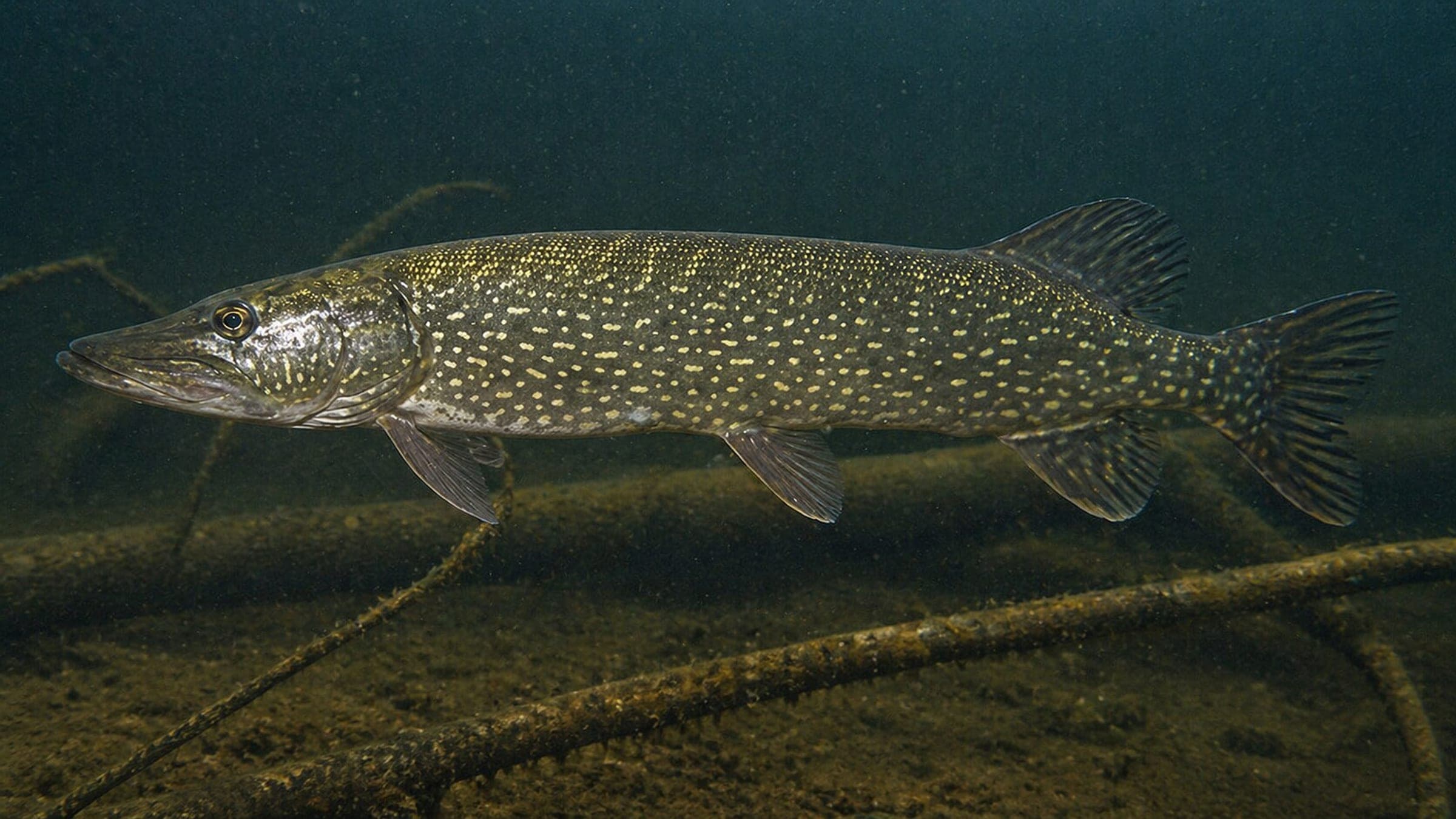
Esox es un género de peces de agua dulce comúnmente llamados lucio o pickerel y es el género tipo de la familia Esocidae. La especie tipo es Esox lucius, el lucio del norte. Los fósiles de Esox se remontan al Paleoceno. Las especies modernas de gran tamaño de lucio son nativas de las regiones Paleártica y Neártica, y se distribuyen por América del Norte y desde Europa occidental hasta Siberia, en el norte de Asia. Los lucios tienen un cuerpo alargado, con forma de torpedo, típico de los peces depredadores, con cabeza muy puntiaguda y dientes afilados. Su coloración suele ser gris verdosa, con aspecto moteado o manchado y franjas a lo largo del dorso que les brindan camuflaje entre la vegetación acuática. Cada lucio tiene un patrón de marcas único. Entre los máximos registrados para el grupo figuran una longitud de 1.50 m (5 ft) y un peso de 55 lb, 1 oz. Son de vida larga; se pensaba que el esqueleto de un ejemplar particularmente grande de un museo del siglo XIX había alcanzado hasta 100 años de edad.
Las opciones de planificación vinculadas más fuertes aparecen ahora en destinos como Lake Constance (Bodensee), Berlin and Brandenburg Lakes (Straussee, Stechlinsee and Werbellinsee), French Alpine Lakes (Annecy, Bourget and Lake Geneva) y países como Alemania, Austria, Switzerland para buceadores que planifican viajes alrededor de lucios.
Identificación
Cómo identificar lucios
Los rasgos visuales que los buceadores pueden usar bajo el agua y las especies con las que más se confunde.