Forme du corps
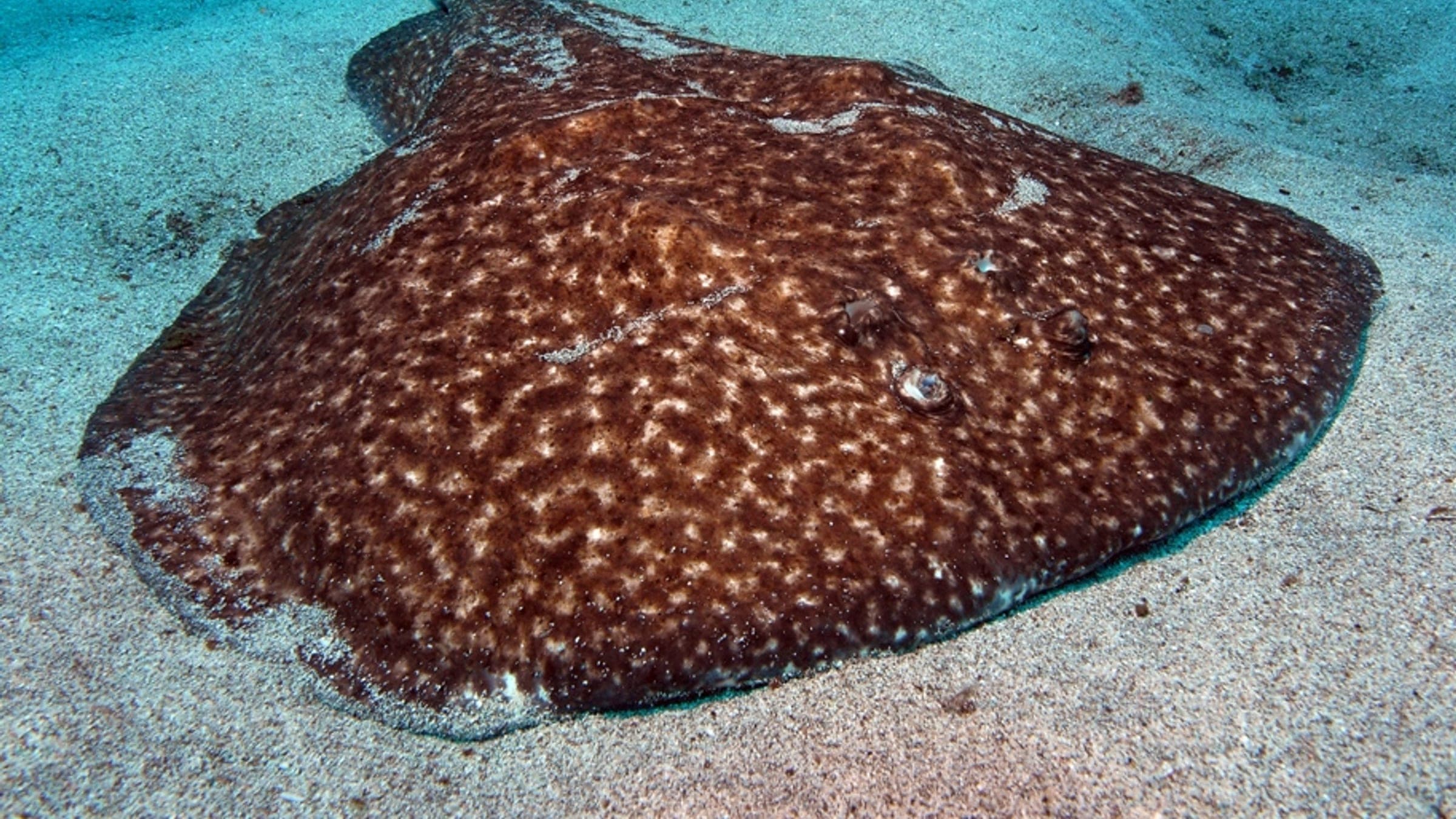
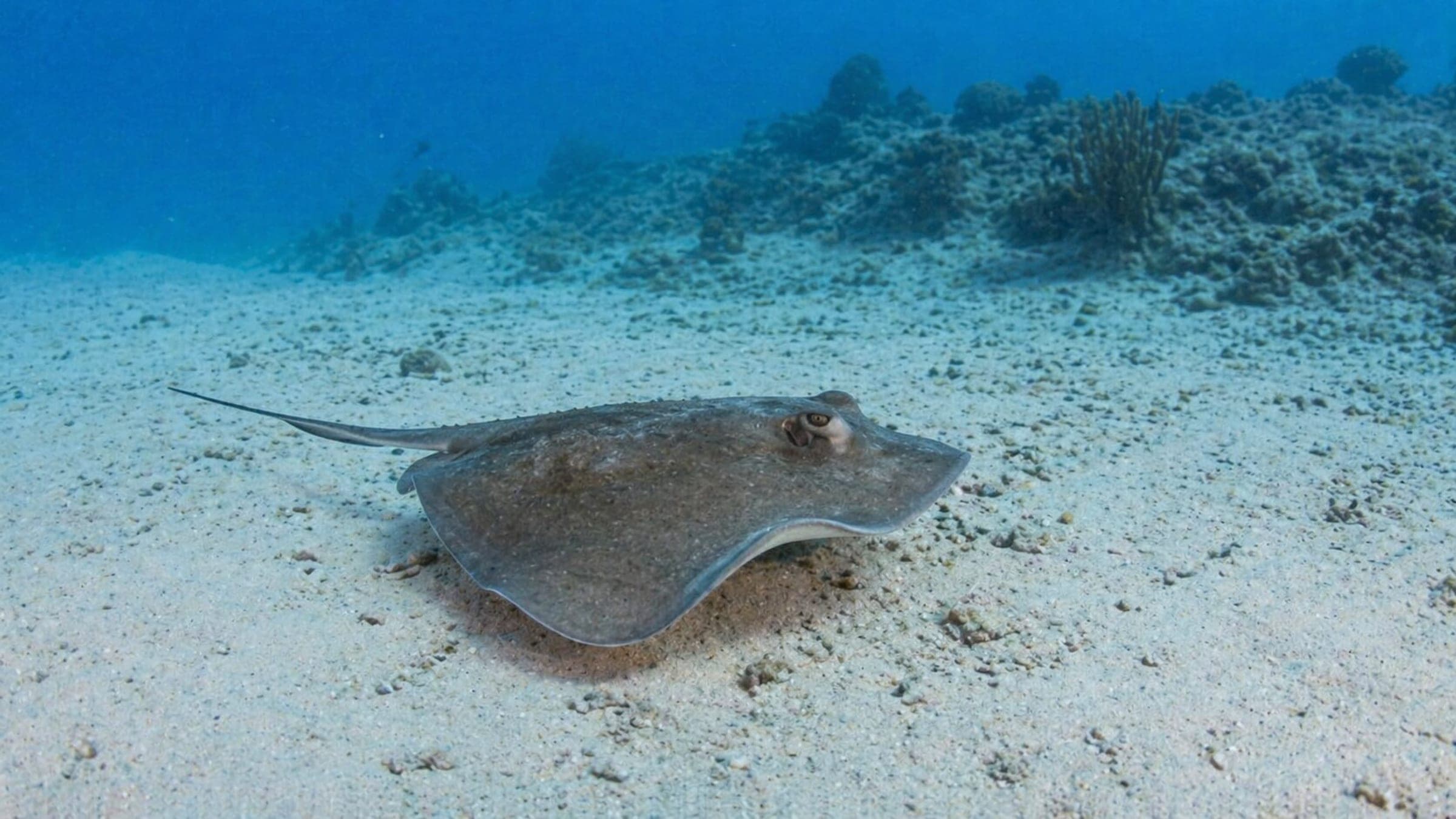
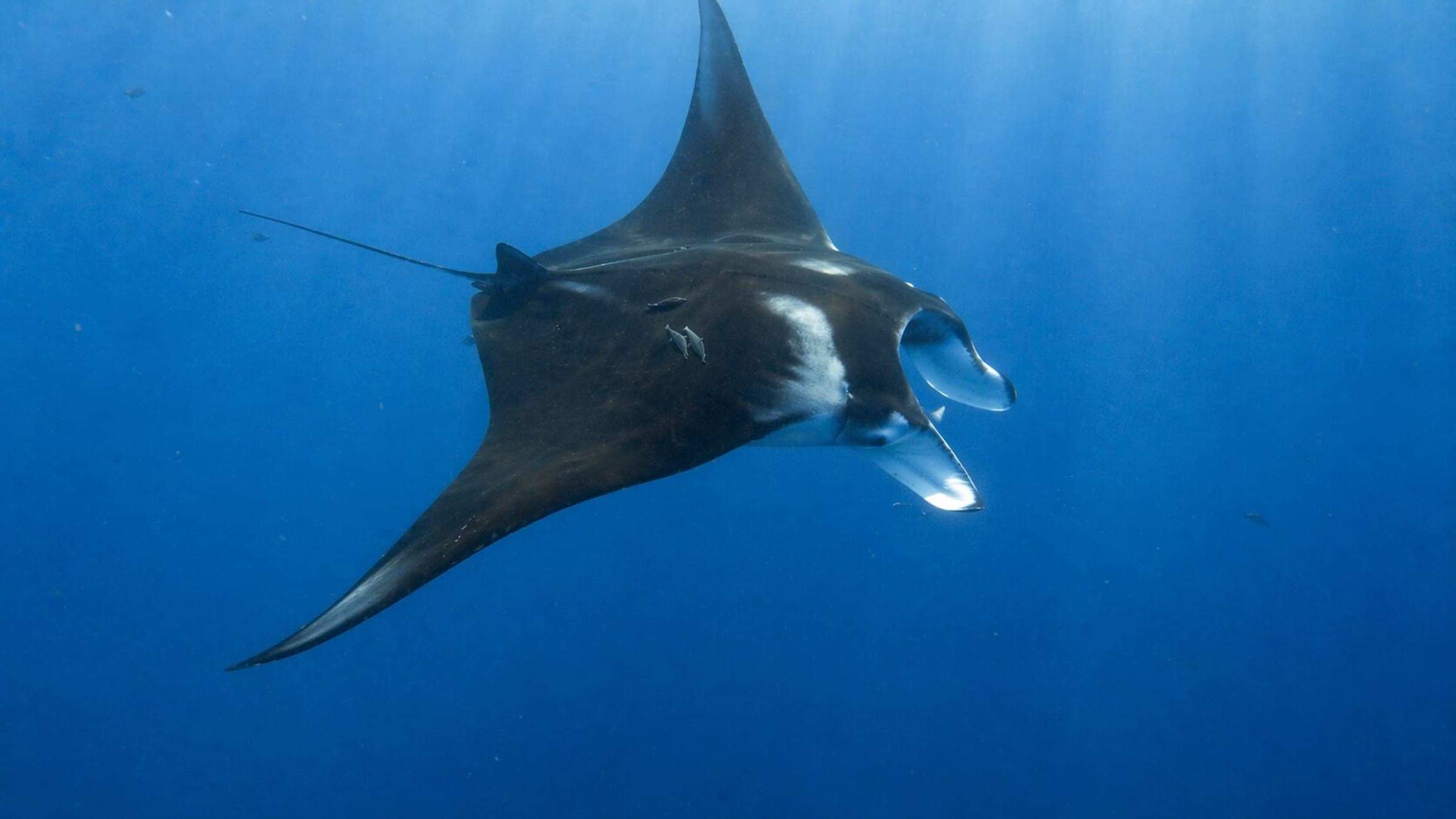
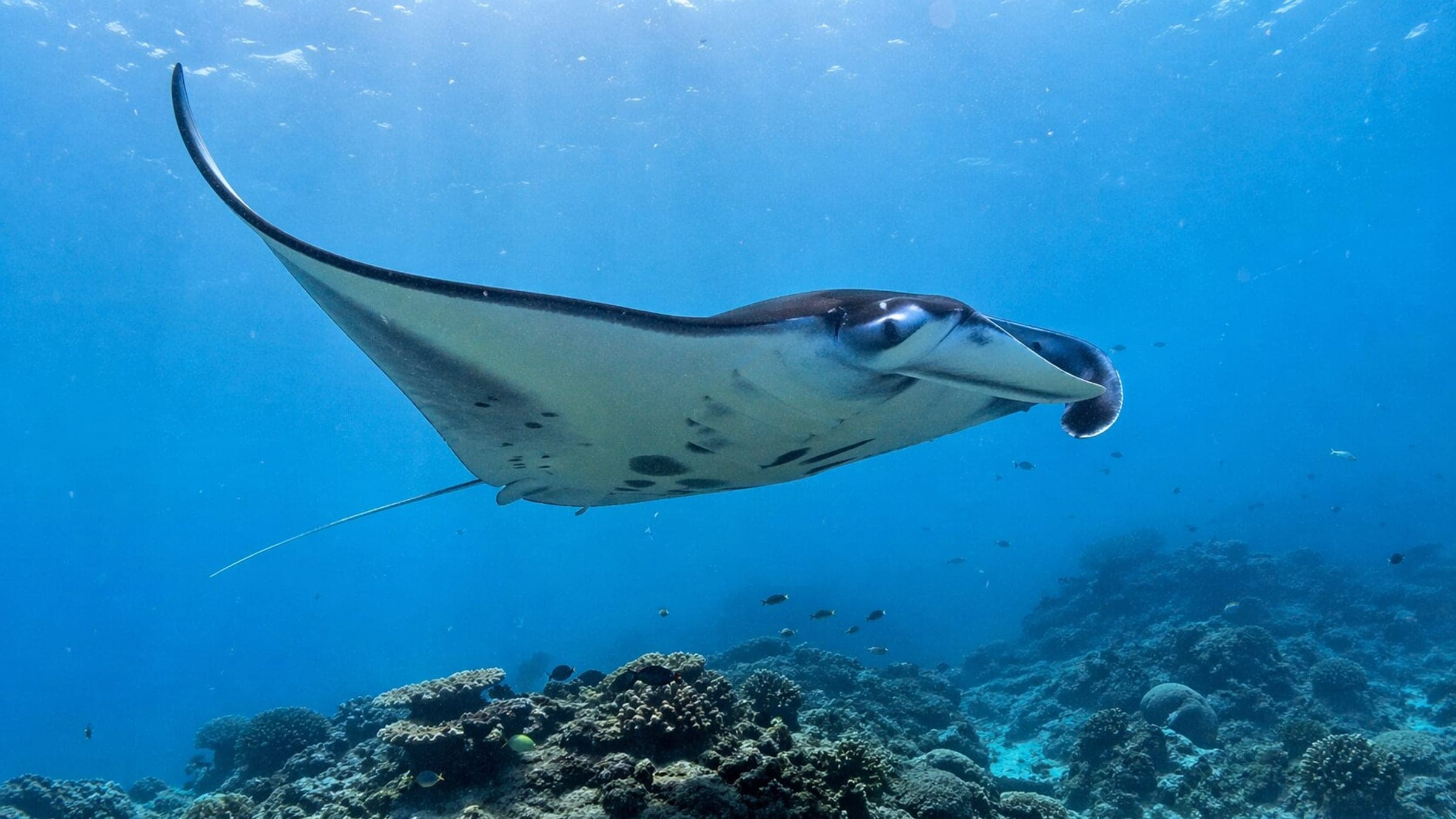
Corps rhombique bien défini par rapport à de nombreuses autres raies.
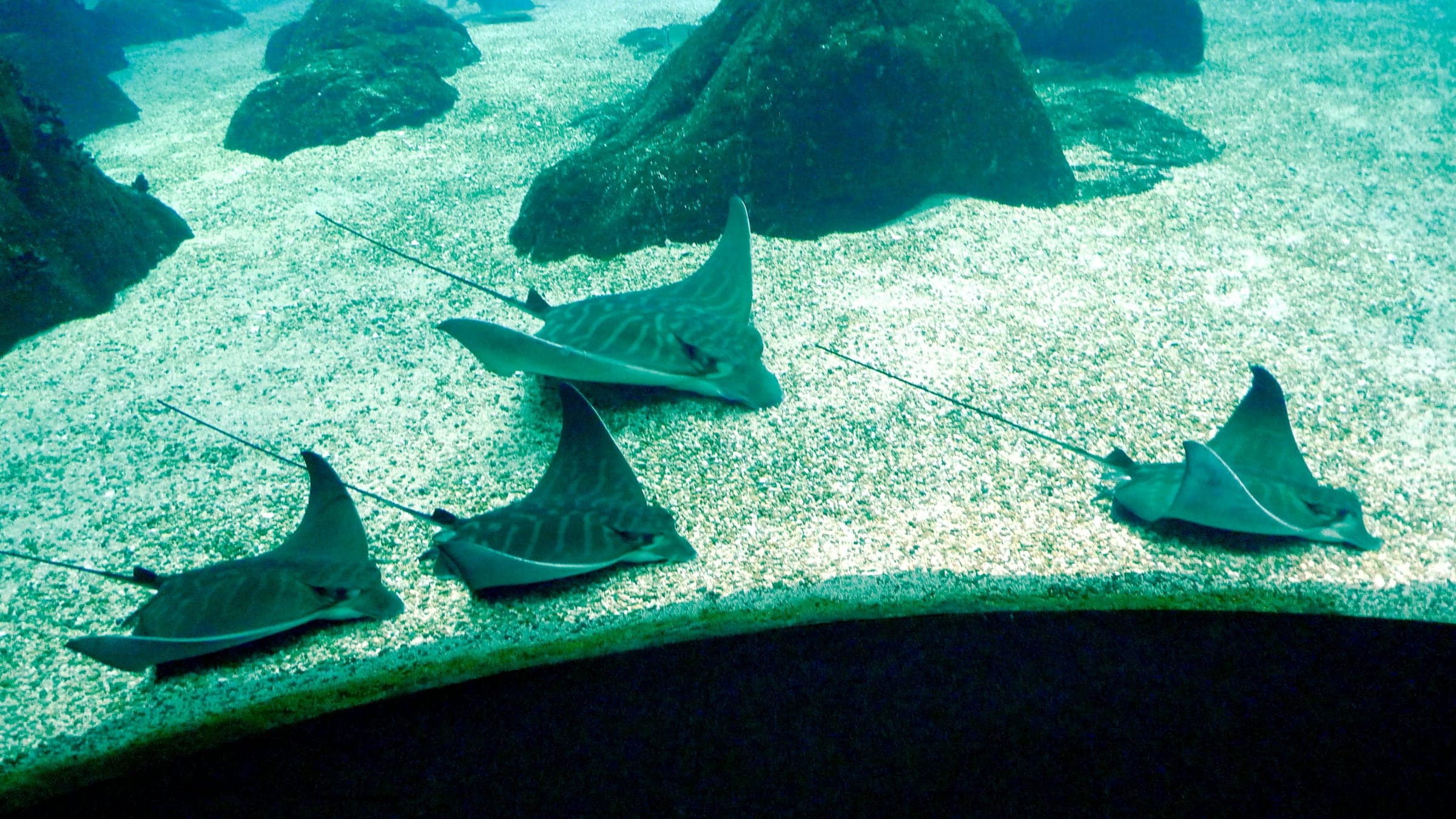
Les raies aigles sont de grands poissons cartilagineux de haute mer de la famille des Myliobatidae, avec une longue queue et un corps rhombique.
Guide d'espèce
Un guide de terrain clair centré sur l'habitat, l'identification, le comportement et la conservation sans masquer les informations utiles.
Les raies aigles sont de grands poissons cartilagineux de haute mer de la famille des Myliobatidae, avec une longue queue et un corps rhombique.
Vivent principalement en haute mer plutôt que sur le fond marin ; ce sont de fortes nageuses capables de sauter hors de l'eau de plusieurs mètres.
Se nourrissent de mollusques et de crustacés, broyant leurs coquilles avec des dents aplaties.
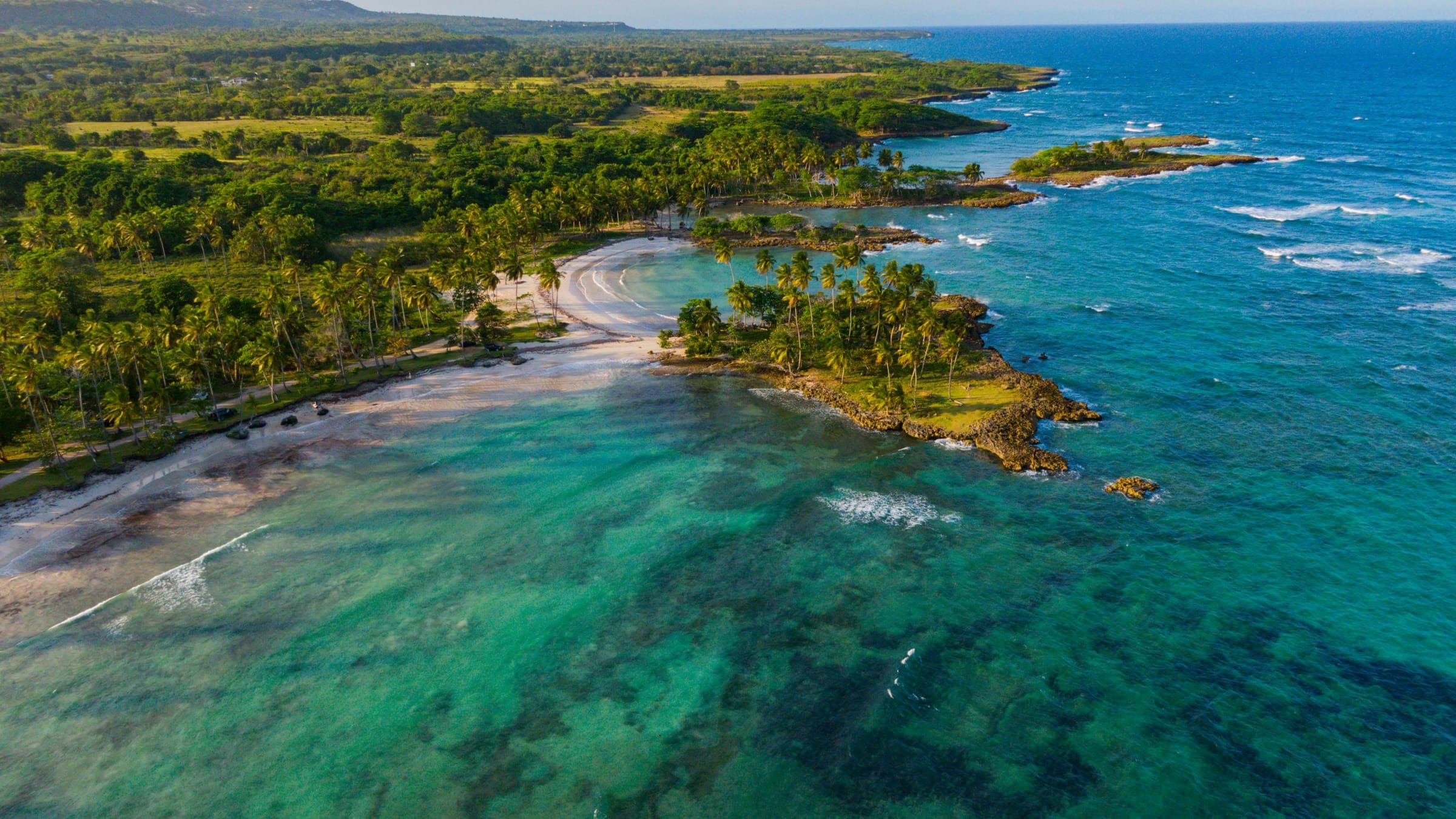
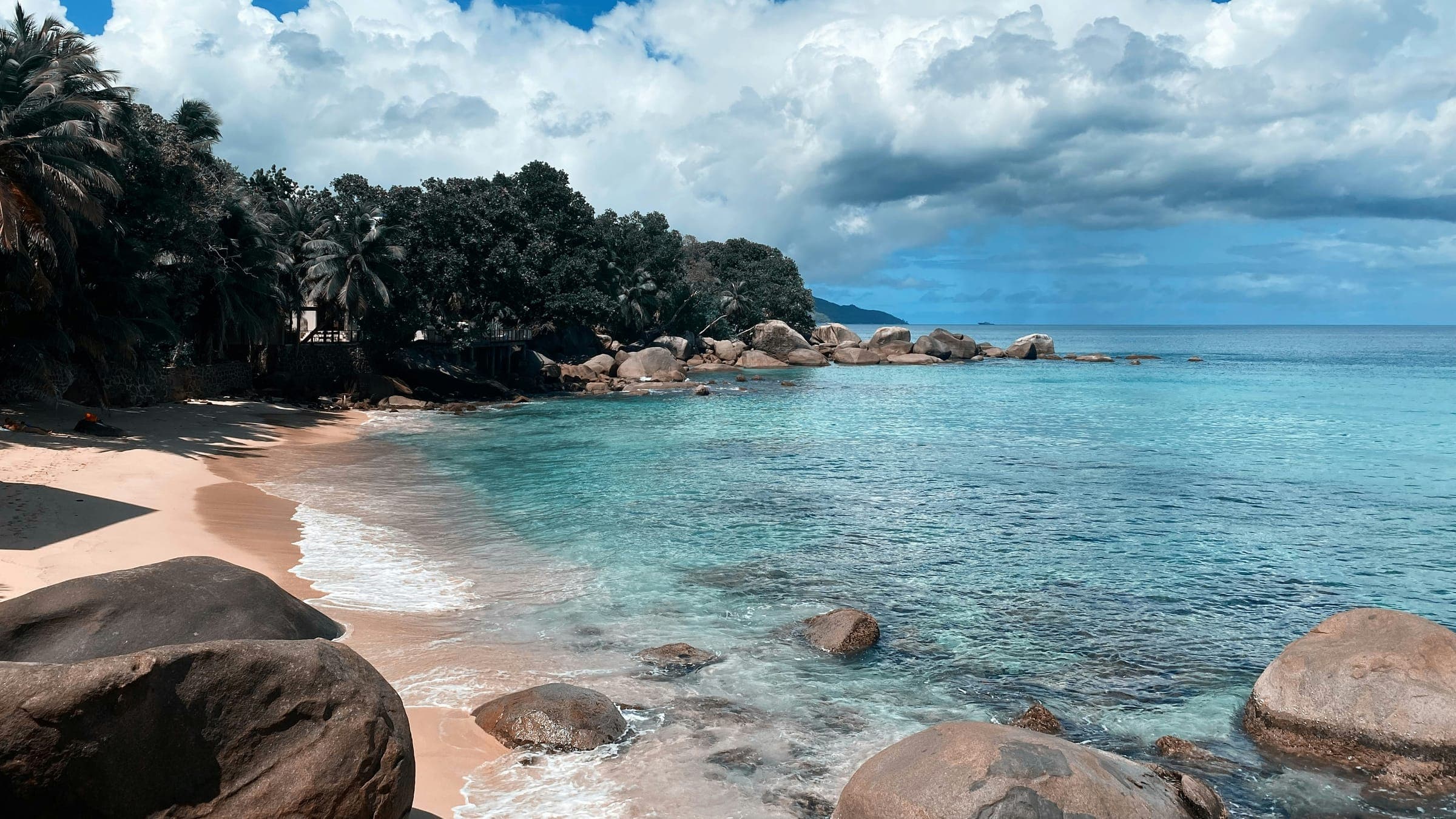
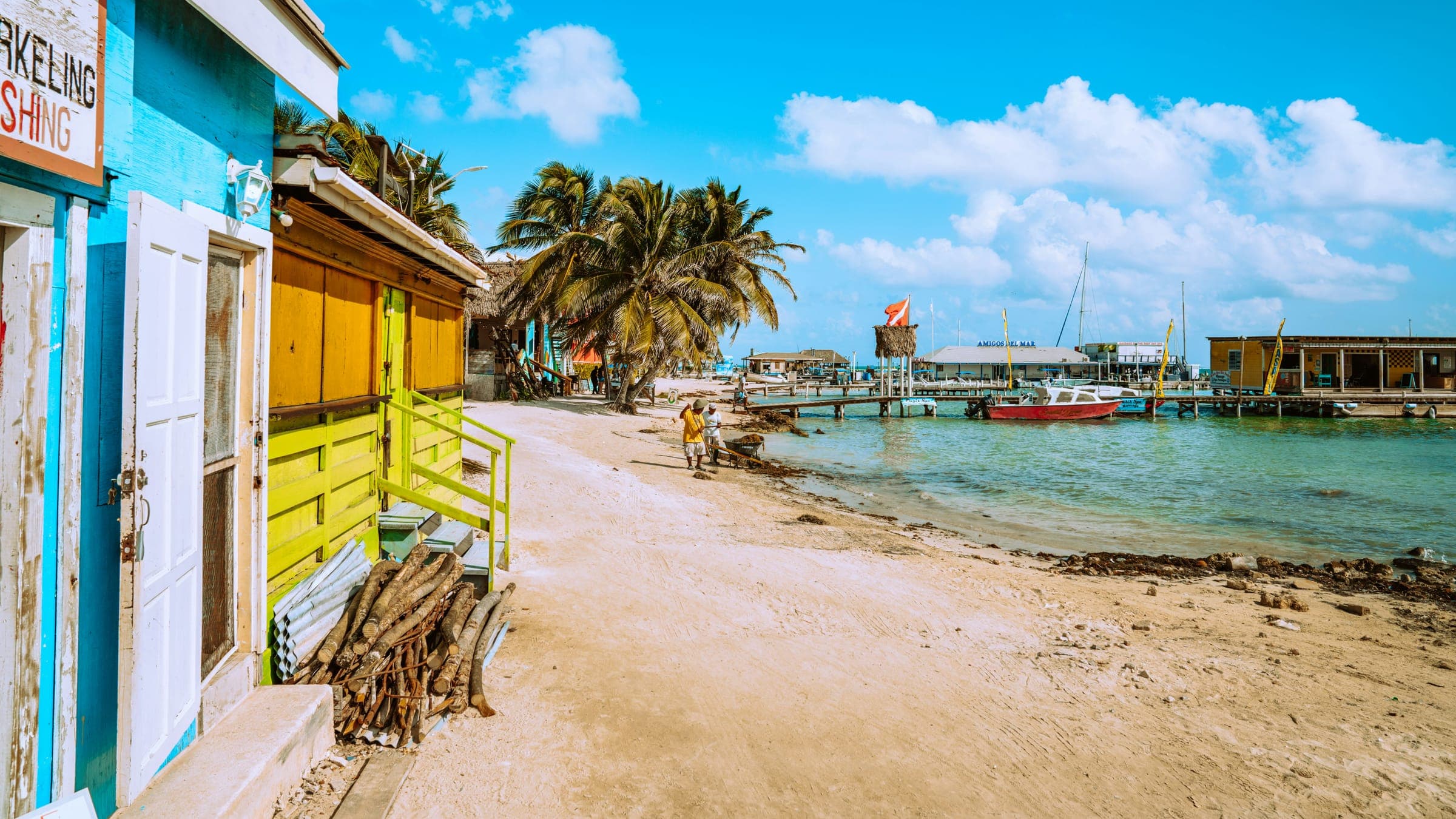
Les options de planification liées les plus fortes ressortent actuellement autour de destinations comme Caye Caulker, San Pedro (Ambergris Caye), Belize, Bayahibe et Dominicus et de pays comme Belize, Égypte, Maldives pour les plongeurs qui planifient autour de raie aigles.
Identification
Les marqueurs visuels que les plongeurs peuvent utiliser sous l'eau, ainsi que les espèces les plus susceptibles de prêter à confusion.
Corps rhombique bien défini par rapport à de nombreuses autres raies.
Queue relativement longue par rapport aux autres raies.
Mis à jour le Mar 9, 2026 · 4 sources
Longueur d'environ 0.48 à 5.1 m, envergure jusqu'à environ 7 m.
Excellentes nageuses capables de sauter hors de l'eau de plusieurs mètres.
Répartition et déplacements
La répartition générale, les mouvements saisonniers ou les migrations qui influencent les rencontres des plongeurs avec cette espèce.
Vivent principalement en haute mer plutôt que sur le fond marin ; ce sont de fortes nageuses capables de sauter hors de l'eau de plusieurs mètres.
Alimentation
Un contexte alimentaire utile qui explique souvent l'habitat, les déplacements et le type de rencontre.
Se nourrissent de mollusques et de crustacés, broyant leurs coquilles avec des dents aplaties.
Rencontres responsables
Conseils de conservation pour les plongeurs qui veulent vivre la rencontre sans ajouter de pression.
Laissez de l'espace aux raies aigles, évitez de bloquer leur trajectoire et suivez les règles locales du site et de l'opérateur concernant les interactions avec les raies.
Notes de terrain
Contexte utile sur l'espèce qui rend la rencontre plus significative une fois sous l'eau.
Les raies aigles sont ovovivipares et peuvent donner naissance jusqu'à six petits à la fois.
Elles sont capables de sauter hors de l'eau jusqu'à plusieurs mètres au-dessus de la surface.
Les longueurs signalées vont d'environ 0.48 à 5.1 m, avec des envergures jusqu'à environ 7 m.
Meilleures destinations
Destinations remontées depuis les sites de plongée liés à cette espèce.
Meilleurs pays
Les points de départ par pays les plus solides actuellement liés à cette espèce.
Meilleurs sites de plongée
Sites de plongée directement liés où cette espèce apparaît déjà dans les données de planification.
Miyaru Kandu est un canal à requins protégé avec une forte dérive.
Plongée dans des canyons accessibles en bateau, en face de San Pedro Town.
Plongée sur récif et canyon accessible en bateau au large d'Ambergris Caye.
Récif de corail adapté aux débutants au large de Beau Vallon
Bayahibe base de plongée en bateau pour récifs, épaves et sites du parc.
Bloody Bay Wall est une plongée sur mur de classe mondiale au large de Little Cayman.
FAQ
Réponses claires de planification et de conservation écrites pour la visibilité en recherche et la récupération par IA.
Sources de recherche
Références principales et crédibles derrière les affirmations de terrain et de conservation de cette page.
Primary wildlife guide source.
Supporting wildlife source.
Supporting wildlife source.
Supporting wildlife source.
Espèces liées
Guides d'espèces liées dans la même famille de rencontre.