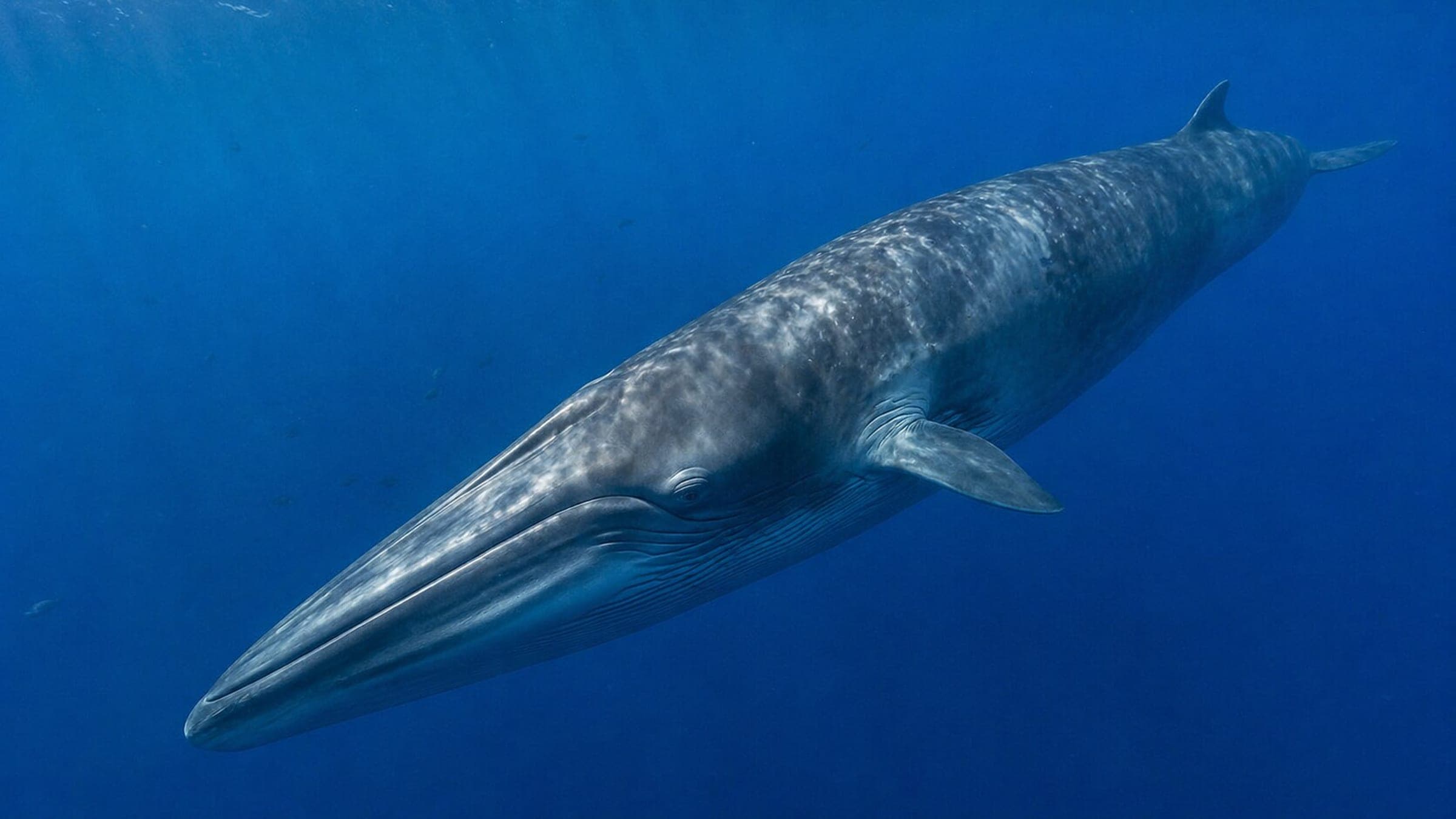
Coloración
Pigmentación distintiva en negro en la parte superior y blanco en la inferior, con reconocibles parches blancos alrededor de los ojos.
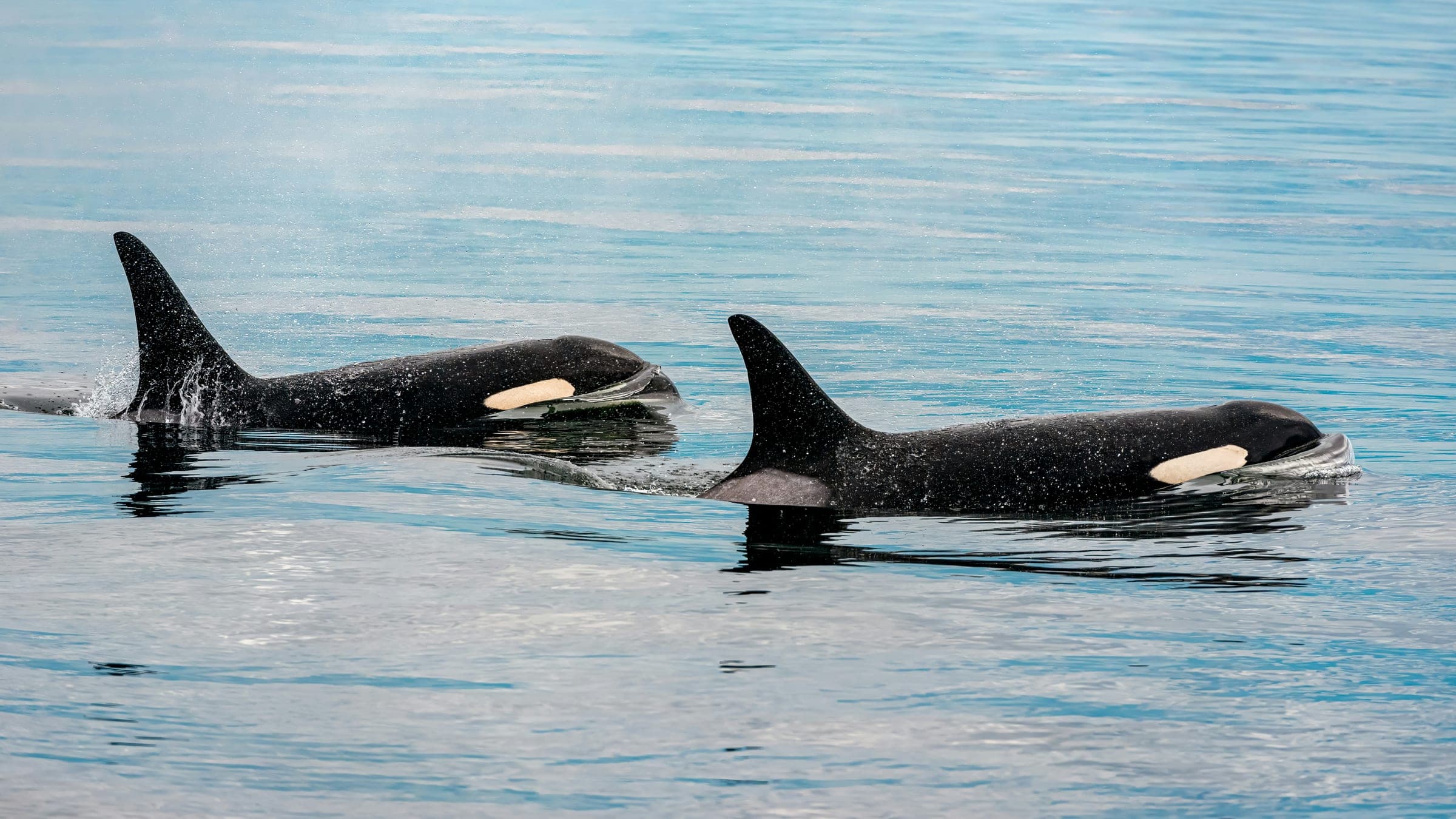
Orcinus orca
La orca (killer whale) es una ballena dentada de distribución cosmopolita y el miembro más grande de la familia de los delfines oceánicos, reconocible por su pigmentación en blanco y negro y sus parches blancos alrededor de los ojos.
Guía de especie
Una guía de campo clara centrada en hábitat, identificación, comportamiento y conservación sin enterrar lo útil.
La orca (Orcinus orca), o killer whale, es una ballena dentada y el miembro más grande de la familia de los delfines oceánicos. Se reconoce por su pigmentación distintiva: mayormente negra en la parte superior, blanca en la parte inferior y con parches blancos alrededor de los ojos. Es una especie de distribución cosmopolita; las orcas habitan una amplia gama de ambientes marinos desde regiones árticas hasta antárticas y mares tropicales, y se documentan con mayor frecuencia en aguas costeras templadas o más frías. Los científicos han propuesto dividir la población mundial en razas, subespecies o incluso posiblemente en especies separadas. Las orcas son depredadores tope con una dieta diversa; las poblaciones individuales a menudo se especializan en tipos particulares de presas. Son muy sociales, y algunas poblaciones forman grupos familiares matrilineales estables (manadas). Las orcas emplean técnicas de caza y comportamientos vocales sofisticados que pueden ser únicos para grupos específicos y transmitirse de generación en generación, rasgos considerados manifestaciones de la cultura animal.
La evaluación global es de Datos insuficientes porque varios tipos de orca podrían representar especies distintas; algunas poblaciones locales están amenazadas o en peligro debido a la disminución de presas, la pérdida de hábitat, la contaminación (PCB), las capturas para parques marinos y los conflictos con la pesca.
Las orcas tienen distribución cosmopolita, habitando una amplia gama de ambientes marinos desde regiones árticas hasta antárticas y mares tropicales, y se documentan con mayor frecuencia en aguas costeras templadas o más frías.
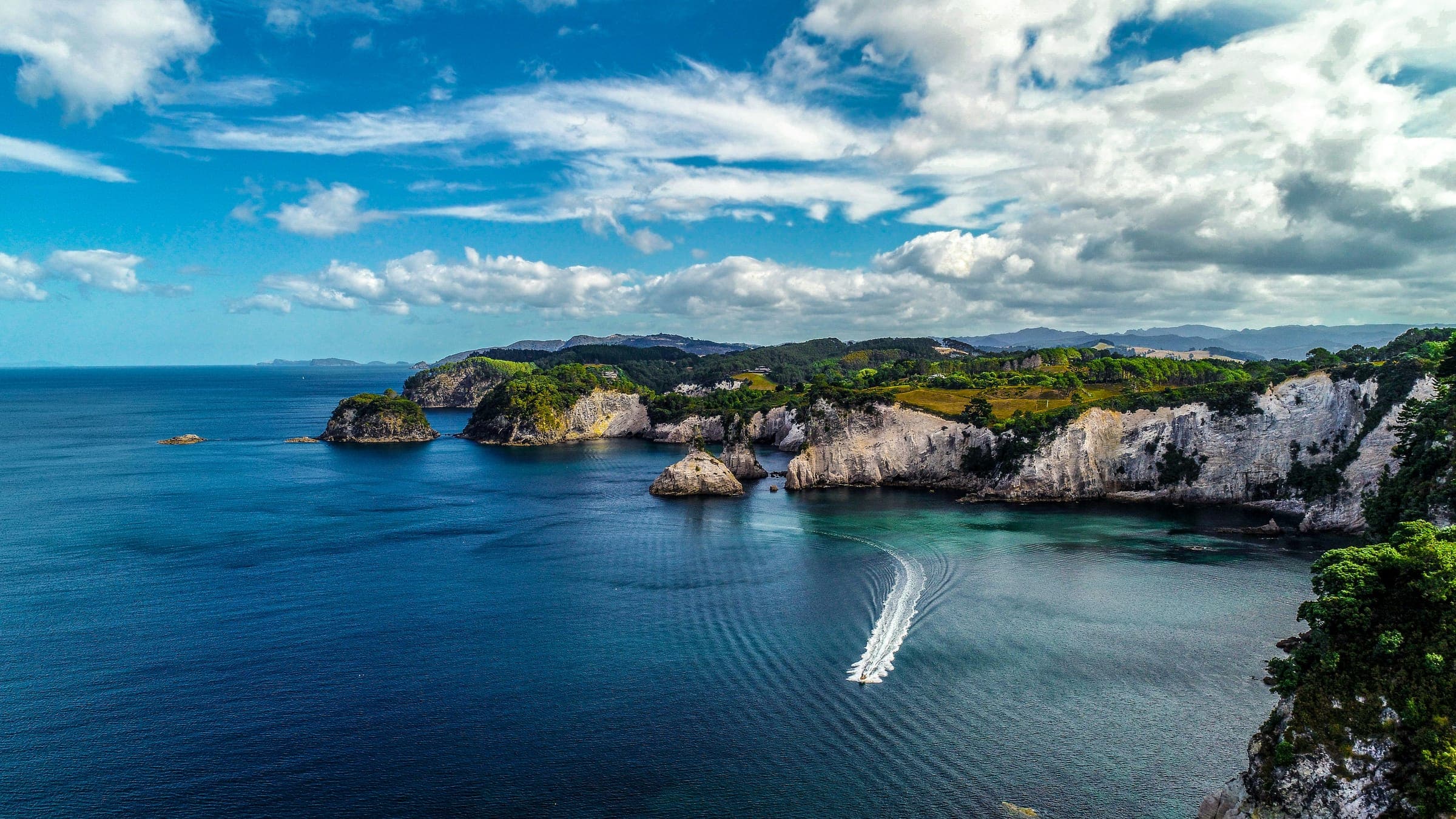
Las opciones de planificación vinculadas más fuertes aparecen ahora en destinos como Islas Mercury (península de Coromandel), Lagos de Berlín y Brandeburgo (Straussee, Stechlinsee y Werbellinsee), Hurghada (Giftun y Abu Nuhas) y países como Nueva Zelanda, Alemania, Argentina para buceadores que planifican viajes alrededor de orcas.
Actualizado el Mar 9, 2026 · 2 fuentes
Identificación
Los rasgos visuales que los buceadores pueden usar bajo el agua y las especies con las que más se confunde.
Pigmentación distintiva en negro en la parte superior y blanco en la inferior, con reconocibles parches blancos alrededor de los ojos.
Una ballena dentada y el miembro más grande de la familia de los delfines oceánicos.
Distribución y movimiento
La distribución amplia, el movimiento estacional o la migración que determinan dónde encuentran los buceadores esta especie.
Las orcas tienen distribución cosmopolita, habitando una amplia gama de ambientes marinos desde regiones árticas hasta antárticas y mares tropicales, y se documentan con mayor frecuencia en aguas costeras templadas o más frías.
Dieta
Contexto alimentario útil que a menudo explica hábitat, movimiento y estilo de encuentro.
Las orcas son depredadores tope con una dieta diversa; las poblaciones individuales a menudo se especializan en tipos particulares de presas, incluidos peces óseos, tiburones, rayas y mamíferos marinos como focas, delfines y ballenas.
Conservación
Estado, presiones y protección con base en fuentes citadas, no en relleno.
La evaluación global es de Datos insuficientes porque varios tipos de orca podrían representar especies distintas; algunas poblaciones locales están amenazadas o en peligro debido a la disminución de presas, la pérdida de hábitat, la contaminación (PCB), las capturas para parques marinos y los conflictos con la pesca.
Las poblaciones locales están amenazadas por la reducción de sus especies de presa preferidas.
La pérdida de hábitat figura como una amenaza para algunas poblaciones locales.
La contaminación, en particular por PCB, se cita como una amenaza para algunas poblaciones.
Las capturas de orcas para su exhibición en parques marinos han sido una amenaza histórica y continua.
Los conflictos con la pesca se señalan como una amenaza para algunas poblaciones locales.
Las orcas residentes del sur fueron incluidas en la lista de especies en peligro de EE. UU. a finales de 2005.
Encuentros responsables
Guía de conservación para buceadores que quieren el encuentro sin añadir presión.
Dale espacio a la orca, evita bloquear la trayectoria del animal y sigue las normas locales del sitio y del operador para las interacciones con ballenas y fauna marina.
Notas de campo
Contexto útil de la especie que hace el encuentro más significativo bajo el agua.
Las orcas exhiben técnicas de caza y comportamientos vocales que pueden ser únicos para ciertos grupos y transmitirse entre generaciones, considerados manifestaciones de la cultura animal.
Las orcas han sido veneradas por los pueblos indígenas y temidas históricamente por las culturas occidentales; su imagen pública cambió en la década de 1960 con el aumento del estudio y de su exhibición en cautiverio.
No se ha registrado ningún ataque fatal en libertad, pero las orcas en cautiverio han herido o matado a sus cuidadores en parques temáticos marinos.
Destinos destacados
Destinos destacados a partir de los sitios de buceo vinculados con esta especie.
Países destacados
Los puntos de partida por país más sólidos vinculados actualmente a esta especie.
Sitios de buceo destacados
Sitios de buceo vinculados directamente donde esta especie ya aparece en los datos de planificación.
Inmersión en barco con pared, pináculo y abundante vida de peces.
Lido de verano con natación en agua dulce poco profunda y una termoclina marcada.
Lago de agua dulce en el área de Berlín con buena visibilidad y abundantes peces.
Reserva protegida de lobos marinos frente a Puerto Madryn
Inmersión en bahía de las islas Great Mercury con arrecife de algas y vida de peces.
Región estacional de buceo con equipo entre hielos a la deriva en la costa de Hokkaido, mar de Ojotsk.
Preguntas frecuentes
Respuestas claras de planificación y conservación escritas para visibilidad en buscadores y recuperación por IA.
Fuentes de investigación
Referencias principales y fiables detrás de las afirmaciones de campo y conservación de esta página.
Primary wildlife guide source.
Taxonomy reference.
Especies relacionadas
Guías de especies relacionadas dentro de la misma familia de encuentro.