Forma del cuerpo
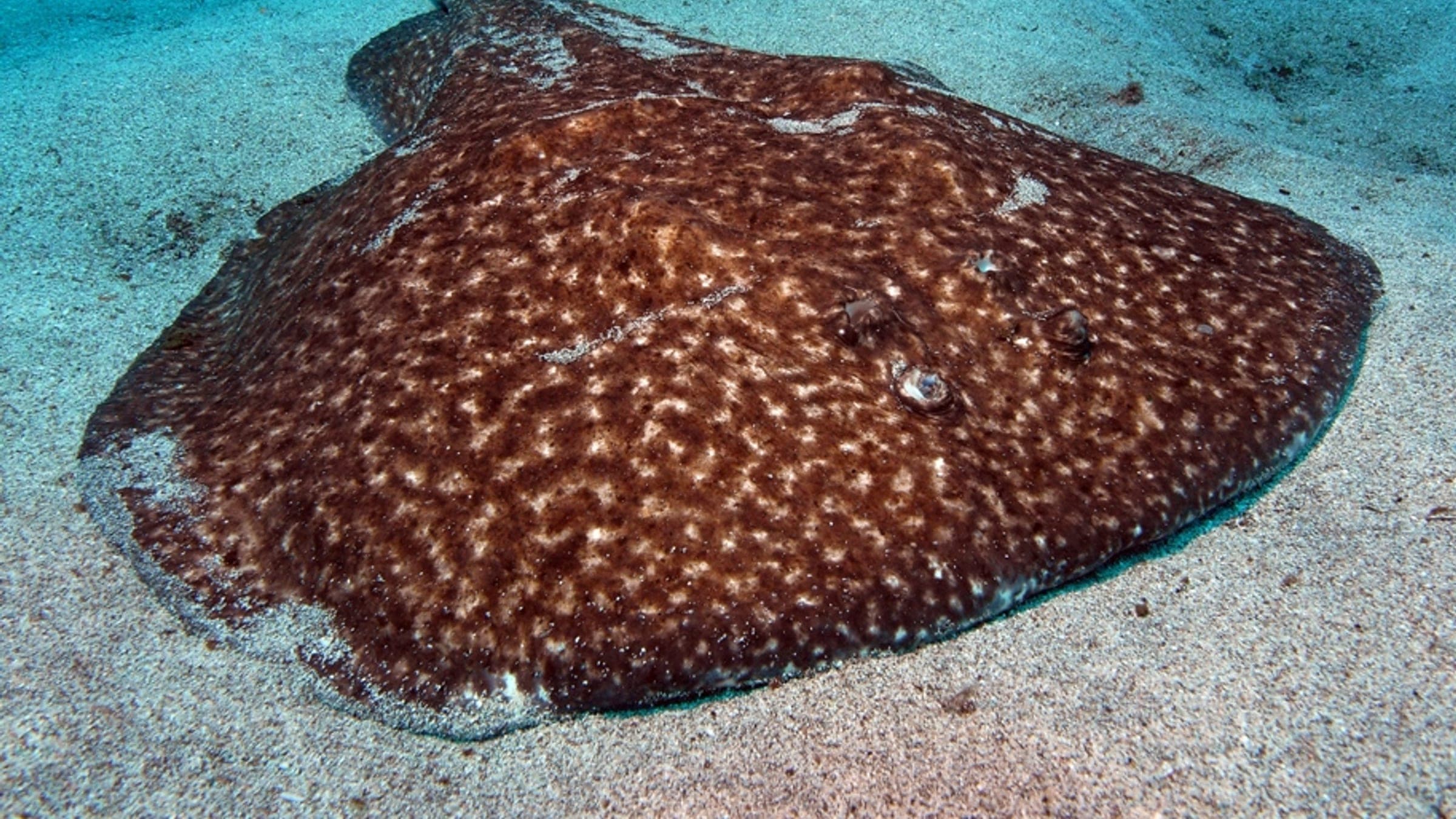
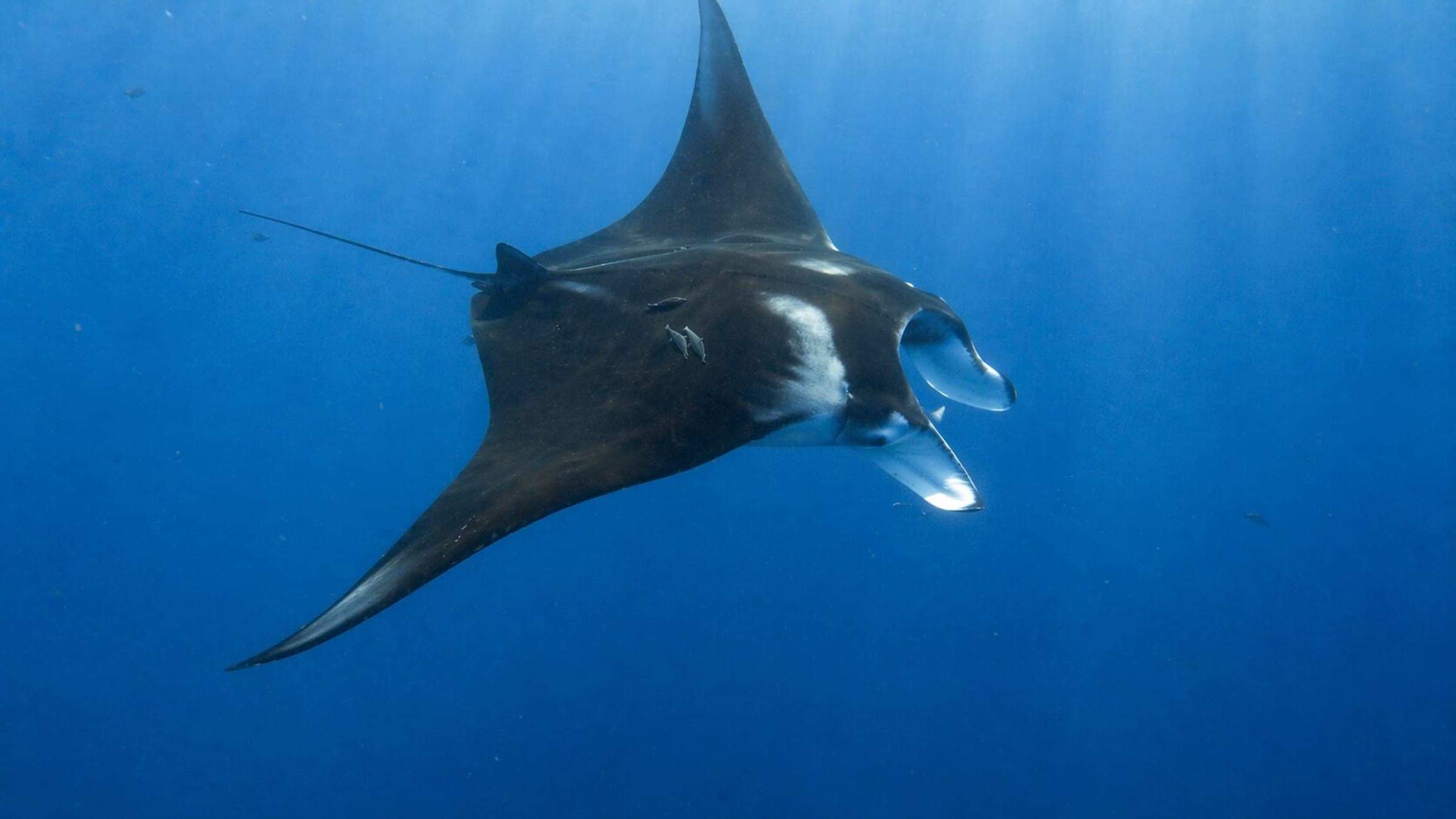
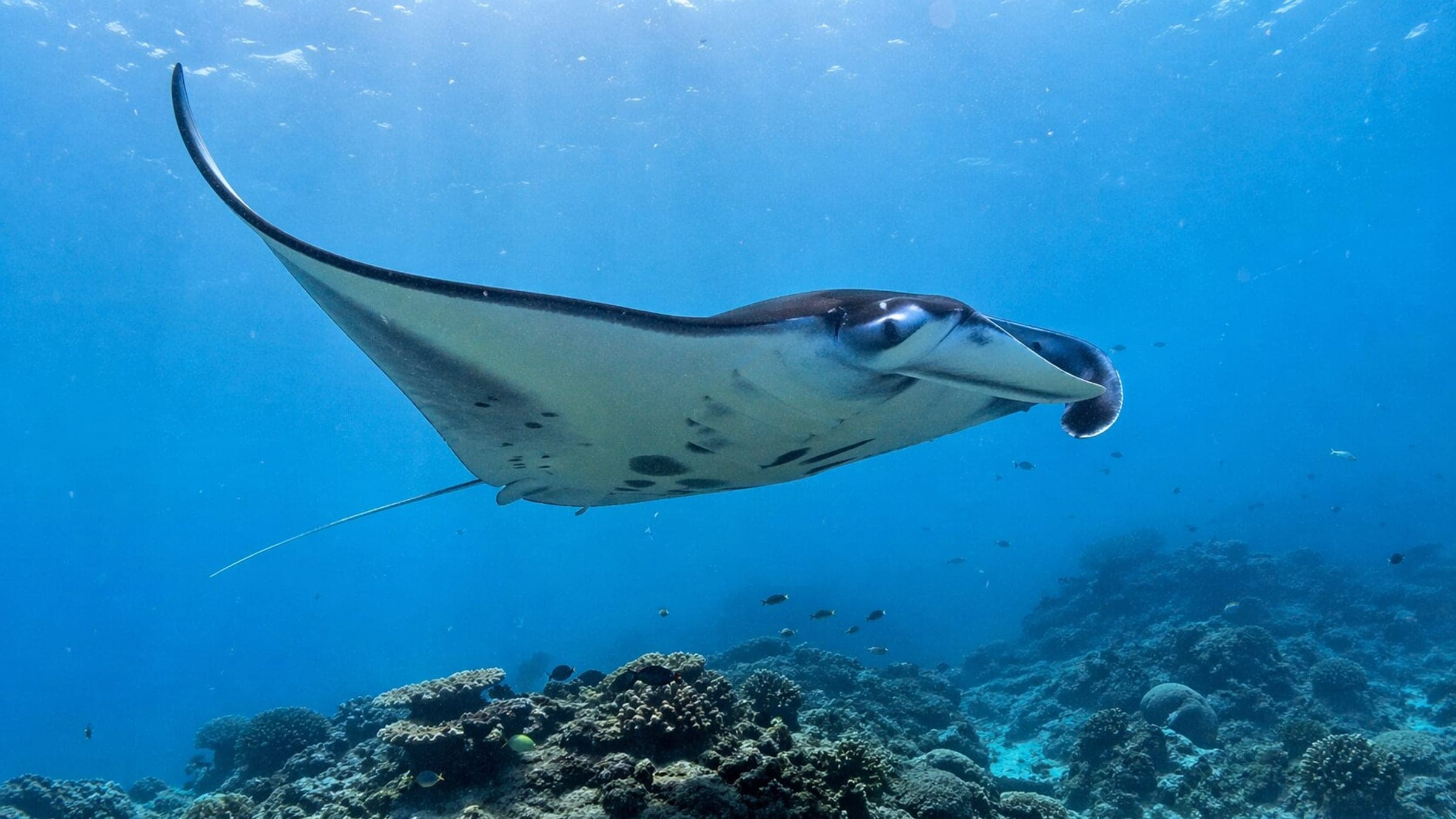
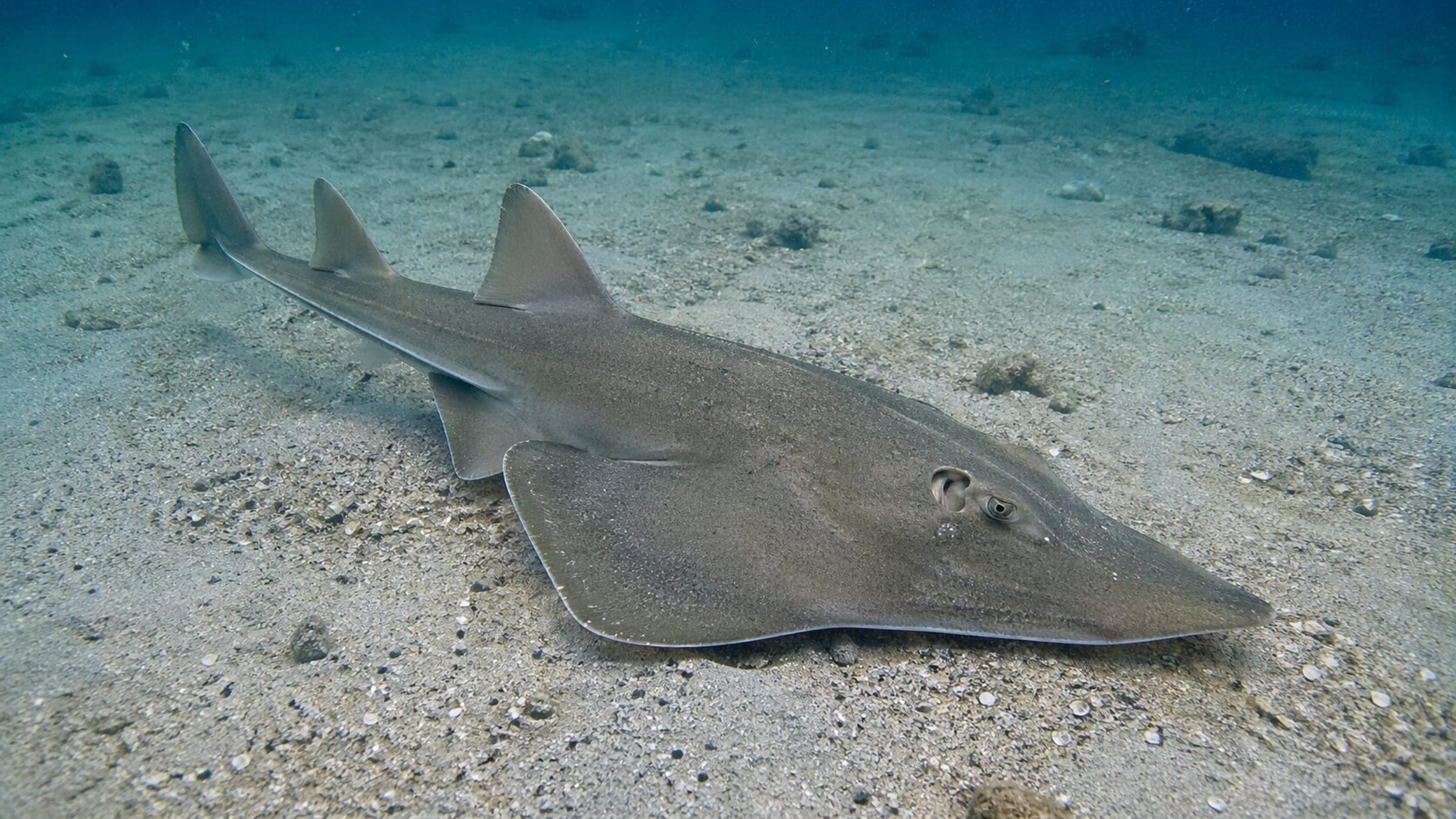
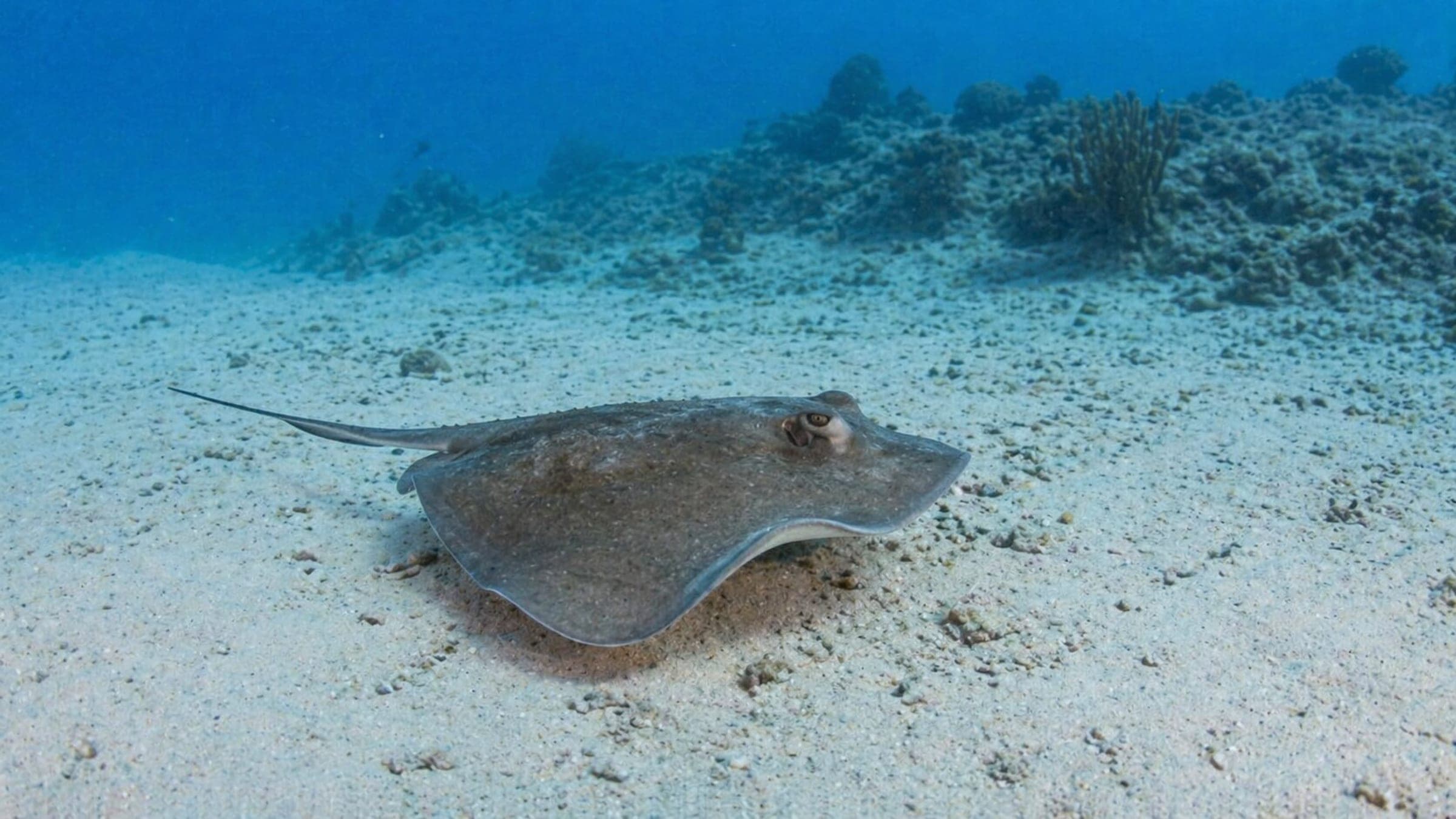
Cuerpo bien definido y romboidal en comparación con muchas otras rayas.
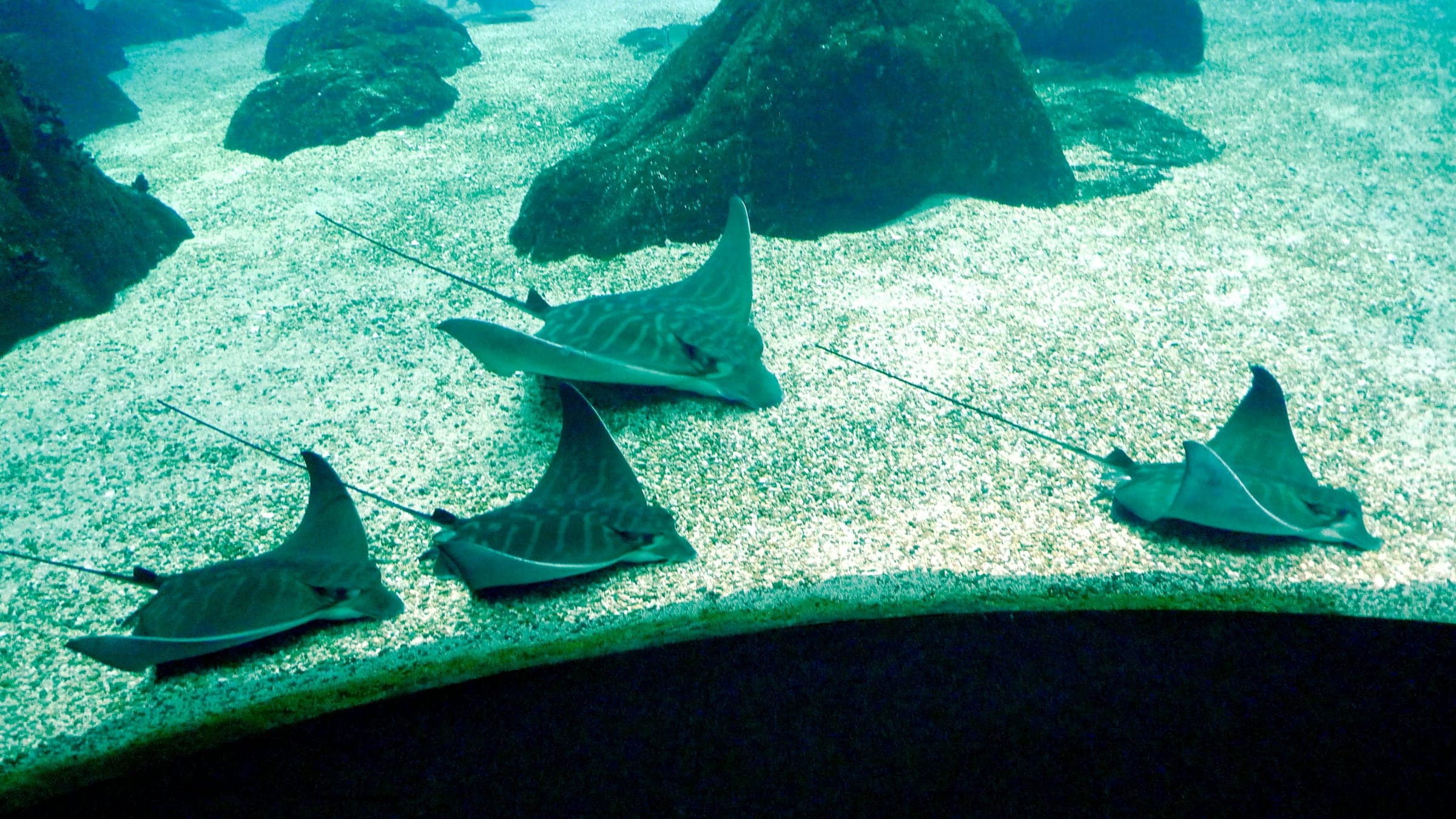
Las rayas águila son peces cartilaginosos grandes de aguas abiertas de la familia Myliobatidae, con cola larga y cuerpo romboidal.
Guía de especie
Una guía de campo clara centrada en hábitat, identificación, comportamiento y conservación sin enterrar lo útil.
Las rayas águila son un grupo de peces cartilaginosos de la familia Myliobatidae que habitan principalmente el océano abierto en lugar del fondo marino. Por lo general, tienen cuerpos bien definidos, romboidales y colas relativamente largas en comparación con otras rayas. Los tamaños van desde aproximadamente 0.48 a 5.1 m de longitud, con envergaduras reportadas de hasta unos 7 m. Las rayas águila son excelentes nadadoras y pueden saltar fuera del agua varios metros. Se alimentan de moluscos y crustáceos, y trituran las conchas con dientes aplanados. La reproducción es ovovivípara, y las hembras pueden dar a luz hasta seis crías a la vez.
Habitan principalmente el océano abierto en lugar del fondo marino; son nadadoras fuertes y pueden saltar fuera de la superficie varios metros.
Se alimentan de moluscos y crustáceos, y trituran sus conchas con dientes aplanados.
Las opciones de planificación vinculadas más fuertes aparecen ahora en destinos como Caye Caulker, San Pedro (Ambergris Caye), Belice, Bayahibe y Dominicus y países como Belice, Egipto, Maldivas para buceadores que planifican viajes alrededor de raya águilas.
Identificación
Los rasgos visuales que los buceadores pueden usar bajo el agua y las especies con las que más se confunde.
Cuerpo bien definido y romboidal en comparación con muchas otras rayas.
Actualizado el Mar 9, 2026 · 4 fuentes
Cola relativamente larga en comparación con otras rayas.
Van desde aproximadamente 0.48 a 5.1 m de longitud, con envergadura de hasta unos 7 m.
Excelentes nadadoras que pueden saltar fuera del agua varios metros.
Distribución y movimiento
La distribución amplia, el movimiento estacional o la migración que determinan dónde encuentran los buceadores esta especie.
Habitan principalmente el océano abierto en lugar del fondo marino; son nadadoras fuertes y pueden saltar fuera de la superficie varios metros.
Dieta
Contexto alimentario útil que a menudo explica hábitat, movimiento y estilo de encuentro.
Se alimentan de moluscos y crustáceos, y trituran sus conchas con dientes aplanados.
Encuentros responsables
Guía de conservación para buceadores que quieren el encuentro sin añadir presión.
Dale espacio a la raya águila, evita bloquear su trayectoria y sigue las reglas locales del sitio y del operador para las interacciones con rayas.
Notas de campo
Contexto útil de la especie que hace el encuentro más significativo bajo el agua.
Las rayas águila son ovovivíparas y pueden dar a luz hasta seis crías a la vez.
Pueden saltar fuera del agua hasta varios metros por encima de la superficie.
Los registros van desde aproximadamente 0.48 a 5.1 m de longitud, con envergaduras de hasta unos 7 m.
Destinos destacados
Destinos destacados a partir de los sitios de buceo vinculados con esta especie.
Países destacados
Los puntos de partida por país más sólidos vinculados actualmente a esta especie.
Sitios de buceo destacados
Sitios de buceo vinculados directamente donde esta especie ya aparece en los datos de planificación.
Miyaru Kandu es un canal de tiburones protegido con una fuerte deriva.
Buceo en cañones con acceso en barco frente a San Pedro Town.
Arrecife y cañón con acceso en barco para buceo frente a Ambergris Caye.
Arrecife de bommies apto para principiantes frente a Beau Vallon
Base de buceo en barco en Bayahibe para arrecifes, pecios y sitios del parque.
Bloody Bay Wall es una inmersión en pared de clase mundial frente a Little Cayman.
Preguntas frecuentes
Respuestas claras de planificación y conservación escritas para visibilidad en buscadores y recuperación por IA.
Fuentes de investigación
Referencias principales y fiables detrás de las afirmaciones de campo y conservación de esta página.
Primary wildlife guide source.
Supporting wildlife source.
Supporting wildlife source.
Supporting wildlife source.
Especies relacionadas
Guías de especies relacionadas dentro de la misma familia de encuentro.