Guía de especie
Qué saber sobre tiburón sierras
Una guía de campo clara centrada en hábitat, identificación, comportamiento y conservación sin enterrar lo útil.
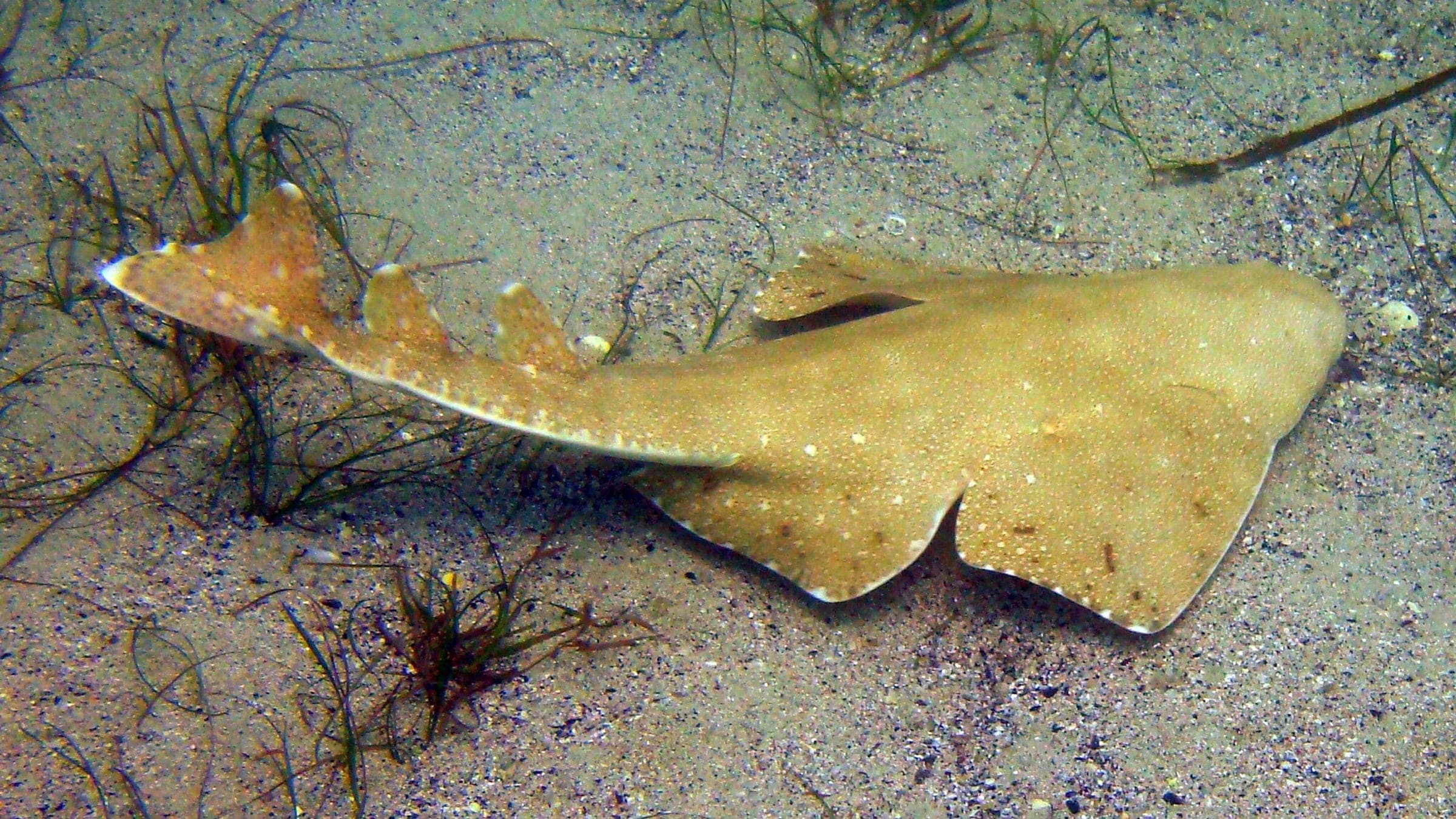
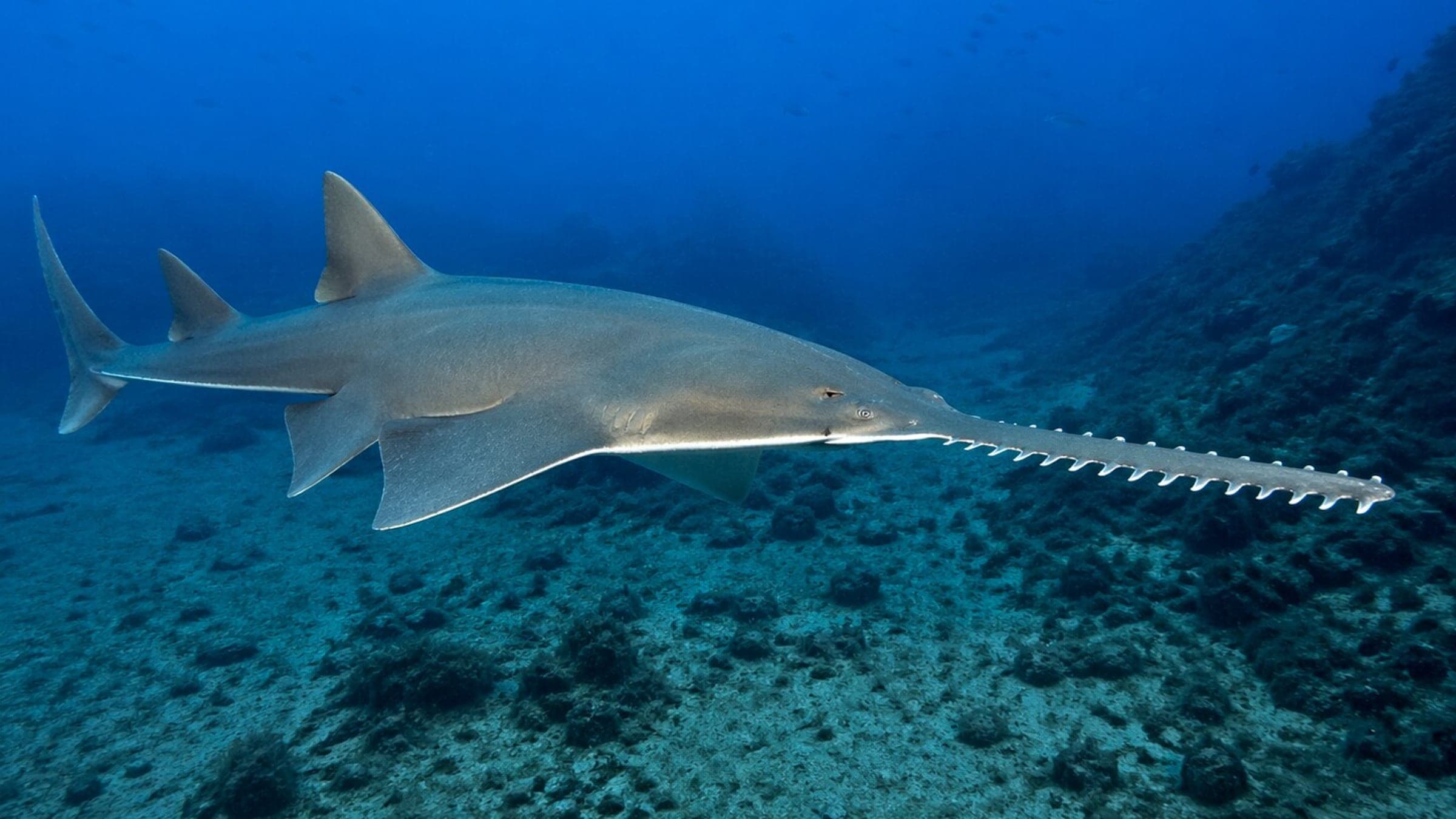
Los tiburones sierra (orden Pristiophoriformes) tienen un distintivo rostro largo, parecido a una sierra (hocico o pico), con dientes afilados a lo largo del borde. El rostro se usa para cortar y dejar indefensa a la presa. Hay diez especies reconocidas dentro del orden, entre ellas la de hocico largo (Pristiophorus cirratus), la de hocico corto (Pristiophorus nudipinnis), la japonesa (Pristiophorus japonicas), la de Bahamas (Pristiophorus schroederi), tres especies de seis branquias en Pliotrema y varias otras especies de Pristiophorus. Los tiburones sierra se encuentran en muchas zonas del mundo, con mayor frecuencia desde el océano Índico hasta el océano Pacífico sur. Por lo general se encuentran a profundidades de alrededor de 40–100 m, aunque algunas especies aparecen mucho más profundo en regiones tropicales. El tiburón sierra de Bahamas ha sido registrado entre 640 m y 915 m en el noroeste del Caribe.
Los tiburones sierra usan su rostro parecido a una sierra para cortar y dejar indefensa a la presa.
Las opciones de planificación vinculadas más fuertes aparecen ahora en destinos como Islas Derawan, Marseille, the Calanques and Côte Bleue, Murcia: Cabo de Palos e Islas Hormigas y países como France, España, United States of America para buceadores que planifican viajes alrededor de tiburón sierras.
Identificación
Cómo identificar tiburón sierras
Los rasgos visuales que los buceadores pueden usar bajo el agua y las especies con las que más se confunde.