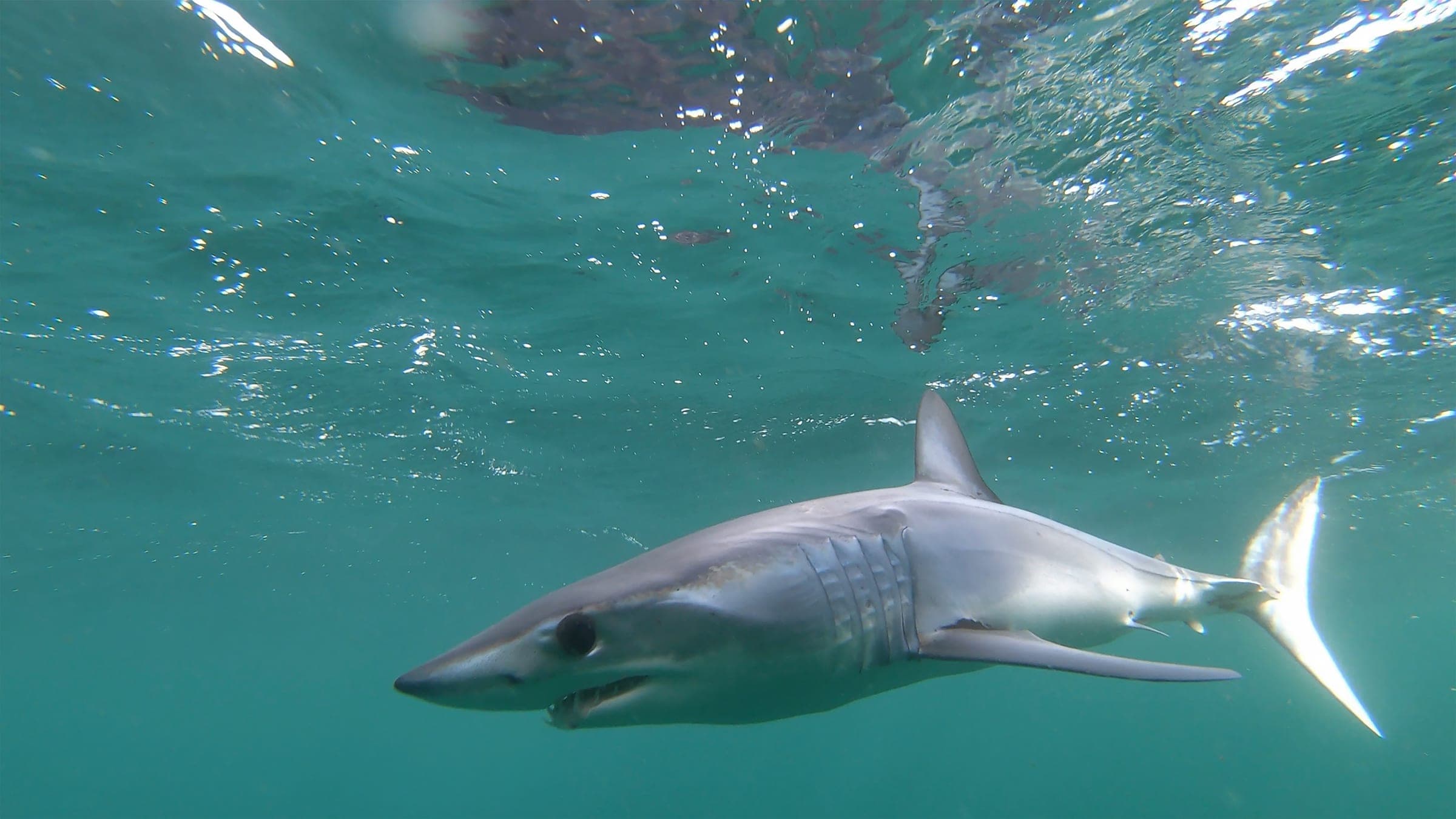
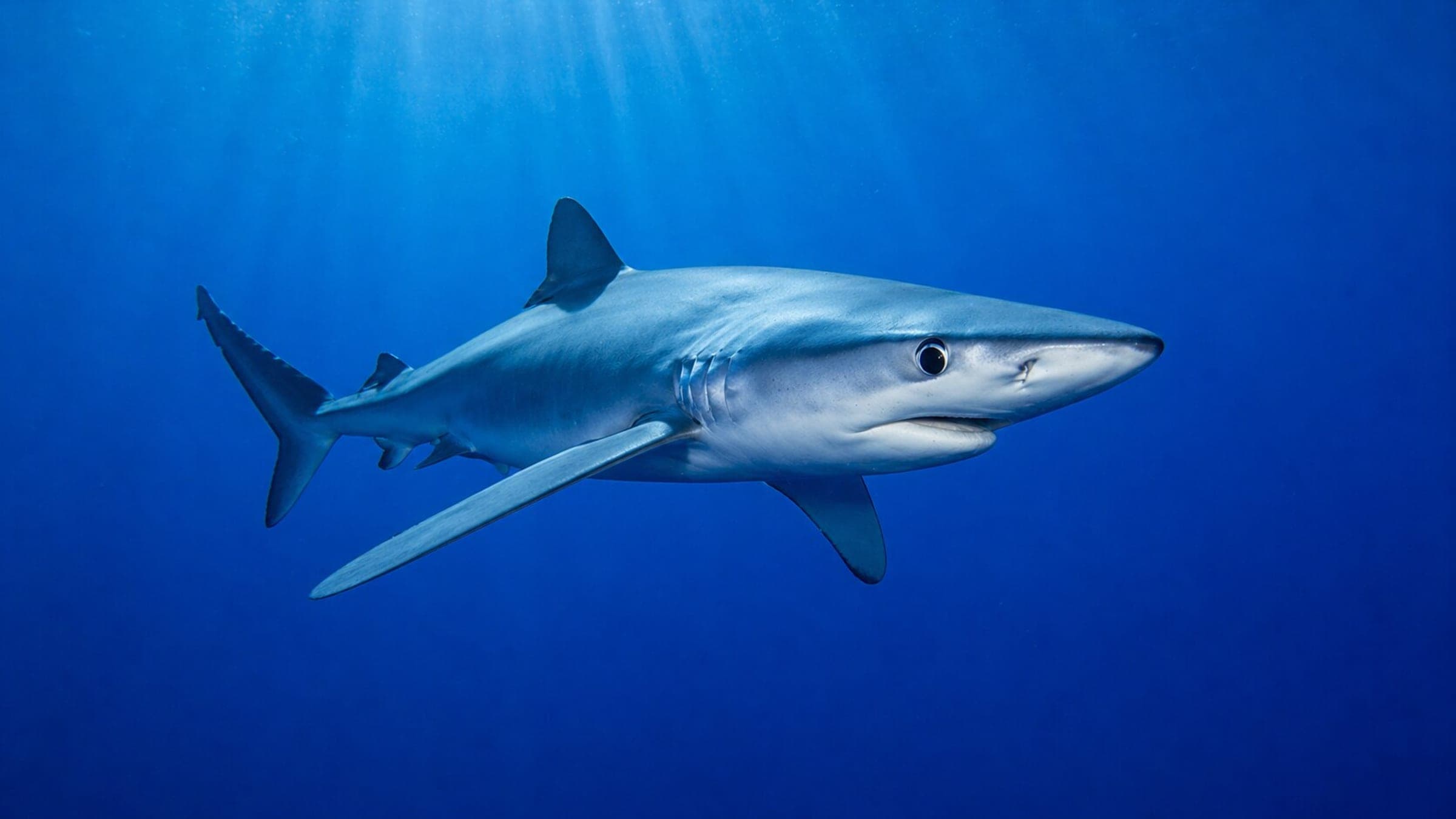
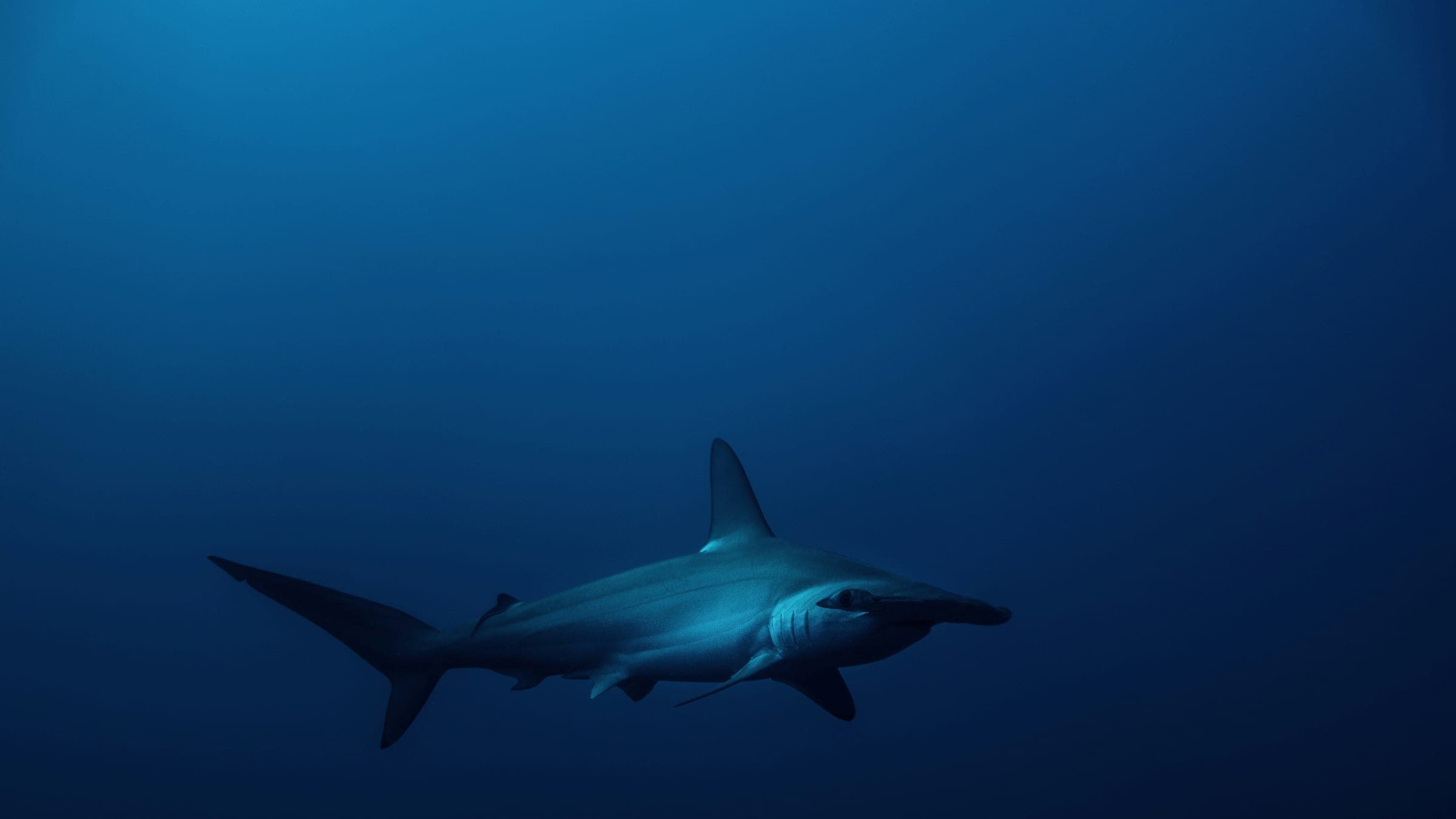
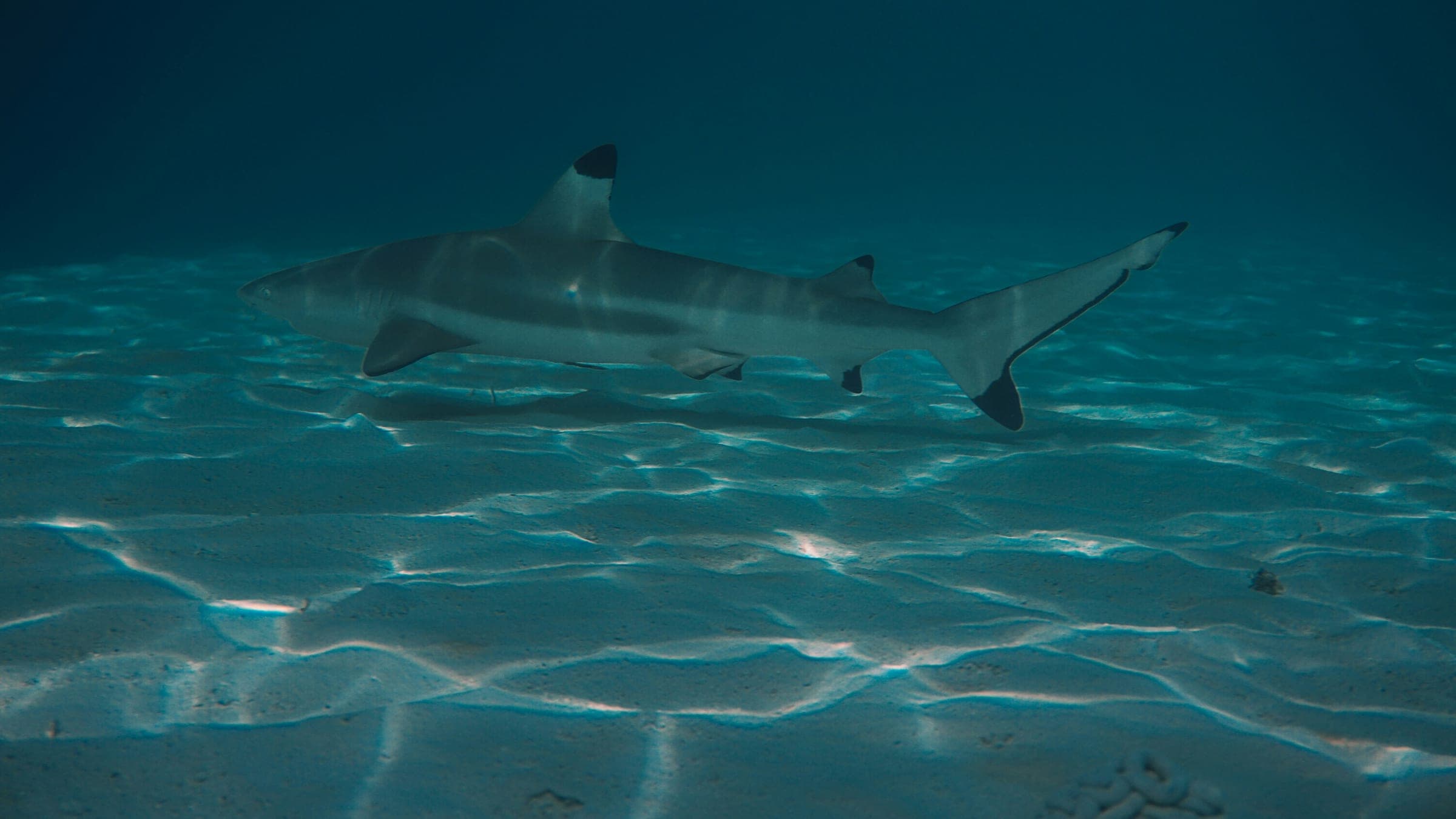
Tiburones de río (género Glyphis)
Los tiburones de río son verdaderos tiburones de agua dulce, a diferencia de los tiburones toro, que son eurihalinos; ambos pueden confundirse en entornos de agua dulce.
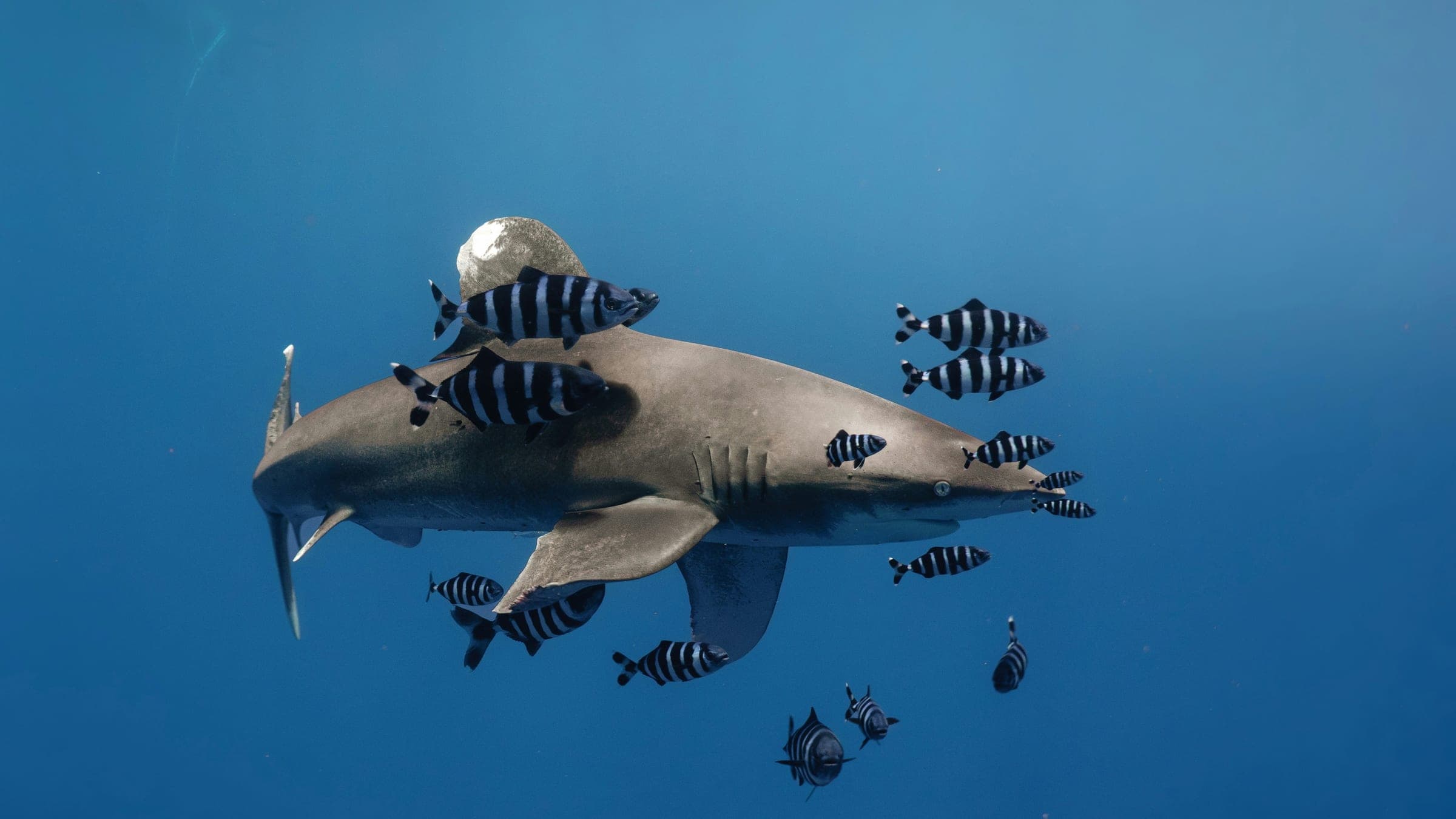
Carcharhinus leucas
El tiburón toro es un tiburón réquiem eurihalino que se encuentra en aguas cálidas y poco profundas de zonas costeras, estuarios y ríos de todo el mundo, y está catalogado como vulnerable.
Guía de especie
Una guía de campo clara centrada en hábitat, identificación, comportamiento y conservación sin enterrar lo útil.
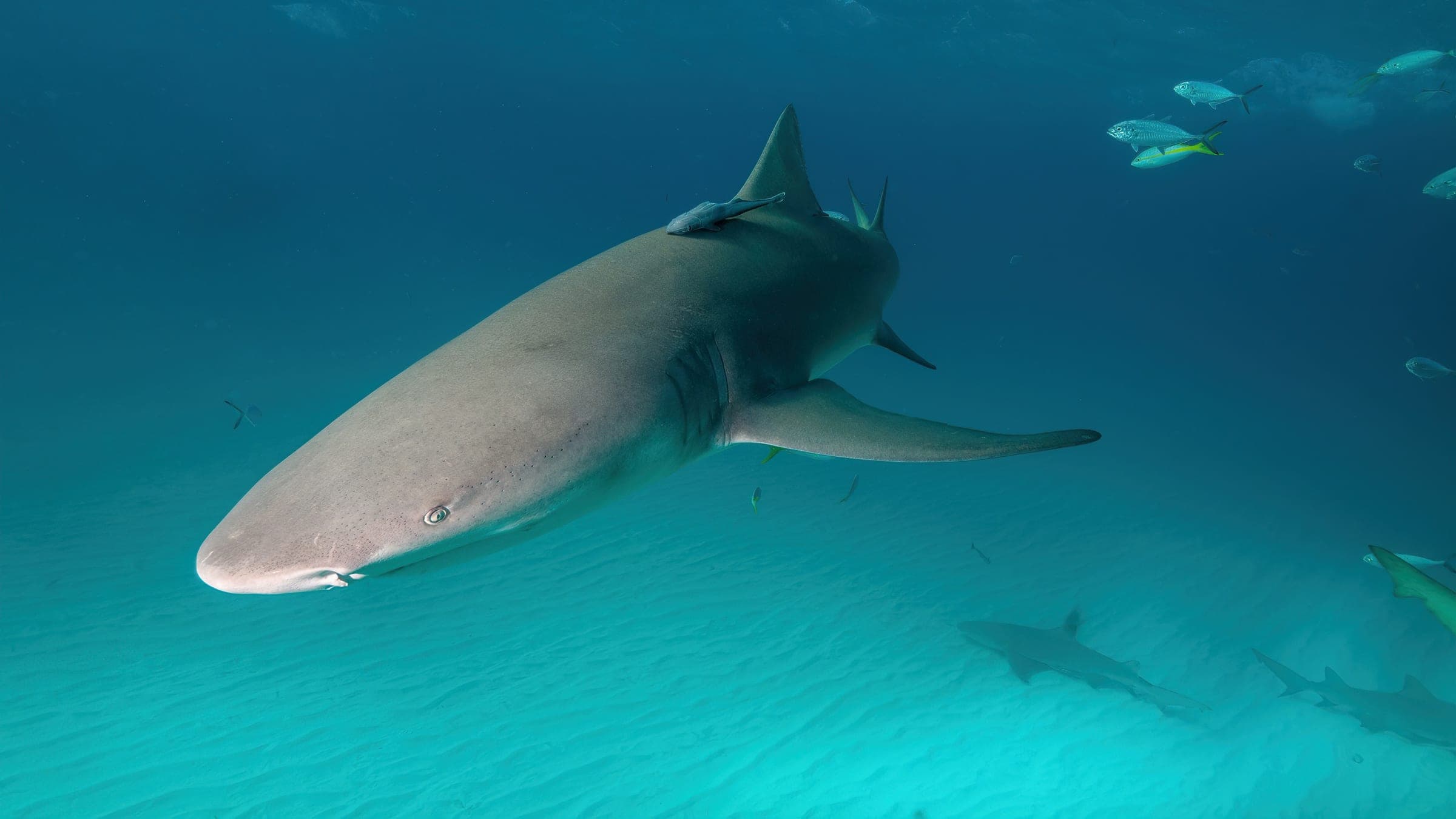
El tiburón toro (Carcharhinus leucas) es un tiburón réquiem que se encuentra comúnmente en todo el mundo en aguas cálidas y poco profundas a lo largo de las costas, en estuarios y en ríos. Es eurihalino y puede prosperar tanto en agua salada como en agua dulce, y se ha registrado a individuos que viajan muy río arriba — por ejemplo, hasta Alton, Illinois, a unos 1,100 kilómetros del océano. Los tiburones toro son conocidos por su naturaleza agresiva; los ejemplares más grandes son responsables de una gran parte de los ataques de tiburones en zonas cercanas a la costa y podrían explicar muchos ataques atribuidos a especies no identificadas. A diferencia de los tiburones de río del género Glyphis, los tiburones toro no son verdaderos tiburones de agua dulce, pese a su capacidad para sobrevivir en hábitats de agua dulce. Los tiburones toro están catalogados como vulnerables en la Lista Roja de la UICN. Los esfuerzos continuos por eliminar tiburones cerca de las playas para proteger a quienes las visitan se encuentran entre las causas que contribuyen a la continua disminución de la población. La especie también aparece en el billete de 2000 colones de Costa Rica.
Las poblaciones de tiburón toro siguen disminuyendo; entre las causas citadas se encuentran los esfuerzos continuos por eliminar tiburones cerca de las playas para proteger a quienes van a la playa.
Especie eurihalina que suele encontrarse en aguas cálidas y poco profundas de zonas costeras, estuarios y tramos bajos de ríos, y puede viajar muy río arriba desde el océano.
Las opciones de planificación vinculadas más fuertes aparecen ahora en destinos como Coral Coast, Viti Levu, Palm Beach, Florida, Playa del Carmen y países como México, United States of America, Costa Rica para buceadores que planifican viajes alrededor de tiburón toros.
Actualizado el Mar 9, 2026 · 4 fuentes
Identificación
Los rasgos visuales que los buceadores pueden usar bajo el agua y las especies con las que más se confunde.
Los tiburones de río son verdaderos tiburones de agua dulce, a diferencia de los tiburones toro, que son eurihalinos; ambos pueden confundirse en entornos de agua dulce.
Distribución y movimiento
La distribución amplia, el movimiento estacional o la migración que determinan dónde encuentran los buceadores esta especie.
Especie eurihalina que suele encontrarse en aguas cálidas y poco profundas de zonas costeras, estuarios y tramos bajos de ríos, y puede viajar muy río arriba desde el océano.
Conservación
Estado, presiones y protección con base en fuentes citadas, no en relleno.
Las poblaciones de tiburón toro siguen disminuyendo; entre las causas citadas se encuentran los esfuerzos continuos por eliminar tiburones cerca de las playas para proteger a quienes van a la playa.
Los esfuerzos continuos por eliminar tiburones destinados a proteger a quienes van a la playa han contribuido a la disminución de la población.
Encuentros responsables
Guía de conservación para buceadores que quieren el encuentro sin añadir presión.
Dale espacio al tiburón toro, evita bloquear su trayectoria y sigue las normas locales del sitio y del operador para las interacciones con tiburones.
Notas de campo
Contexto útil de la especie que hace el encuentro más significativo bajo el agua.
Los tiburones toro pueden prosperar tanto en agua salada como en agua dulce.
Se ha registrado que viajan por el río Mississippi hasta Alton, Illinois, a unos 1,100 kilómetros del océano.
El tiburón toro aparece en el billete de 2000 colones de Costa Rica.
También se lo conoce como tiburón Zambeze (de forma informal, 'zambi') en África y como tiburón del lago de Nicaragua en Nicaragua.
Destinos destacados
Destinos destacados a partir de los sitios de buceo vinculados con esta especie.
Países destacados
Los puntos de partida por país más sólidos vinculados actualmente a esta especie.
Sitios de buceo destacados
Sitios de buceo vinculados directamente donde esta especie ya aparece en los datos de planificación.

Pináculo en el golfo, solo en crucero de buceo, con coral y pelágicos.
Arrecife profundo en Ponta do Ouro con rocas y pelágicos.
Pináculo remoto de las Islas Bat con tiburones, rayas y cardúmenes.
Boahura Express es una pared empinada a la deriva en el arrecife exterior con corriente fuerte.
Bridge Span 1: inmersión en barco sobre estructura de puente cubierta de organismos marinos.
Arrecife periférico con raros tiburones toro
Preguntas frecuentes
Respuestas claras de planificación y conservación escritas para visibilidad en buscadores y recuperación por IA.
Fuentes de investigación
Referencias principales y fiables detrás de las afirmaciones de campo y conservación de esta página.
Primary wildlife guide source.
Supporting wildlife source.
Supporting wildlife source.
Supporting wildlife source.
Especies relacionadas
Guías de especies relacionadas dentro de la misma familia de encuentro.