Tamaño
Los adultos promedian unos 90 cm de longitud del caparazón; los ejemplares grandes pueden alcanzar alrededor de 200 kg.
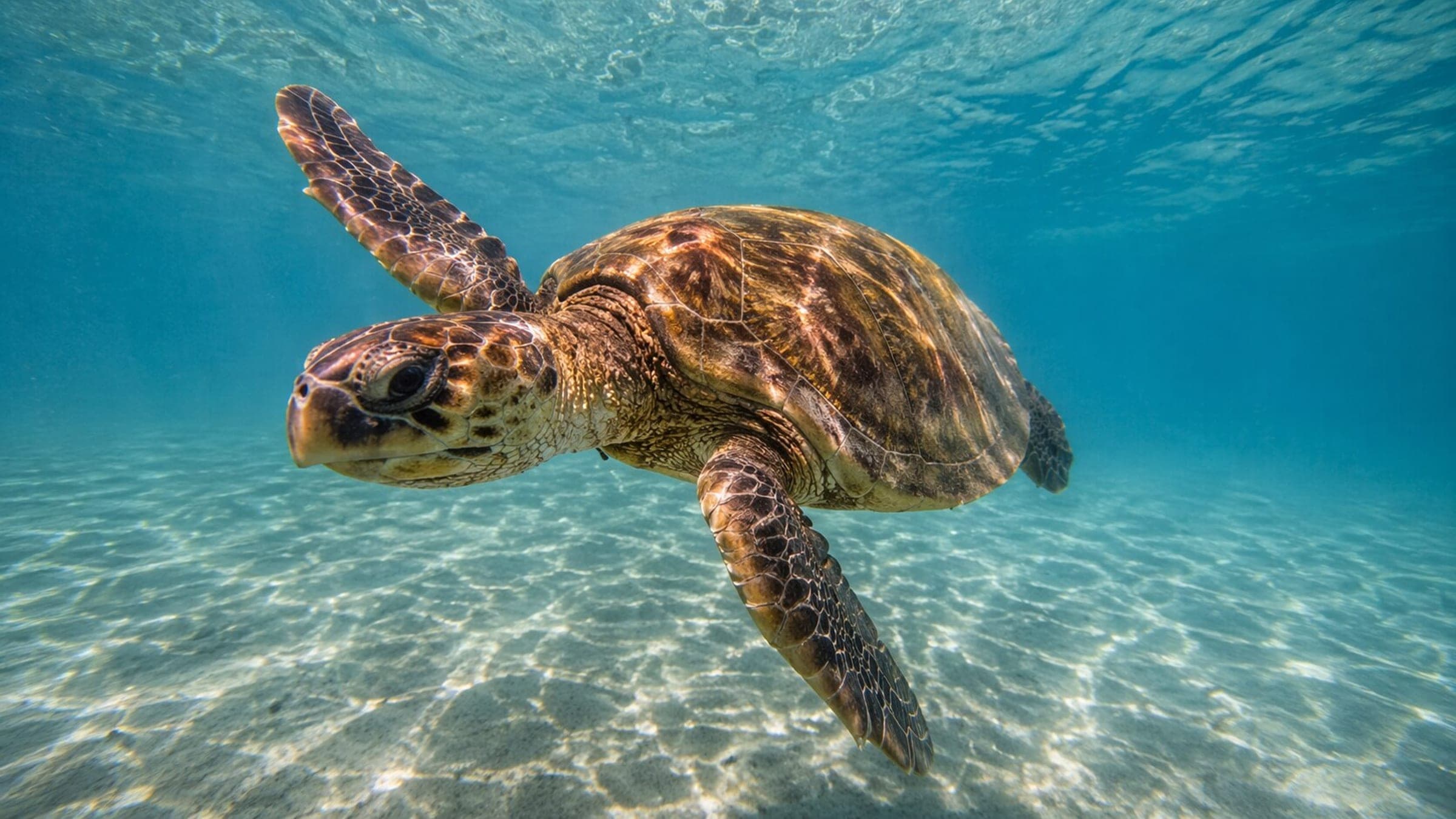
Caretta caretta
Una gran tortuga marina de color marrón rojizo, presente en todo el mundo, que se alimenta de invertebrados del fondo y enfrenta amenazas por la pérdida de hábitat y las artes de pesca.
Guía de especie
Una guía de campo clara centrada en hábitat, identificación, comportamiento y conservación sin enterrar lo útil.
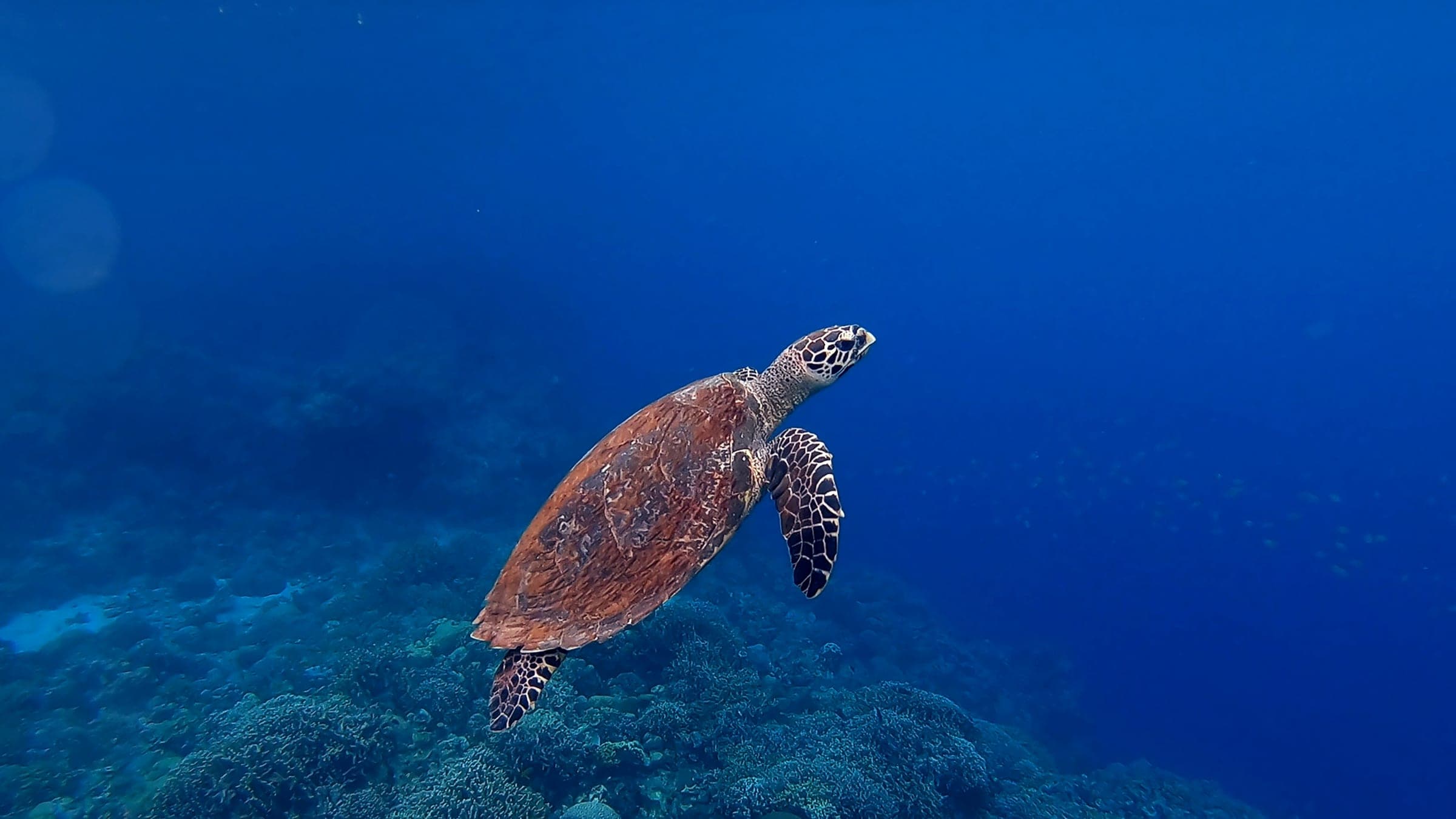
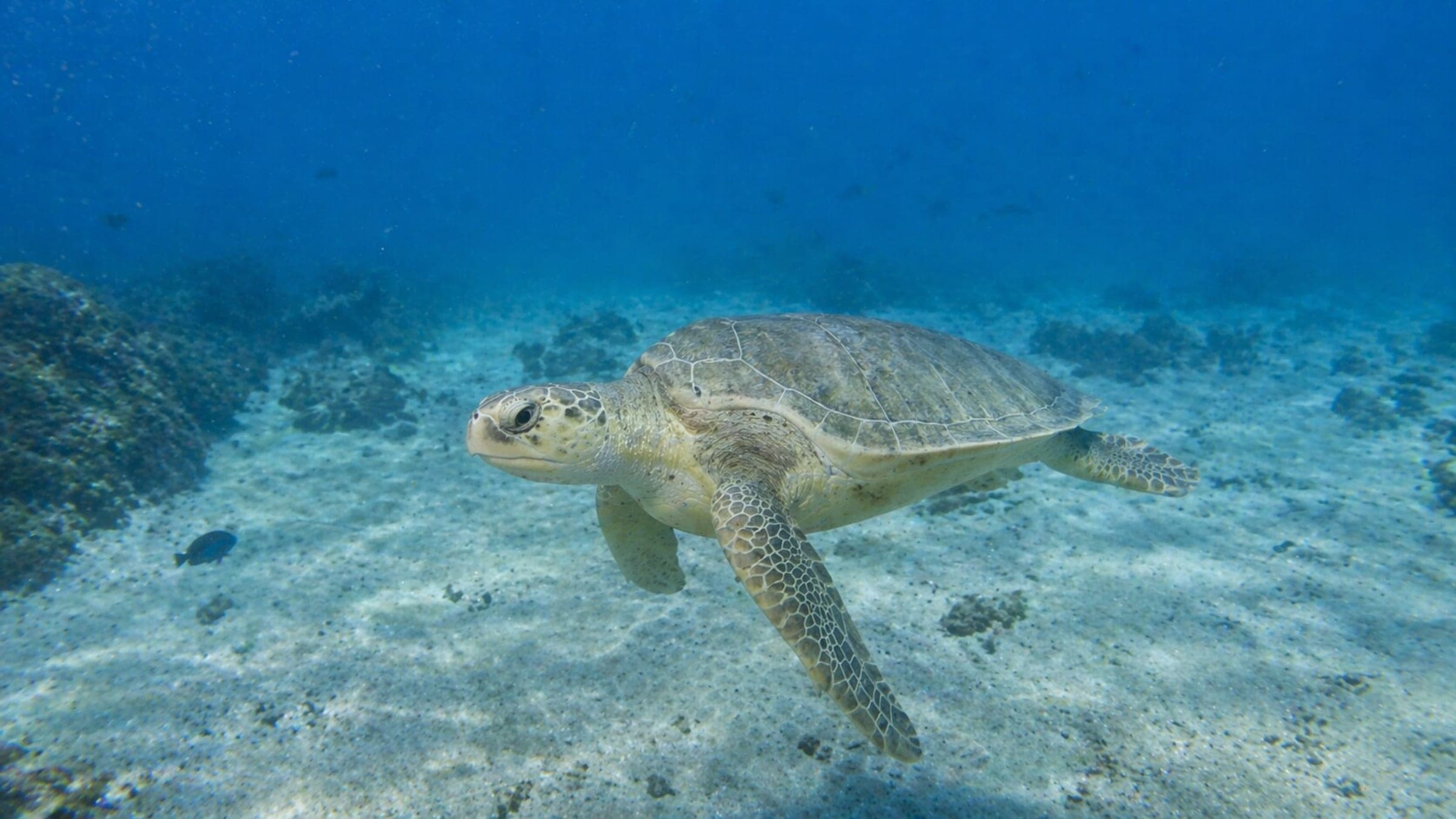
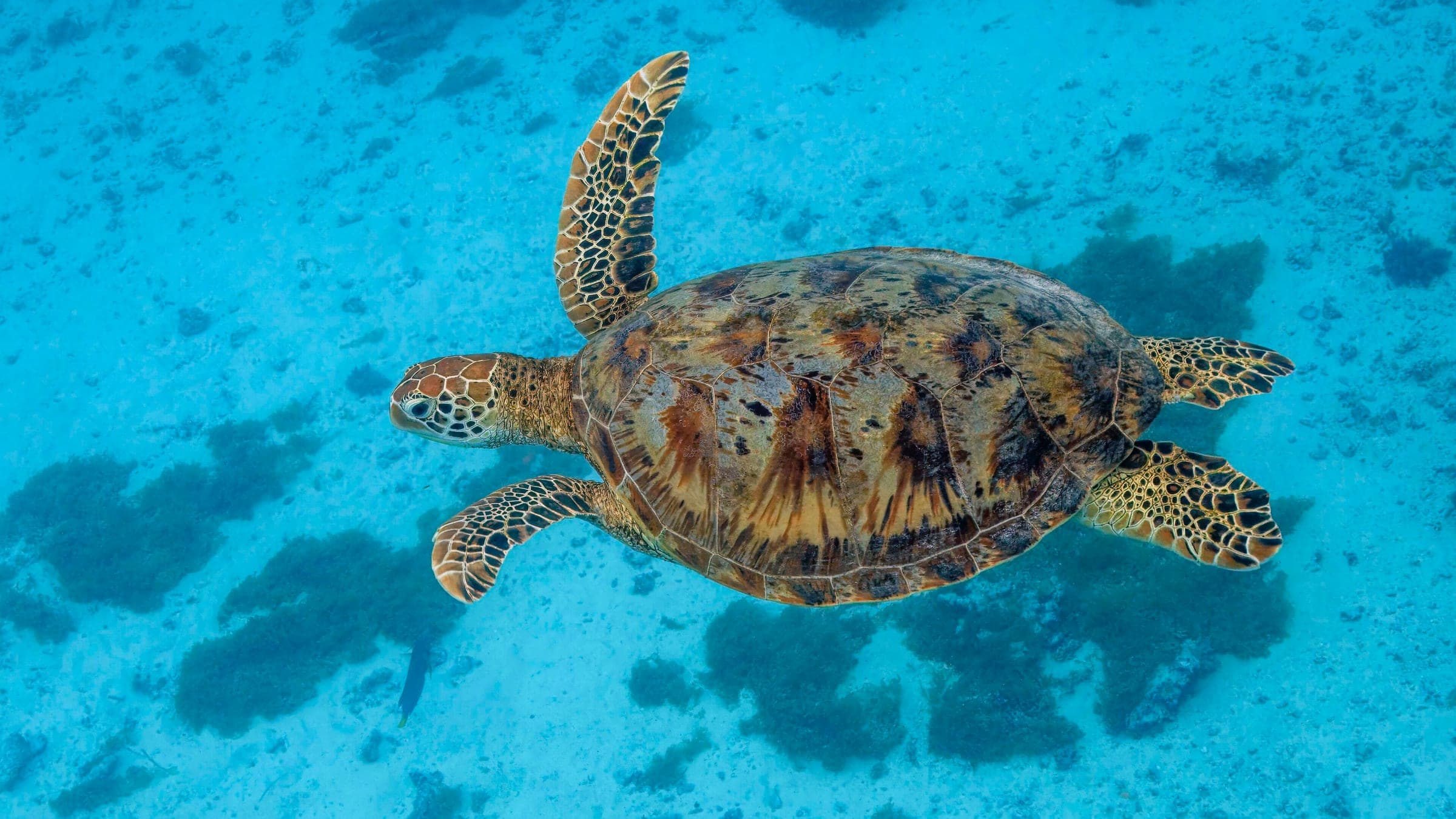
La tortuga marina caguama (Caretta caretta) es un reptil marino de la familia Cheloniidae que se encuentra en los océanos Atlántico, Pacífico e Índico, así como en el mar Mediterráneo. Los adultos promedian unos 90 cm de longitud del caparazón y alrededor de 135 kg de peso, y los ejemplares más grandes se acercan a los 200 kg. El color de la piel va del amarillo al marrón y el caparazón suele ser marrón rojizo. No se aprecian diferencias externas entre sexos hasta la adultez, cuando los machos desarrollan colas más gruesas y plastrones más cortos que las hembras. Las caguamas pasan la mayor parte de su vida en hábitats de agua salada y estuarinos; las hembras salen brevemente a tierra para poner huevos. Alcanzan la madurez sexual en aproximadamente 17–33 años y se ha informado que viven cerca de 47–67 años. Las caguamas son omnívoras y se alimentan principalmente de invertebrados del fondo, utilizando sus mandíbulas grandes y poderosas para romper a sus presas. Los huevos y las crías son vulnerables a numerosos depredadores, mientras que las tortugas adultas suelen ser presa sobre todo de animales marinos grandes, como los tiburones grandes.
Las caguamas se consideran Vulnerable. Las principales medidas de conservación incluyen protecciones legales, restricciones al comercio internacional, el uso de dispositivos excluidores de tortugas en las pesquerías de arrastre y esfuerzos para proteger y restaurar las playas de anidación; se requiere cooperación internacional debido a sus amplios desplazamientos.
Está ampliamente distribuida en los principales océanos y en el Mediterráneo; pasa la mayor parte de su vida en hábitats de agua salada y estuarinos y anida en las playas, con las hembras saliendo a tierra para poner huevos.
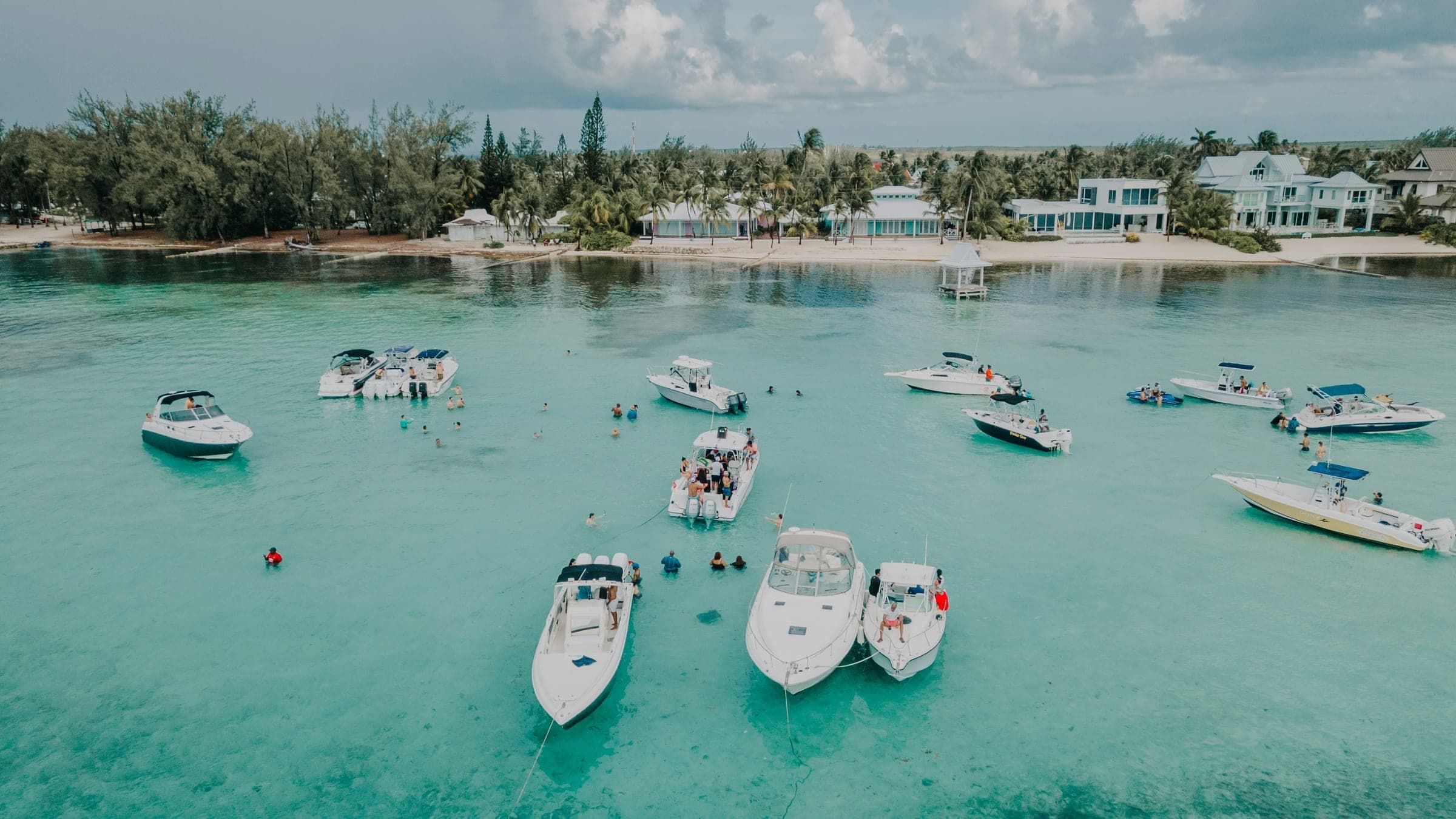
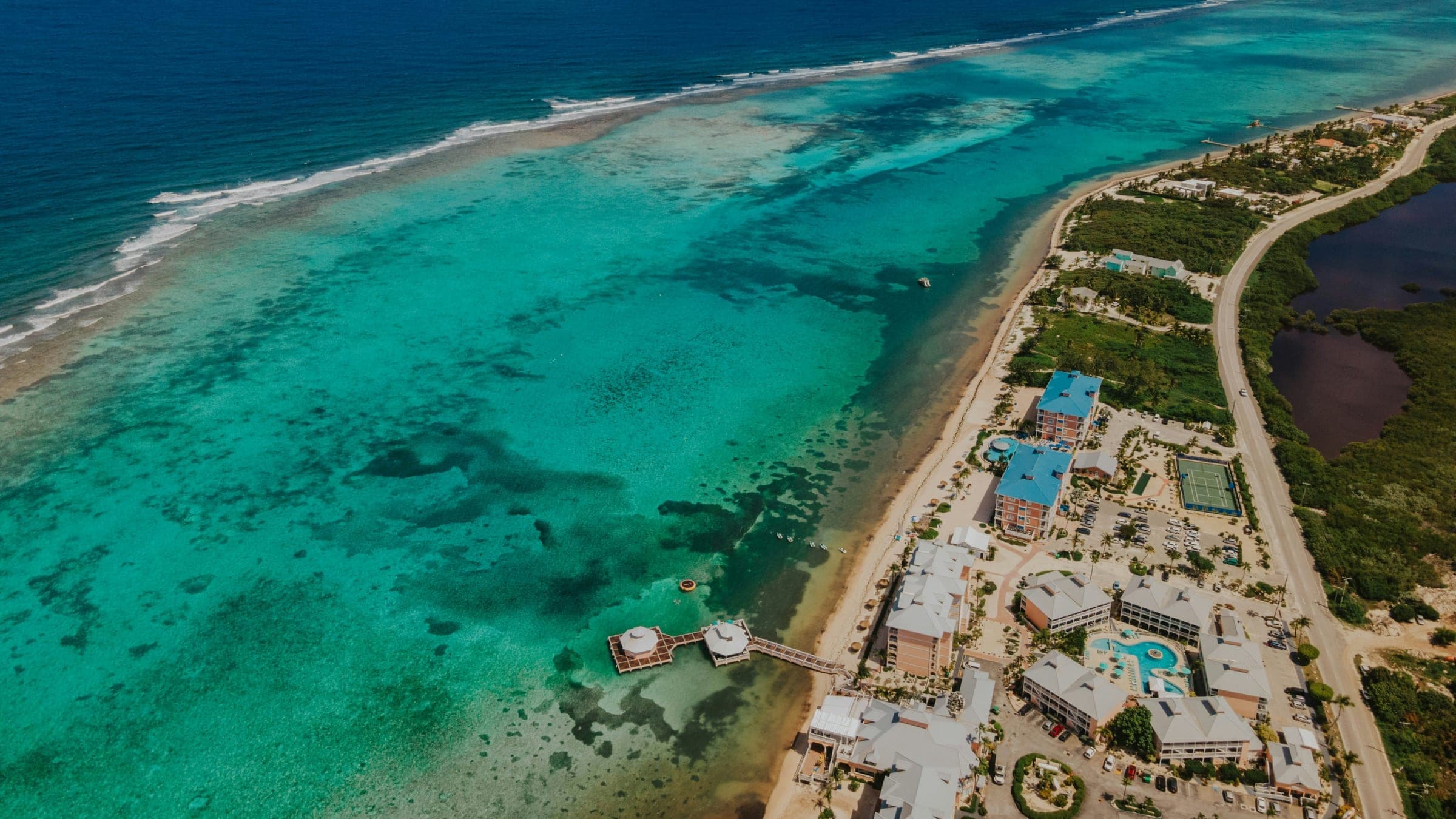
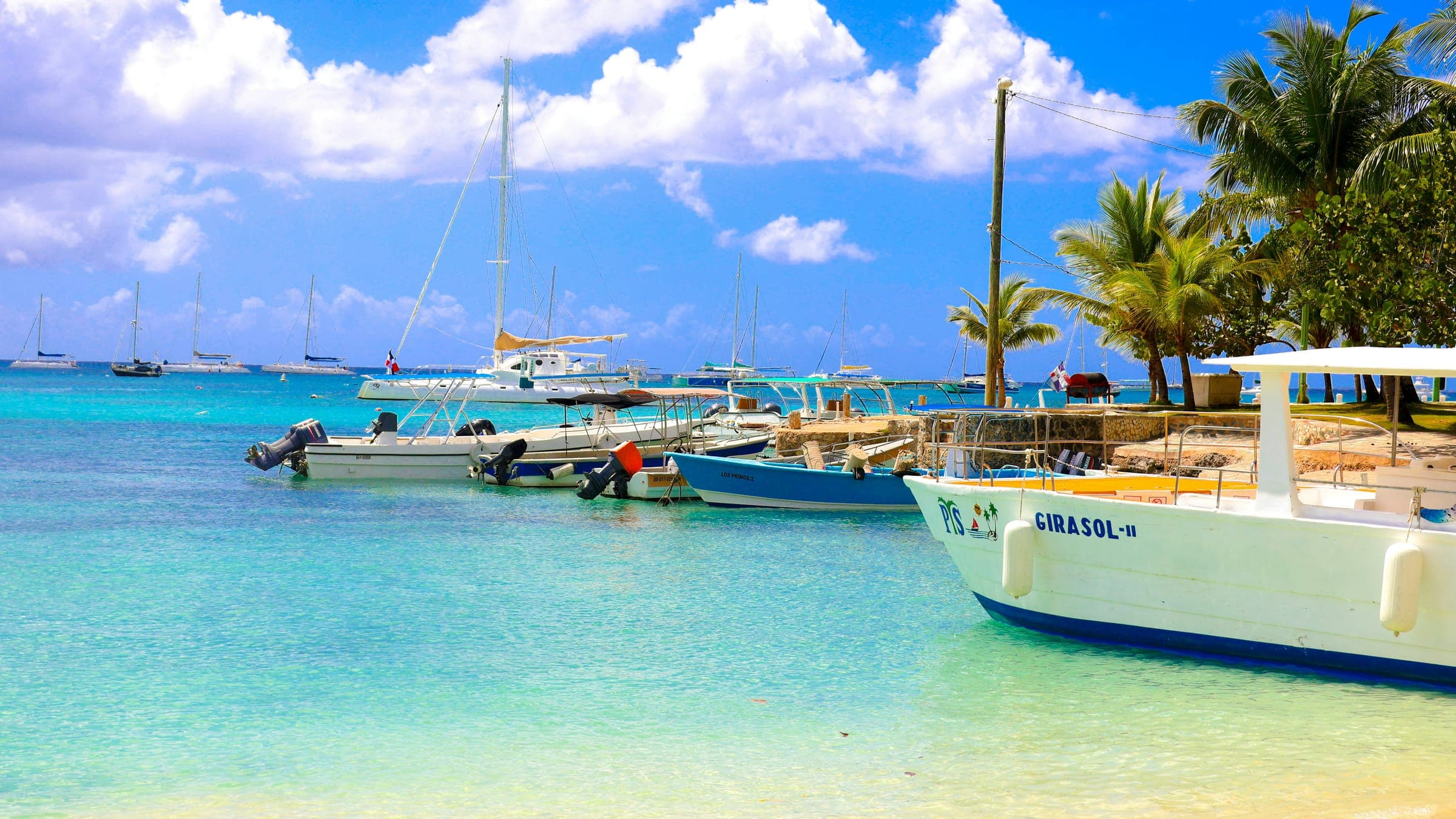
Las opciones de planificación vinculadas más fuertes aparecen ahora en destinos como Gran Caimán, Lady Elliot Island, Bayahibe y Dominicus y países como Grecia, Australia, United States of America para buceadores que planifican viajes alrededor de tortuga caguamas.
Actualizado el Mar 9, 2026 · 2 fuentes
Los datos clave de conservación que sostienen las afirmaciones citadas en esta guía.
Identificación
Los rasgos visuales que los buceadores pueden usar bajo el agua y las especies con las que más se confunde.
Los adultos promedian unos 90 cm de longitud del caparazón; los ejemplares grandes pueden alcanzar alrededor de 200 kg.
La piel va del amarillo al marrón y el caparazón suele ser marrón rojizo.
Los machos adultos tienen colas más gruesas y plastrones más cortos que las hembras.
Mandíbulas grandes y poderosas adaptadas para triturar y desarmar a las presas.
Distribución y movimiento
La distribución amplia, el movimiento estacional o la migración que determinan dónde encuentran los buceadores esta especie.
Está ampliamente distribuida en los principales océanos y en el Mediterráneo; pasa la mayor parte de su vida en hábitats de agua salada y estuarinos y anida en las playas, con las hembras saliendo a tierra para poner huevos.
Dieta
Contexto alimentario útil que a menudo explica hábitat, movimiento y estilo de encuentro.
Omnívora, se alimenta principalmente de invertebrados del fondo; usa mandíbulas grandes y poderosas para romper a sus presas.
Conservación
Estado, presiones y protección con base en fuentes citadas, no en relleno.
Las caguamas se consideran Vulnerable. Las principales medidas de conservación incluyen protecciones legales, restricciones al comercio internacional, el uso de dispositivos excluidores de tortugas en las pesquerías de arrastre y esfuerzos para proteger y restaurar las playas de anidación; se requiere cooperación internacional debido a sus amplios desplazamientos.
Las artes de pesca abandonadas o no vigiladas y la captura en redes de arrastre causan muchas muertes; las tortugas pueden asfixiarse o quedar atrapadas sin rutas de escape.
El desarrollo costero y la pérdida de playas de anidación adecuadas reducen los sitios disponibles para poner huevos y contribuyen al declive de las poblaciones.
La iluminación costera y las viviendas cercanas pueden desorientar a las crías y perturbar a las hembras anidadoras.
Los huevos y las crías son vulnerables a numerosos depredadores terrestres y marinos, incluidos depredadores exóticos introducidos en las playas de anidación.
El comercio internacional comercial de caguamas o de productos derivados está prohibido bajo el Apéndice I de CITES.
Nueve segmentos poblacionales distintos están protegidos bajo la ESA, con cuatro clasificados como amenazados y cinco como en peligro.
Los dispositivos excluidores de tortugas se han implementado en las pesquerías de arrastre para reducir la mortalidad al proporcionar rutas de escape.
Encuentros responsables
Guía de conservación para buceadores que quieren el encuentro sin añadir presión.
Dale espacio a la tortuga caguama, evita bloquear su trayectoria y sigue las normas locales del sitio y del operador para las interacciones con tortugas y otra fauna silvestre.
Notas de campo
Contexto útil de la especie que hace el encuentro más significativo bajo el agua.
Las caguamas alcanzan la madurez sexual entre los 17 y 33 años y pueden vivir aproximadamente 47–67 años.
Las hembras suelen poner un promedio de cuatro nidadas de huevos y luego permanecen inactivas durante dos a tres años.
Destinos destacados
Destinos destacados a partir de los sitios de buceo vinculados con esta especie.
Países destacados
Los puntos de partida por país más sólidos vinculados actualmente a esta especie.
Sitios de buceo destacados
Sitios de buceo vinculados directamente donde esta especie ya aparece en los datos de planificación.
Inmersión en pared con cañones de coral y acceso en barco, frente a Mahahual.
Arrecife exterior avanzado con paredes, corales blandos y vida marina pelágica.
Arrecife de Safaga con acceso en barco, corriente fuerte y peces grandes
Inmersión desde costa fácil con tortugas y formaciones rocosas.
Inmersión en pared en Mersin con corriente y caída abrupta.
Arrecife con acceso en barco en Sodwana Bay, con salientes de coral y peces de arrecife
Preguntas frecuentes
Respuestas claras de planificación y conservación escritas para visibilidad en buscadores y recuperación por IA.
Fuentes de investigación
Referencias principales y fiables detrás de las afirmaciones de campo y conservación de esta página.
Primary wildlife guide source.
Taxonomy reference.
Especies relacionadas
Guías de especies relacionadas dentro de la misma familia de encuentro.





![Nombre científico: Dermochelys coriacea Nombre común en español: Tinglar Foto por Claudia Lombard, USFWS Ubicación, Sandy Point National Wildlife Refuge, Islas Vírgenes de EE. UU. Más información: [1]](/_next/image?url=https%3A%2F%2Fscccpsqeuaphhrqmepmb.supabase.co%2Fstorage%2Fv1%2Fobject%2Fpublic%2Fimages-public%2Fclean%2Fcontent%2Fce079739-416f-4696-b477-a5113ebfaec1%2Fmaster.jpg&w=3840&q=75)