Como chegar e circular
- Gladstone Airport · 10 km taxi to Gladstone Marina, then transfer offshore
- Rockhampton Airport · 110 km drive to Gladstone Marina, then transfer offshore

Walk off the beach into a living reef, then surface to turtles, seabirds, and sky full of stars
Visão geral
Heron Island is a coral cay at the southern end of the Great Barrier Reef, reached from Gladstone by the Heron Islander catamaran or a scenic helicopter hop. What makes it special is access: you can snorkel and shore dive directly off the island, timed around the tide, and still have boat dives to bommies and channels within minutes. Expect shallow coral gardens, cleaning stations, and calm coves like Heron Island - Blue Pools. Wildlife is the headline act: turtles nest on the beaches from November to March, hatchlings run the gauntlet from January to April, and manta rays plus humpback whales are often seen in winter. On land, this is a seabird sanctuary with a University of Queensland research station, night sky stargazing, and a deliberately slow pace. There is no town and no mobile coverage, so plan like you are visiting a remote national park with resort comforts.
Great Barrier Reef Marine Park surrounds the island; fees like the Environmental Management Charge help fund management and protection.
Snorkel and shore dive straight from the island. The Marine Centre recommends timing shore snorkels around the tide, with many guests focusing on and the reef edge near the jetty.
Uma lista curta antes de abrir a página completa de planejamento.
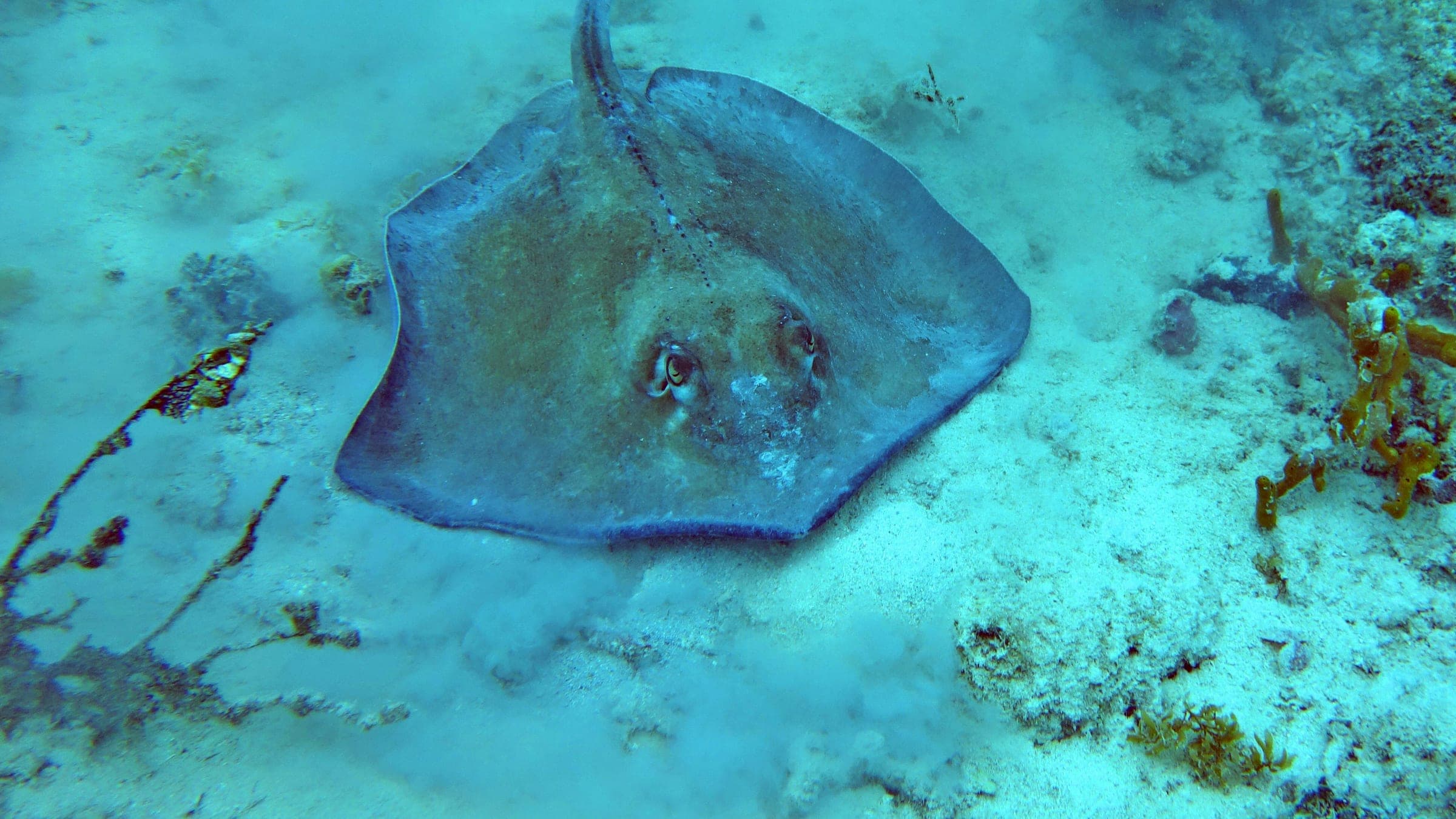
Principais especies ligadas a pontos de mergulho aprovados em Heron Island.
Many sites sit in the 10 m to 25 m range, so you can do relaxed photo-friendly dives without chasing deep profiles.
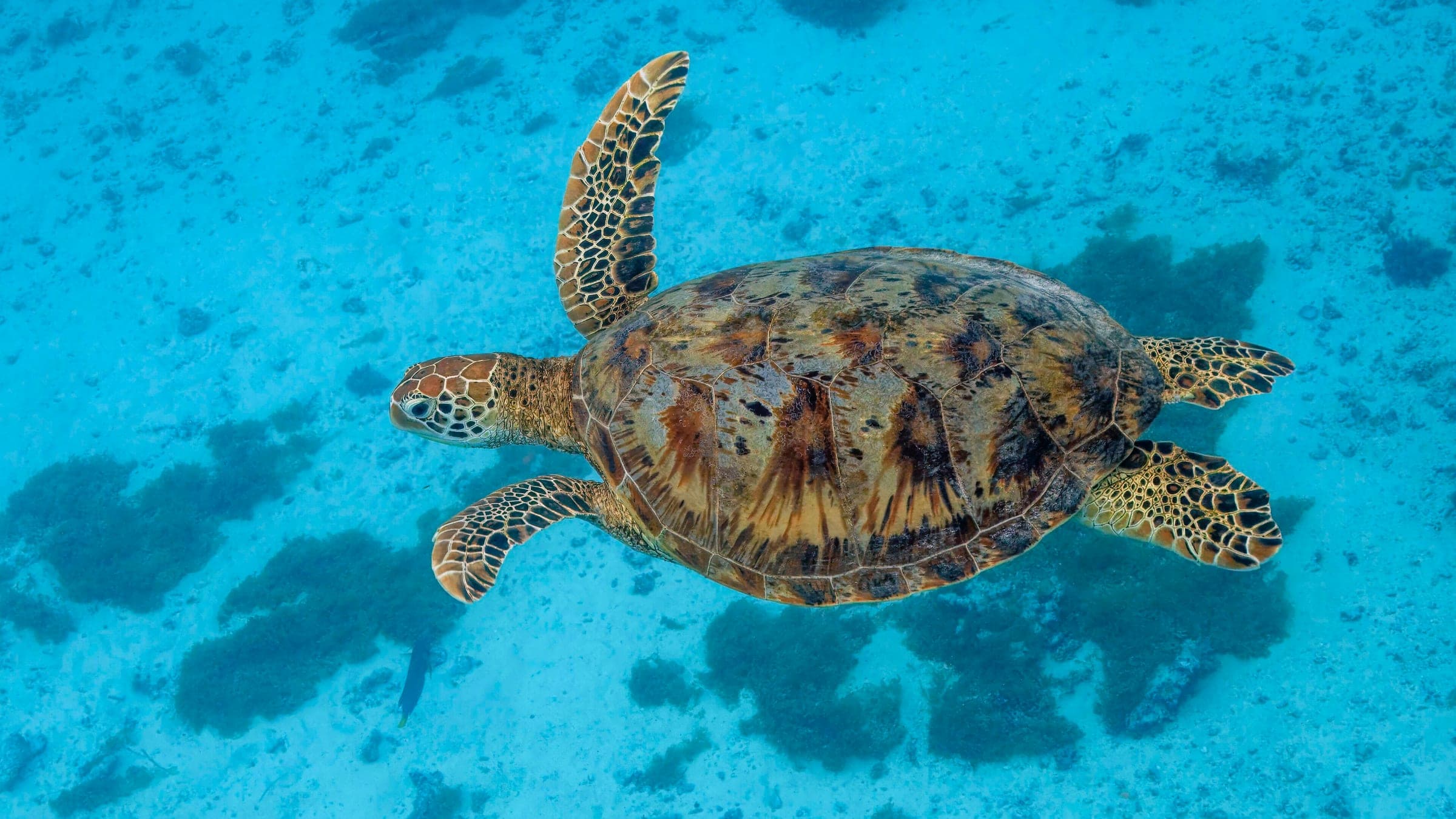
Egg laying is typically November to March, and hatchlings are usually seen January to April. Plan a topside evening for responsible viewing and keep lights low.
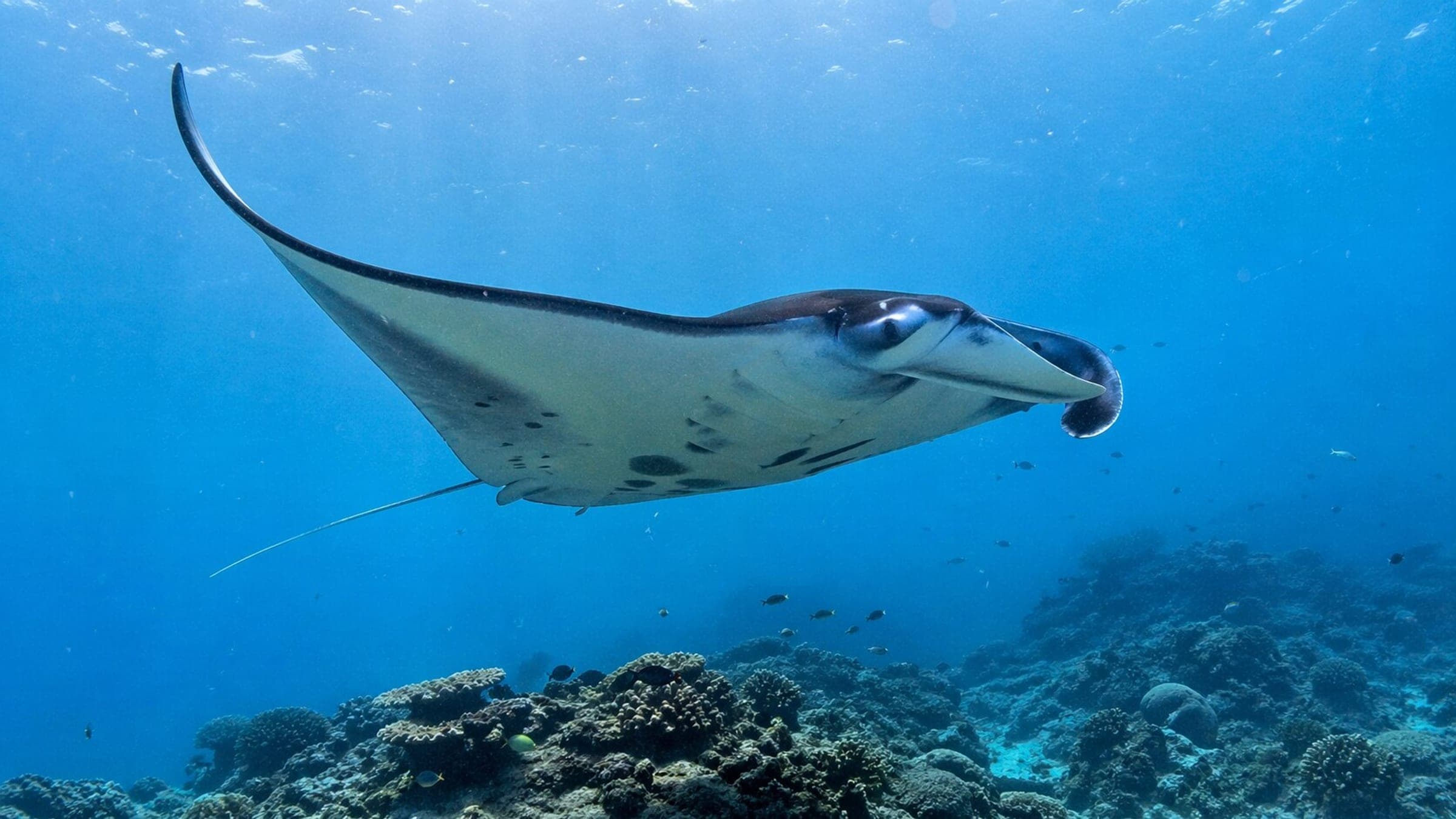
Mobula alfredi
1 pontos vinculados