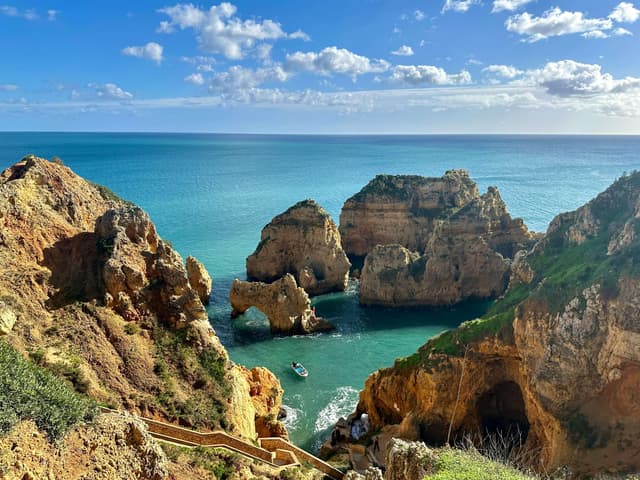
Algarve
Base a wreck-led visit around Portimao or a reef-led visit around Armacao de Pera and Albufeira. Zambeze and Oliveira e Carmo provide the best-known artificial-reef contrast to shallower natural sites such as Castelo de Neptuno.
O que fazer · Guia do país
Mainland coves, Madeira reserves, and Azores blue-water banks in one Atlantic country
Comece pela experiência e encontre o lugar certo. As condições e o acesso variam entre destinos.
Portugal is a high-variety Atlantic dive country. The mainland delivers rocky reefs, caves, and wreck days from Sesimbra, Peniche and Berlengas, and the warmer south coast around Algarve. Madeira is the consistency play: reserve sites, clear water, and excellent shore access from Madeira. The Azores are the ambition layer, with blue-water drop-offs and offshore-bank attempts from bases like Ponta Delgada (Sao Miguel), Pico, and Faial. Plan around swell and wind, pack for thermoclines, and treat offshore days as optional highlights rather than guaranteed dives.
Lugares para explorar
Base a wreck-led visit around Portimao or a reef-led visit around Armacao de Pera and Albufeira. Zambeze and Oliveira e Carmo provide the best-known artificial-reef contrast to shallower natural sites such as Castelo de Neptuno.
How to pick regions:
Season and conditions:
Practical tip: carry an SMB and assume plans will shift to sheltered sites when the Atlantic is up.
May - October (mainland + Madeira), July - September (Azores offshore focus)
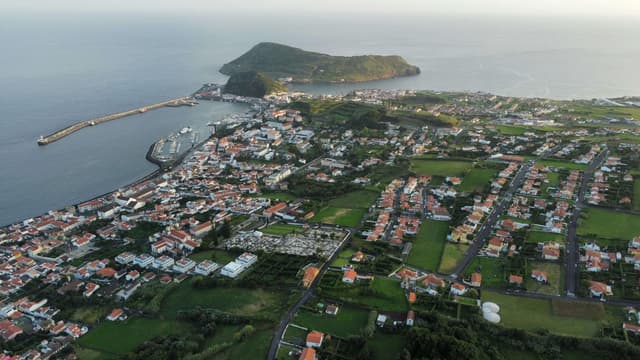
Faial gives you two very different dive days from one harbor: quick coastal dives around Monte da Guia and the south shore, and long-range expeditions to pelagic seamounts like Princesa Alice Bank. Horta Marina concentrates logistics, and local operators such as Dive Azores, Haliotis, and Norberto Diver make it easy to build a flexible plan that adapts to Atlantic weather.
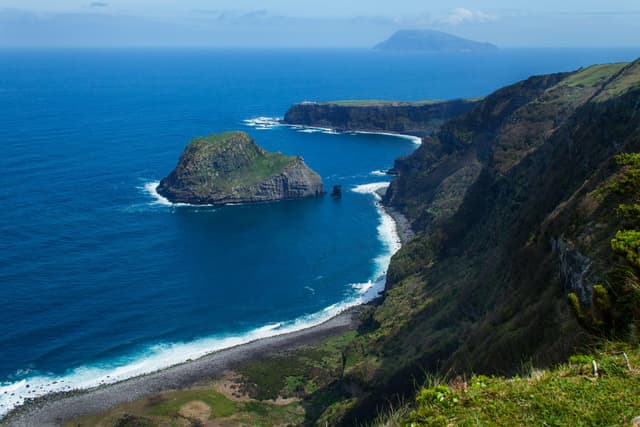
Flores delivers classic Azores boat diving: basalt walls, lava caves, and offshore reefs that can light up with schooling fish when conditions align. Most dives are short rides from Santa Cruz das Flores, with additional options along the north and south coasts when the sea state permits.
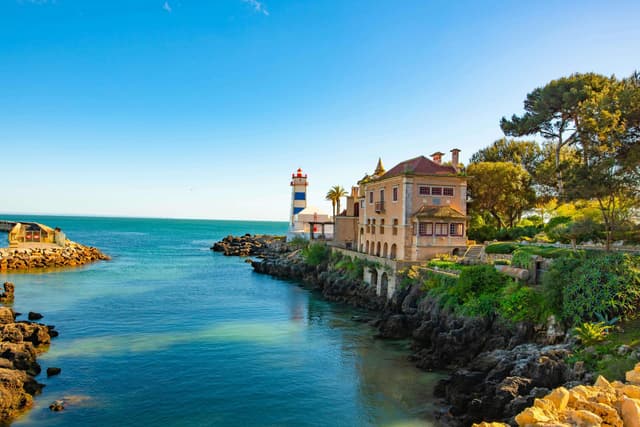
Cascais delivers real Atlantic diving within easy reach of Lisbon. Local operators such as Cascais Dive Center and Lisbon-area teams run short boat rides and shore sessions to sheltered bays (Pedra da Nau), shallow wreck remains (SS Hildebrand), and more exposed reefs like Cabo Raso.
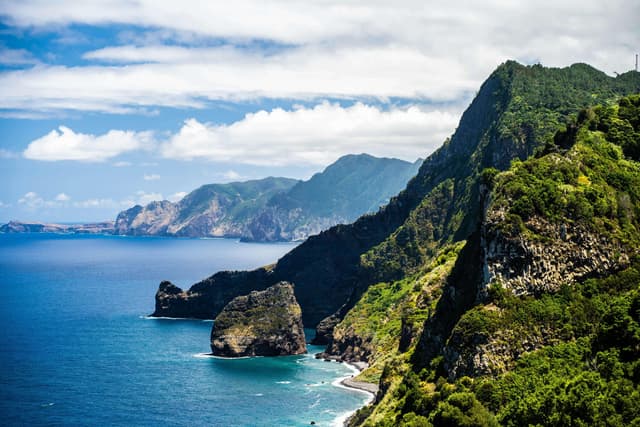
Madeira is an easy Atlantic base for divers who want marine-reserve fish life without complicated logistics. The Garajau Marine Reserve near Canico is the signature zone, with protected reef structure and famously approachable groupers.
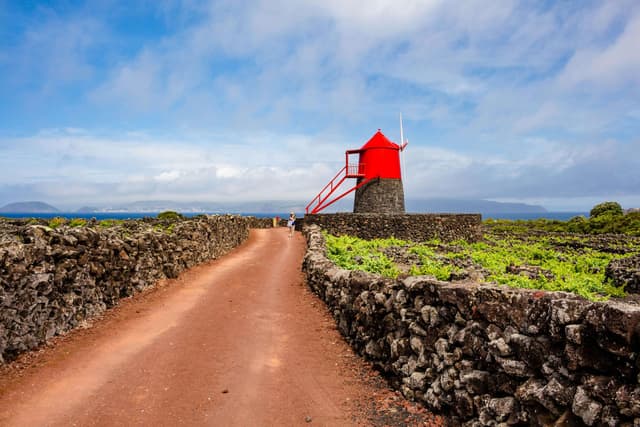
Pico blends easy volcanic shore dives with high-adrenaline pelagic expeditions. Short boat rides from Madalena reach the current-swept Pico-Faial channel reefs and photogenic lava arches like Cachorro and Arcos do Pocinho.
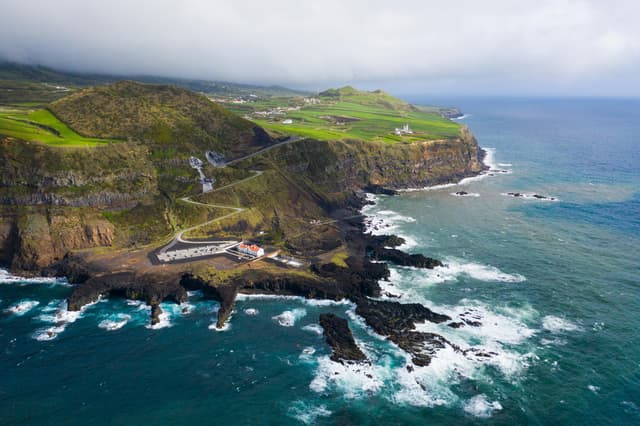
Ponta Delgada puts more than 30 coastal sites plus legendary offshore seamounts within day-trip range. You can warm up on the Dori wreck and lava arches near Caloura, then head out to Formigas or Banco Dollabarat for blue-water drifts with pelagics.
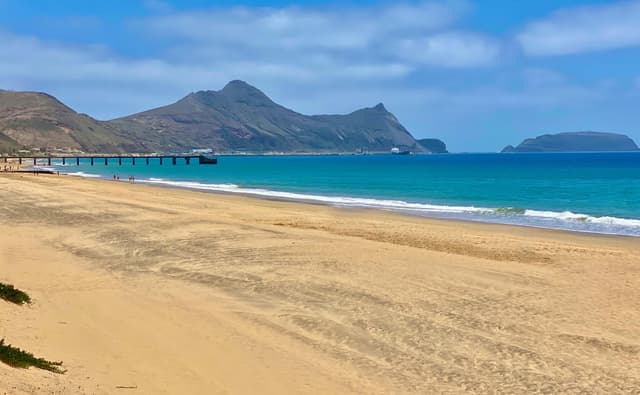
Porto Santo concentrates a surprising amount of diving into a small, easy-to-navigate island: two headline wrecks, volcanic reefs with strong Atlantic character, and short hops to the nearby islets. The Madeirense (Wreck) and Cordeca (Wreck) give you a clear wreck progression, while reefs and caves keep the week from feeling repetitive.
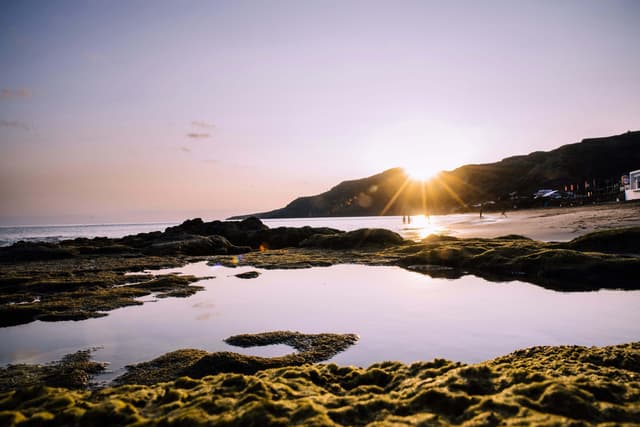
Santa Maria delivers two-tier Azores diving: quick inshore reefs and caves near Vila do Porto, plus offshore reserve days to Formigas and Banco Dollabarat when the Atlantic cooperates. Official Azores guidance notes sea temperatures typically average 16°C to 22°C, peaking around 24°C to 25°C, and late-summer visibility can exceed 30 m.
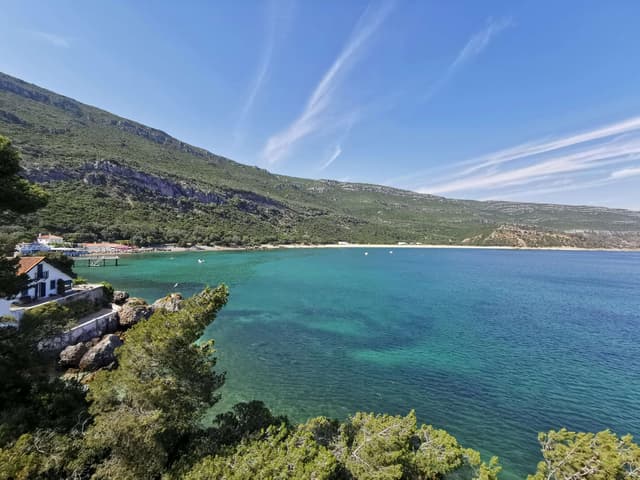
Sesimbra is Lisbon's closest serious dive base: a sheltered working harbor, quick boat rides, and access to the Professor Luiz Saldanha Marine Park along the Arrabida-Espichel coast.
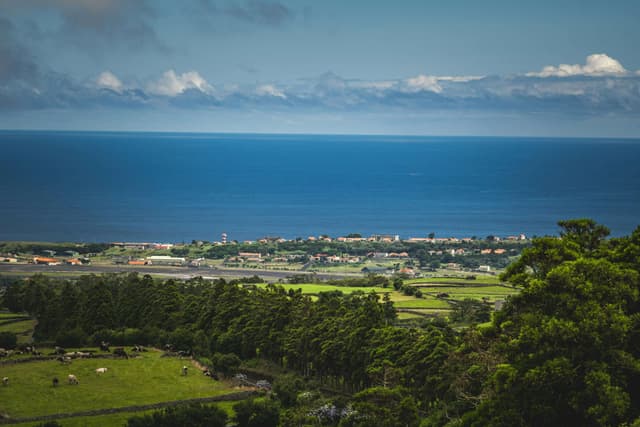
Terceira is where the Azores' volcanic geology meets a rare dose of underwater history. Beginner-friendly dives like Santa Catarina sit in a sheltered bay at 12 m to 18 m, while Angra do Heroismo's Underwater Archaeological Park delivers anchors and the shallow Lidador wreck.
Peniche is one of mainland Portugal's most practical scuba bases: local operators run day boats to the Berlengas Nature Reserve for walls, caves, and a dense cluster of wreck dives. Expect temperate Atlantic life (octopus, conger eels, lobsters, schooling fish) plus rugged granite structure and photogenic fort backdrops.
Portugal is Atlantic diving, so conditions change fast.
Across all regions, thermoclines are common. Dress for the colder end and stay conservative on repetitive days.