Algunos lugares para empezar. Explora la guía completa para comparar todas las regiones y los sitios de buceo.
Recibe nuevos destinos, mejoras de perfiles y lanzamientos del mapa de buceo.
Sin spam. Solo actualizaciones útiles cuando haya novedades.

Guía de país
Bay Islands walls, warm water, and one of the Caribbean's most practical mixed-group reef trips
Actualizado 27 mar 2026 • 21 fuentes
Resumen
Honduras works best when you think in regions, not as one uniform dive destination. Roatan gives the broadest hotel, family, and reef menu. Utila leans budget, training-heavy, and whale shark curious. Guanaja is quieter, more boat-based, and more retreat-like. Add Cayos Cochinos and the La Ceiba coast for protected-island day trips, Garifuna culture, and mainland nature.
Underwater, the national headline is easy: warm Caribbean water around 26°C to 30°C, visibility often around 12 m to 30 m, and access to the Mesoamerican Reef without the travel friction of more remote archipelagos. The catch is that Honduras rewards flexible planning. Winter northers can rough up exposed north-facing sites, and late summer into fall demands more weather awareness. Travelers who accept that tradeoff get serious value, strong training infrastructure, and unusually good non-diver options for a reef trip.
Most trips see water around 26°C to 30°C and visibility around 12 m to 30 m, with walls, shallow reefs, training sites, and snorkel-friendly lagoons in the same country.
West Bay beaches, mangroves, Garifuna culture, river adventures near La Ceiba, and quieter island stays mean non-divers rarely feel parked while everyone else boats off.
Protected-area fees, moorings, whale shark encounter guidelines, and reef-use rules are visible parts of trip planning, not hidden fine print.
Whale shark hotspot · Training to advanced
Mejor ventana general: March - August
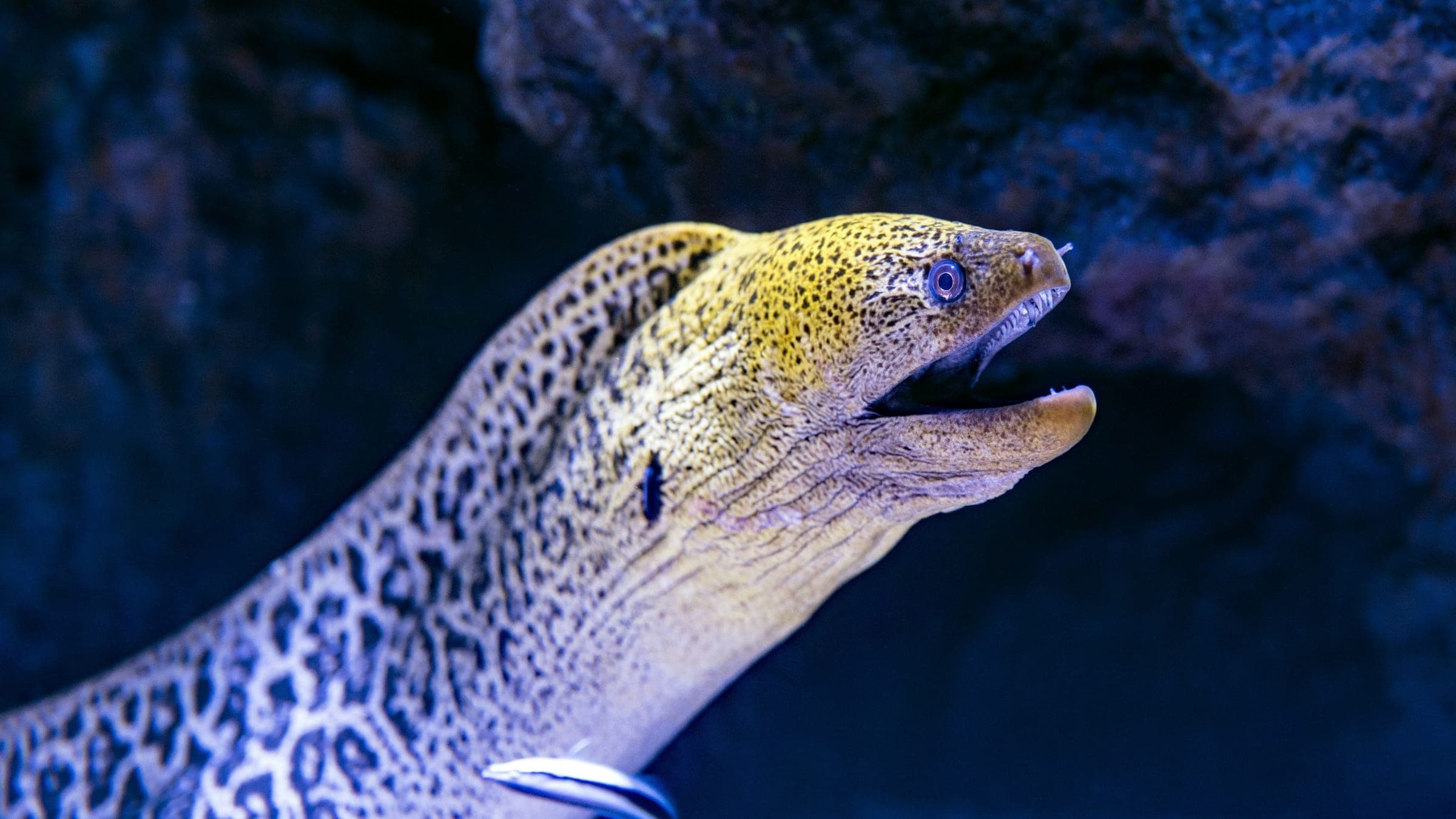
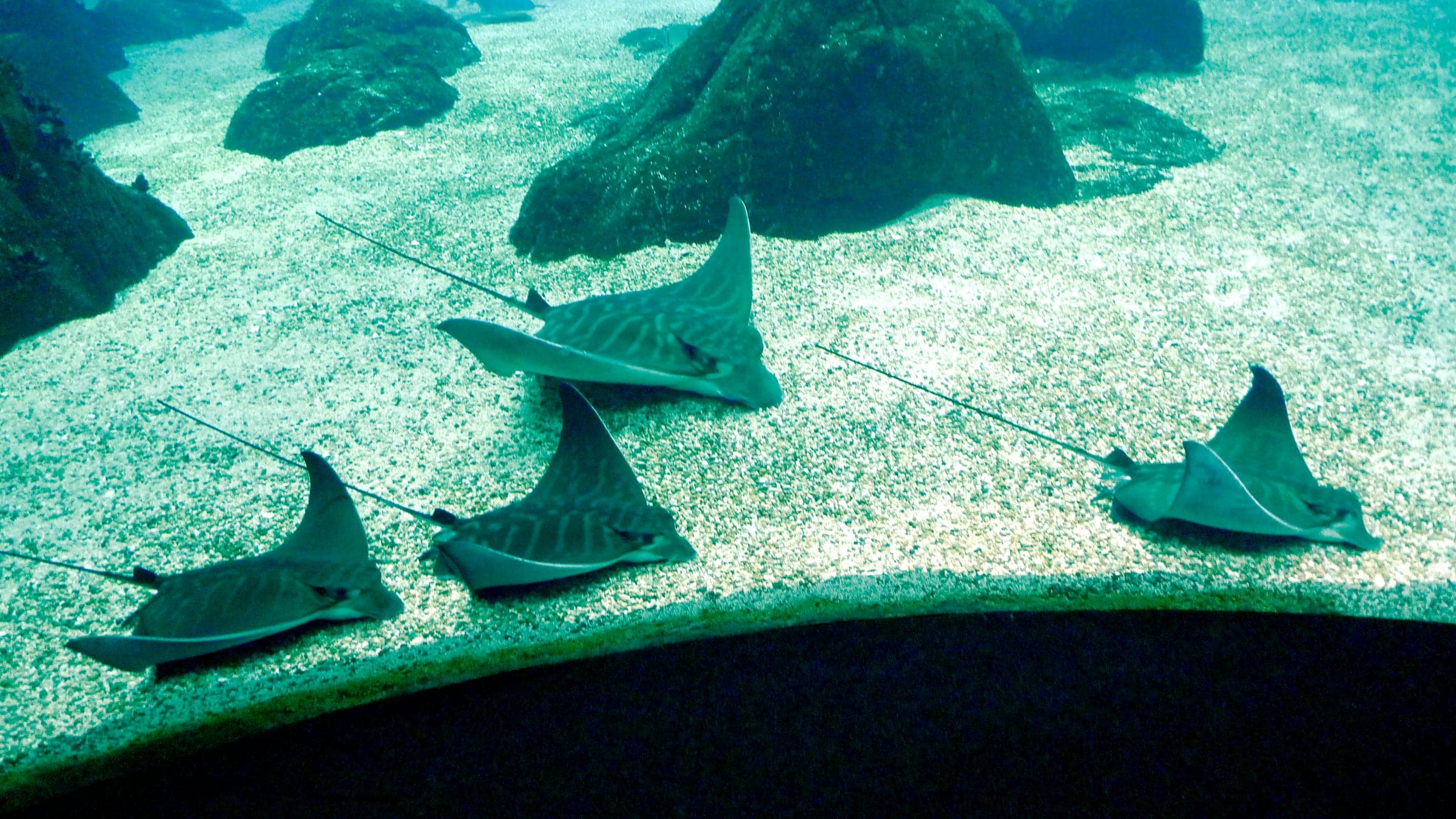
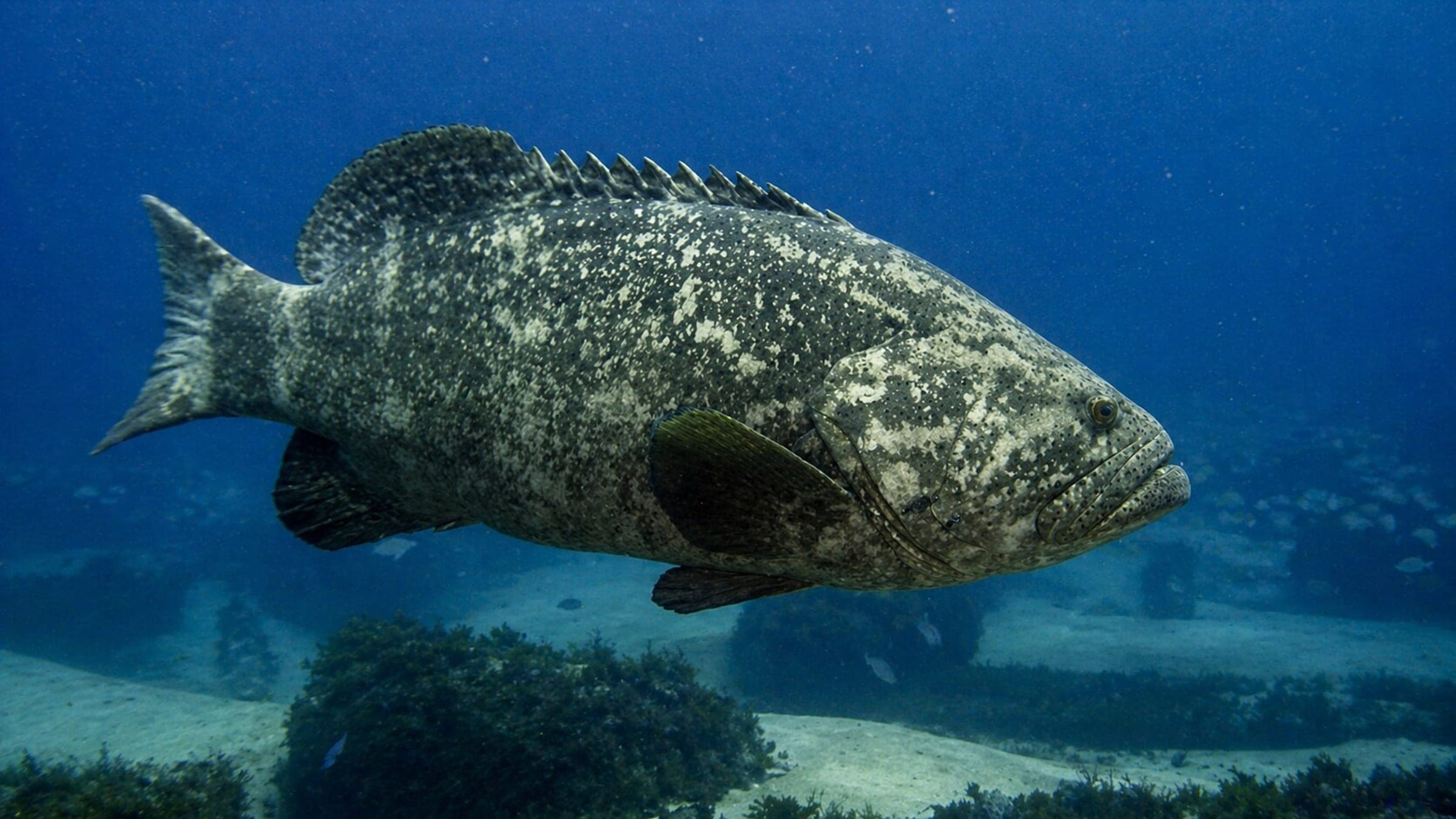
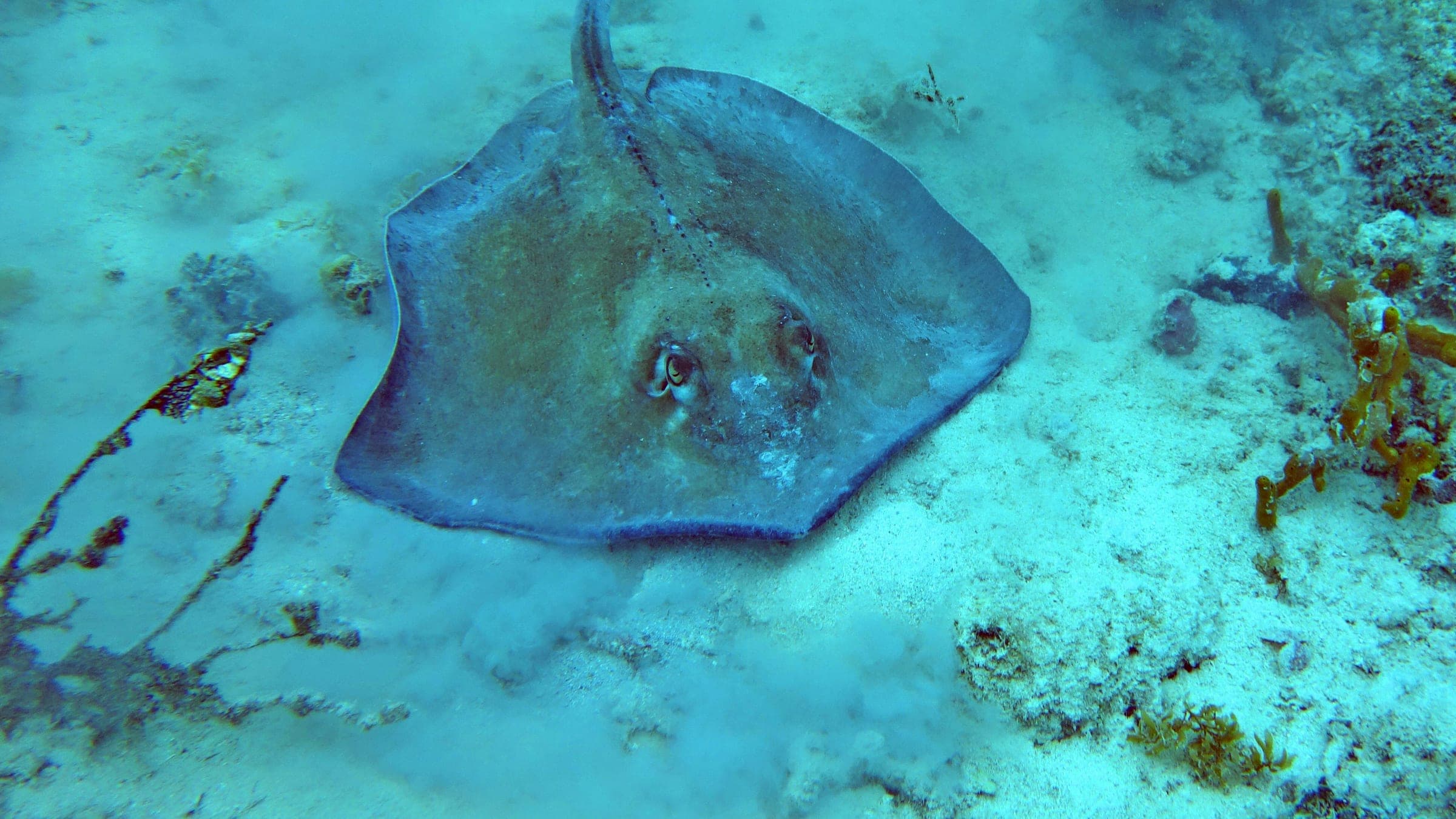
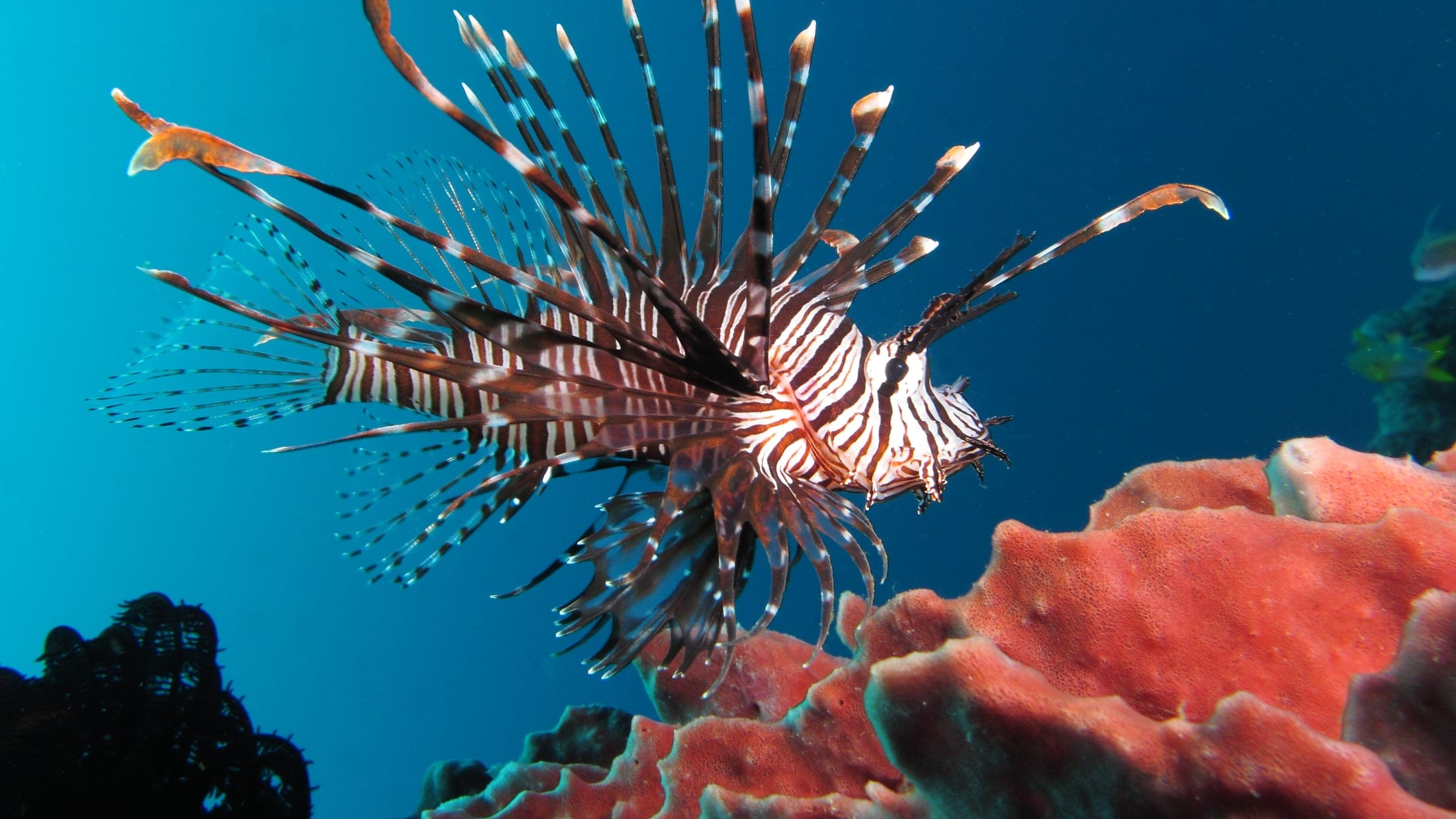
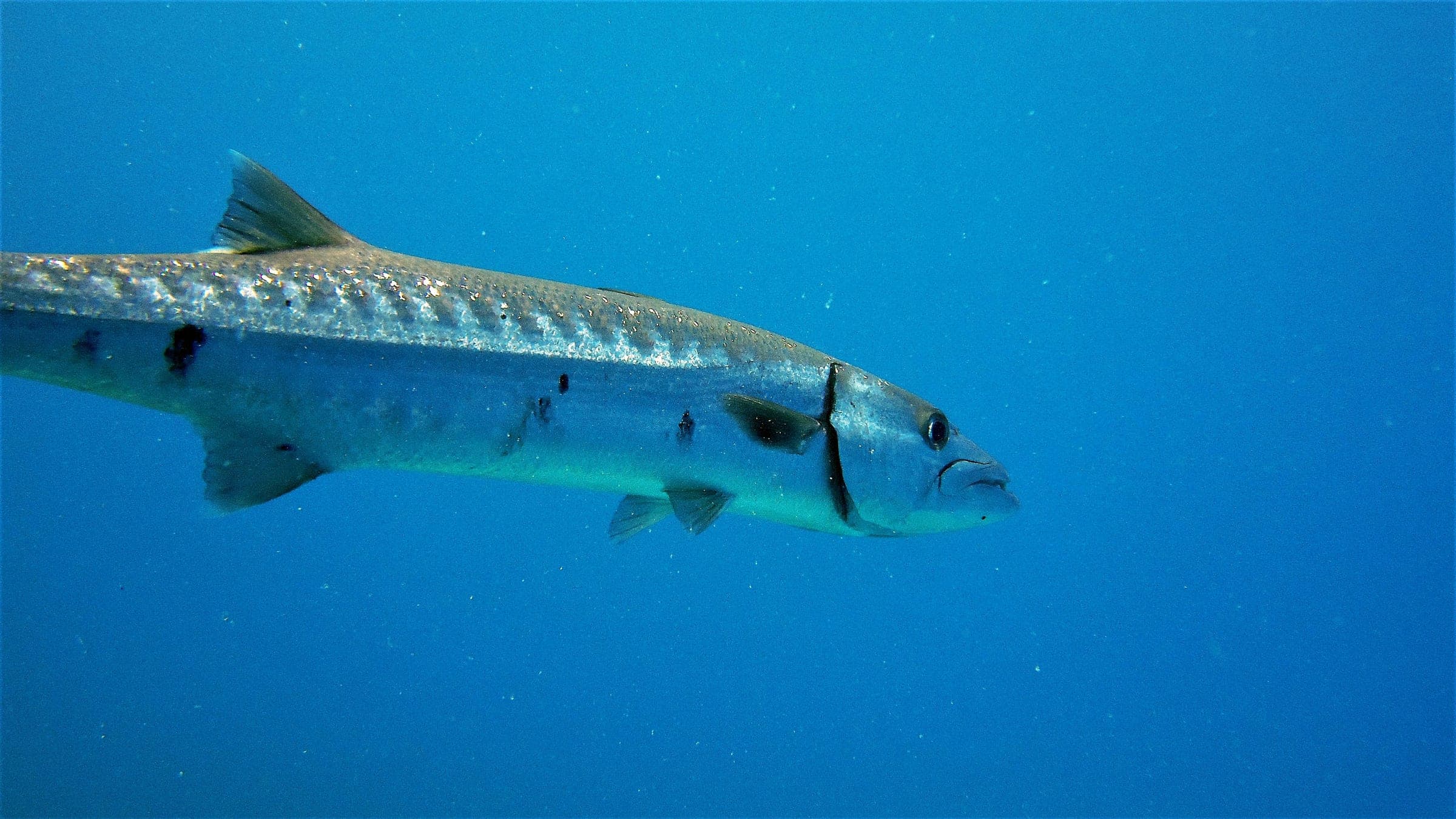
Especies principales vinculadas a puntos de buceo aprobados en Honduras.