Size and weight
Manatees can reach up to about 4.0 metres long and weigh as much as 590 kilograms.
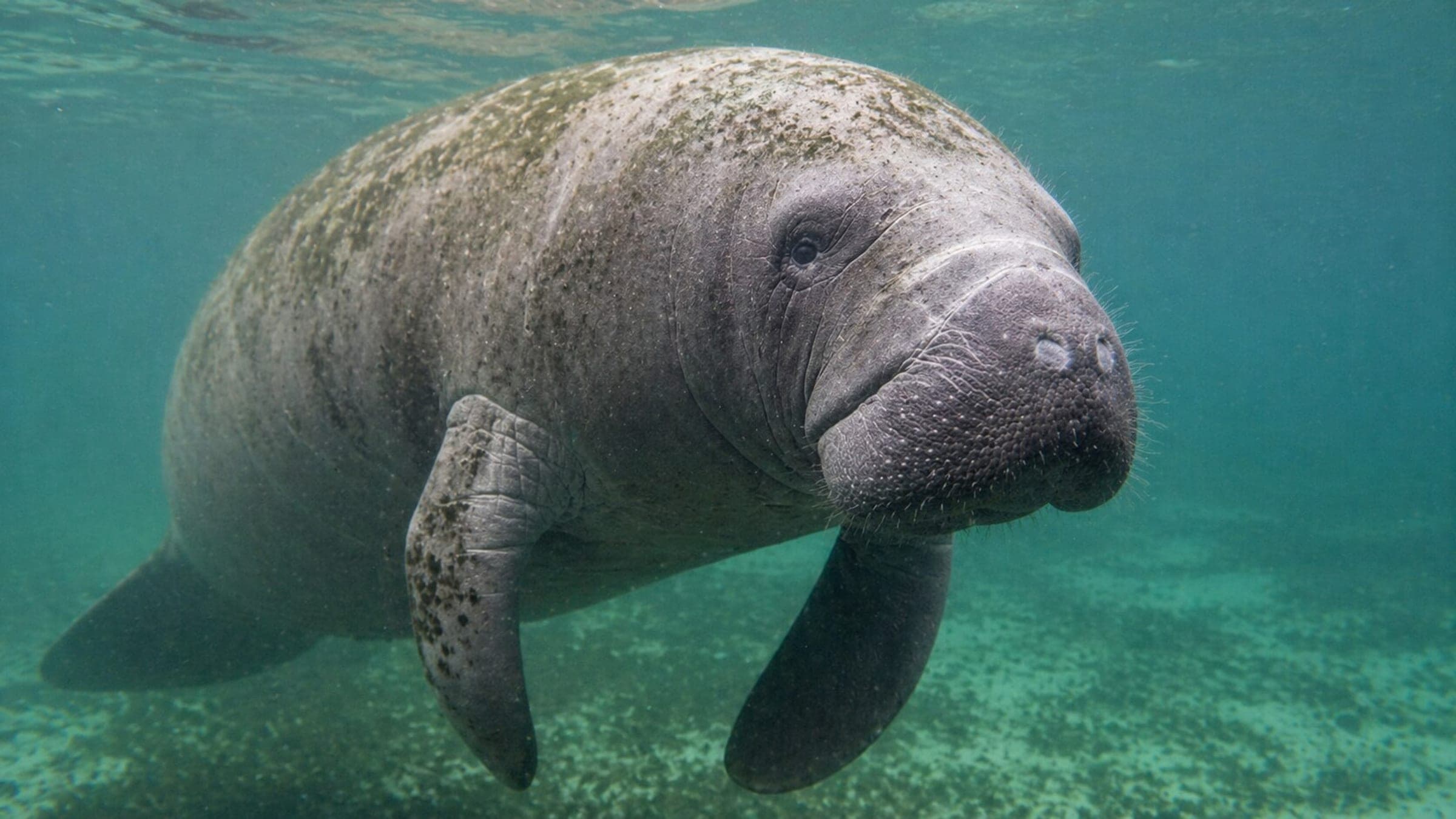
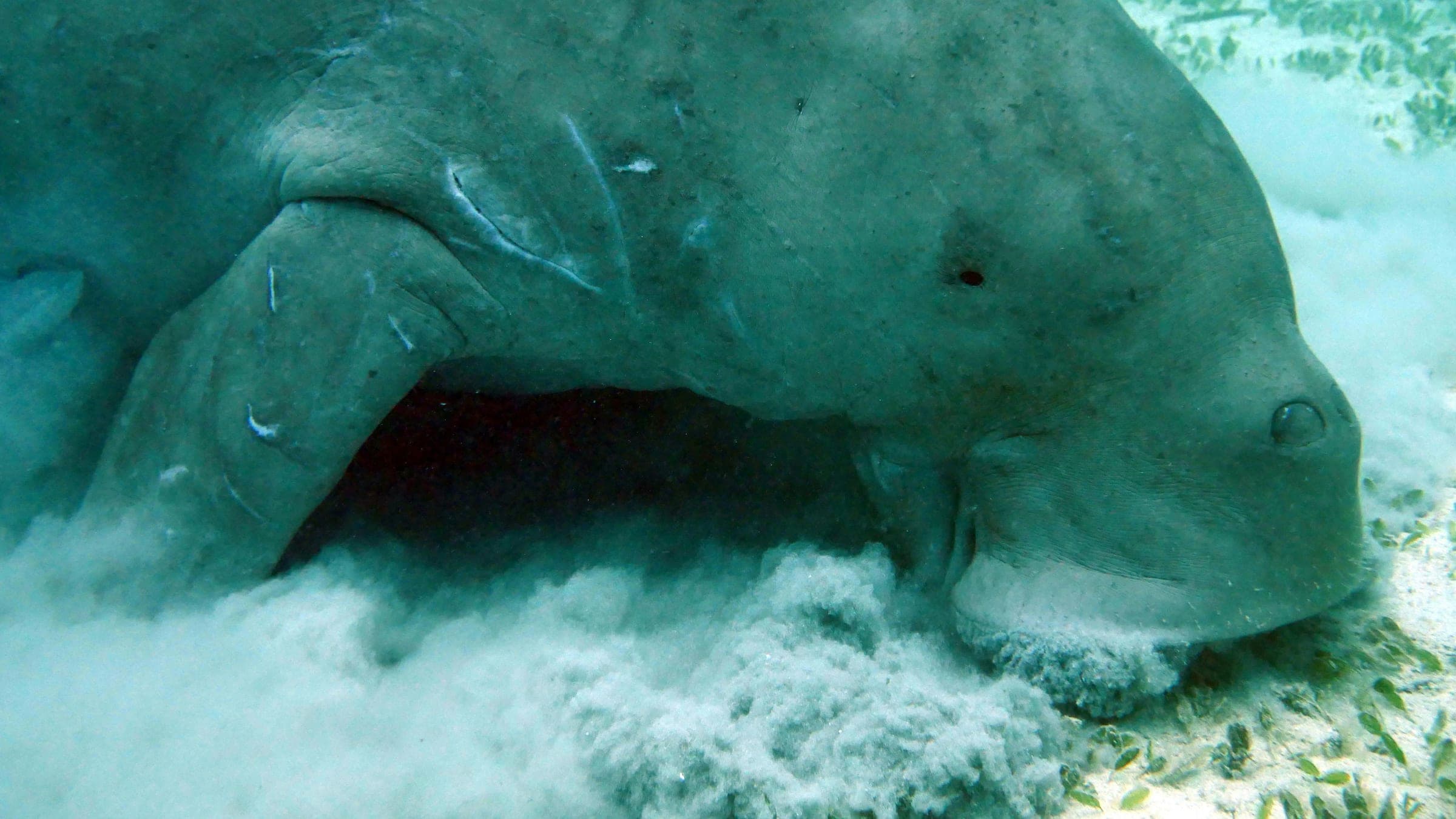
Manatees are large, fully aquatic, mostly herbivorous marine mammals with paddle-like tails found in shallow coastal and river habitats.
Actualizado el Mar 9, 2026 · 2 fuentes
Guía de especie
Una guía de campo clara centrada en hábitat, identificación, comportamiento y conservación sin enterrar lo útil.
Manatees are large, fully aquatic, mostly herbivorous marine mammals in the family Trichechidae. Three accepted living species are the Amazonian manatee (Trichechus inunguis), the West Indian manatee (Trichechus manatus), and the West African manatee (Trichechus senegalensis). They can reach about 4.0 metres in length and weigh up to 590 kilograms, and they have paddle-like tails. Manatees feed on freshwater and saltwater plants (over 60 species recorded) and inhabit shallow, marshy coastal areas and rivers in regions including the Caribbean Sea, the Gulf of Mexico, the Amazon basin, and West Africa. Major causes of death are human-related, notably habitat destruction and collisions with propeller-driven boats and ships; natural causes include adverse temperatures, disease, and predation by crocodiles on young.
Commonly cited pressures include Habitat destruction and Boat and ship collisions.
Herbivorous; consumes over 60 different freshwater and saltwater plants.
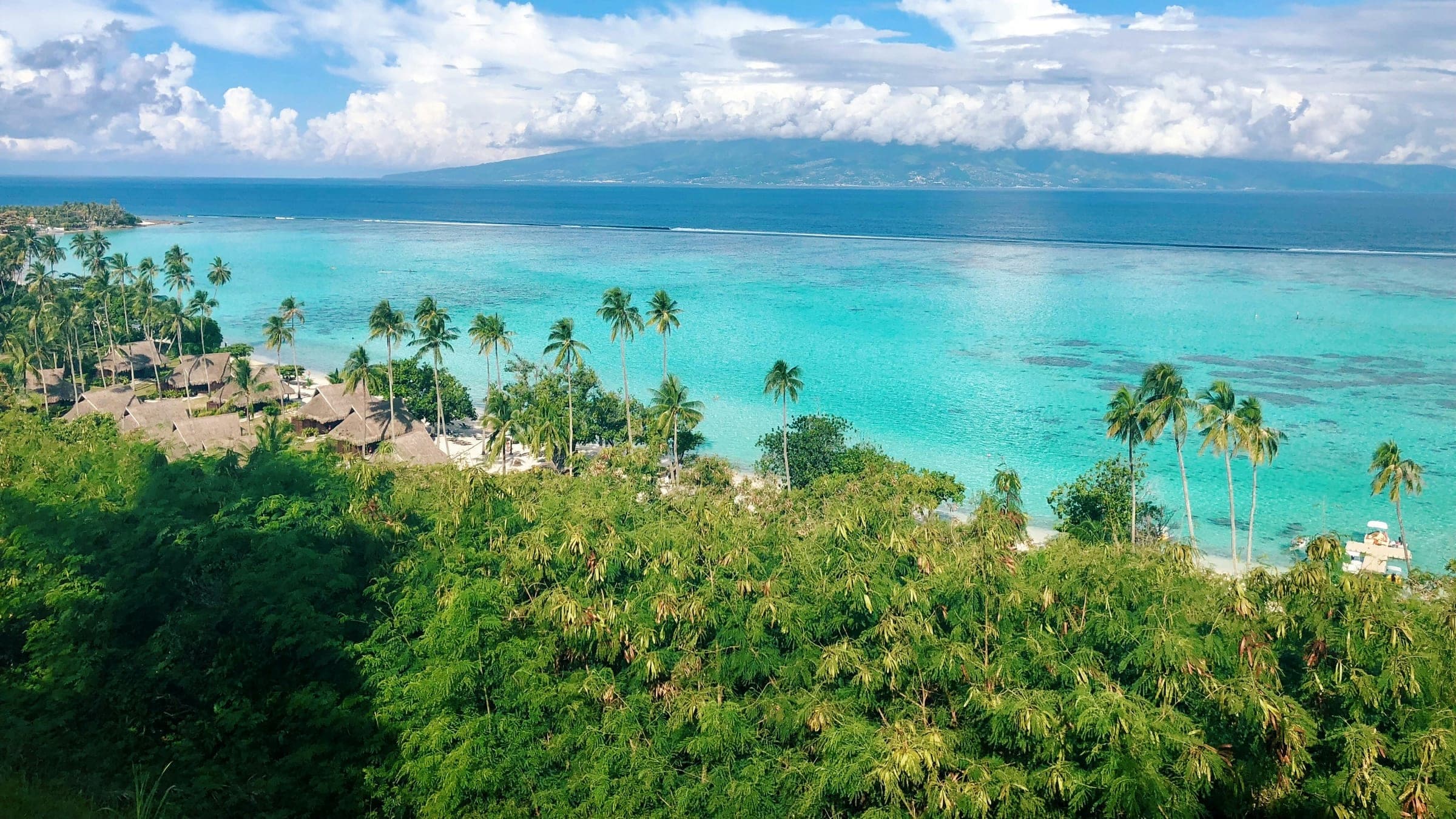
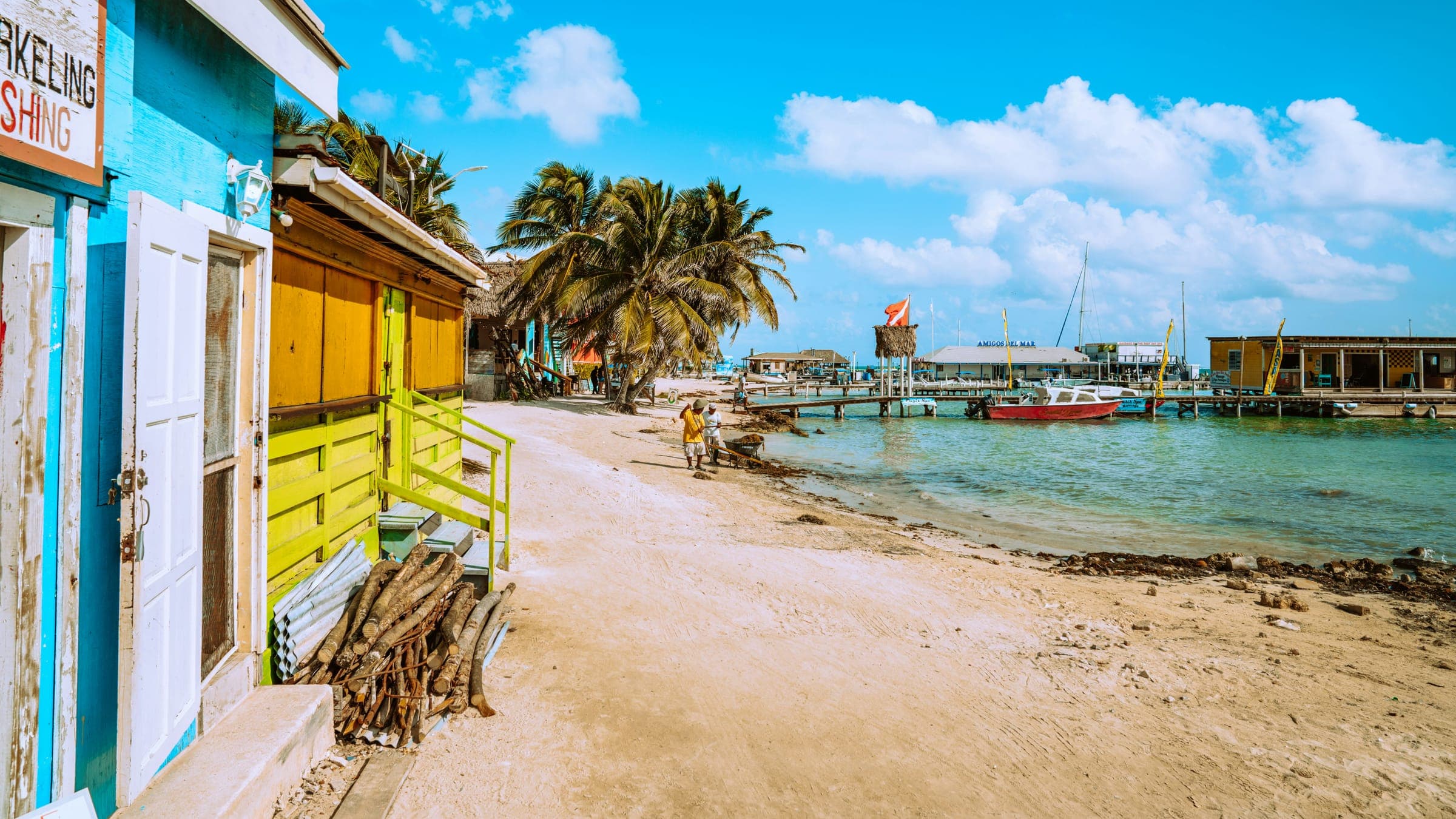
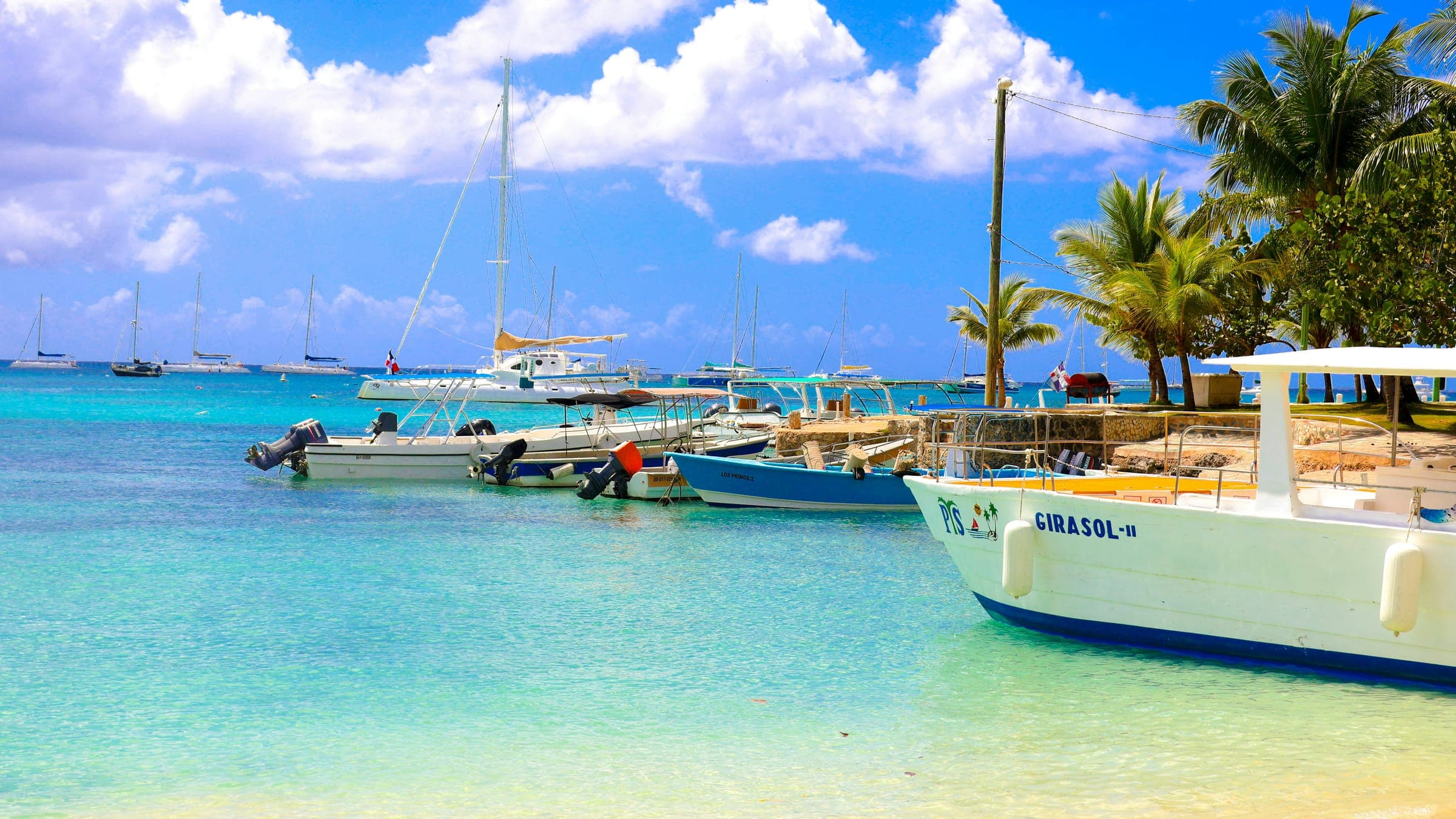
Las opciones de planificación vinculadas más fuertes aparecen ahora en destinos como Bayahibe y Dominicus, Caye Caulker, Halkidiki and Thassos y países como United States of America, Croacia, República Dominicana para buceadores que planifican viajes alrededor de manatees.
Identificación
Los rasgos visuales que los buceadores pueden usar bajo el agua y las especies con las que más se confunde.
Manatees can reach up to about 4.0 metres long and weigh as much as 590 kilograms.
They are large, fully aquatic mammals with paddle-like tails.
Mostly herbivorous, feeding on a wide variety of freshwater and saltwater plants.
Inhabit shallow, marshy coastal areas and rivers and are characteristically slow-moving and curious.
Dieta
Contexto alimentario útil que a menudo explica hábitat, movimiento y estilo de encuentro.
Herbivorous; consumes over 60 different freshwater and saltwater plants.
Conservación
Estado, presiones y protección con base en fuentes citadas, no en relleno.
Commonly cited pressures include Habitat destruction and Boat and ship collisions.
Human-driven habitat destruction reduces available shallow, marshy coastal and river habitats used by manatees.
Slow-moving, curious manatees are vulnerable to violent collisions with propeller-driven boats and ships; many individuals bear propeller scars.
Ingestion of or entanglement with human objects contributes to manatee mortality.
Exposure to unfavorable temperatures is a natural cause of death for manatees.
Crocodiles can prey on young manatees.
Disease is listed as a natural cause of mortality.
Encuentros responsables
Guía de conservación para buceadores que quieren el encuentro sin añadir presión.
Give manatee space, avoid blocking the animal's path, and follow local site and operator rules for wildlife interactions with other mammals.
Notas de campo
Contexto útil de la especie que hace el encuentro más significativo bajo el agua.
Three accepted living species exist: Amazonian, West Indian, and West African manatees.
Manatees eat over 60 different types of freshwater and saltwater plants.
They are found in the Caribbean Sea, the Gulf of Mexico, the Amazon basin, and West Africa.
Some manatees have been recorded with many scars from propeller blades.
Destinos destacados
Destinos destacados a partir de los sitios de buceo vinculados con esta especie.
Países destacados
Los puntos de partida por país más sólidos vinculados actualmente a esta especie.
Sitios de buceo destacados
Sitios de buceo vinculados directamente donde esta especie ya aparece en los datos de planificación.
Manantial de agua dulce claro con fácil acceso desde la costa y manatíes en invierno.
Blue Heron Bridge es una inmersión desde costa poco profunda para todos los niveles en Riviera Beach.
Arrecife de Cayo Diablo con acceso en barco, tortugas y agua clara.
Inmersión de playa poco profunda con tortugas y vida de arrecife.
Parque de manantial con aguas claras, buceo guiado y fácil acceso desde la costa.
Arrecife intermedio de Bayahibe con abundante vida marina
Preguntas frecuentes
Respuestas claras de planificación y conservación escritas para visibilidad en buscadores y recuperación por IA.
Fuentes de investigación
Referencias principales y fiables detrás de las afirmaciones de campo y conservación de esta página.
Especies relacionadas
Guías de especies relacionadas dentro de la misma familia de encuentro.