Quelques idées pour commencer. Explorez le guide complet pour comparer les régions et les sites de plongée.
Recevez les nouveaux lancements de destinations, les améliorations de profils et les nouveautés de la carte de plongée.
Pas de spam. Seulement des mises à jour utiles quand il y a du nouveau.

Guide du pays
Bay Islands walls, warm water, and one of the Caribbean's most practical mixed-group reef trips
Mis à jour 27 mars 2026 • 21 sources
Aperçu
Honduras works best when you think in regions, not as one uniform dive destination. Roatan gives the broadest hotel, family, and reef menu. Utila leans budget, training-heavy, and whale shark curious. Guanaja is quieter, more boat-based, and more retreat-like. Add Cayos Cochinos and the La Ceiba coast for protected-island day trips, Garifuna culture, and mainland nature.
Underwater, the national headline is easy: warm Caribbean water around 26°C to 30°C, visibility often around 12 m to 30 m, and access to the Mesoamerican Reef without the travel friction of more remote archipelagos. The catch is that Honduras rewards flexible planning. Winter northers can rough up exposed north-facing sites, and late summer into fall demands more weather awareness. Travelers who accept that tradeoff get serious value, strong training infrastructure, and unusually good non-diver options for a reef trip.
Most trips see water around 26°C to 30°C and visibility around 12 m to 30 m, with walls, shallow reefs, training sites, and snorkel-friendly lagoons in the same country.
West Bay beaches, mangroves, Garifuna culture, river adventures near La Ceiba, and quieter island stays mean non-divers rarely feel parked while everyone else boats off.
Protected-area fees, moorings, whale shark encounter guidelines, and reef-use rules are visible parts of trip planning, not hidden fine print.
Whale shark hotspot · Training to advanced
Meilleure période globale : March - August
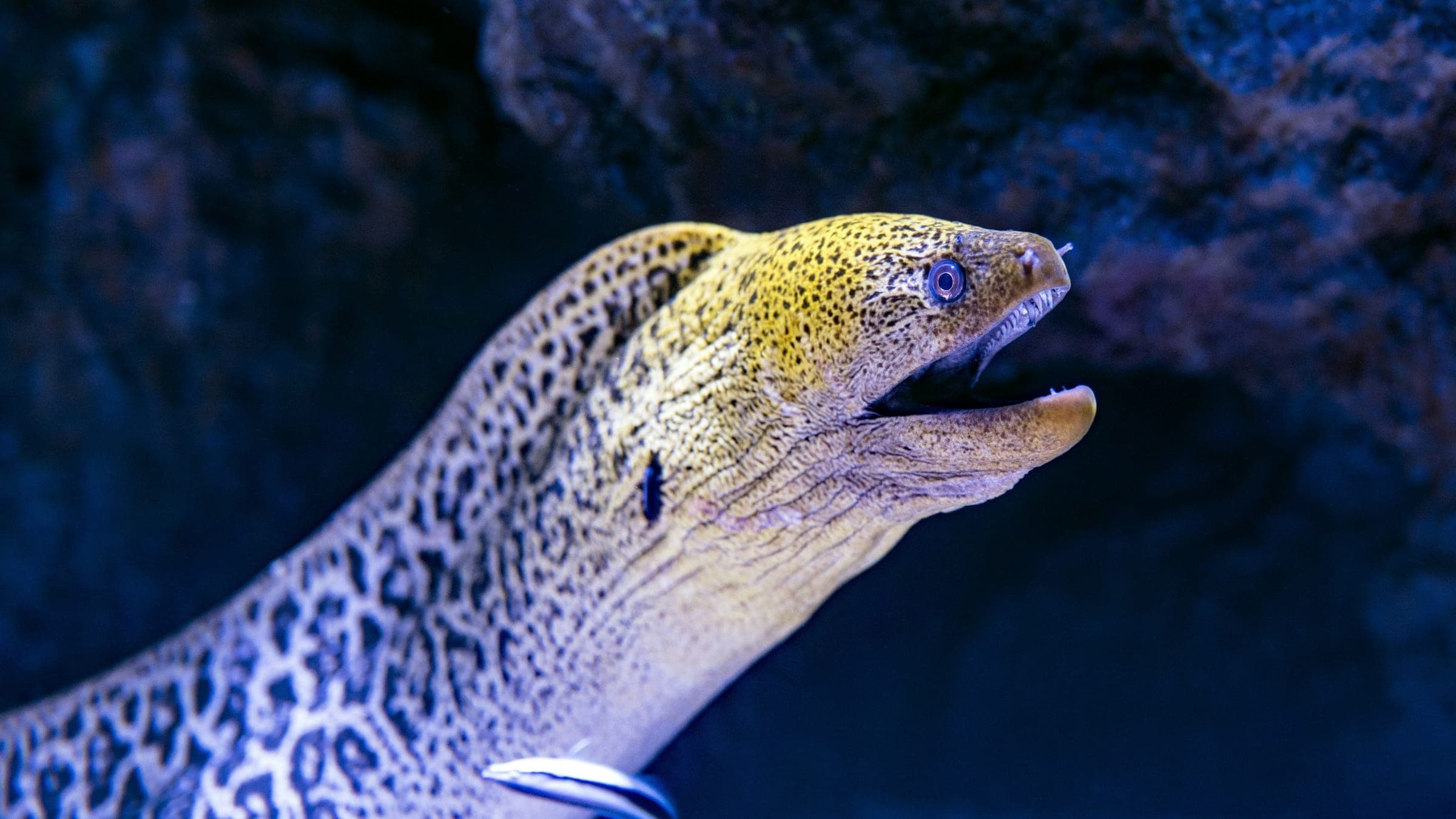
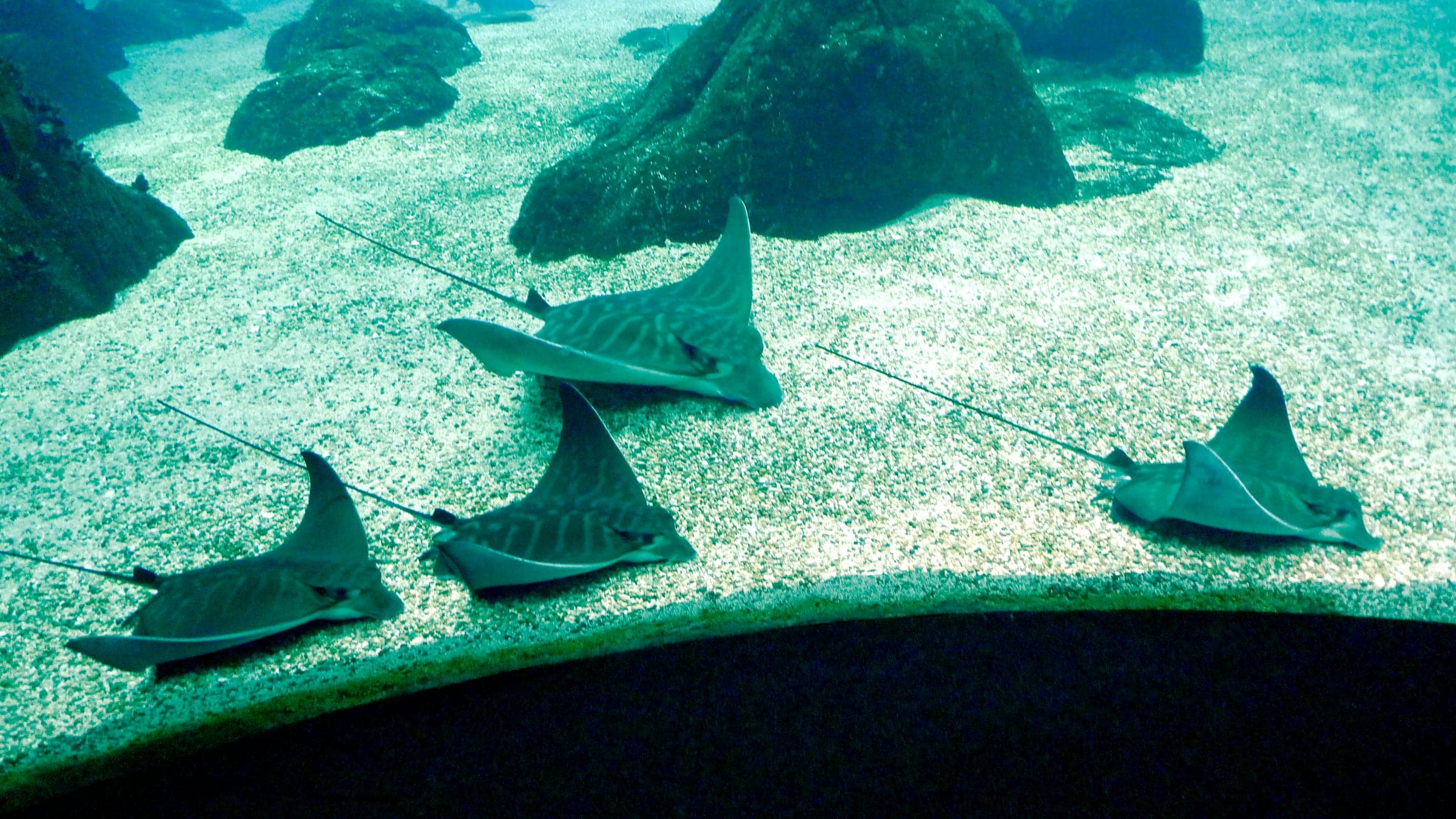
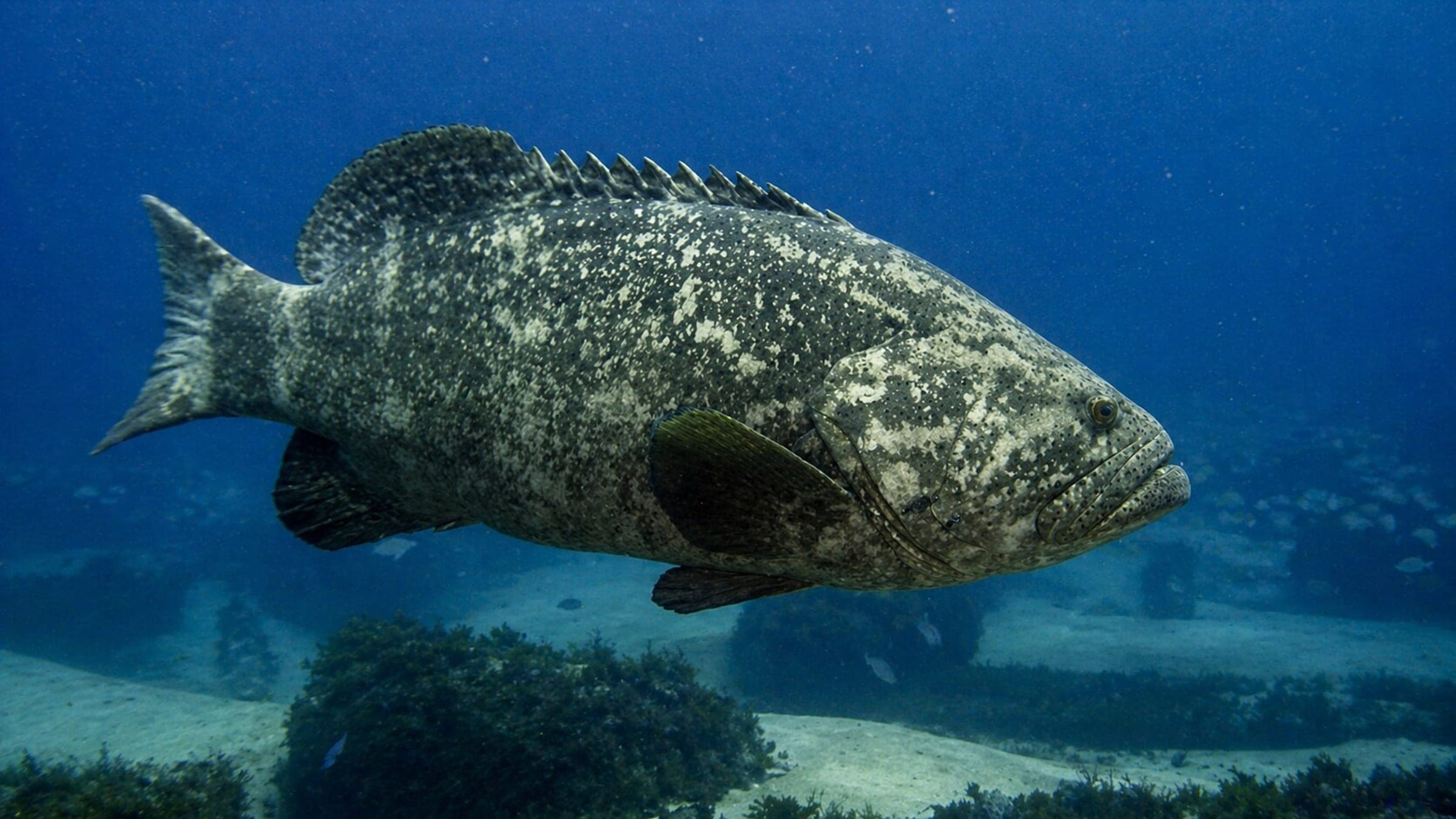
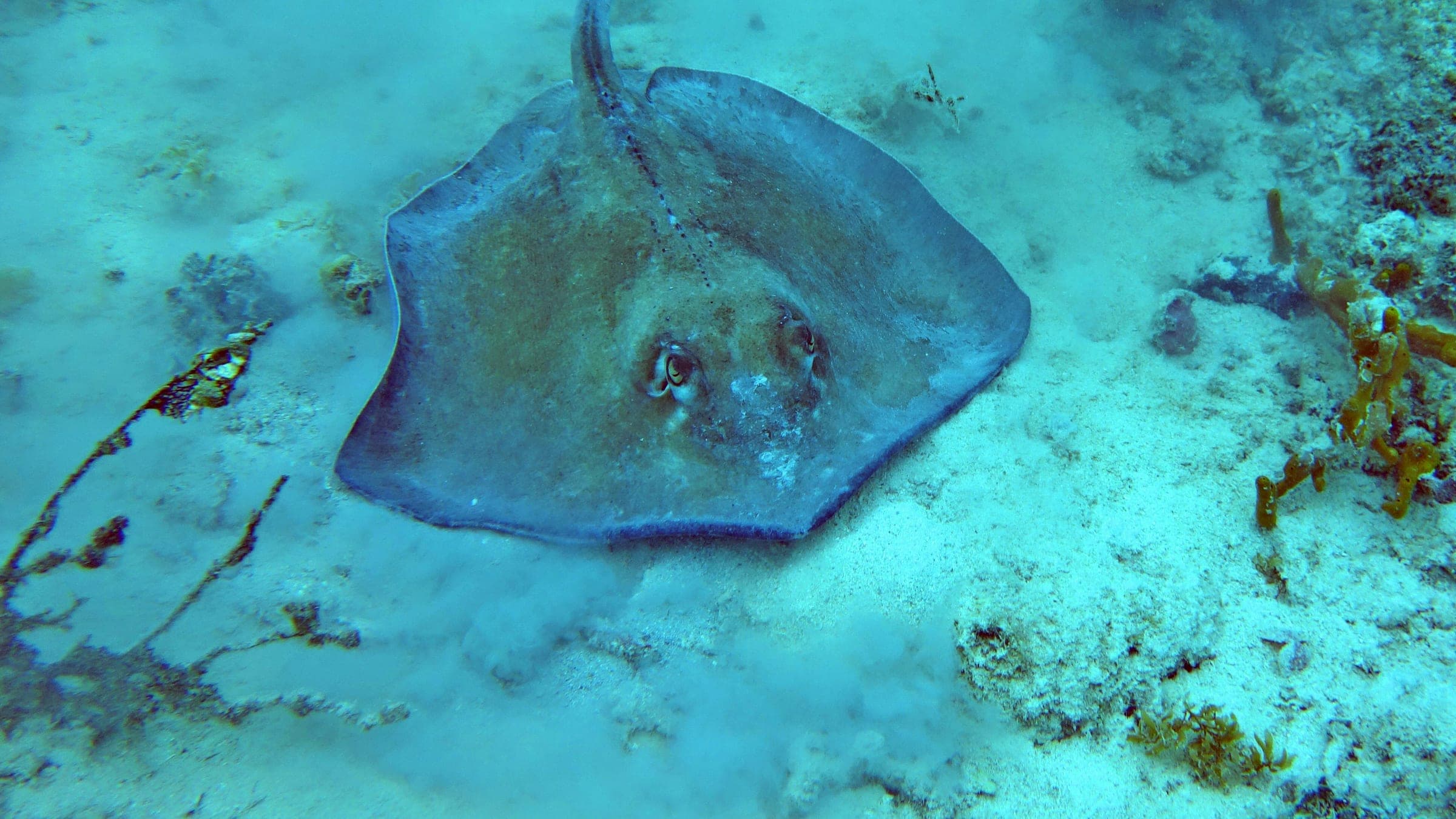
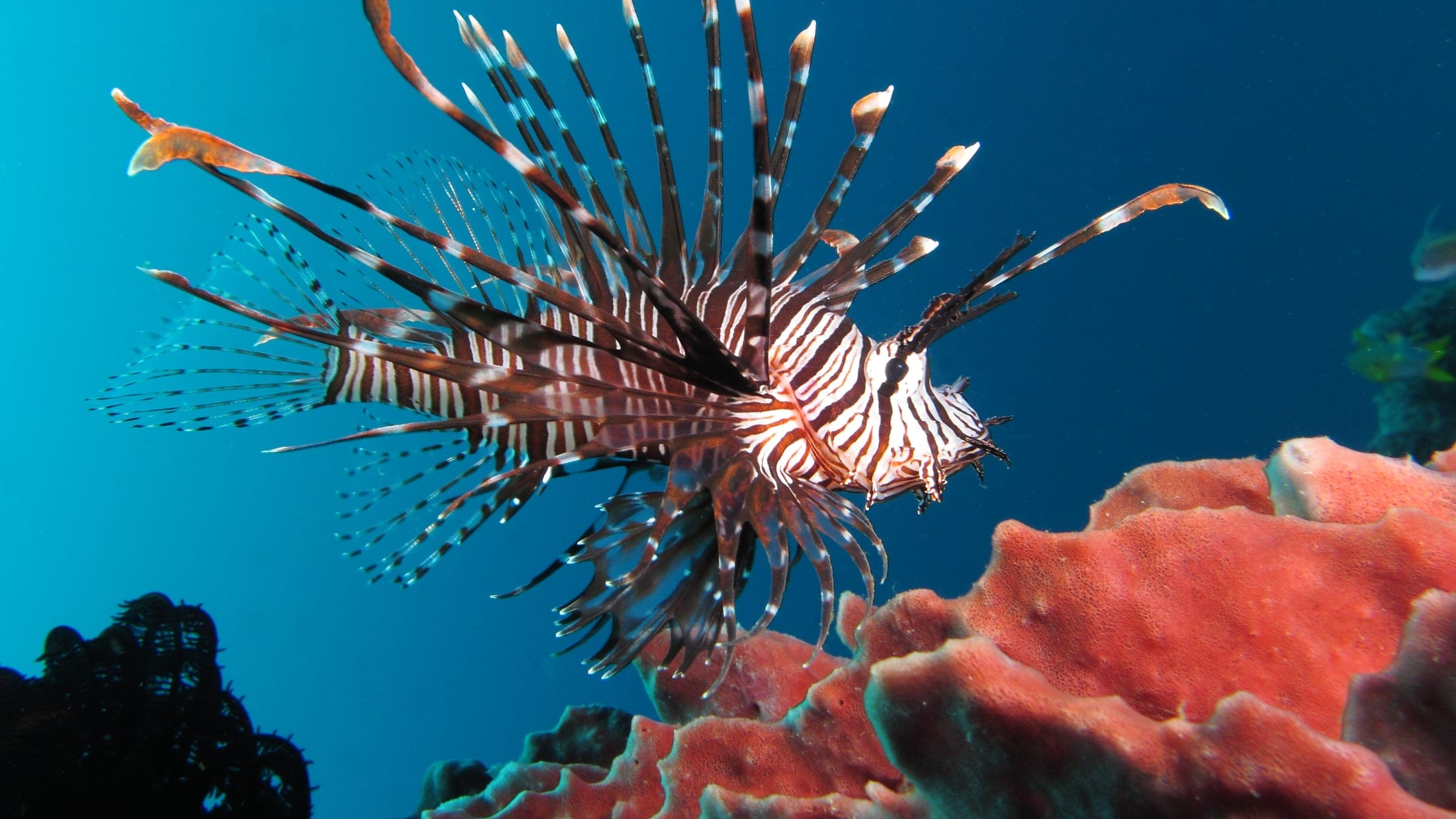
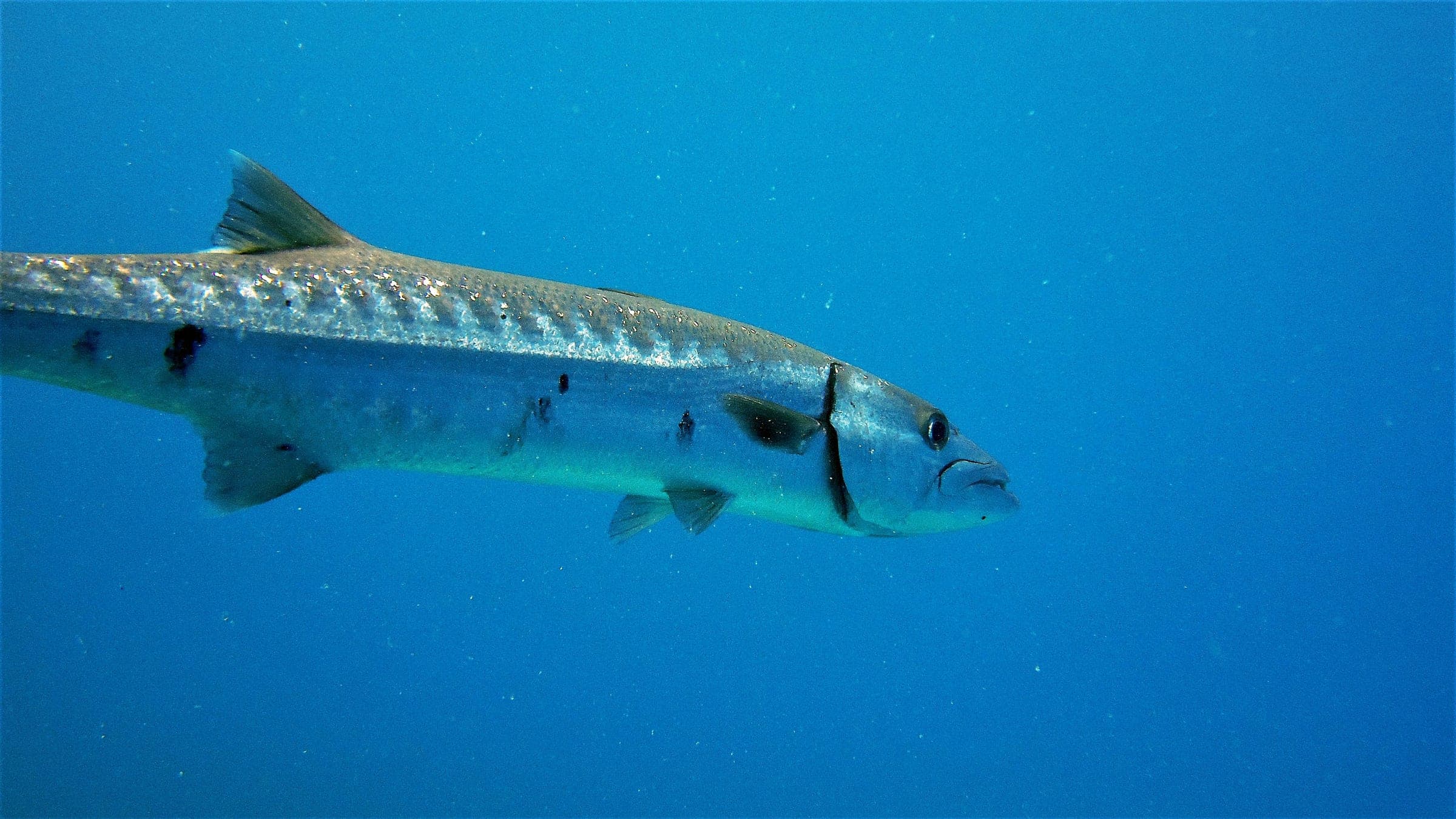
Principales espèces liées aux sites de plongée approuvés en Honduras.