Quelques idées pour commencer. Explorez le guide complet pour comparer les régions et les sites de plongée.
Recevez les nouveaux lancements de destinations, les améliorations de profils et les nouveautés de la carte de plongée.
Pas de spam. Seulement des mises à jour utiles quand il y a du nouveau.

Guide du pays
Atoll hopping for mantas, whale sharks, and warm-water drifts
Mis à jour 4 mars 2026 • 17 sources
Aperçu
The Maldives is a necklace of coral atolls in the equatorial Indian Ocean where lagoons, channels (kandus), and isolated pinnacles (thilas) turn tides into wildlife encounters. Most trips route through Male and fan out into three standout zones: the Central Atolls around North Male Atoll, South Male Atoll and Ari Atoll for classic drift dives; the north like Baa Atoll for seasonal manta action; and the far south such as Fuvahmulah and Addu Atoll for oceanic pelagics and wreck history. Water stays a steady 27°C to 30°C year-round, so planning is mostly about wind, visibility, and choosing the right atoll side for the season. Expect boat diving, easy house-reef snorkeling steps from shore, and conservation rules that prioritize wildlife first.
Sea temperatures typically sit around 27°C to 30°C, so you pack for wind and current, not cold.
Short transfers from Male for Central Atolls variety, northern biosphere reserve waters in Baa Atoll, and deep-south pelagics in Fuvahmulah and Addu Atoll.
Many islands have a house reef you can reach within 20 m to 50 m from shore or jetty.
Atolls line up in natural loops, making multi-region itineraries realistic in a single week.
Year-round whale shark potential · Thila diving with nonstop fish action
Meilleure période globale : January - April
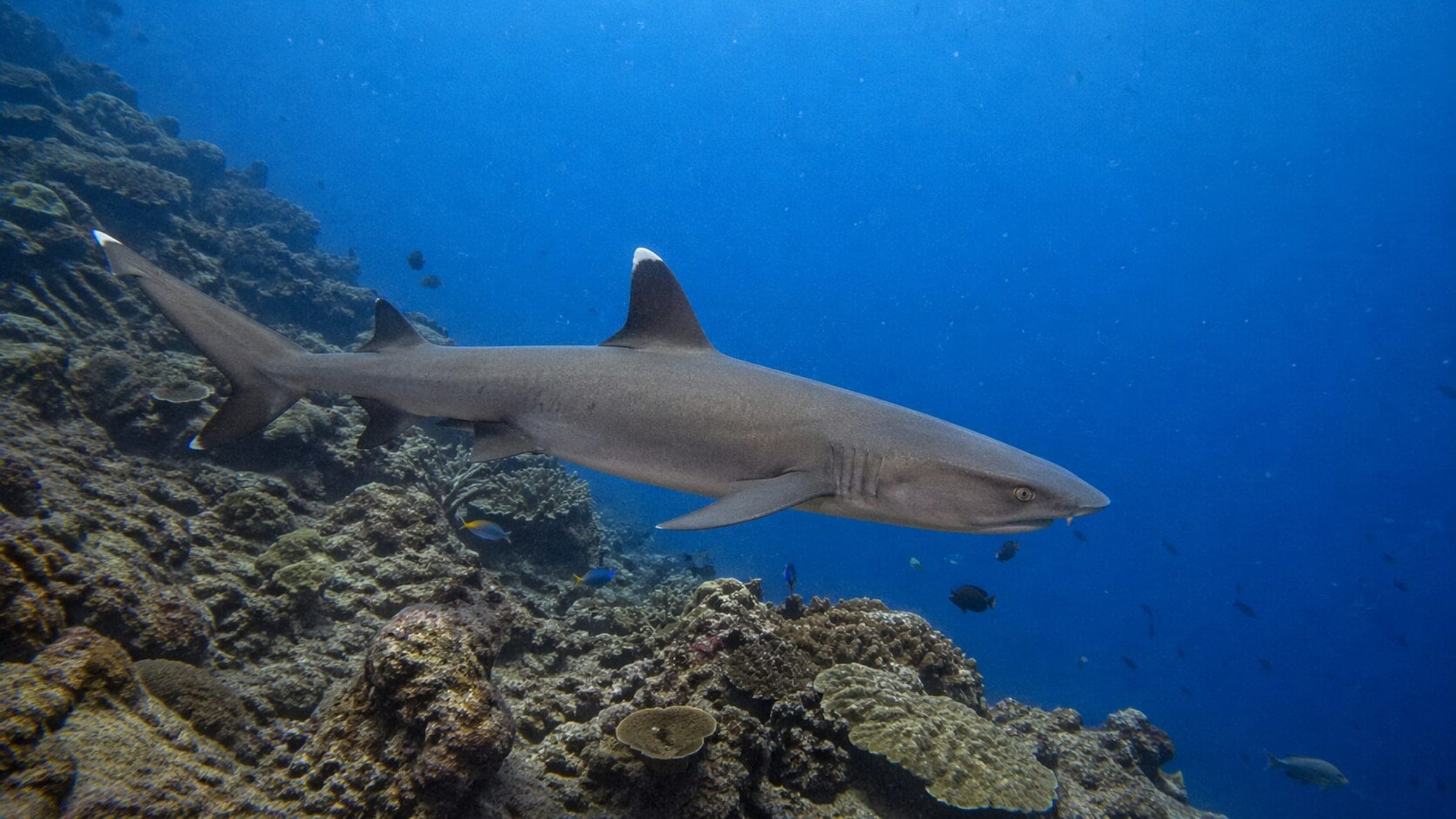
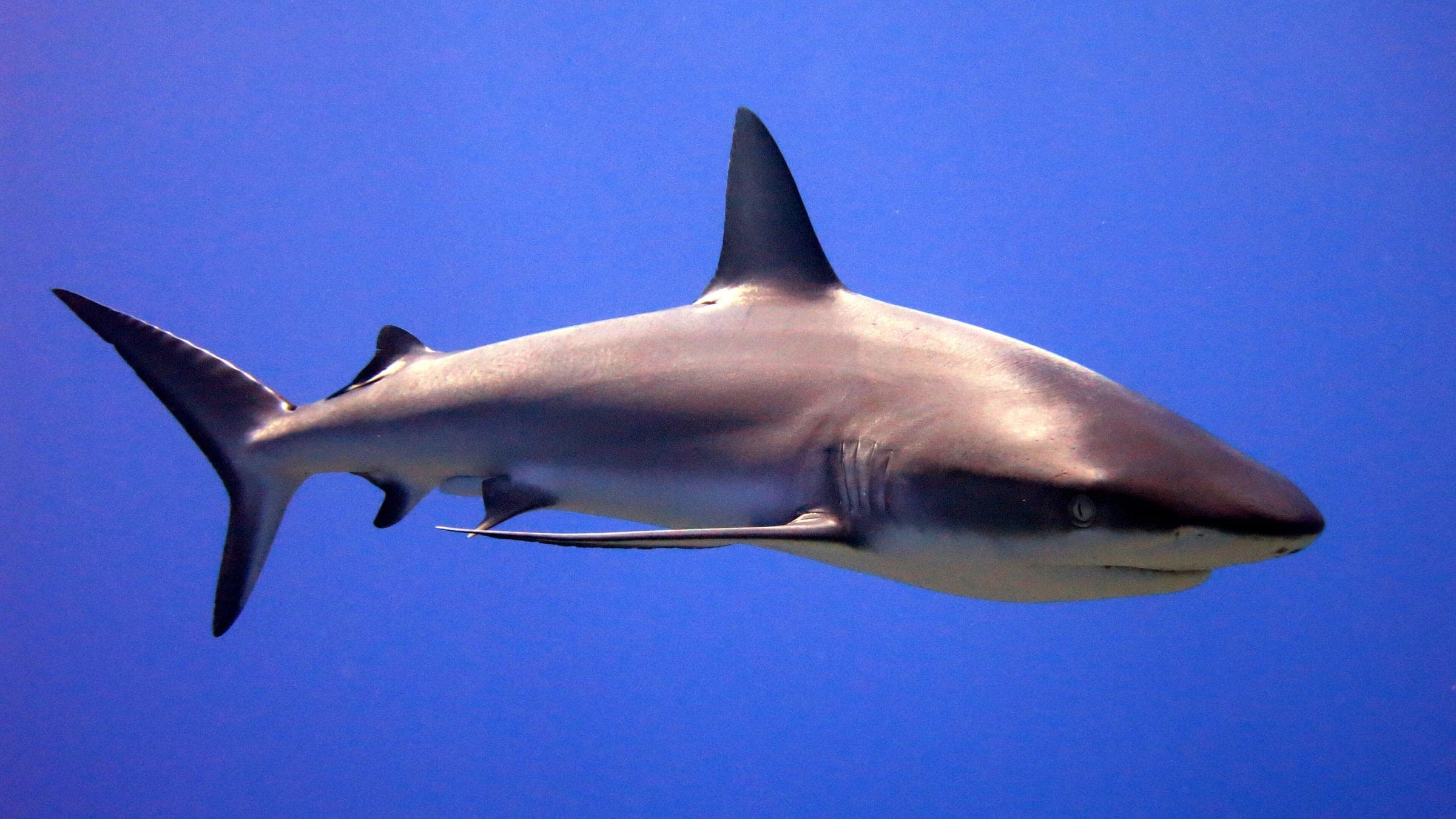
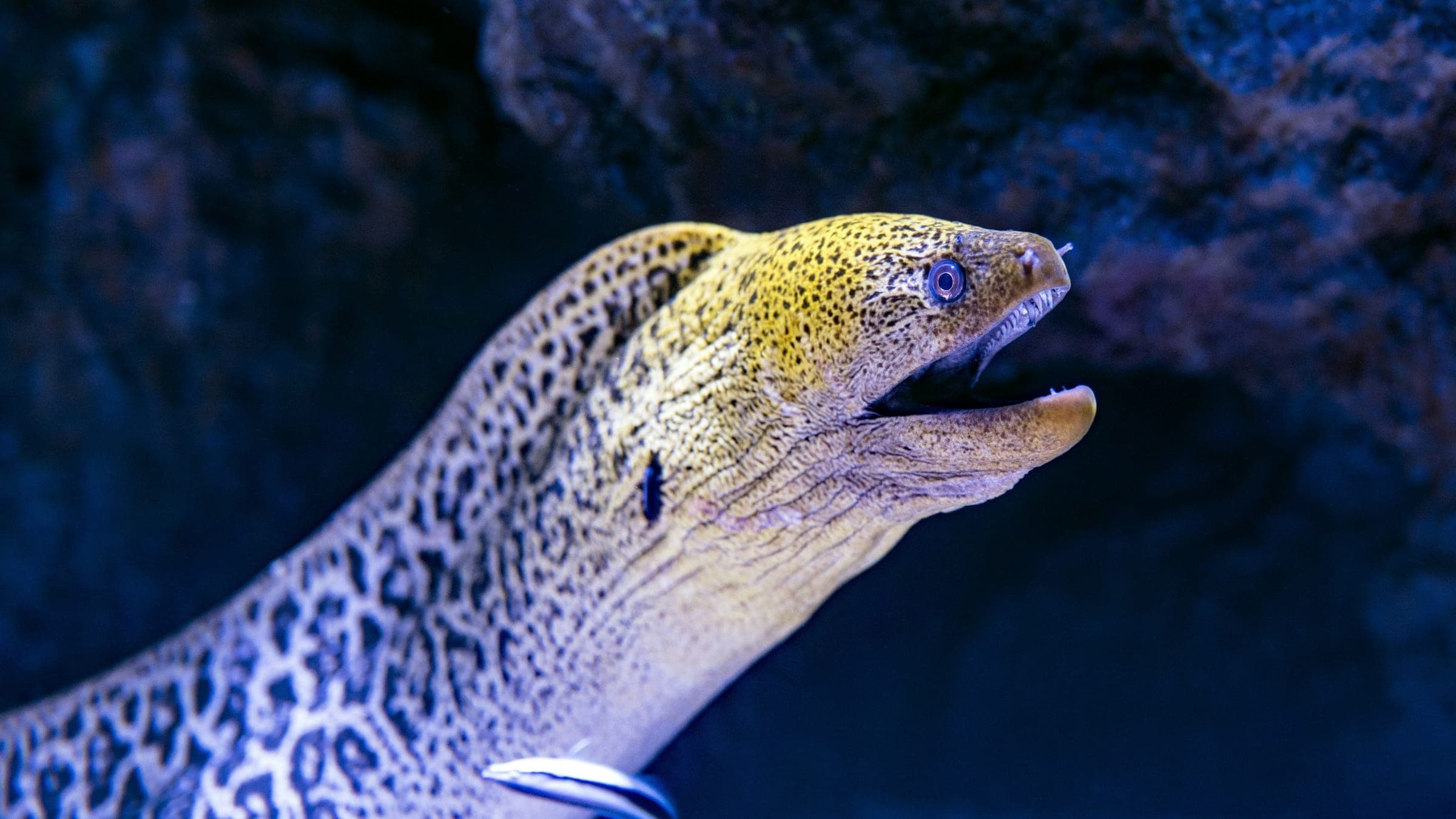
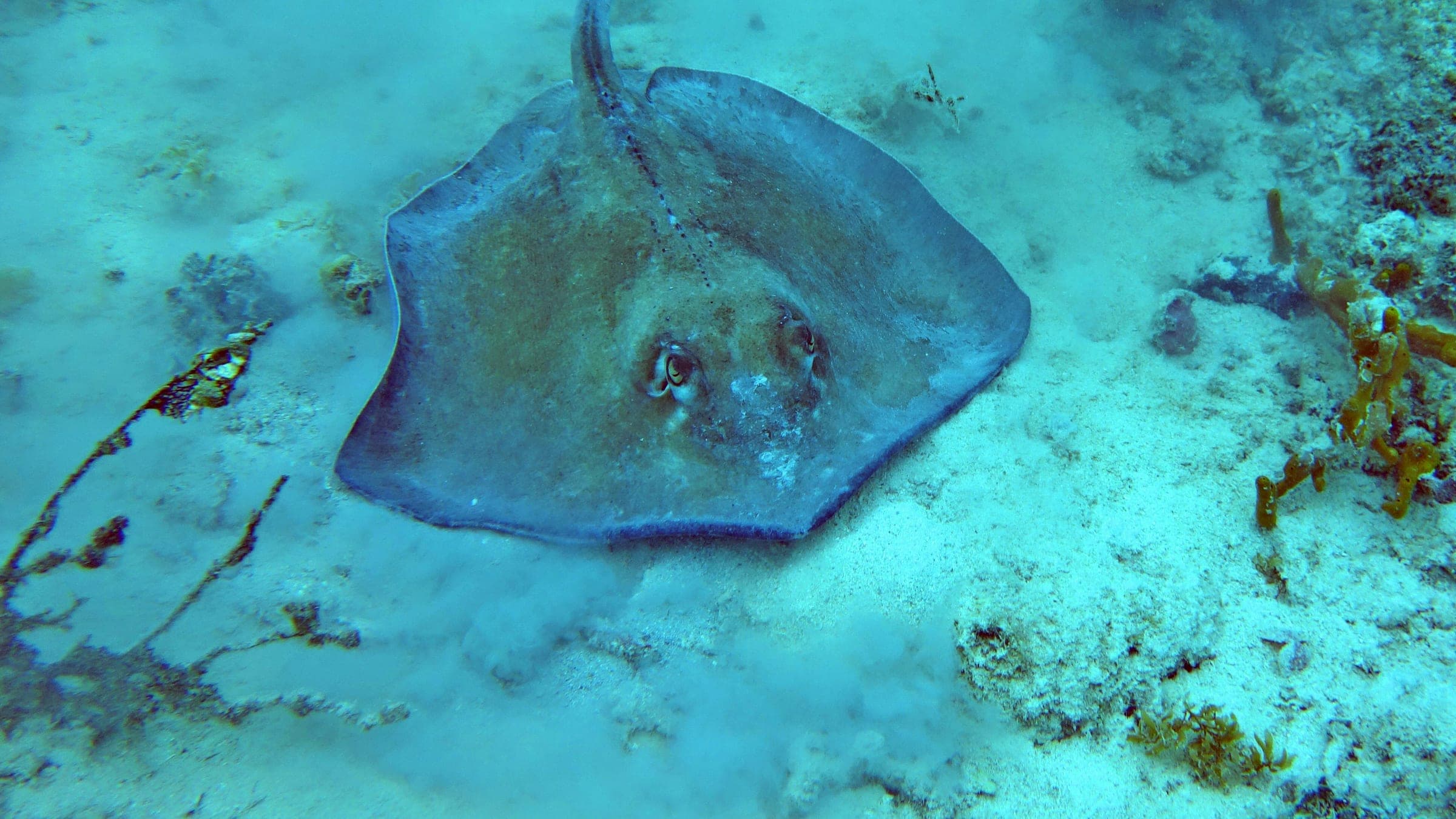
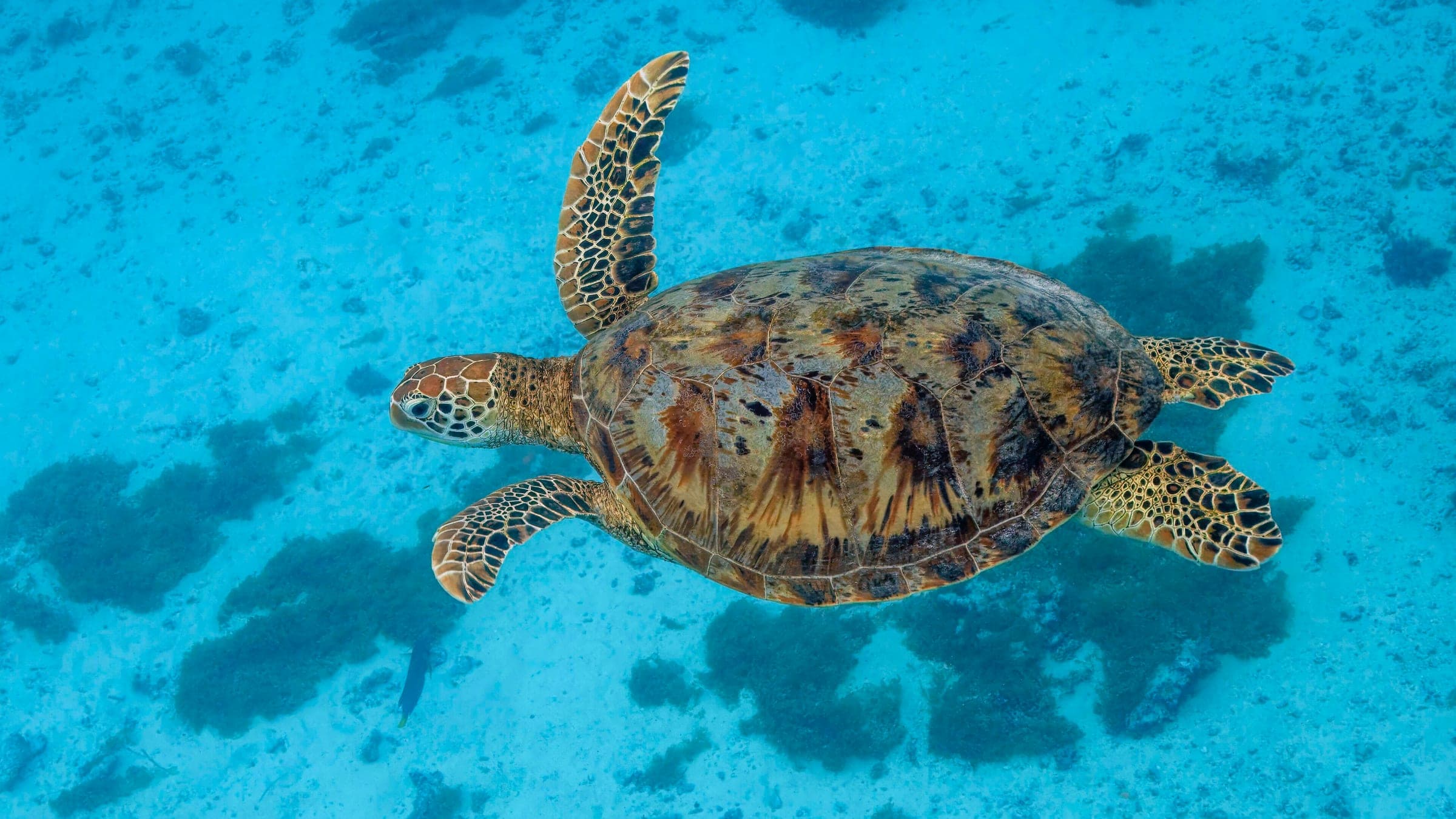
Principales espèces liées aux sites de plongée approuvés en Maldives.