Best time to go
December to April
Drier air, more comfortable topside temps, and reliable beach days. Water often 26°C to 28°C.
Main caution: Hotter, wetter, and peak hurricane watch. Higher chance of sargassum and shortnotice storms.

Turtle bay mornings, reef dives, and cenote afternoons from one Riviera Maya base
Overview
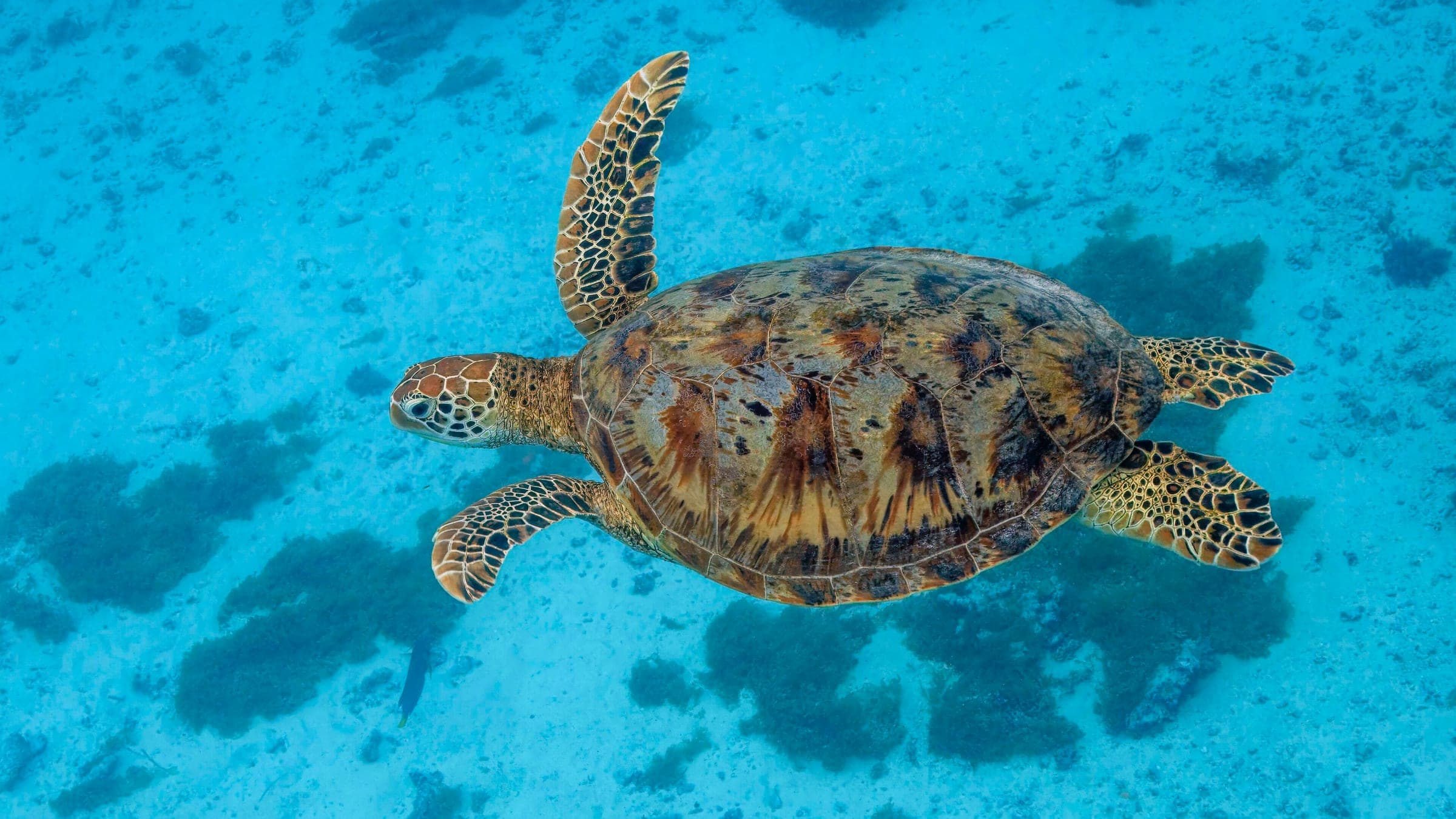
Akumal is a low-key Riviera Maya beach town built around a protected bay and seagrass meadows that attract sea turtles. From shore you can snorkel calm, shallow water where turtles graze, then hop on short boat rides to nearby reef sites on the Mesoamerican Barrier Reef. The real superpower is location: you are within easy reach of Tulum's cenotes and caverns, Playa del Carmen day boats, and even Cozumel's world-famous drifts via the ferry.
Akumal rewards early starts and good etiquette. Follow turtle rules, stay horizontal, keep your distance, and skip free-diving in the bay. Plan reef dives in the morning for the best visibility, save afternoons for cenotes, and build in a topside day for ruins and the Sian Kaan biosphere.
Akumal means "place of the turtle" and the bay's seagrass meadows regularly host turtles. Follow local guidelines: stay horizontal, keep your distance, and never touch or chase wildlife.
Many local reef dives and snorkel areas are shallow and protected, with typical depths around 10 m to 25 m and warm water most of the year.
Stay in Akumal and day-trip to Tulum's cenotes for cavern dives or freedive line sessions in clear freshwater.
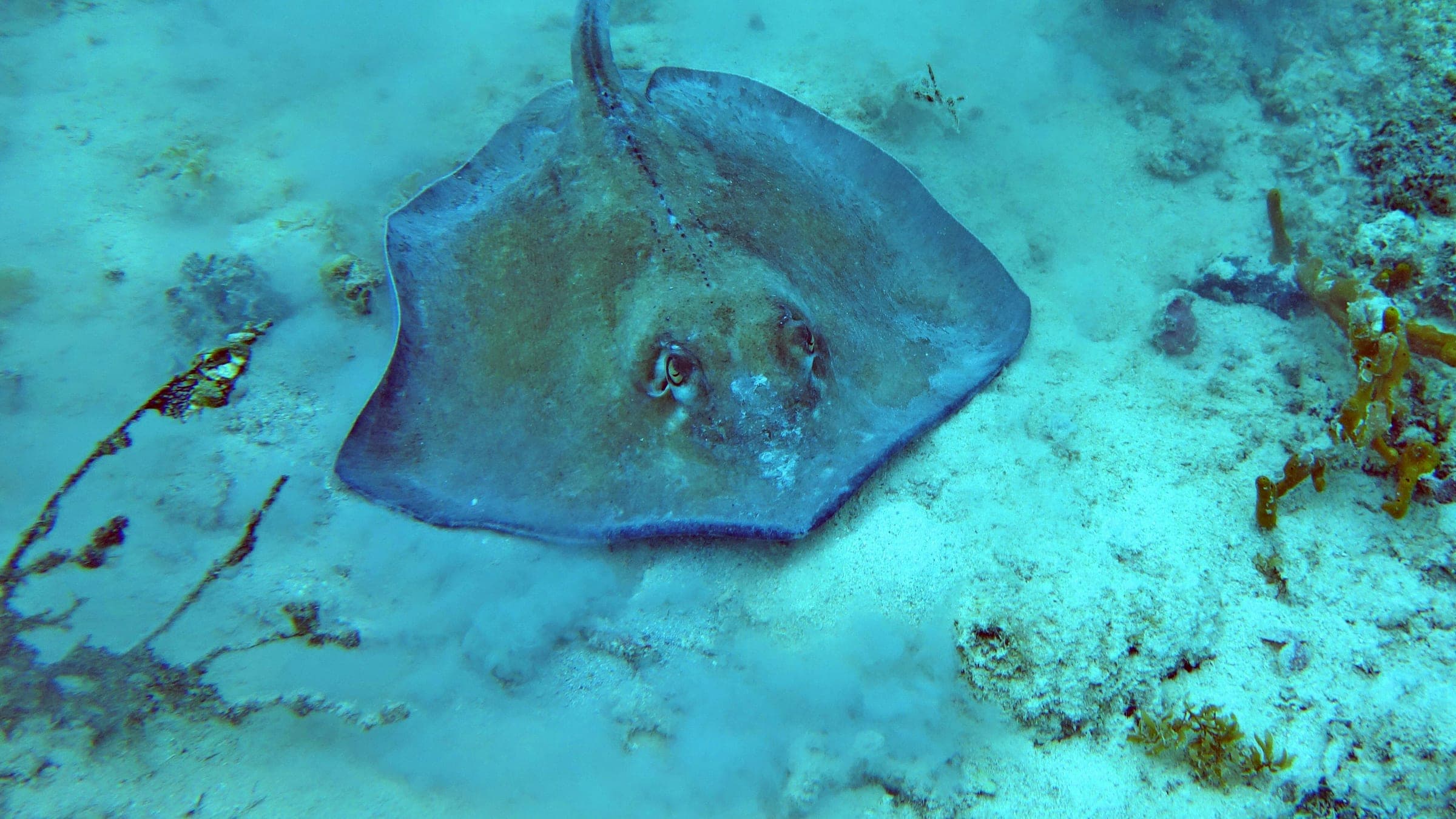
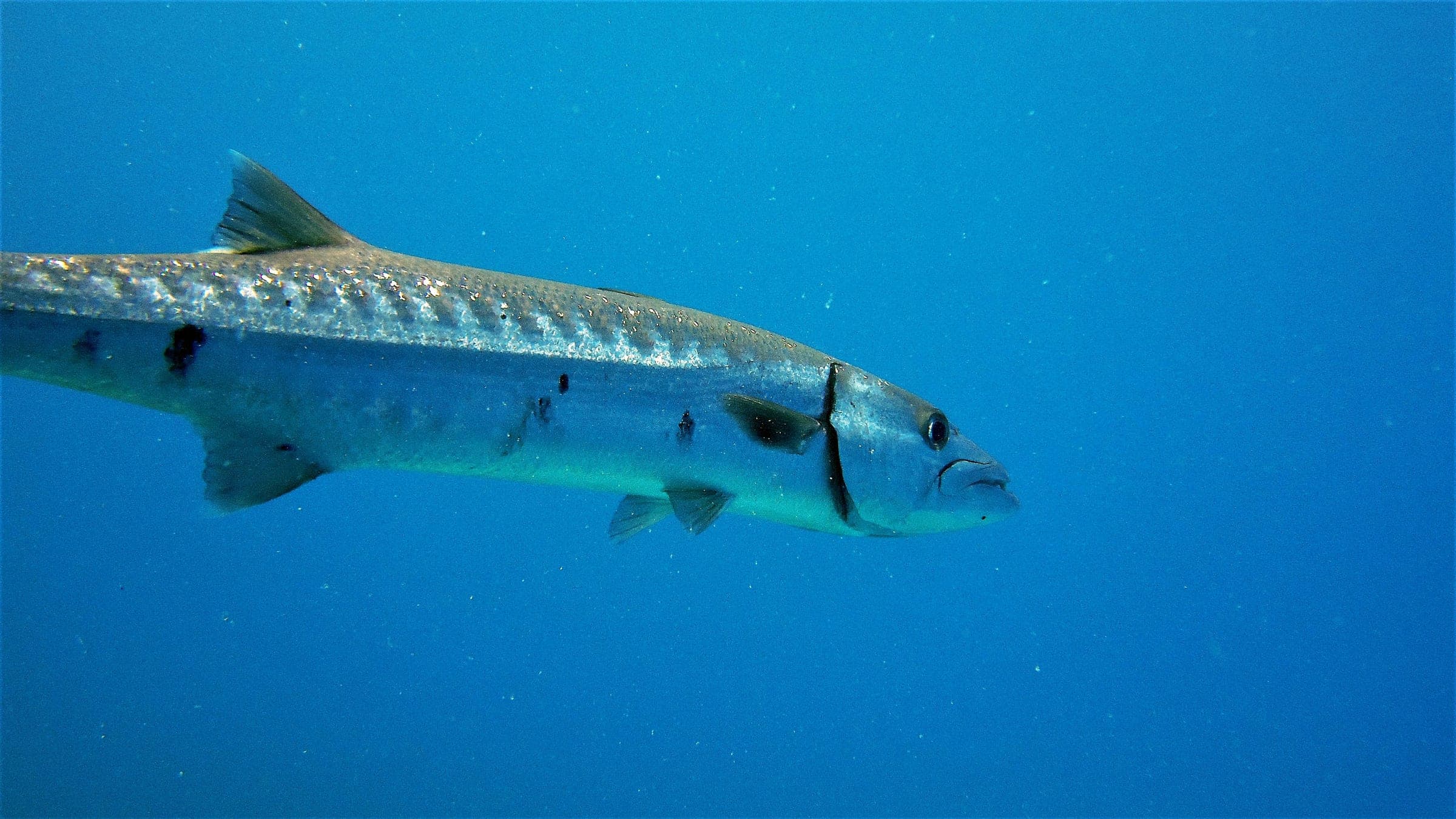
Top species linked to approved dive spots in Akumal.
Share what the whole destination was like. Once enough independent reviews are approved, DiveJourney publishes anonymous patterns, not reviewer profiles.
Quick shortlist before you jump into the full planning page.

DiveJourney destination guides are living documents built from local knowledge, operator experience, and publicly available sources. Conditions, regulations, and logistics can change. Each guide shows its last update date and sources used.
Last updated: January 23, 2026 • 15 sources
If destination data is inaccurate, stale, missing, or sourced poorly, send a factual correction. This is separate from anonymous destination reviews.
Use Akumal as a hub for Cozumel drift dives, Playa del Carmen boat diving, and winter bull shark trips.
9 linked spots
Best time to go
December to April
Drier air, more comfortable topside temps, and reliable beach days. Water often 26°C to 28°C.
Main caution: Hotter, wetter, and peak hurricane watch. Higher chance of sargassum and shortnotice storms.