Best time to go
September to December
Generally calmer seas and excellent viz; steady trades around 20 km/h.
Main caution: Stronger trades and chop; pick leeward coves.

Wreck-rich Caribbean diving with steady trade winds and easy logistics
Overview
Aruba delivers clear water, reliable trade winds, and some of the Caribbean's most approachable wrecks. Most diving happens on the calm west and south coasts, with shore-access entries at Mangel Halto and Pos Chiquito and boat trips to icons like Antilla, Pedernalis, and Jane Sea. Topside, Arikok National Park protects dramatic desert and coastline. Aruba operates marine protected areas around key habitats and a land conservation pass for Arikok, but there is no separate marine tag for divers. Complete the online ED-Card before arrival and budget the ED sustainability fee. US CBP preclearance at AUA speeds flights home.
Antilla, Pedernalis, Jane Sea, and Debbie II sit between 10 m and 30 m bottoms, ideal for recreational profiles.
Mix easy shore entries at Mangel Halto and Pos Chiquito with short-run boat dives to wrecks and reefs.
Four Marine Protected Areas under the Aruba Conservation Foundation and a large terrestrial park conserve reefs, seagrass, mangroves, and desert habitats.
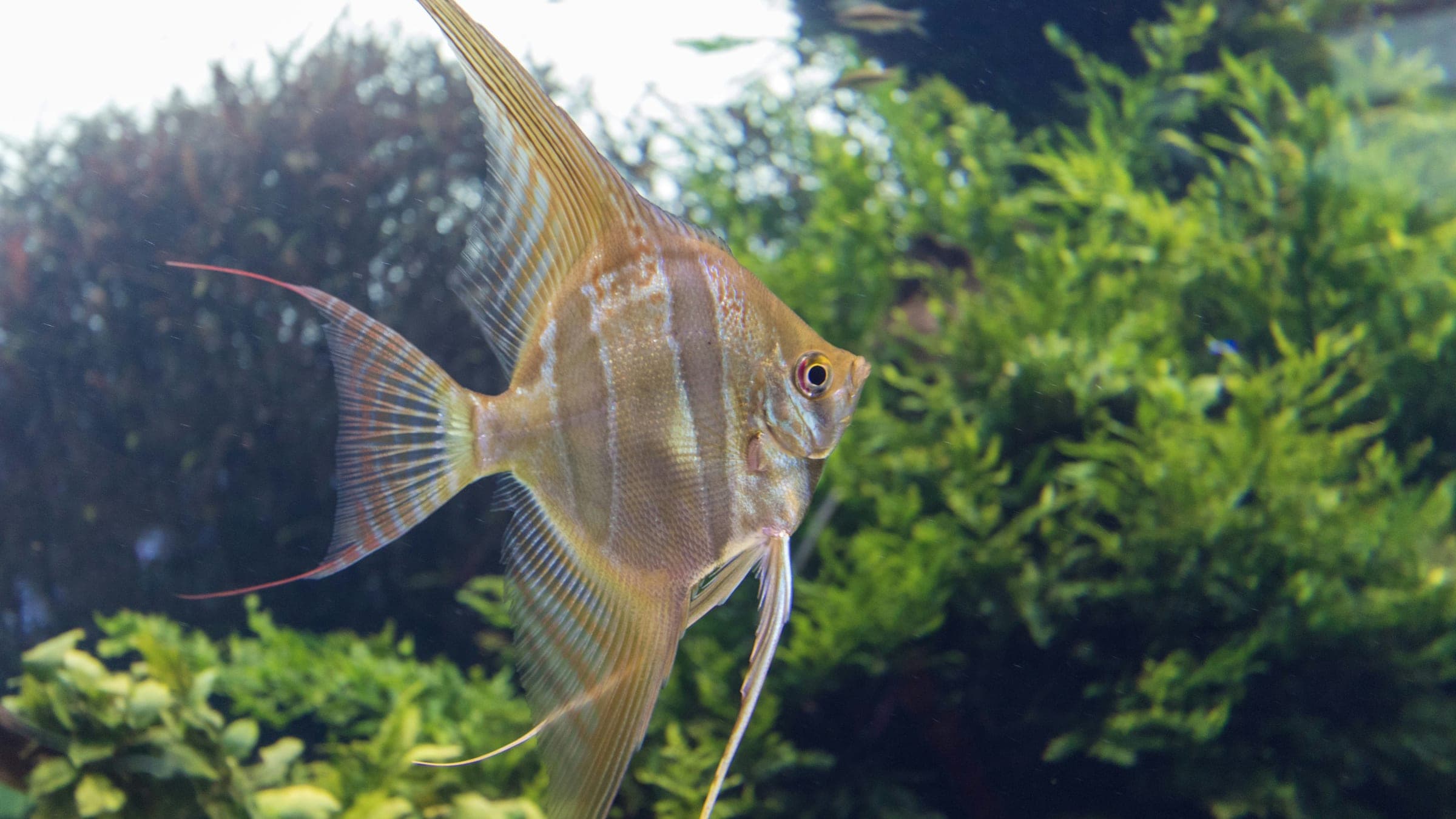
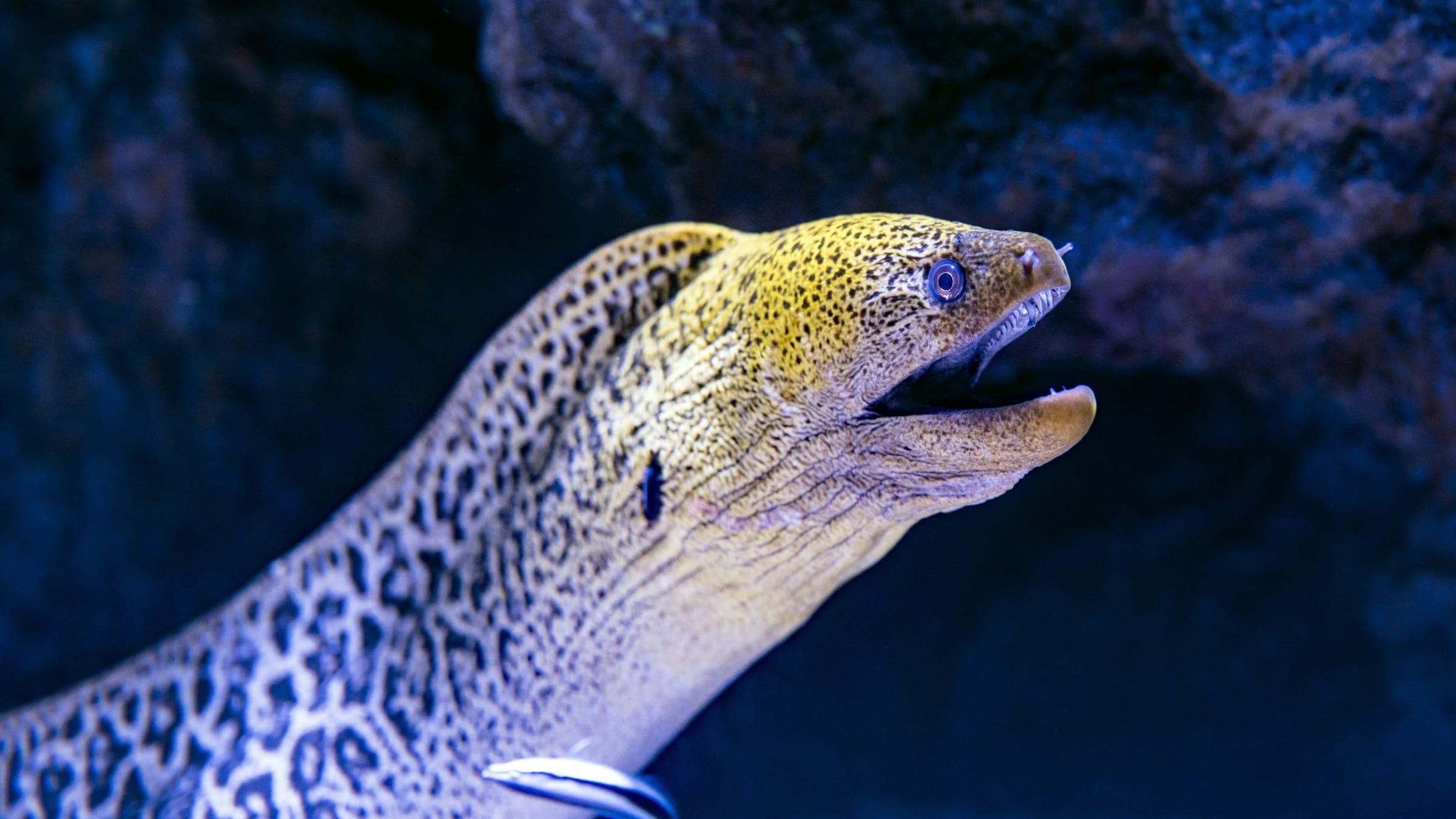
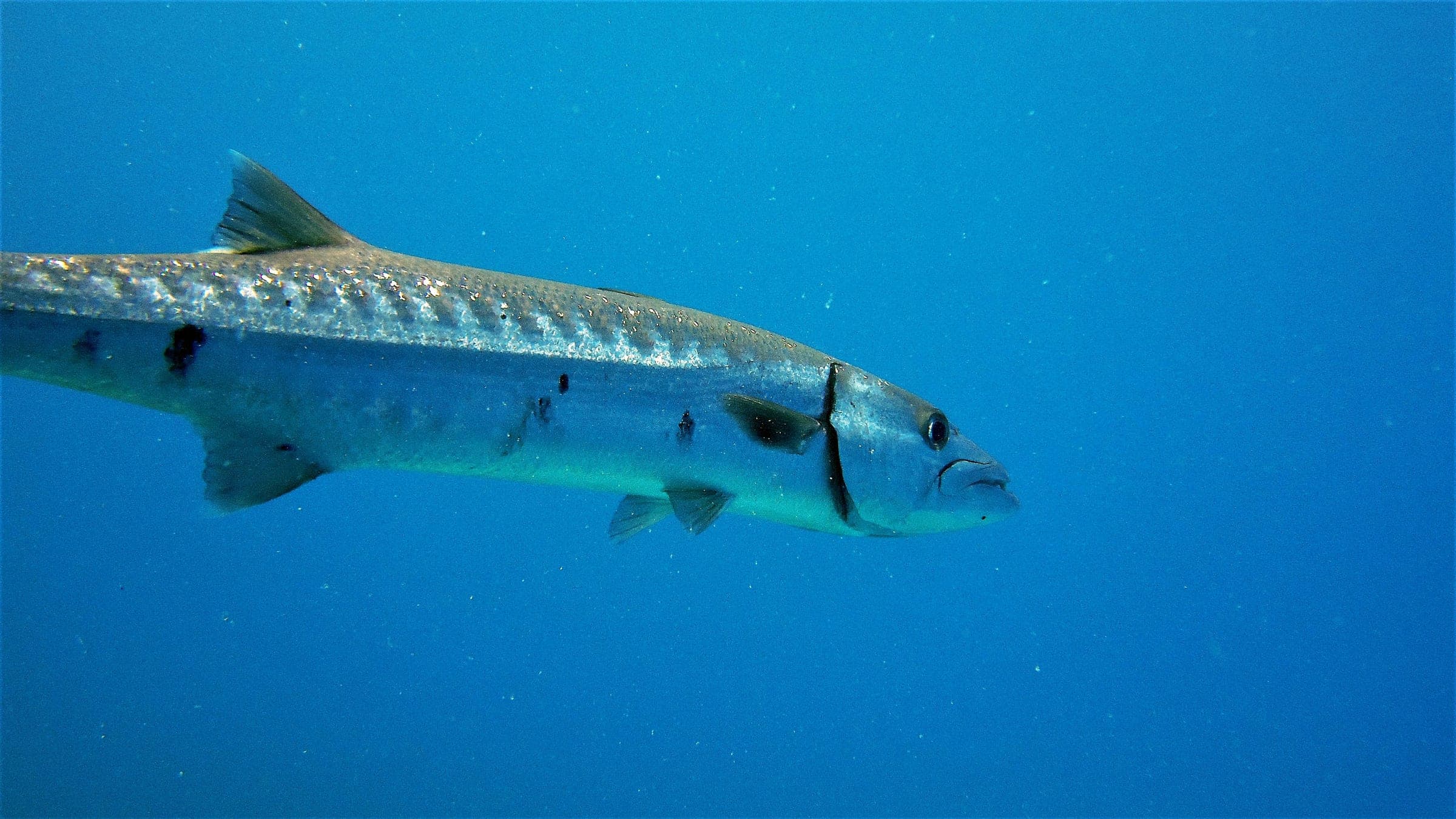
Top species linked to approved dive spots in Aruba.
Share what the whole destination was like. Once enough independent reviews are approved, DiveJourney publishes anonymous patterns, not reviewer profiles.
Quick shortlist before you jump into the full planning page.
DiveJourney destination guides are living documents built from local knowledge, operator experience, and publicly available sources. Conditions, regulations, and logistics can change. Each guide shows its last update date and sources used.
Last updated: October 30, 2025 • 8 sources
If destination data is inaccurate, stale, missing, or sourced poorly, send a factual correction. This is separate from anonymous destination reviews.
Online ED-Card with pre-arrival completion and US preclearance at AUA streamline travel days.
7 linked spots
Best time to go
September to December
Generally calmer seas and excellent viz; steady trades around 20 km/h.
Main caution: Stronger trades and chop; pick leeward coves.