Destination guide
Bonaire
Drive, dive, repeat on the Caribbean's shore-diving capital
Community
0 in the area now · 0 planning trips
Counts include locals plus active trips inside the destination boundary; “planning” includes any future trip.
Currently Viewing:
Overview
Drive, dive, repeat on the Caribbean's shore-diving capital
Bonaire is purpose-built for self-guided diving and snorkeling. Since 1979 the entire coastline has been protected as a marine park, funded by a simple nature fee. Yellow-painted stones mark dozens of shore entries where reefs start within a short kick from the beach. Trade winds keep temps stable, visibility high, and surface chop manageable on the leeward side. East Coast boat dives add adrenaline, Lac Bay delivers world-class windsurfing, and Washington Slagbaai National Park rewards topside explorers.
Why Bonaire
- Shore-diving freedom with 60+ easily accessed sites and convenient tank-swap locations.
- Consistent conditions: warm water, steady trade winds, low hurricane exposure.
- Conservation culture led by STINAPA with clear rules and simple permits.
Marine Park at a Glance
- All waters to 75 m from shore are protected as Bonaire National Marine Park.
- No anchoring, no gloves or kneepads while diving, and no touching or taking marine life.
- Mandatory orientation/briefing before diving; SMB strongly recommended.
Typical Conditions
- Water 26°C - 30°C year-round.
- Trade winds around 20.0 kph - 35.0 kph; calmer Sep - Dec.
- Visibility commonly 20 m - 30 m on the leeward coast.
Who Will Love It
- Scuba divers chasing macro, wrecks, and unlimited shore dives.
- Snorkelers seeking fish-rich, shallow fringing reefs.
- Freedivers training from easy drop-offs with quick depth access.
- Non-divers into hiking, wind sports, wildlife, and laid-back food trucks.
Trip callouts
- Marine Park Since 1979
Bonaire protected its entire coastline in 1979; rules and fees fund rangers and moorings.
- Shore-Diving Paradise
Yellow stones mark drive-and-dive entries; reefs start a short swim from shore.
- Trade-Wind Stability
Easterly trades keep the leeward coast calm for most of the year.
- Tank Access
Island-wide tank pickup/drive-thrus make multi-dive days simple.
Activity highlights
scuba
Why Bonaire for Scuba Diving
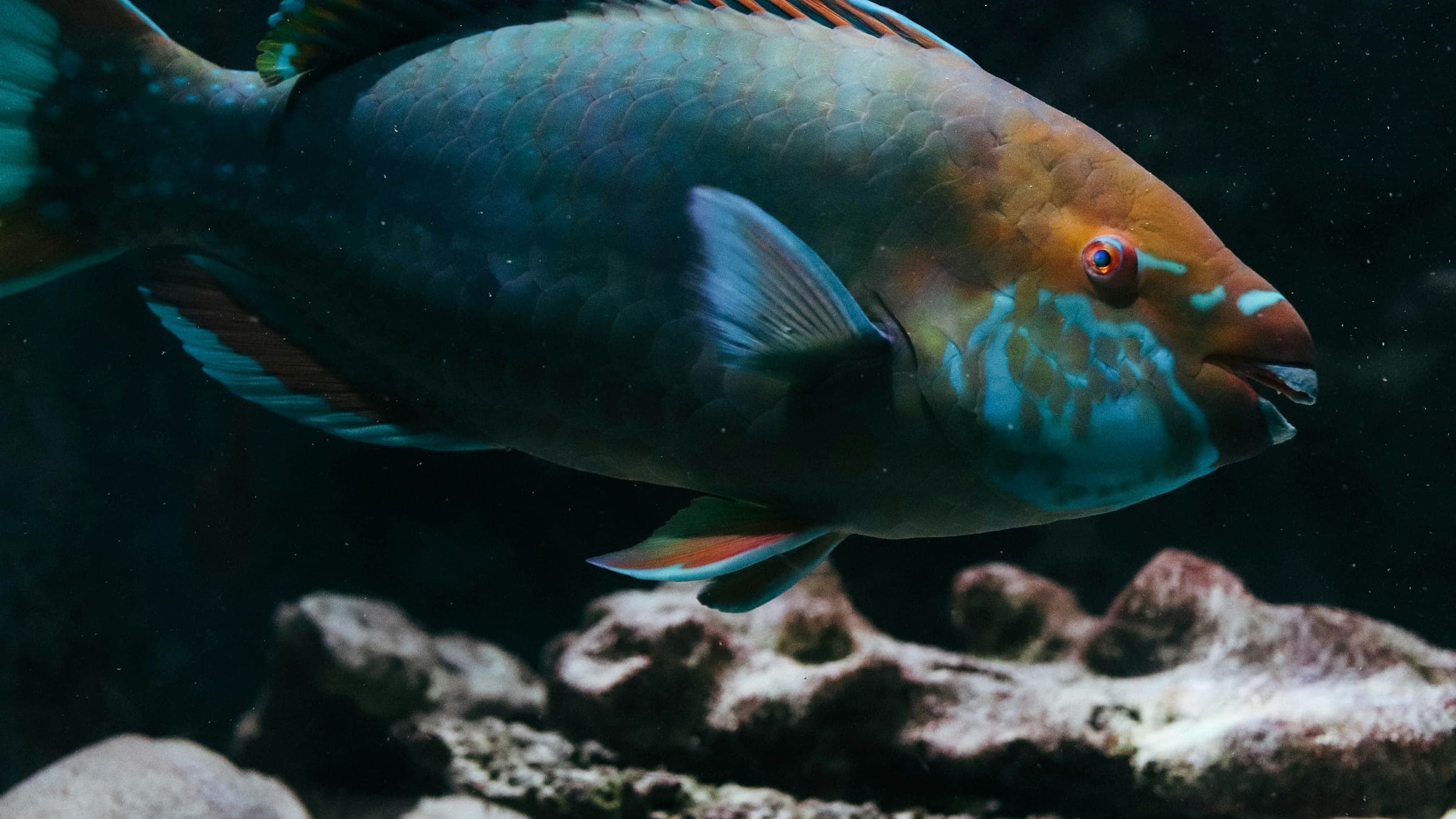
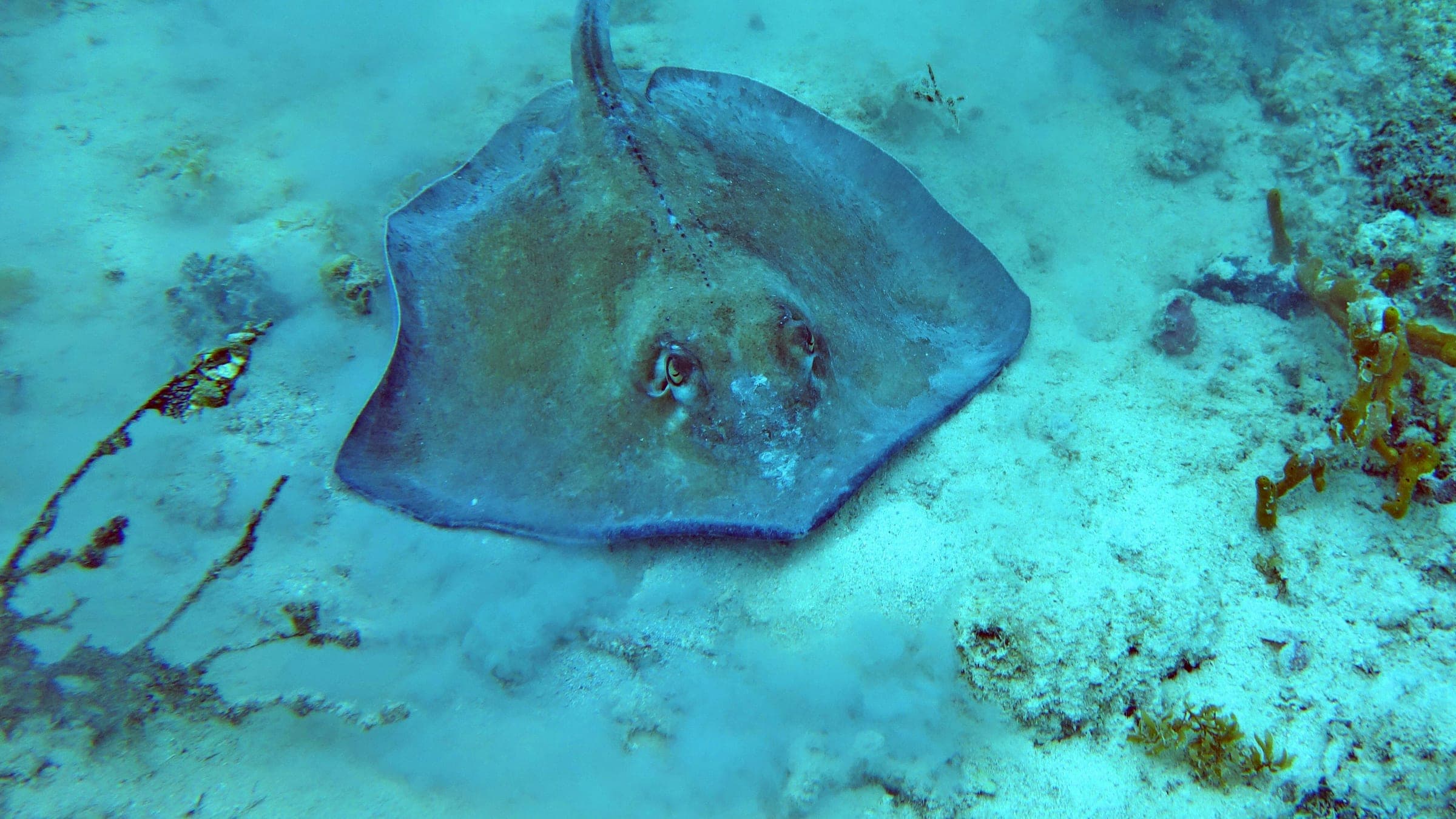
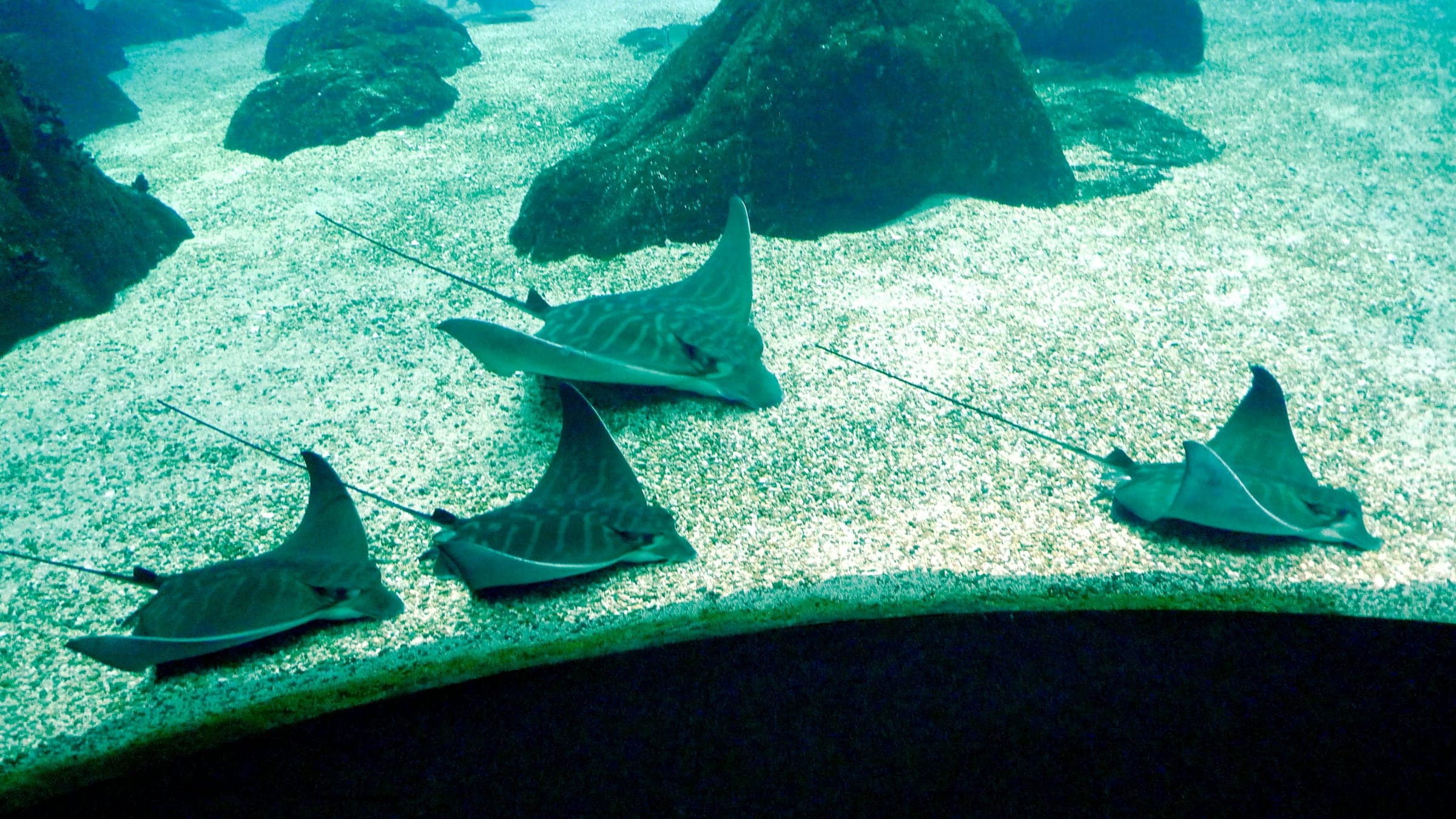
Self-paced shore dives define Bonaire. Park next to yellow stones, kit up, and kick straight onto hard-coral reefs alive with parrotfish, tarpon, and seahorses. Add a classic wreck (Hilma Hooker), pier pillars thrumming with life (Salt Pier when no ship is berthed), and a wilder East Coast by boat for turtles and rays.
freedive
Why Bonaire for Freediving
Quick depth access, warm clear water, and minimal boat traffic make Bonaire a relaxed training base. Many house reefs drop from the reef crest to 30 m within a short fin, and sheltered mornings offer glassy hangs. Pair depth days with gentle current drift sessions or technique work along the reef.
snorkel
Why Bonaire for Snorkeling
Many reefs begin in 2 m - 5 m, so you can drift over elkhorn and schools minutes from shore. Add an easy water taxi to Klein Bonaire's No Name Beach for classic drifts, or book a guided mangrove snorkel at Lac Bay to float through seagrass and nursery habitats.
topside
Topside Bonaire: Nature, Wind, and Slow Island Days
Hike Washington Slagbaai's cactus hills, windsurf the turquoise flats of Lac Bay, and kiteboard Atlantis Beach where the trades pump. In Rincon, sip cactus liqueur at the Cadushy Distillery, then chase sunset at the salt pans where flamingos forage against white salt pyramids.
About these guides
DiveJourney destination guides are living documents built from local knowledge, operator experience, and publicly available sources. Conditions, regulations, and logistics can change. Each guide shows its last update date and sources used.
Last updated: October 28, 2025 • 26 sources
If you see something inaccurate or outdated, you can submit an update. This is how the platform improves.