Best time to go
April - October
Drier weather, steadier seas, and more consistent visibility. Water stays around 28°C.
Main caution: Wetter monsoon months can bring heavier rain and choppier crossings, especially when winds build to 20 km/h or more.
Mantas, turtles, and a stingless jellyfish lake in a remote Coral Triangle corner of Borneo
Overview
The Derawan Islands (Derawan Archipelago) sit off Berau in East Kalimantan and are best known for four names: Derawan, Maratua, Sangalaki, and Kakaban. It is a Coral Triangle mix of easy house reefs and current-swept points where mantas, turtles, and big schools can show up on schedule.
A typical trip blends reef dives for macro and turtles, drifts on wall edges when tides line up, and at least one topside day for Kakaban's famous stingless jellyfish lake and nearby lagoons. Logistics are part of the adventure: most itineraries route via Berau (BEJ), then a drive to Tanjung Batu and speedboats into the islands.
Plan for remote-island realities, carry dive insurance, and treat the area like a working conservation landscape. Do that, and Derawan delivers big-animal moments, unique brackish lakes, and quiet island time far from the usual routes.
Derawan sits in the Western Coral Triangle, with reef, wall, and lagoon habitats that support big animals and macro life.
Sangalaki is a signature stop for manta encounters, and turtles are common on reefs and beaches across the island group.
Kakaban's brackish lake with stingless jellyfish is a rare, topside-friendly highlight that pairs perfectly with dive days.
Top species linked to approved dive spots in Derawan Islands.
Share what the whole destination was like. Once enough independent reviews are approved, DiveJourney publishes anonymous patterns, not reviewer profiles.
Quick shortlist before you jump into the full planning page.
DiveJourney destination guides are living documents built from local knowledge, operator experience, and publicly available sources. Conditions, regulations, and logistics can change. Each guide shows its last update date and sources used.
Last updated: December 13, 2025 • 12 sources
If destination data is inaccurate, stale, missing, or sourced poorly, send a factual correction. This is separate from anonymous destination reviews.
Getting here takes effort, which keeps the vibe quieter than many Indonesia hotspots. Expect simpler infrastructure and more nature.
Trip Planning
External Booking PartnerThis destination works either as a land-based plan or as a longer liveaboard itinerary. Use the guide for local planning, or compare boats if the remote circuit is the priority.
Land-based guide
Base areas, day boats, local operators, and shore logistics
Liveaboard planning
Boats, departures, and longer expedition-style routes
DiveJourney may earn referral revenue from the external booking partner. Liveaboard bookings are handled by the partner and operator under their terms.
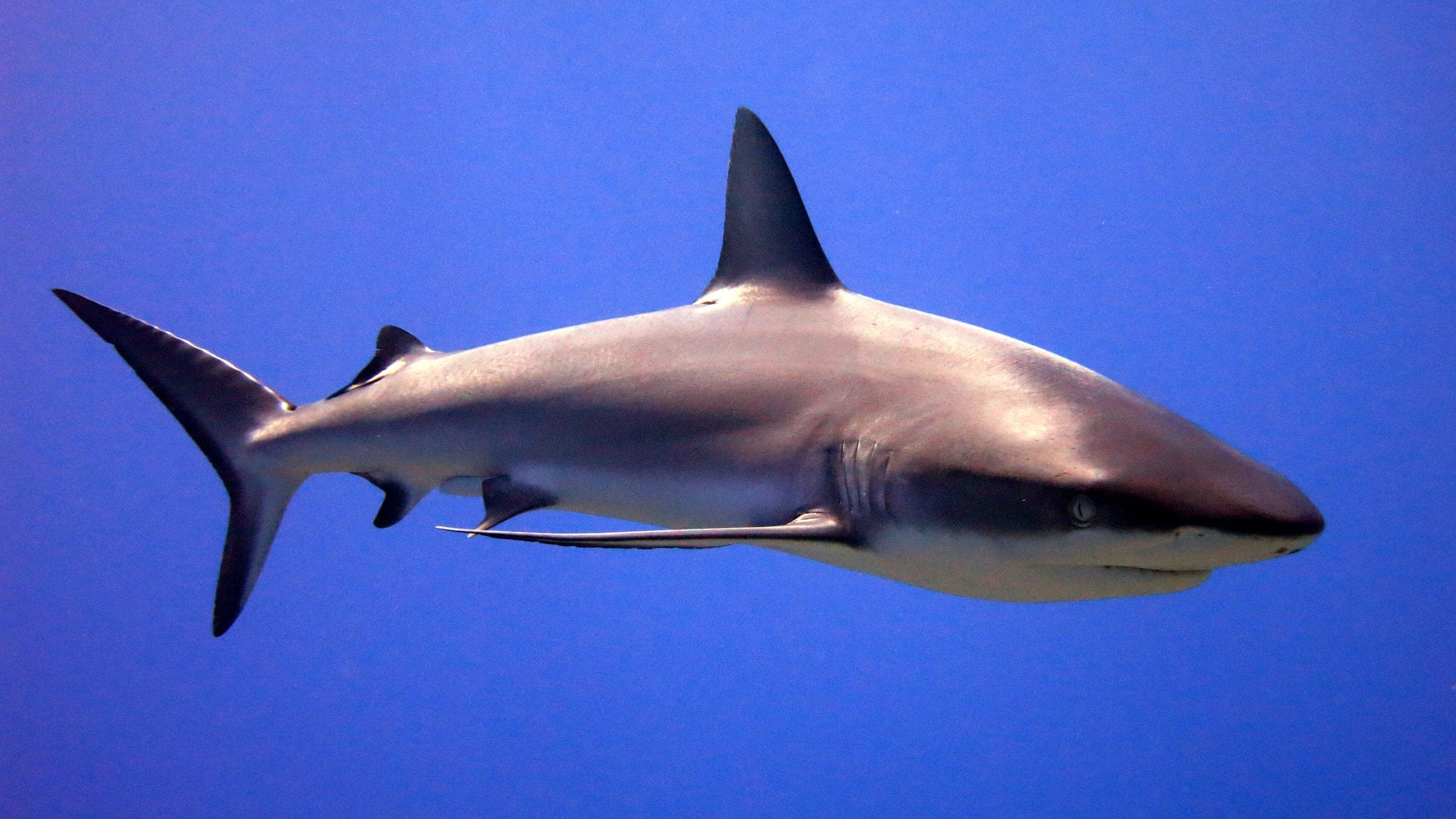
Carcharhinus amblyrhynchos
13 linked spots
Best time to go
April - October
Drier weather, steadier seas, and more consistent visibility. Water stays around 28°C.
Main caution: Wetter monsoon months can bring heavier rain and choppier crossings, especially when winds build to 20 km/h or more.