Fernando de Noronha is Brazil's most coveted oceanic playground, a small archipelago where visitor numbers are capped and every bay feels like part of a living aquarium. Warm water around 27°C and visibility often beyond 30 m make this one of the country's top destinations for diving, freediving and snorkeling. Seventy percent of the area is a no take national marine park that shelters resident spinner dolphins, sea turtles, sharks and nesting seabirds. Access is tightly controlled through daily environmental taxes and park fees, which keeps reefs healthy and beaches uncrowded. Expect premium prices, limited infrastructure and unforgettable blue water.
Everything you should know before planning Noronha
Fernando de Noronha sits alone in the South Atlantic, several hundred kilometers offshore from Recife and Natal. The main island holds almost all accommodation and services, while most of the coastline and surrounding waters fall inside the Fernando de Noronha Marine National Park or the Environmental Protection Area, both managed by ICMBio and recognized by UNESCO for their rich marine life and seabird colonies.
The atmosphere is very different from mainland Brazil. Visitor numbers are capped by law, single use plastics are largely banned and everyone pays a daily environmental tax. Expect a laid back island village in Vila dos Remedios, dramatic volcanic peaks like Morro do Pico, and a ring of beaches frequently ranked among the best in the world, including Baia do Sancho, Baia dos Porcos and Praia do Leao.
Underwater character
Underwater, Noronha is mostly lava pinnacles, walls and boulder fields covered in hard corals, sponges and encrusting life rather than lush soft coral gardens. The Inner Sea facing Brazil is generally calmer and shallower, ideal for newer divers and snorkelers, while the Outer Sea catches more swell and current and offers deeper, more exposed dives. Visibility commonly reaches 25 m to 40 m, and water hovers around 27°C year round, so a thin wetsuit or even skins can be enough for most dives.
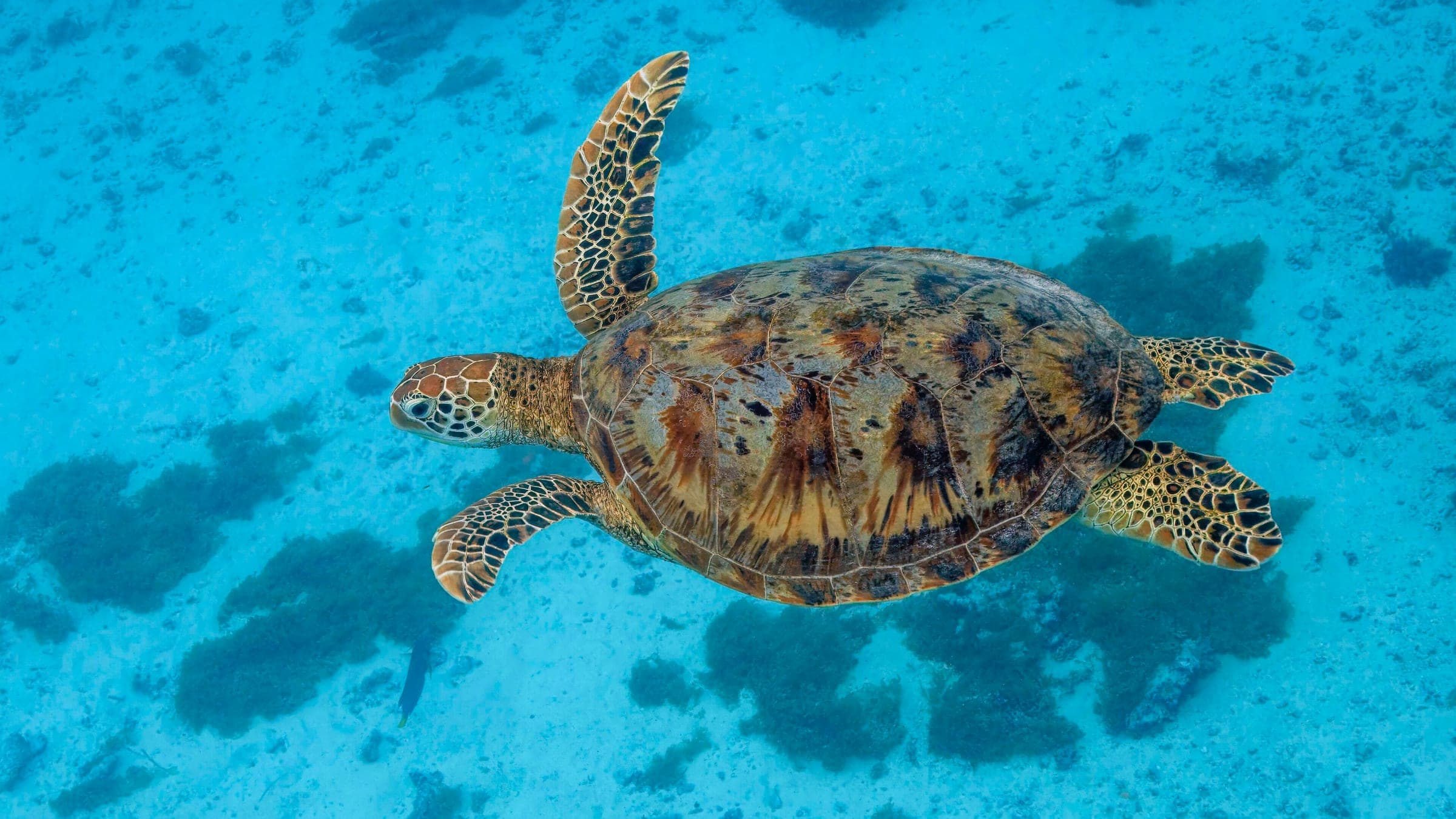
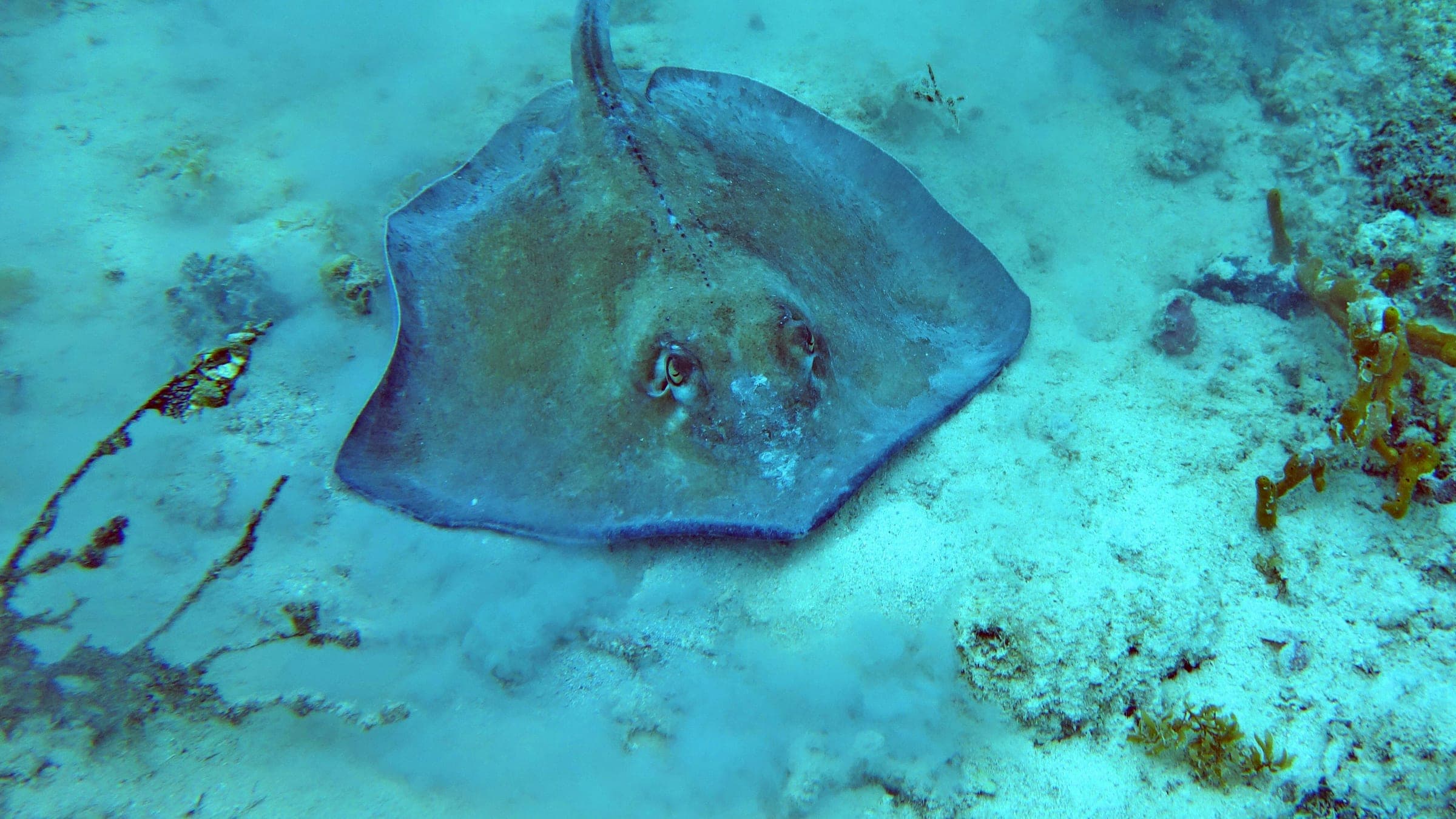
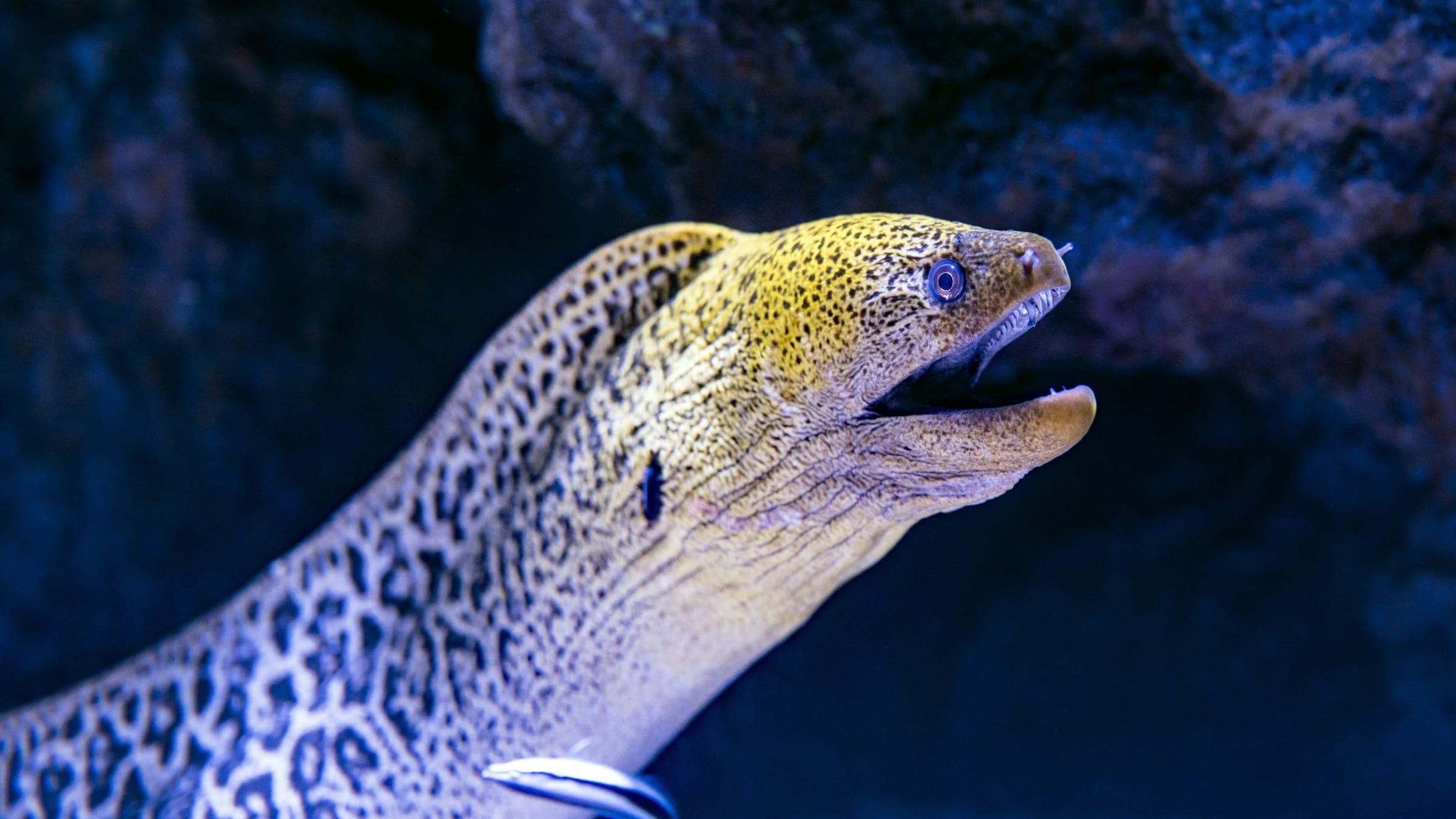
Marine life is the main draw. Residents include large schools of jacks and snapper, rays, nurse and reef sharks, and green and hawksbill turtles. Baia dos Golfinhos is famous for its large resident population of spinner dolphins that use the bay as a daytime resting area.
Conservation culture and rules
Noronha has some of Brazil's strictest marine regulations. The Marine National Park is largely no take and limits access to sensitive trails, viewpoints and tidal pools like Atalaia with quotas, mandatory guides and gear rules such as life jackets, mask and snorkel only and no fins. Several snorkel sites ban sunscreen entirely or require certified reef safe formulas. Fishing and spearfishing are prohibited in park waters. Rangers at ICMBio control points enforce time slots and maximum group sizes, and fines for non compliance are real.
What type of trip this is
This is an exclusive, relatively expensive destination best suited to travelers who value pristine nature over nightlife and big city convenience. Expect high flight costs, simple pousadas rather than large resorts, slow internet and the need to plan permits in advance. In return you get uncrowded boats, near pristine reefs, world class beaches and a genuine sense of being far from anywhere.