Best time to go
December to May
Warmer seas around 24°C to 28°C, lighter winds, calmer rides.
Main caution: Cooler water, stronger trades, rougher crossings.

Pelagics, endemics, and protected waters in a living laboratory
Overview
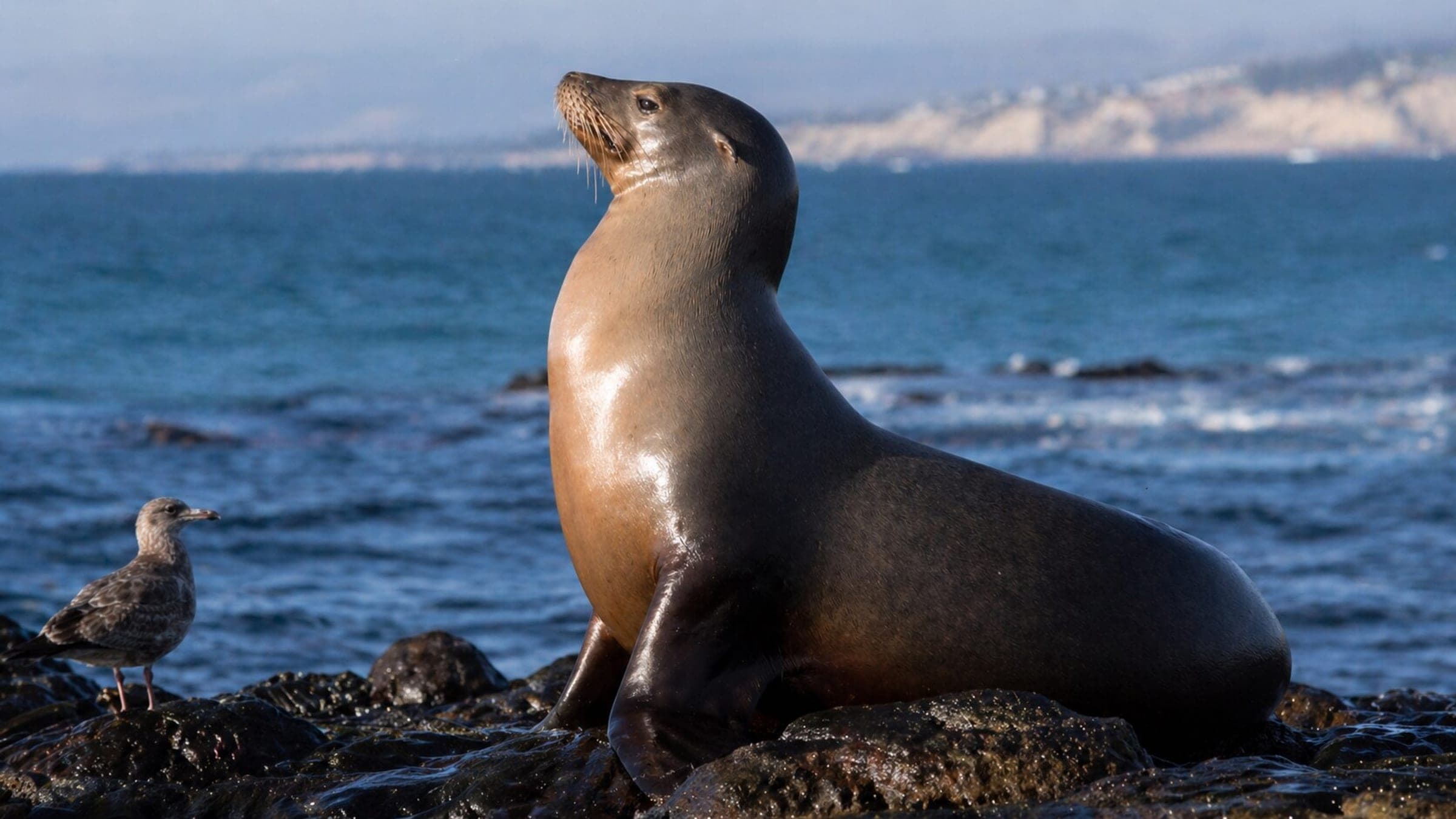
Galapagos delivers big-animal action and surreal encounters with endemic species. Divers target schooling hammerheads and whale sharks at remote Darwin and Wolf, while day boats from Santa Cruz and San Cristobal reach sites like Gordon Rocks and Cousins Rock. Snorkelers and freedivers share the water with sea lions, turtles, and, in the west, penguins. Strict park rules and biosecurity protect fragile ecosystems. Plan around two distinct seasons: Dec to May brings warmer, calmer seas and better viz; Jun to Nov is cooler with strong currents and plankton that draw in megafauna.
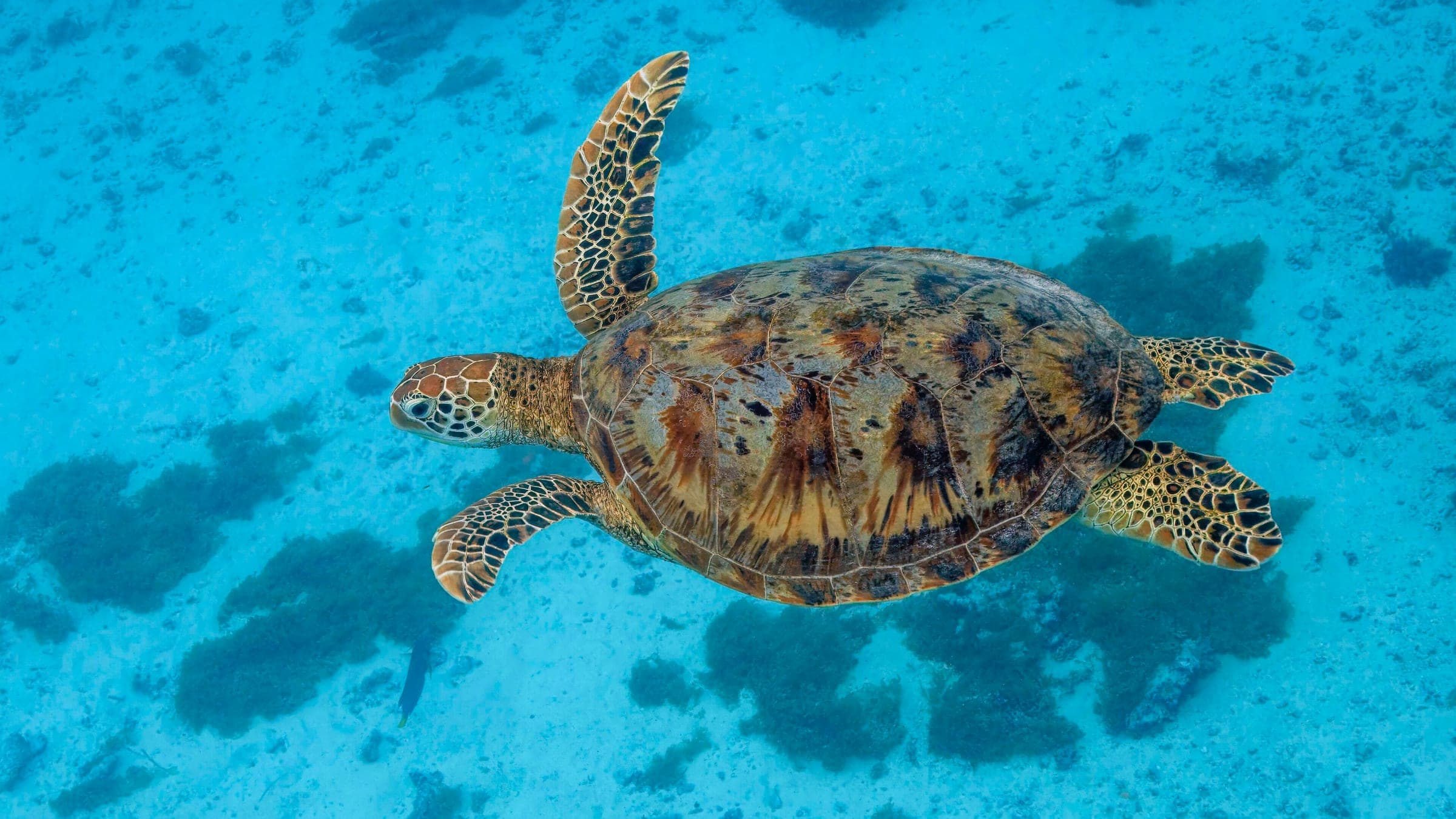
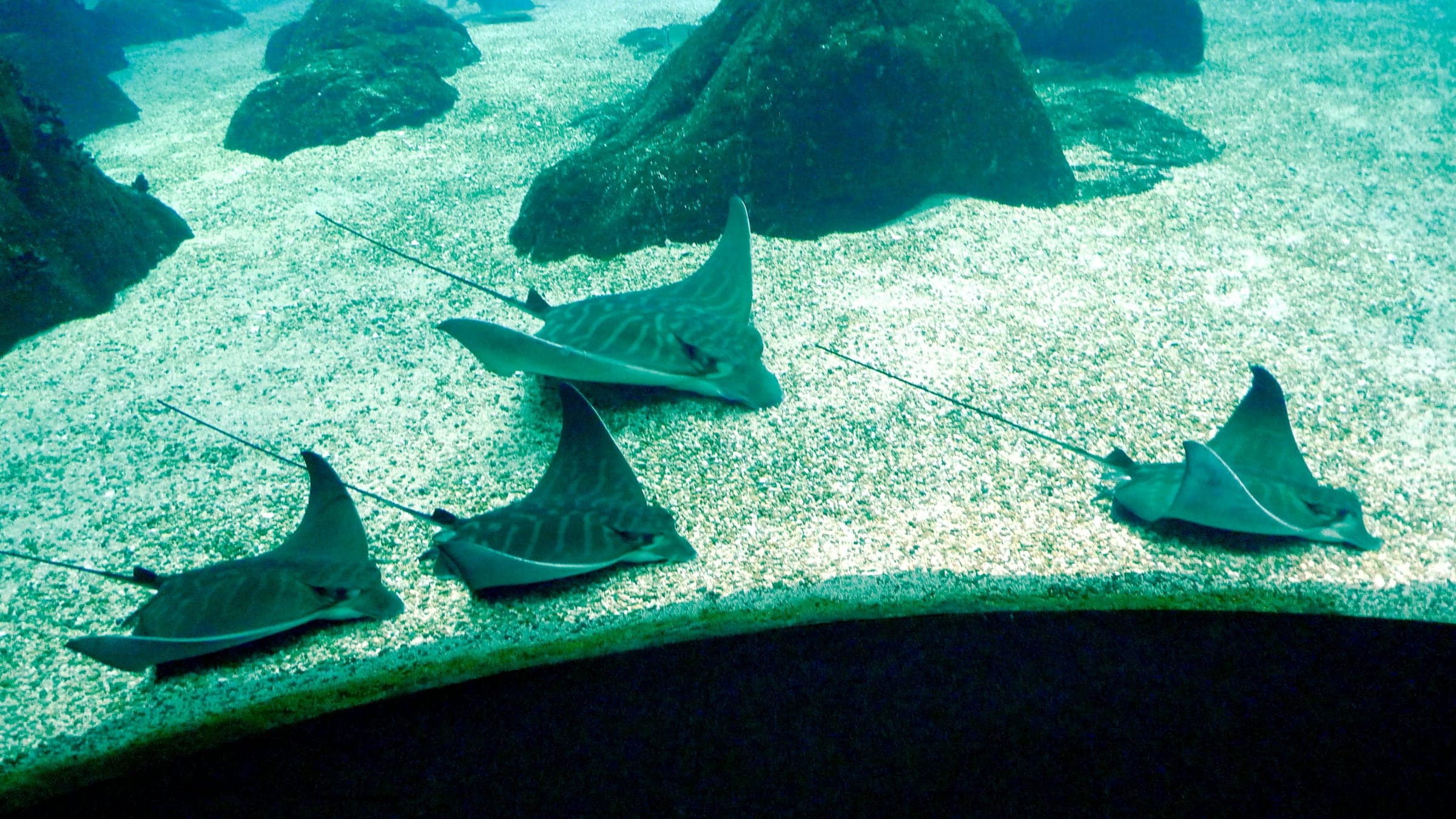
Schooling hammerheads, Galapagos sharks, eagle rays, and seasonal whale sharks up north.
Penguins, marine iguanas, and flightless cormorants on western itineraries.
Park rules and biosecurity keep ecosystems intact for future visitors.
Warm and calm Dec to May; cool and currenty Jun to Nov with plankton blooms.
Top species linked to approved dive spots in Galapagos Islands.
Share what the whole destination was like. Once enough independent reviews are approved, DiveJourney publishes anonymous patterns, not reviewer profiles.
Quick shortlist before you jump into the full planning page.
Floreana boat dives with reef, drift, and wildlife
Advanced Galápagos coral-cave boat dive.
DiveJourney destination guides are living documents built from local knowledge, operator experience, and publicly available sources. Conditions, regulations, and logistics can change. Each guide shows its last update date and sources used.
Last updated: October 30, 2025 • 10 sources
If destination data is inaccurate, stale, missing, or sourced poorly, send a factual correction. This is separate from anonymous destination reviews.
Keep small bills for ferries, water taxis, and municipal dock charges, especially on Isabela.
Trip Planning
External Booking PartnerThis destination works either as a land-based plan or as a longer liveaboard itinerary. Use the guide for local planning, or compare boats if the remote circuit is the priority.
Land-based guide
Base areas, day boats, local operators, and shore logistics
Liveaboard planning
Boats, departures, and longer expedition-style routes
DiveJourney may earn referral revenue from the external booking partner. Liveaboard bookings are handled by the partner and operator under their terms.
10 linked spots
Best time to go
December to May
Warmer seas around 24°C to 28°C, lighter winds, calmer rides.
Main caution: Cooler water, stronger trades, rougher crossings.