Best time to go
Jan-Jun
Drier weather, more leeward glass offs, 27°C to 29°C water.
Main caution: Rainier with higher typhoon risk and stronger trades.

Wrecks from two world wars, a heart shaped blue hole, and tropical walls in the Western Pacific
Overview
Guam blends accessible boat dives inside Apra Harbor with dramatic outer reef walls and historic wrecks. The island's dry season runs January to June, with July to November bringing more rain and the peak of typhoon risk. Water stays around 28°C and visibility often exceeds 30 m on walls like Blue Hole. Snorkelers love the Piti Bomb Holes and Tumon Bay marine preserves. Travel is straightforward via Antonio B. Won Pat International Airport, and U.S. entry rules apply. Expect American style convenience with Chamorro culture, plus daily dive charters from Cabras Marina.
Tokai Maru and SMS Cormoran sit adjacent in Apra Harbor, letting qualified divers visit wrecks from WWI and WWII on one dive.
Expect 27°C to 29°C with light exposure protection for most divers.
Tumon Bay and Piti Bomb Holes are easy entries with abundant reef fish for families and first timers.
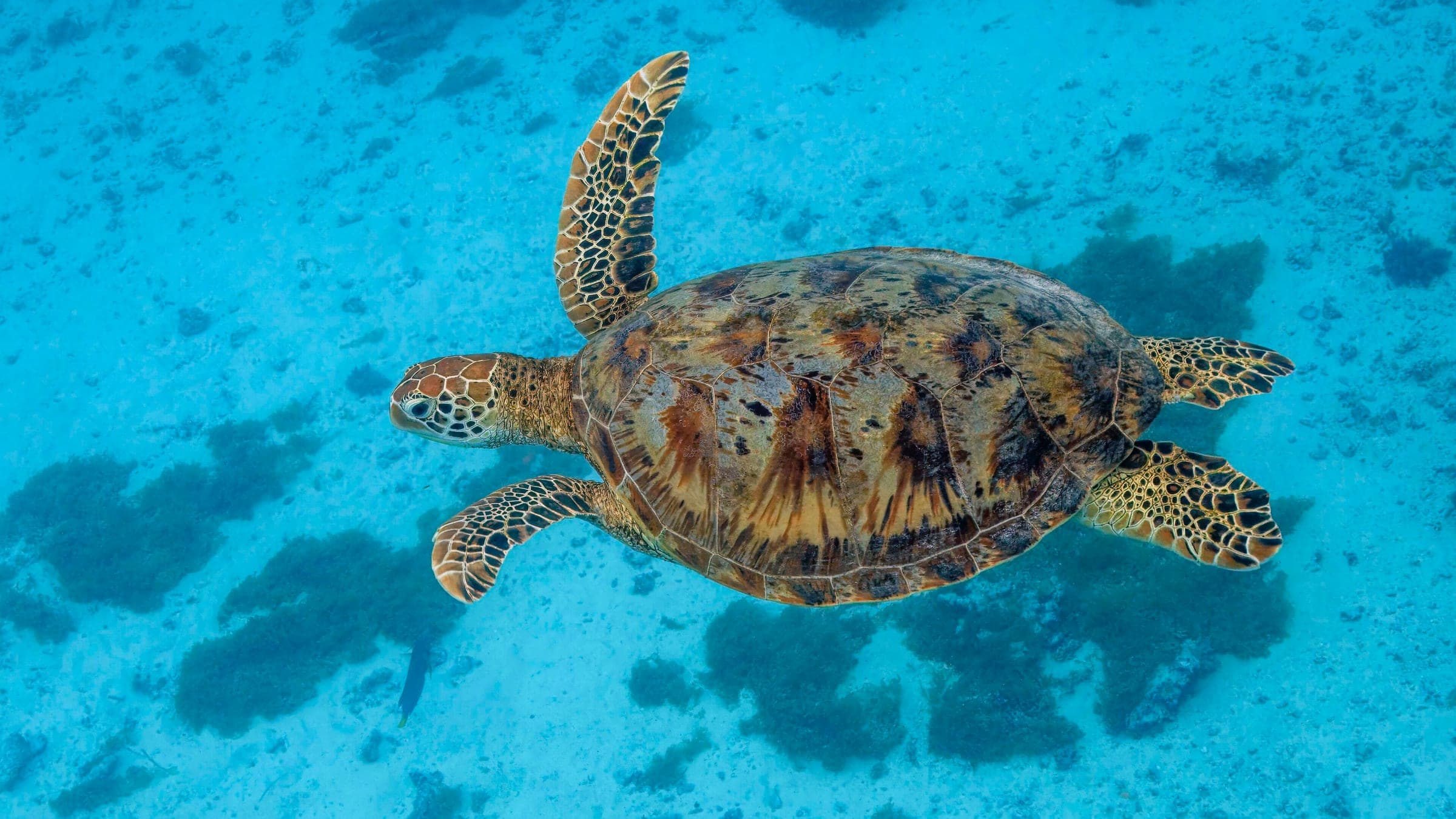
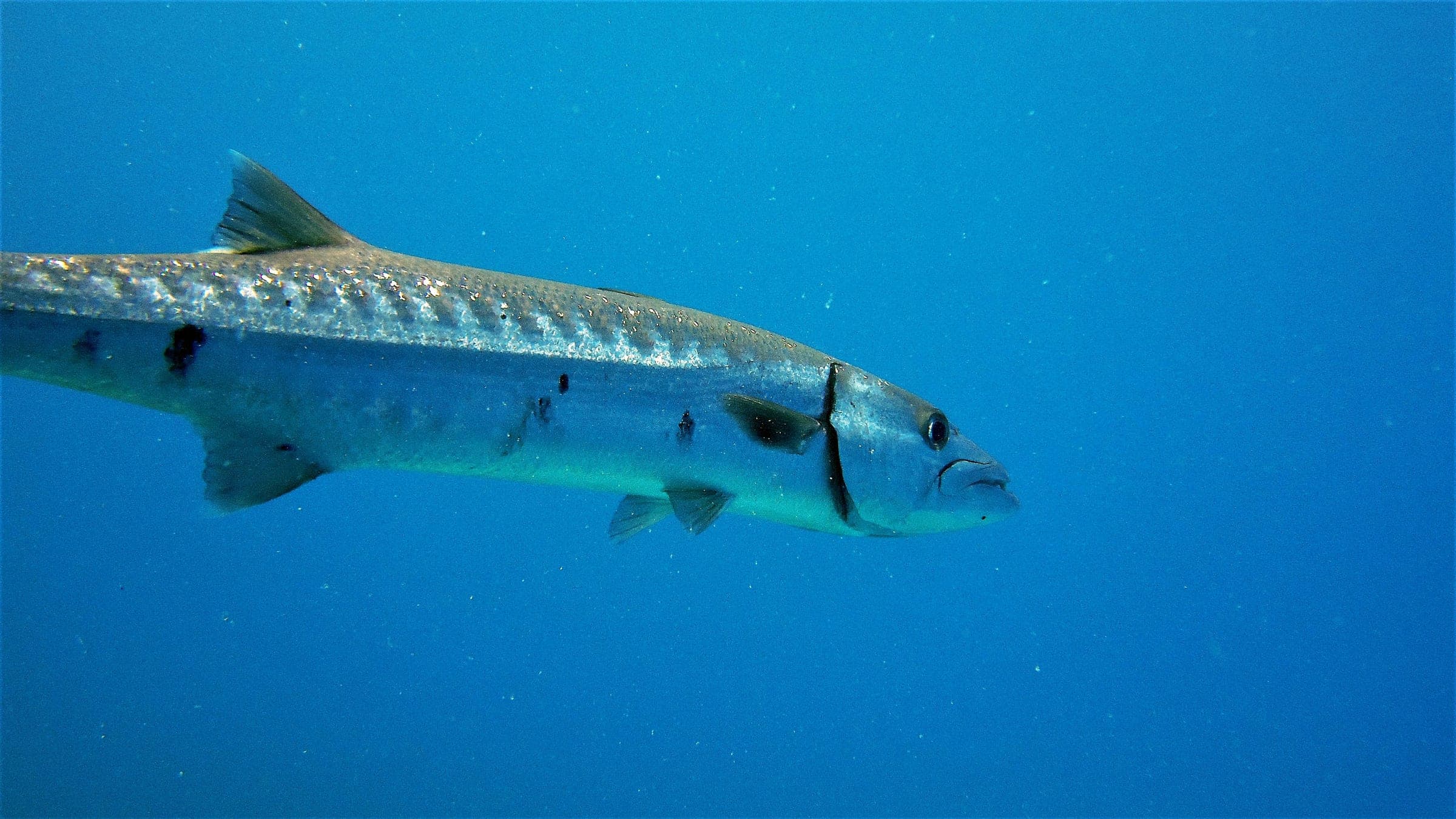
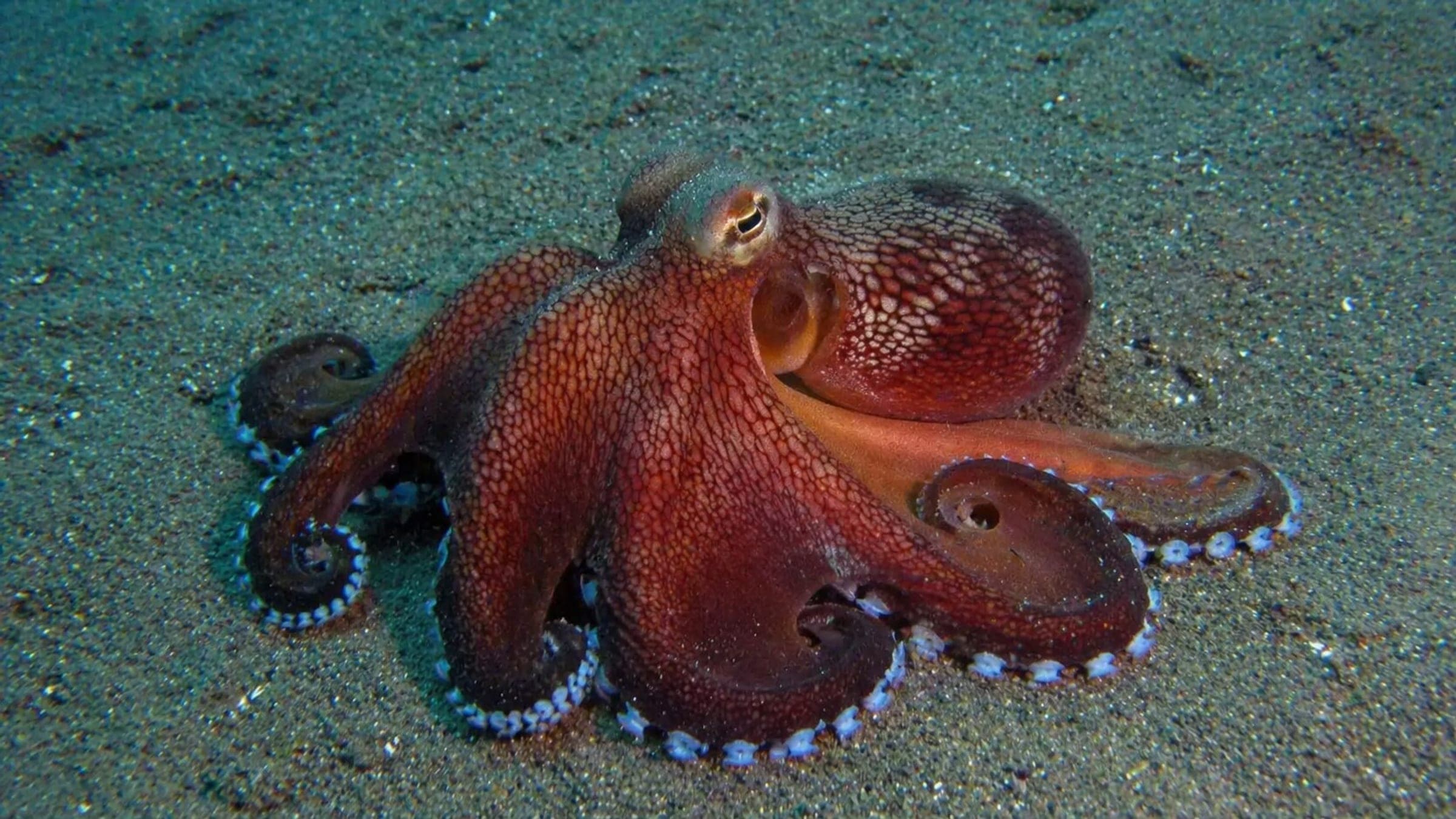
Top species linked to approved dive spots in Guam.
Share what the whole destination was like. Once enough independent reviews are approved, DiveJourney publishes anonymous patterns, not reviewer profiles.
Quick shortlist before you jump into the full planning page.
DiveJourney destination guides are living documents built from local knowledge, operator experience, and publicly available sources. Conditions, regulations, and logistics can change. Each guide shows its last update date and sources used.
Last updated: October 30, 2025 • 34 sources
If destination data is inaccurate, stale, missing, or sourced poorly, send a factual correction. This is separate from anonymous destination reviews.
Most charters leave from Cabras Marina. Bring an SMB for open water pickups outside the harbor.
19 linked spots
Best time to go
Jan-Jun
Drier weather, more leeward glass offs, 27°C to 29°C water.
Main caution: Rainier with higher typhoon risk and stronger trades.