Best time to go
Sep-Nov
Typically calmer seas, warm water near 27°C to 28°C.
Main caution: More trade winds and potential south swells on South Kona bays.

Year-round mantas, lava-formed reefs, and easy access to deep blue water
Overview
The Big Island is Hawaii's dive frontier: calm leeward Kona reefs, world-famous manta ray night dives, and unique pelagic blackwater drifts. Volcanic geology creates lava tubes, arches, and abrupt drop-offs that attract reef life and ocean giants. Conditions vary by coast, with drier, clearer water on the Kona side and greener, surge-prone sites near Hilo. Topside, Hawaiʻi Volcanoes National Park and Maunakea stargazing add bucket-list moments between dives. Local rules protect wildlife, so plan to keep safe distances from mantas, turtles, dolphins, and whales, use day-use moorings, and choose reef-safe sunscreen.
Two primary manta sites off Kona deliver frequent encounters on guided night dives.
Kona pioneered drifting bluewater night dives over deep ocean near shore.
Lava tubes, arches, benches, and a steep offshore drop-off concentrate marine life.
Stable trade-wind climate and leeward positioning create frequent diveable windows.
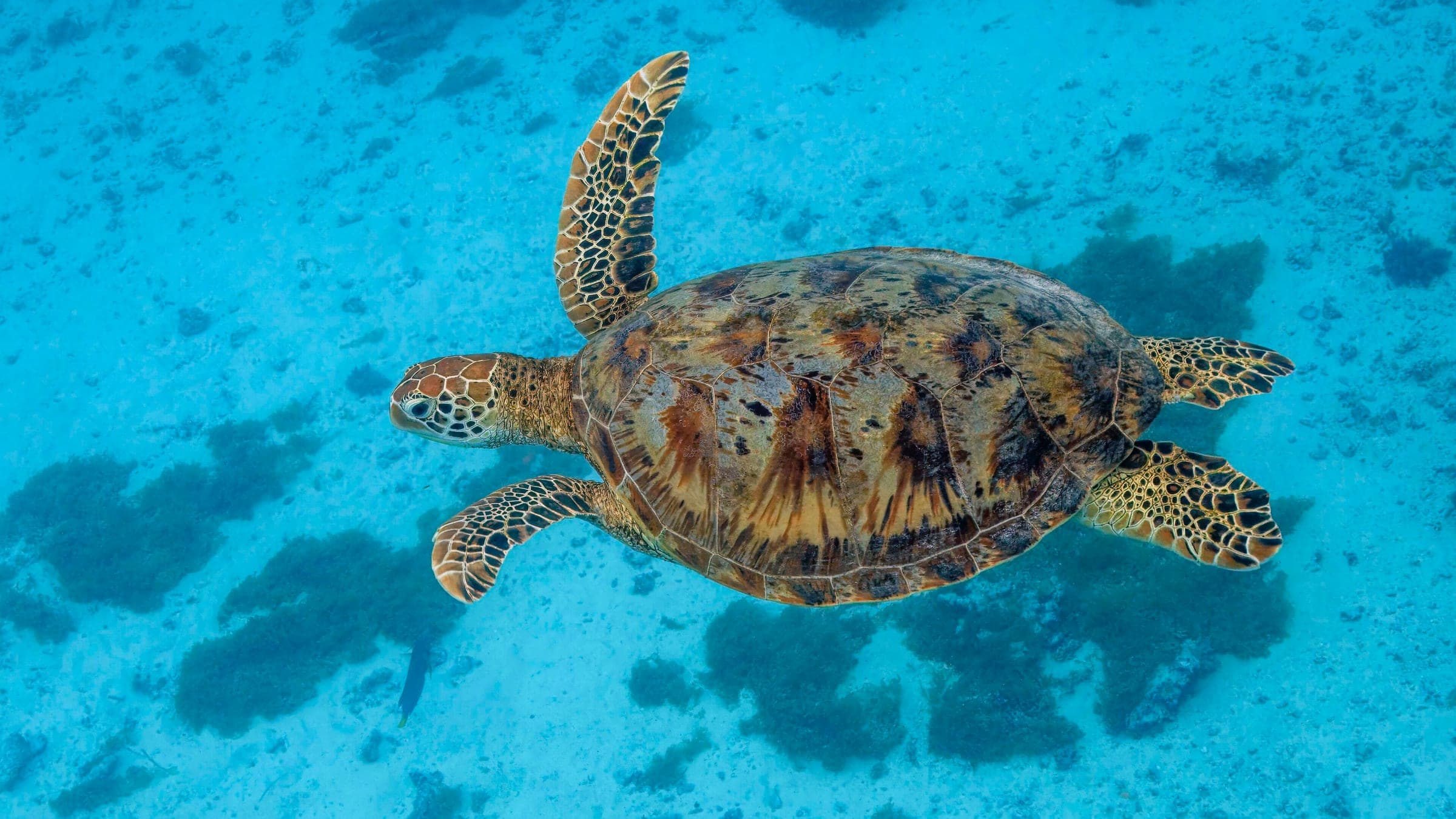
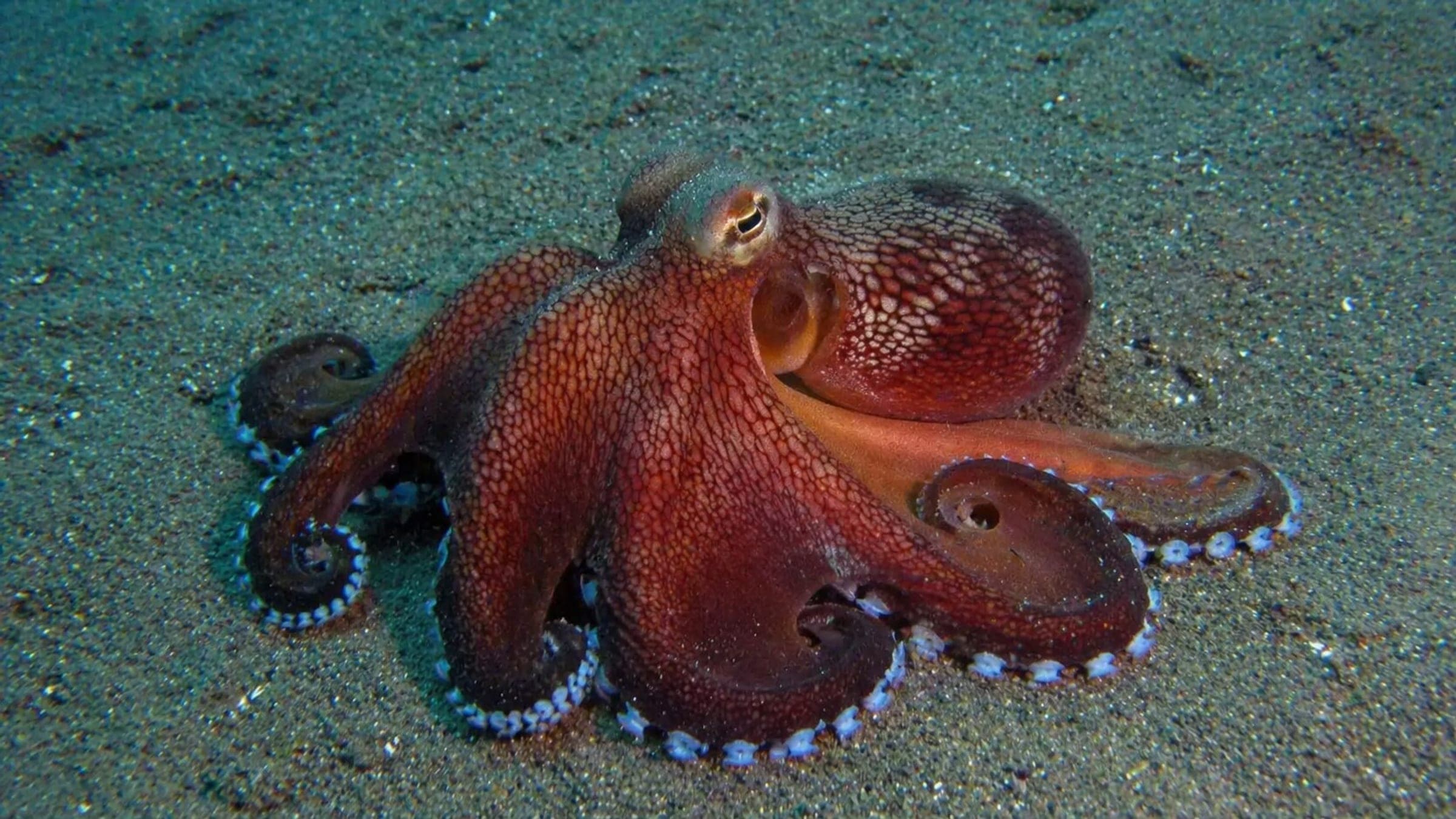
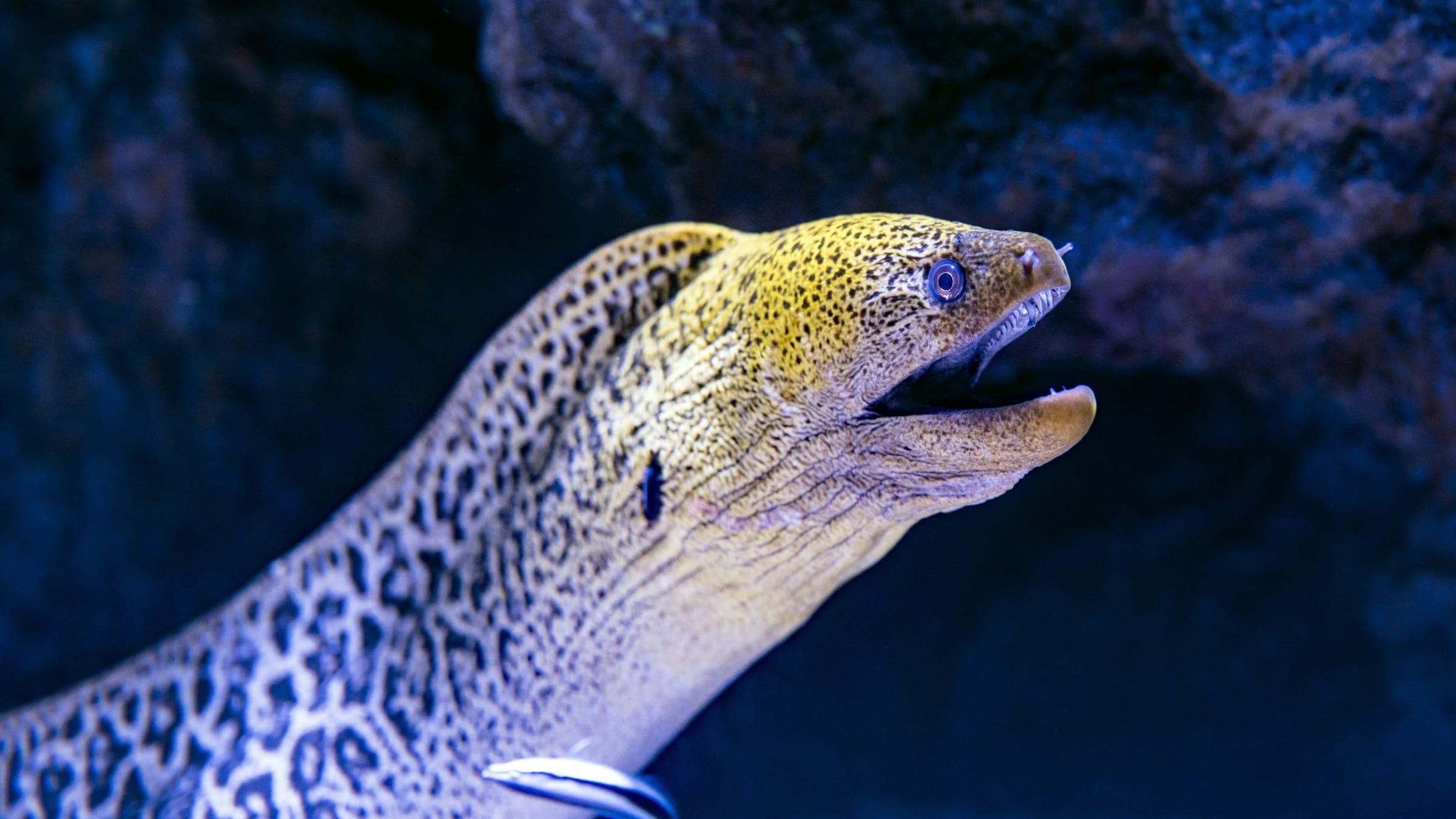
Top species linked to approved dive spots in Hawaii Island (The Big Island).
Share what the whole destination was like. Once enough independent reviews are approved, DiveJourney publishes anonymous patterns, not reviewer profiles.
Quick shortlist before you jump into the full planning page.
Sheltered Makaiwa Bay lava-tube reef with turtles, reef fish, and calm access.
DiveJourney destination guides are living documents built from local knowledge, operator experience, and publicly available sources. Conditions, regulations, and logistics can change. Each guide shows its last update date and sources used.
Last updated: October 30, 2025 • 20 sources
If destination data is inaccurate, stale, missing, or sourced poorly, send a factual correction. This is separate from anonymous destination reviews.
Sep-Nov
Morning glass often delivers best visibility and safer entries before winds and swell increase.
7 linked spots
Best time to go
Sep-Nov
Typically calmer seas, warm water near 27°C to 28°C.
Main caution: More trade winds and potential south swells on South Kona bays.