Best time to go
April to July
Warmer water, steadier seas, and the most reliable boatday odds.
Main caution: Winter cold fronts can spike wind and chop; early fall overlaps peak hurricane risk.

Wrecks, sanctuary reefs, and sunset culture at the end of the road
Overview
Key West sits at the end of the Florida Keys reef tract, where shallow coral gardens, protected sanctuary zones, and headline wrecks all stack up within easy boat range of town. Most days start with a short ride to reefs like Eastern Dry Rocks and Sand Key, then level up to big-ship artificial reefs such as the USS Vandenberg. When the forecast cooperates, a full-day run to Dry Tortugas delivers remote snorkeling, history, and clear-water reefs. Because nearly everything happens inside Florida Keys National Marine Sanctuary zoning, low-impact technique matters: use mooring buoys, keep fins off coral, and respect no-take areas. Pair water time with Old Town sunsets, bikeable streets, and backcountry mangrove tours for a trip that works for divers and non-divers alike.
Key West is home to headline artificial reefs like the USS Vandenberg and other Wreck Trek stops, offering large structure and fishy profiles.
Sanctuary Preservation Areas near Key West allow diving and snorkeling while restricting fishing, collecting, and coral contact, which helps keep shallow reefs worth visiting.
A weather-window day trip puts you on remote islands for Fort Jefferson history and clear-water snorkeling and diving.
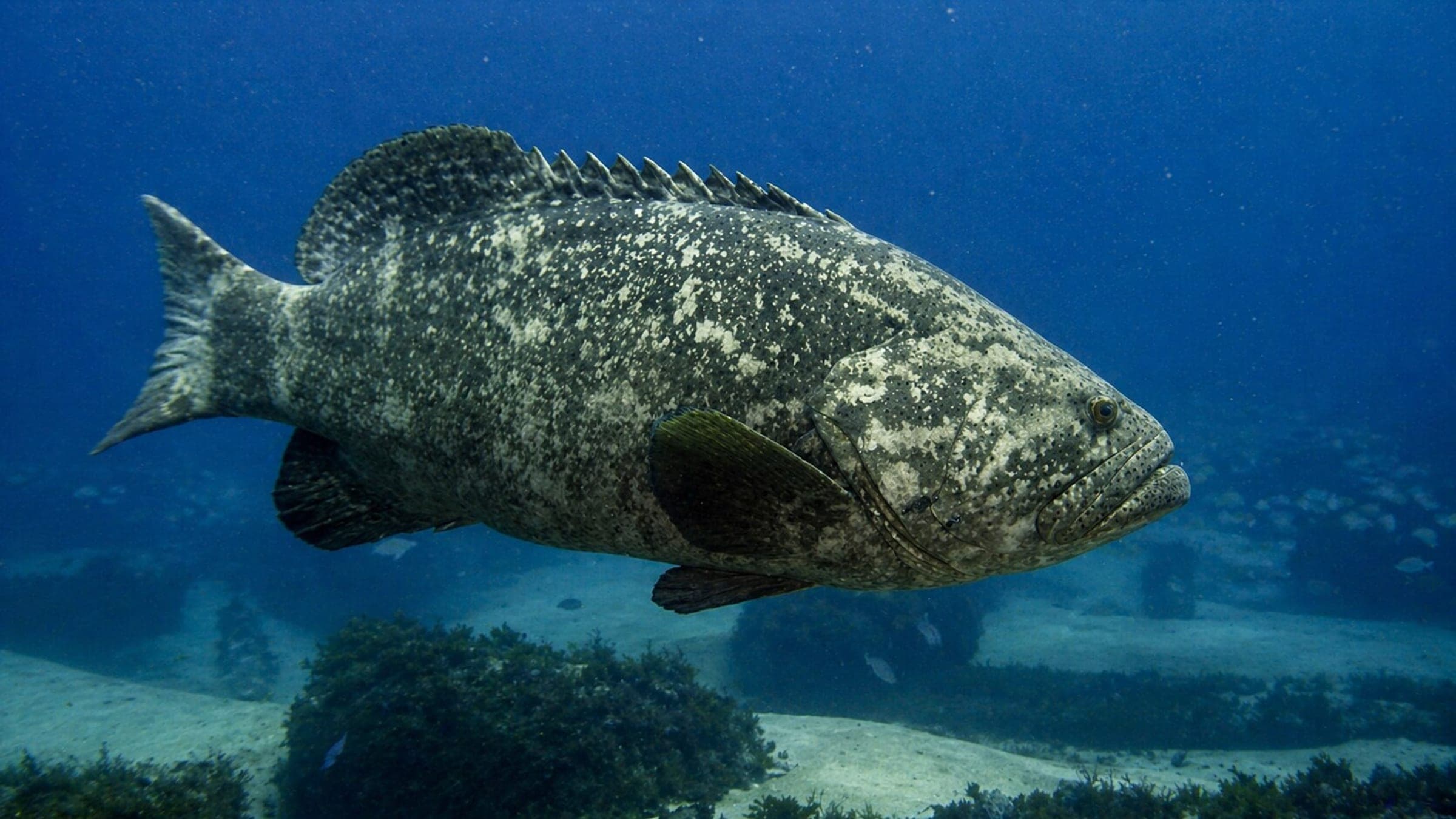
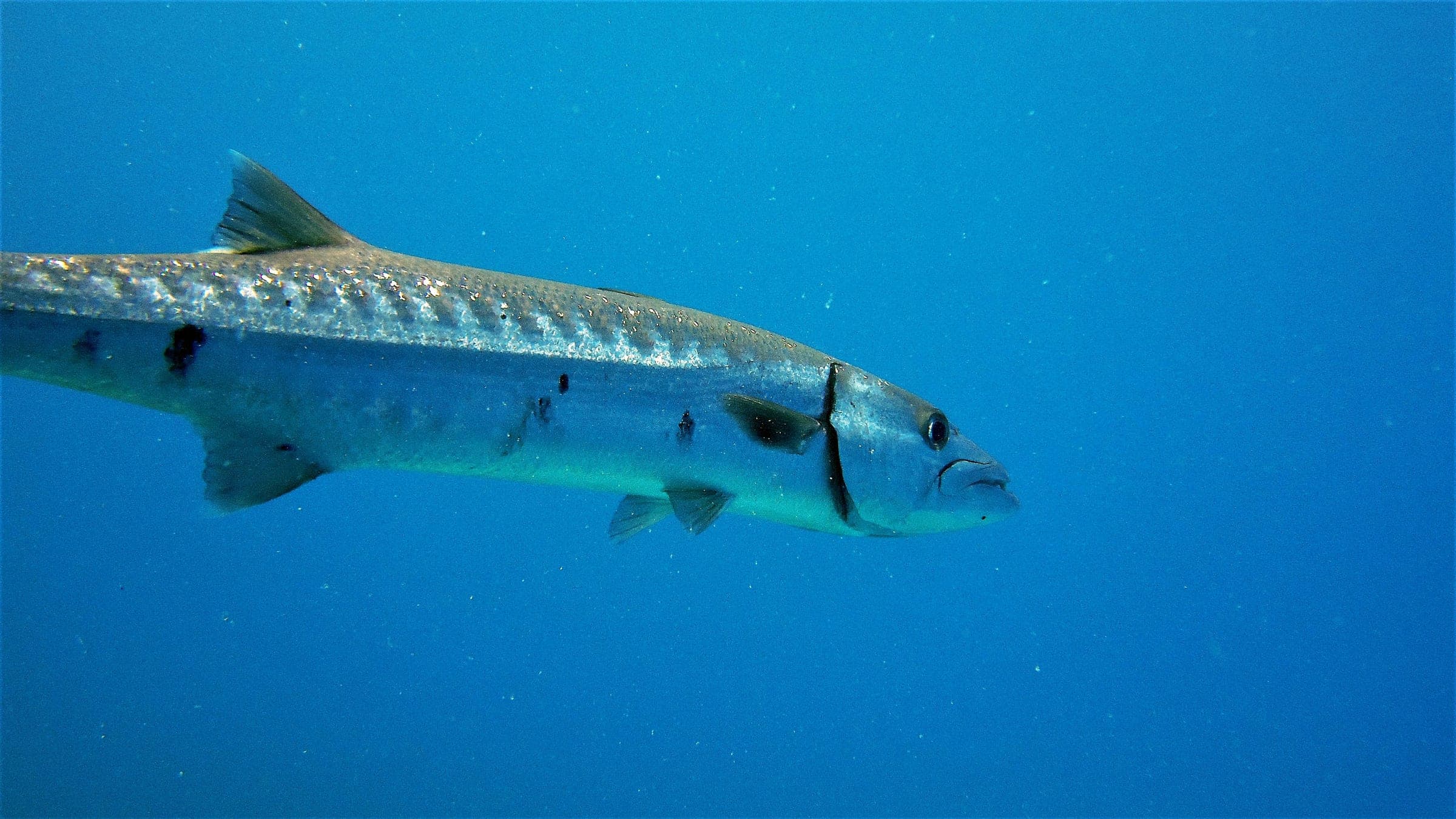
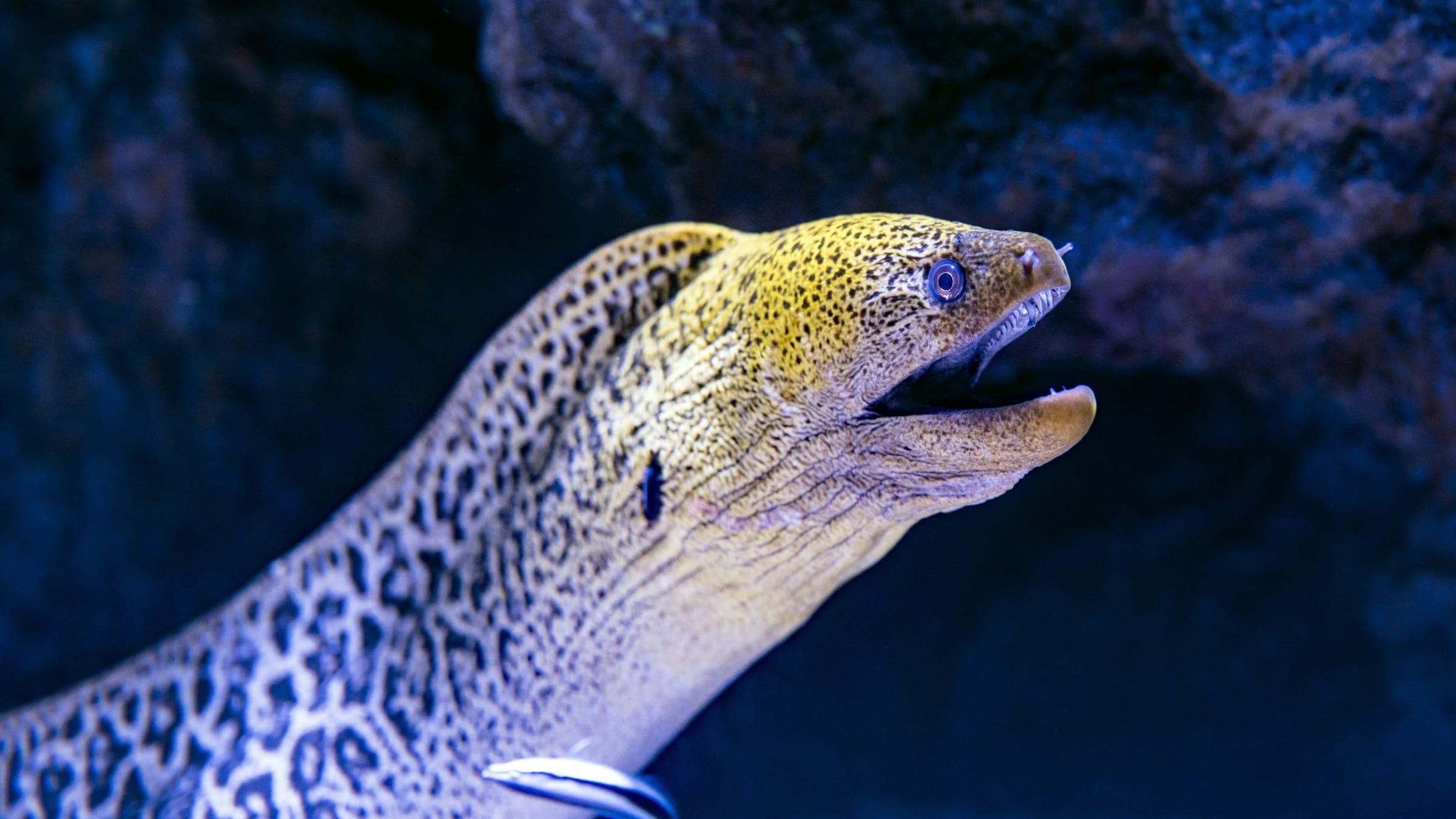
Top species linked to approved dive spots in Key West.
Share what the whole destination was like. Once enough independent reviews are approved, DiveJourney publishes anonymous patterns, not reviewer profiles.
Quick shortlist before you jump into the full planning page.
Sand Key Lighthouse is a boat-access reef-light site with calm-water snorkeling.
DiveJourney destination guides are living documents built from local knowledge, operator experience, and publicly available sources. Conditions, regulations, and logistics can change. Each guide shows its last update date and sources used.
Last updated: December 13, 2025 • 16 sources
If destination data is inaccurate, stale, missing, or sourced poorly, send a factual correction. This is separate from anonymous destination reviews.
Most charters offer reef-and-wreck combinations that work for divers, snorkelers, and non-divers who just want a boat day.
11 linked spots
Best time to go
April to July
Warmer water, steadier seas, and the most reliable boatday odds.
Main caution: Winter cold fronts can spike wind and chop; early fall overlaps peak hurricane risk.