Best time to go
November to April
Calmer seas, better boat reliability, water around 28°C to 30°C.
Main caution: Southwest monsoon brings higher winds and swell; some operators pause longrange trips and visibility can drop.

A chill Andaman base with day trips to manta-ready pinnacles, limestone caverns, and snorkel-clear islands
Overview
Koh Lanta is less about a single house reef and more about using a laid-back island base to reach the South Andaman's best day trips. In the dry season (roughly Nov-Apr) boats run regularly to Koh Haa's lagoon and caverns, Koh Rok's shallow coral gardens, and the famous offshore pinnacles Hin Daeng and Hin Muang. Water is typically warm around 28°C to 30°C, and visibility often improves into the 15 m to 30 m range on good days. Expect national park rules and fees on many trips, plus rougher seas during the southwest monsoon (about May-Oct). Topside, long beaches, Old Town food and culture, and easy island logistics make it friendly for mixed groups where some people dive and others chase sunsets, markets, and mangrove kayaking.
Koh Lanta operators routinely run full-day trips to Koh Haa, Koh Rok, and the offshore pinnacles Hin Daeng and Hin Muang, letting you sleep in one place while sampling very different underwater terrain.
During the main season, water commonly sits around 28°C to 30°C, so most divers are comfortable in a 3mm suit, with a 5mm option for long days or chilly swimmers.
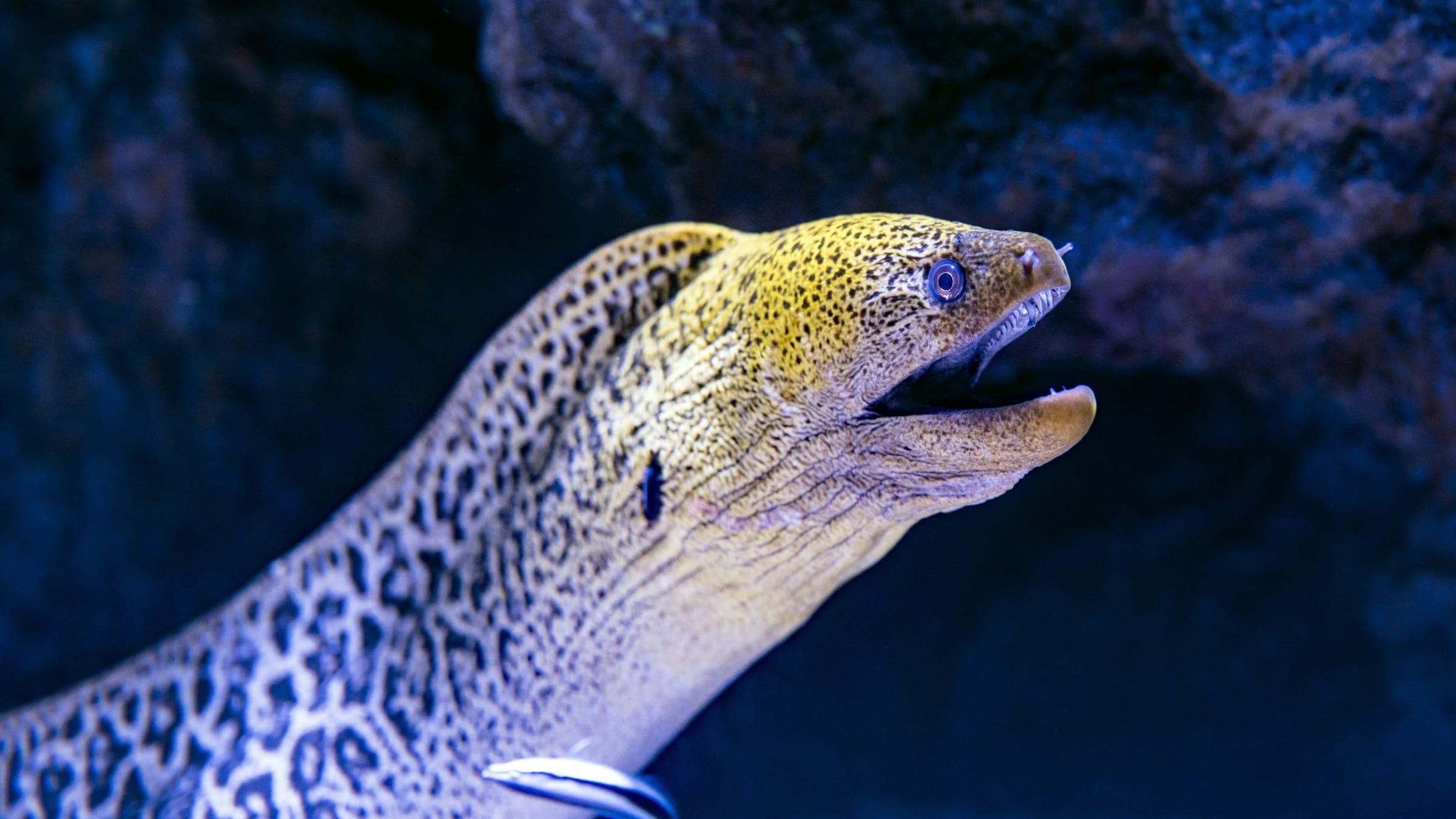
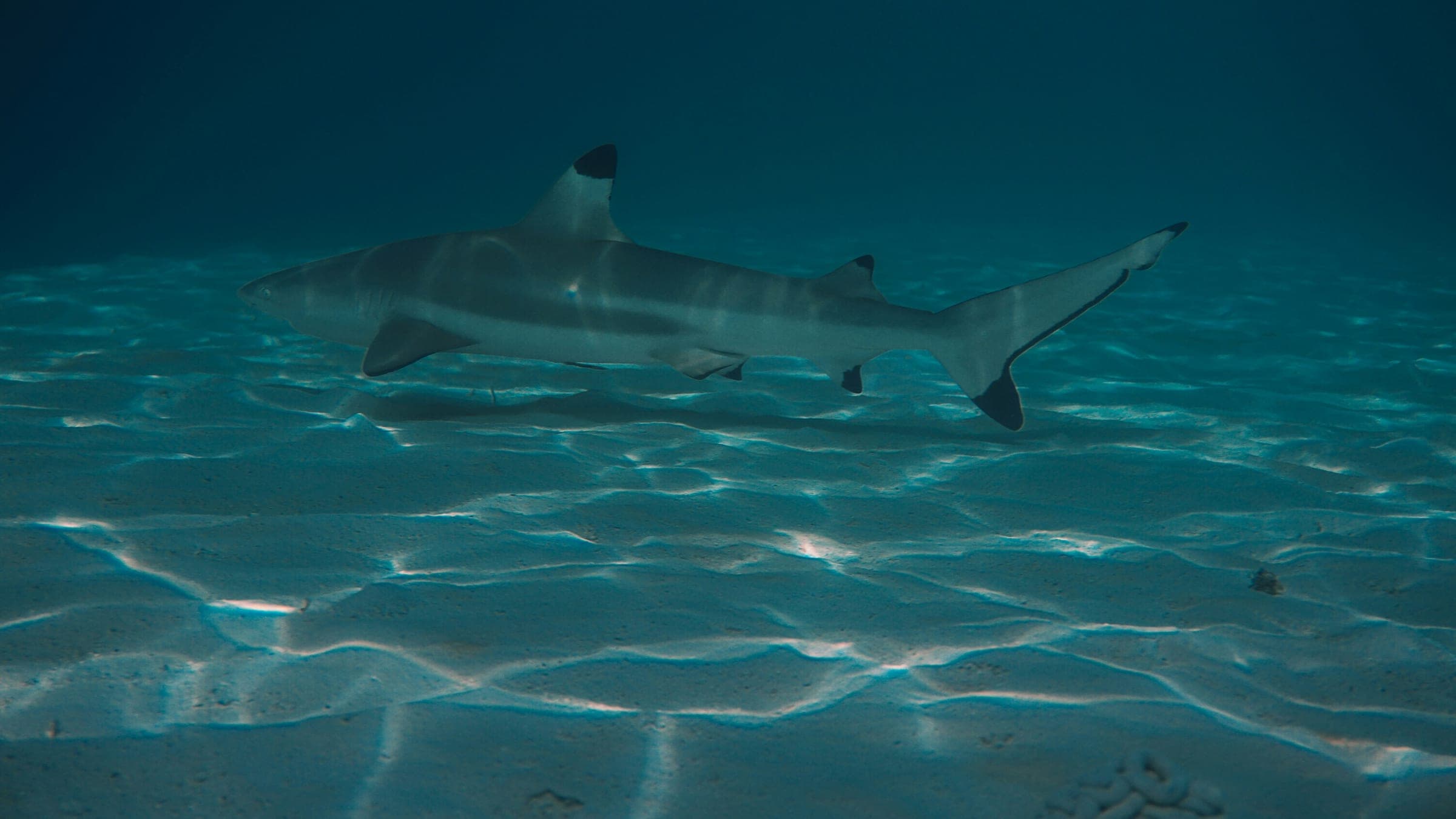
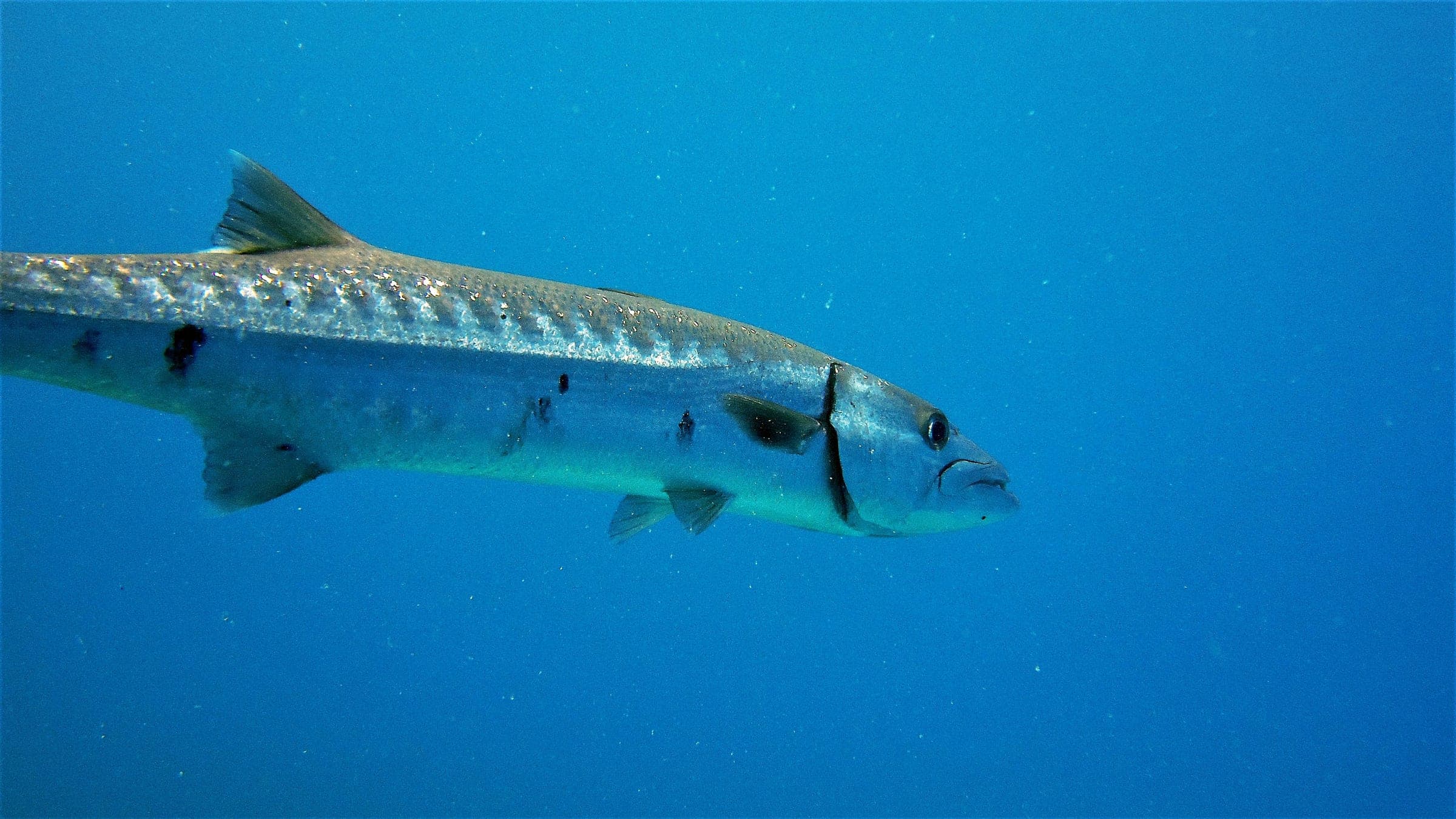
Top species linked to approved dive spots in Koh Lanta.
Share what the whole destination was like. Once enough independent reviews are approved, DiveJourney publishes anonymous patterns, not reviewer profiles.
Quick shortlist before you jump into the full planning page.
Phi Phi wreck dive with strong current and big fish.
DiveJourney destination guides are living documents built from local knowledge, operator experience, and publicly available sources. Conditions, regulations, and logistics can change. Each guide shows its last update date and sources used.
Last updated: January 23, 2026 • 18 sources
If destination data is inaccurate, stale, missing, or sourced poorly, send a factual correction. This is separate from anonymous destination reviews.
Many signature sites are within Thailand's national park framework, with entrance fees supporting rangers and management plus predictable monsoon-season closures in parts of the region.
Carcharhinus melanopterus
19 linked spots
Best time to go
November to April
Calmer seas, better boat reliability, water around 28°C to 30°C.
Main caution: Southwest monsoon brings higher winds and swell; some operators pause longrange trips and visibility can drop.