Best time to go
May - September
Calmer seas for crossings, 28°C water.
Main caution: Nortes bring wind; port closures possible; inshore still diveable many days.

Gateway to Mexico's wild offshore atoll and the healthiest reefs in the Caribbean Mexico
Overview
Mahahual is the low-key launch point for Banco Chinchorro, a vast coral atoll and UNESCO-recognized Biosphere Reserve. Operators here and in nearby Xcalak run weather-dependent day trips across blue water to dramatic walls, spur-and-groove reefs, and shallow wrecks. On the coast, Mahahual's barrier reef offers calm dives and easy snorkels. Rules in Chinchorro are strict, conservation-focused, and enforced by rangers. Summer generally brings calmer seas for the crossing; winter 'nortes' can close the port. Expect warm water year-round, reef-safe practices, and a nature-first vibe rather than resort bustle.
Day trips to Banco Chinchorro's walls, pinnacles, and shallow wrecks when seas permit.
Chinchorro is monitored as free of white syndrome; coral communities remain robust.
Typical sea temps hover 26°C-29°C with tropical air and trade winds.
Mahahual accesses both Banco Chinchorro Biosphere Reserve and Xcalak National Park.
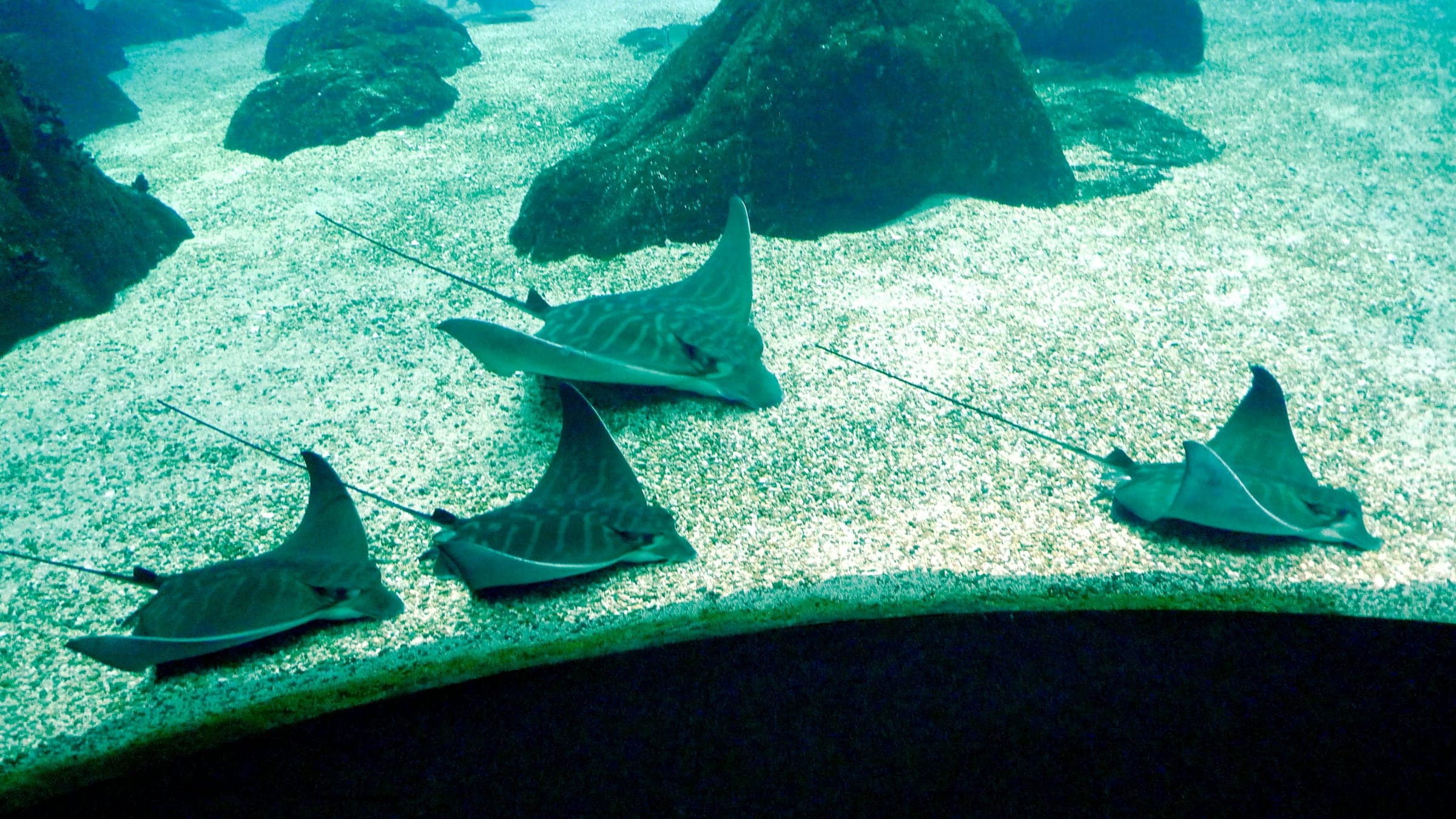
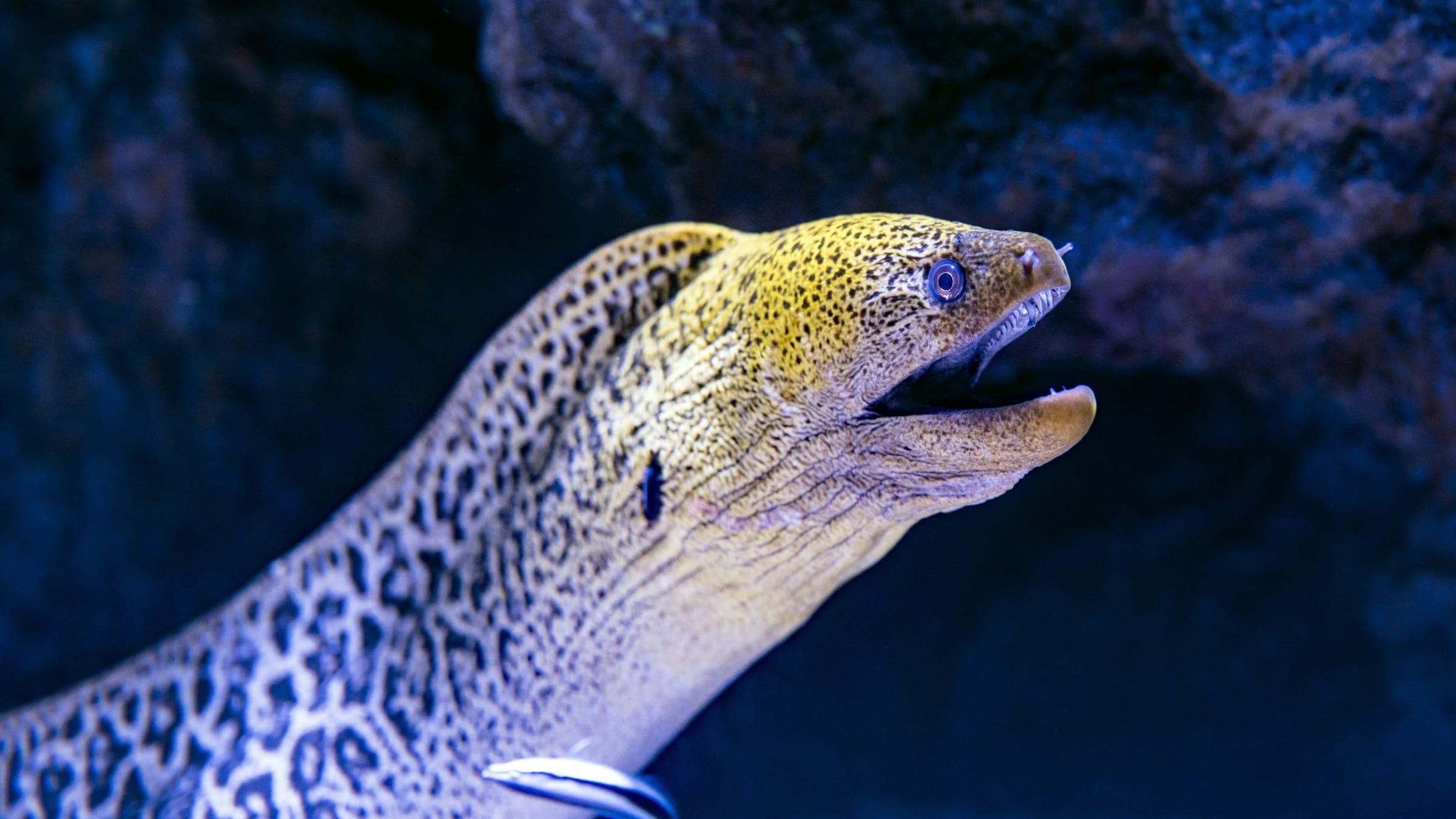
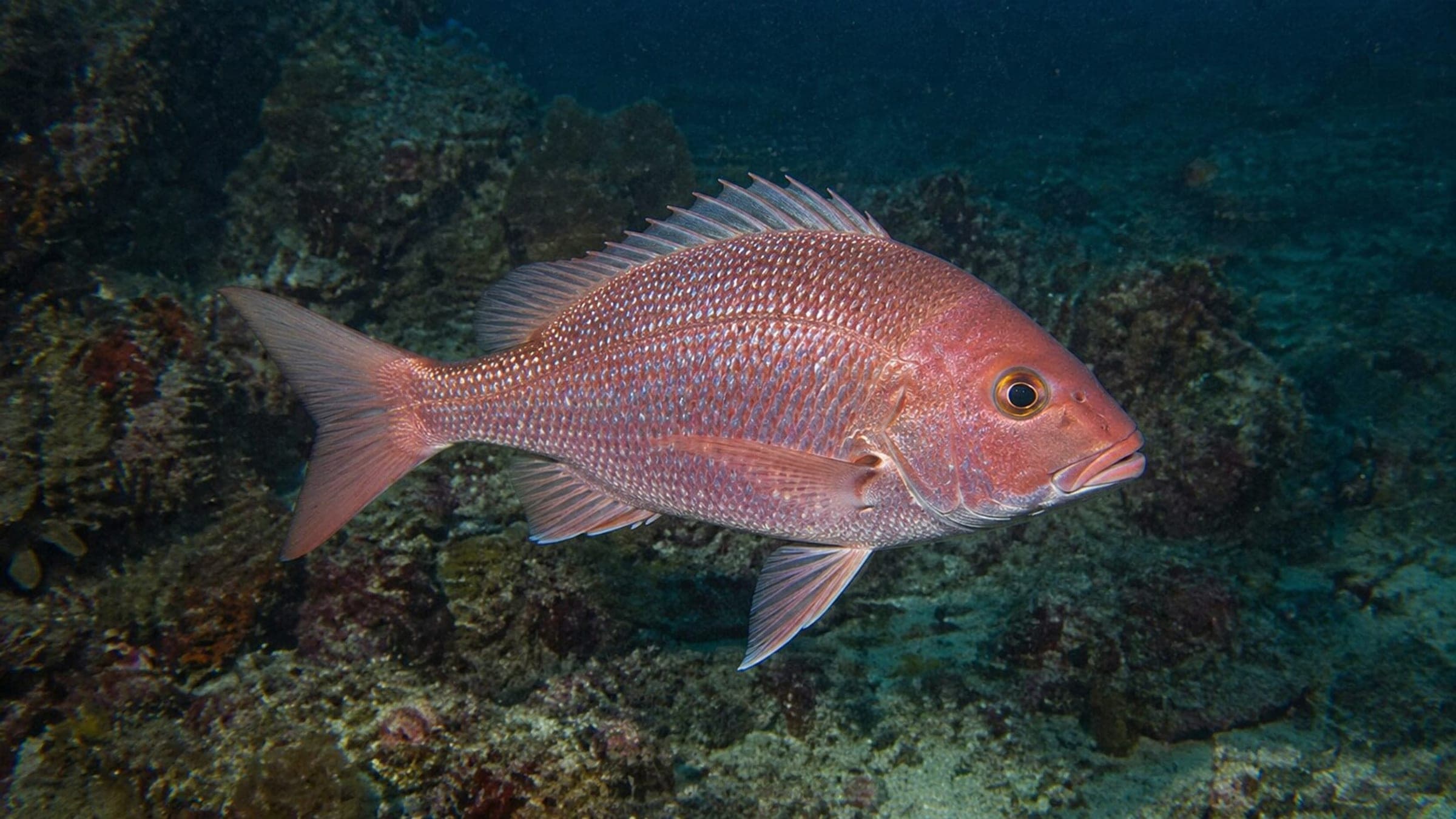
Top species linked to approved dive spots in Mahahual / Banco Chinchorro.
Share what the whole destination was like. Once enough independent reviews are approved, DiveJourney publishes anonymous patterns, not reviewer profiles.
Quick shortlist before you jump into the full planning page.
DiveJourney destination guides are living documents built from local knowledge, operator experience, and publicly available sources. Conditions, regulations, and logistics can change. Each guide shows its last update date and sources used.
Last updated: October 30, 2025 • 23 sources
If destination data is inaccurate, stale, missing, or sourced poorly, send a factual correction. This is separate from anonymous destination reviews.
May - September
Rangers require disinfecting scuba gear before Chinchorro dives to protect coral health.
3 linked spots
Best time to go
May - September
Calmer seas for crossings, 28°C water.
Main caution: Nortes bring wind; port closures possible; inshore still diveable many days.