French Caribbean reefs, wrecks and volcano views in one compact island
Currently Viewing:
Overview
Martinique blends French-Caribbean culture with serious underwater variety. Warm water around 27°C to 29°C and year round trade winds keep conditions comfortable, while the leeward coast offers calm reefs, dramatic pinnacles like Rocher du Diamant and historic wrecks under Mount Pelee at Saint-Pierre. Non divers get rainforest hikes, golden beaches and rum distilleries within short drives of the main dive hubs at Anses d'Arlet, Trois Ilets, Le Marin and Fort de France.
Martinique is a full service French department with reliable health care, good roads and European style shops, but it still feels distinctly Caribbean in its music, food and village life. Divers base themselves on the Caribbean west coast, where steep green hills drop into bays lined with small fishing boats and moored dive skiffs. Offshore, volcanic rocks and lava flows form walls, swim throughs and sheltered gardens that suit everyone from new Open Water divers to wreck and deep enthusiasts.
Trip callouts
DiveJourney destination guides are living documents built from local knowledge, operator experience, and publicly available sources. Conditions, regulations, and logistics can change. Each guide shows its last update date and sources used.
Last updated: November 21, 2025 • 10 sources
If you see something inaccurate or outdated, you can submit an update. This is how the platform improves.
Parc naturel marin de Martinique and the Agoa Sanctuary protect reefs, mangroves, and marine mammals with tight anchoring rules.
Sea temps usually run 27°C–29°C, so a 3 mm suit covers most months.
In one week you can shore dive mellow reefs, charter to deep wrecks, and hike crater ridges without domestic flights.
scuba
Why Martinique for scuba diving
Scuba diving in Martinique is split between three main flavors. Around Rocher du Diamant you get a legendary lava pinnacle with arches, swim throughs and schooling fish. In Anses d'Arlet and Cap Salomon there are easy reef gardens ideal for training, turtles and relaxed multilevel dives. Further north in the Bay of Saint-Pierre, deep wrecks such as Le Roraima and Le Dahlia rest below the slopes of Mount Pelee, adding serious history and overhead structure for experienced divers.
freedive
Why Martinique for freediving
Martinique is not yet a mass market freediving hotspot, but the south and south west coasts offer warm, clear water, easy depth access and protected bays where you can train lines out of small boats or straight from shore. Cap Salomon and the reefs off Anses d'Arlet drop steeply enough to hit 30 m within a few fin strokes, while offshore pinnacles such as Rocher du Diamant and La Perle give advanced divers dramatic blue water sessions with walls, arches and pelagics. A growing number of schools and instructors around Anses d'Arlet and Trois Ilets offer AIDA or SSI style courses on request.
snorkel
Why Martinique for snorkeling
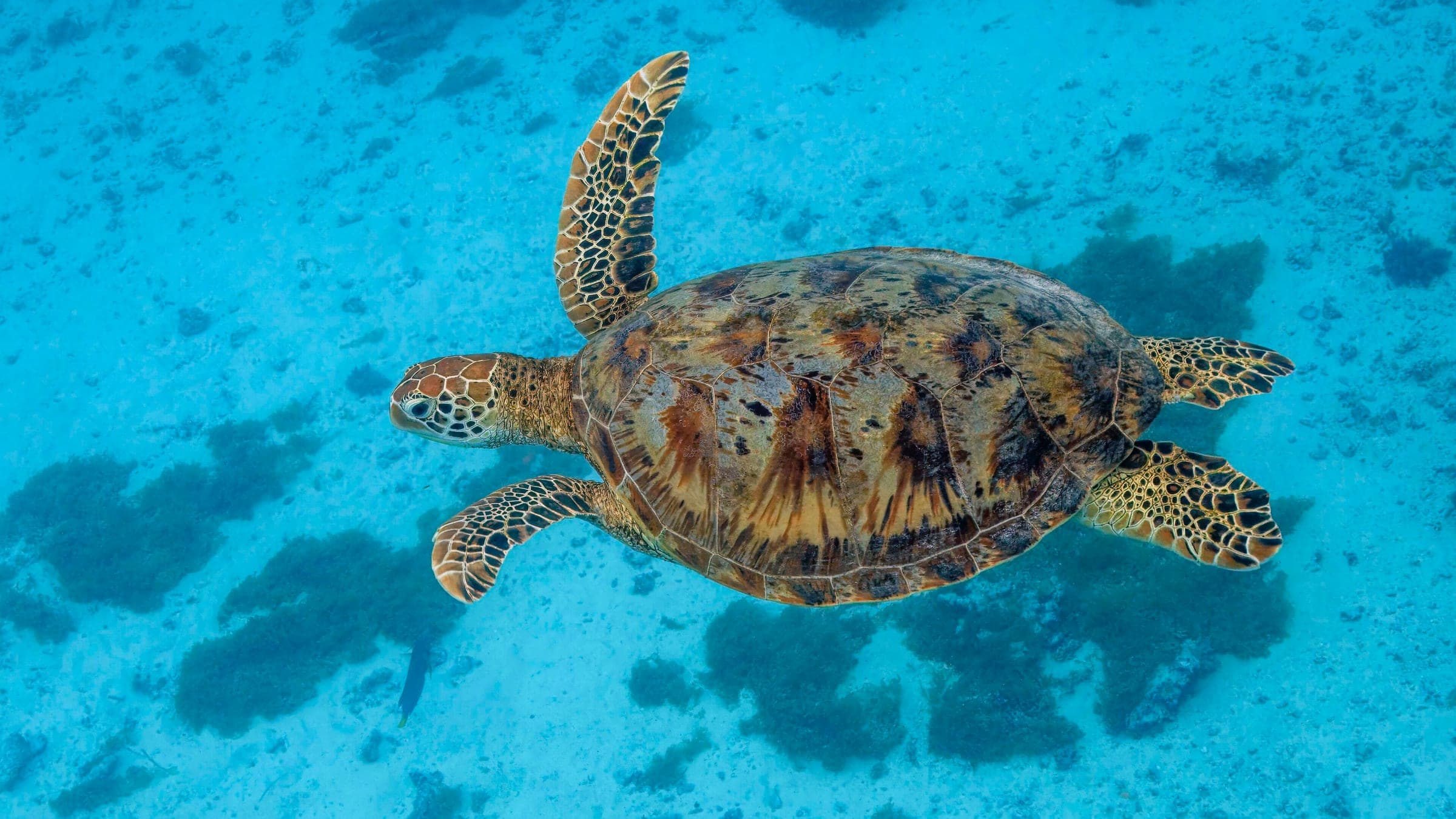
Snorkelers in Martinique get an easy mix of turtle filled bays, shallow coral gardens and a few adventurous boat trips over deeper reefs. The calm southwest coast around Anse Dufour, Anse Noire and Anses d'Arlet offers sandy entries, reef fish and frequent turtle sightings in water from about 2 m to 10 m deep. Boat trips to sites like Les Jardins de Salomon or La Petite Sirene add more coral cover, caves and drop offs while still keeping options for non divers to stay shallow.
topside
What to do in Martinique when you are not in the water
Topside, Martinique delivers a blend of French Caribbean culture, volcanic scenery and laid back beach life. You can hike cloud forest trails on Mount Pelee, wander ruined streets and museums in historic Saint-Pierre, explore the windswept Caravelle Peninsula or laze under palms on postcard beaches like Les Salines and Pointe Marin. Rum distilleries such as Habitation Clement and Depaz add a heritage and tasting angle, while Fort-de-France offers markets, street food and ferry links across the bay.