Kelp forests, cold-water critters, and whale seasons on California's iconic bay
Currently Viewing:
Overview
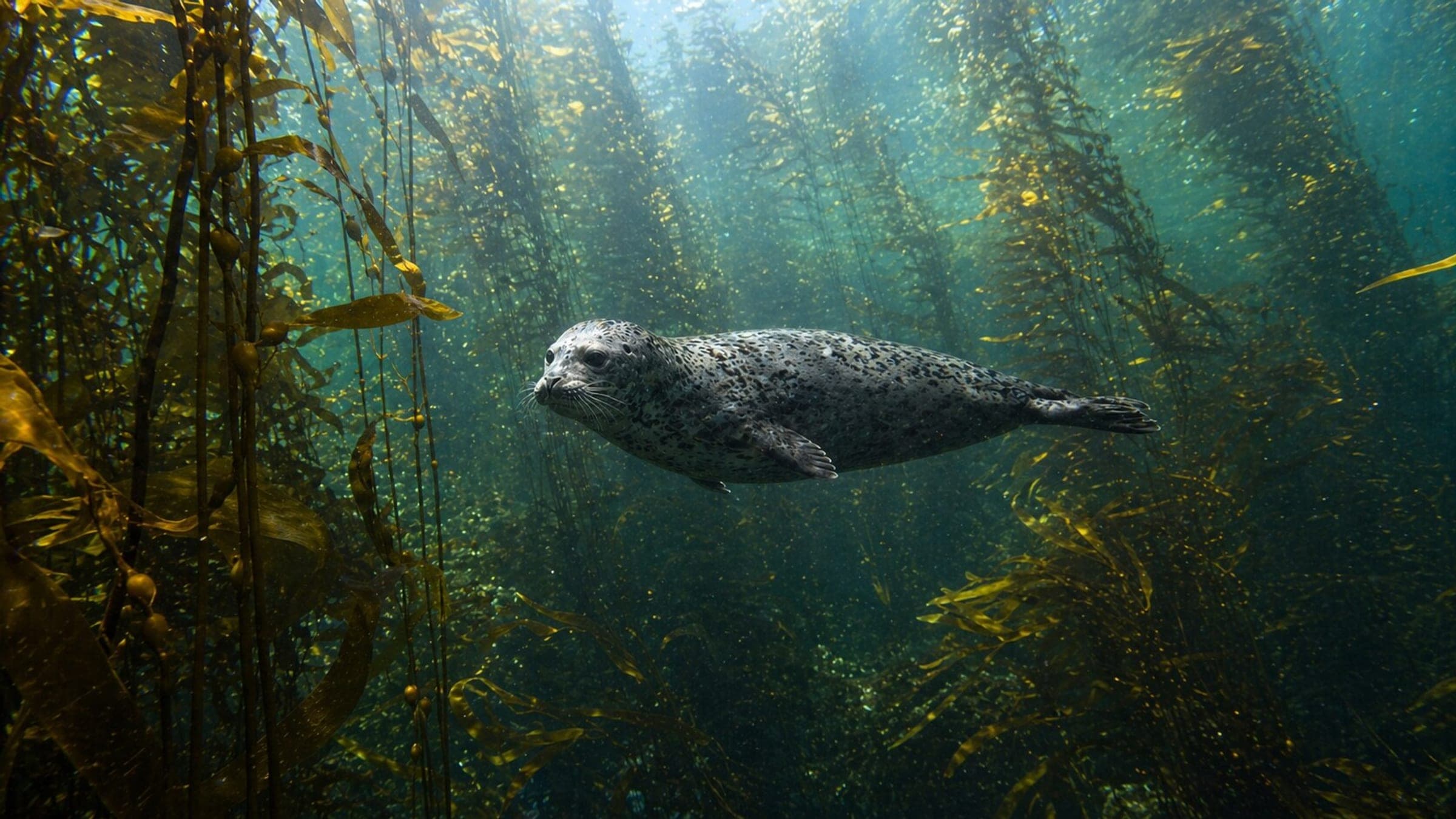
Monterey Bay is California's cold-water playground: giant kelp forests, sea otters, harbor seals, and a front-row seat to whale seasons, all inside the Monterey Bay National Marine Sanctuary. Shore diving is the headline: entries like San Carlos Beach (Breakwater Cove) and Lovers Point put kelp, rock reefs, and macro life within a short kick of the beach. For a step up in scenery, Point Lobos State Natural Reserve in Carmel offers protected coves, walls, and pinnacles (reservation required). Expect cool water, changing visibility, and real Pacific conditions: swell, surge, and kelp. When you're not diving, the Monterey Bay Aquarium, Big Sur hikes, 17-Mile Drive, and Elkhorn Slough kayaking round out a trip that works for mixed groups.
Monterey Bay sits on California's Central Coast and is part of the Monterey Bay National Marine Sanctuary, a protected seascape that stretches from the Marin Headlands to Cambria. It is famous for accessible kelp forest diving, dense temperate reef life, and wildlife encounters that feel big-ocean even when you are shore diving.
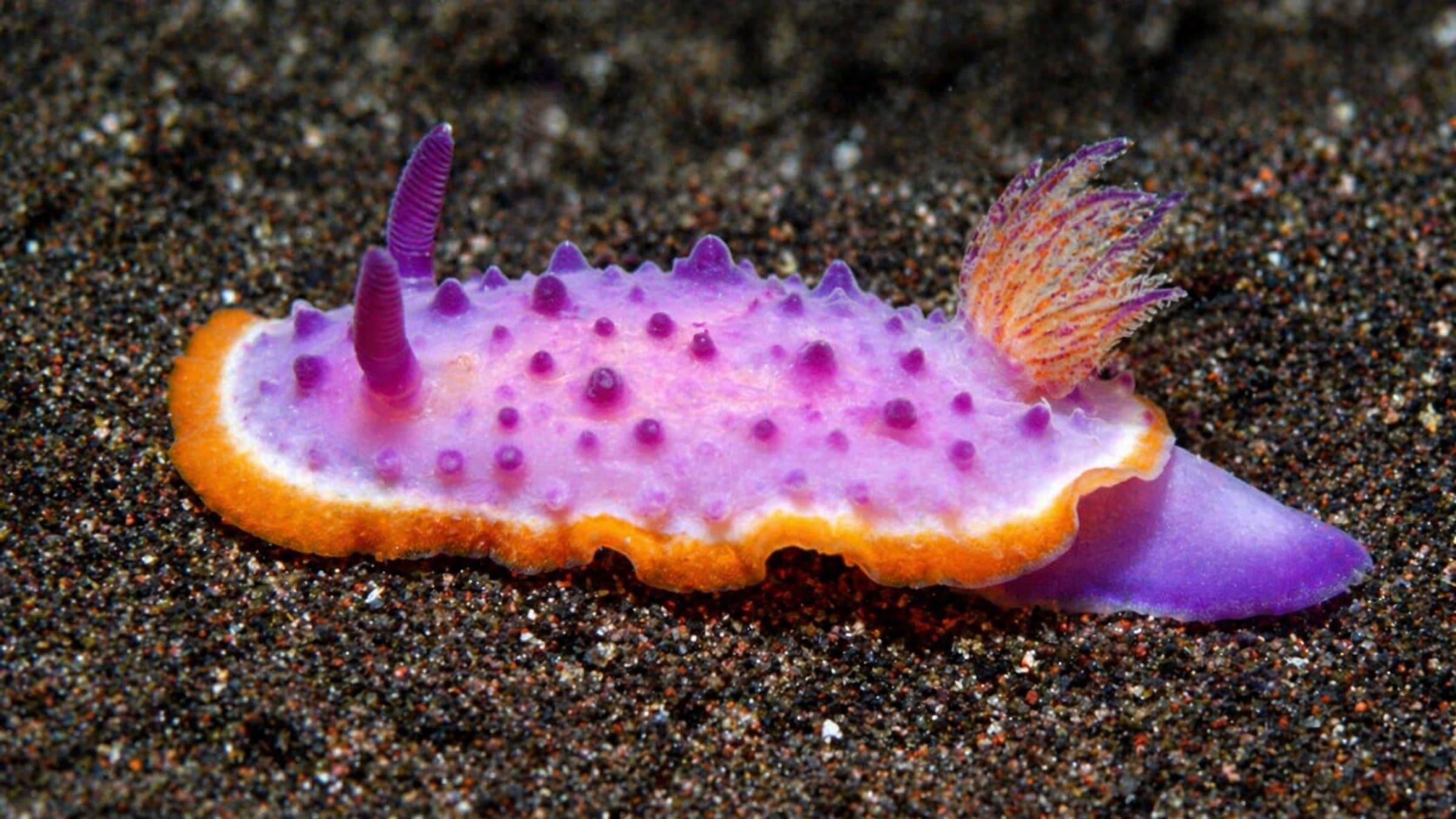
Expect cold water, real Pacific swell, and huge variability day to day. The reward is diving that stays interesting for years: nudibranch hunts, wolf eels and lingcod in the rocks, playful sea lions offshore, and seasonal whale action topside.
These sites are the training ground for Northern California divers and a great way to get oriented.
Carmel is the step up in scenery and marine life density. Point Lobos State Natural Reserve is the signature day, but it requires advance reservations.
South of Carmel, the coastline turns rugged and exposed.
The deep Monterey Submarine Canyon drives productivity and wildlife.
DiveJourney destination guides are living documents built from local knowledge, operator experience, and publicly available sources. Conditions, regulations, and logistics can change. Each guide shows its last update date and sources used.
Last updated: December 13, 2025 • 17 sources
If you see something inaccurate or outdated, you can submit an update. This is how the platform improves.
Trip callouts
Giant kelp canopies, rock reefs, and sand channels create a classic temperate ecosystem with endless variety for photographers and naturalists.
Monterey and Pacific Grove offer some of the most developed cold-water shore diving logistics in the U.S., with easy access to rentals, fills, and guided dives.
The Monterey Bay National Marine Sanctuary and nearby state marine protected areas emphasize conservation, no-touch diving, and responsible wildlife viewing.
Dive kelp forests, explore granite coves at Point Lobos, kayak Elkhorn Slough, and watch whales from shore or on a boat without changing hotels.
The Monterey Bay Aquarium, Big Sur trails, 17-Mile Drive, and Carmel food and wine make it easy to plan for non-divers.
scuba
Why Monterey Bay for Scuba Diving
Monterey Bay is the West Coast's cold-water classroom and kelp-forest playground. Shore entries around Monterey and Pacific Grove let you dive on your schedule, while Point Lobos in Carmel delivers a reserve experience with limited permits. For rentals, fills, and local guidance, shops like Aquarius Dive Shop and Monterey Bay Scuba are common starting points, and local charters can access Carmel Bay and outer-coast sites when conditions allow.
freedive
Why Monterey Bay for Freediving
snorkel
Why Monterey Bay for Snorkeling
topside
What to do when you're not in the water
Monterey Bay is one of the easiest dive trips to plan for mixed groups. The Monterey Bay Aquarium is a high-impact, low-effort anchor activity, and coastal scenery is everywhere: Cannery Row, Pacific Grove, Carmel, and the Big Sur coastline. Add whale watching, Elkhorn Slough kayaking, wine tasting in Carmel Valley, or a sunrise loop on 17-Mile Drive, and you have a destination where non-divers are never just waiting around.
Monterey Bay gives freedivers something rare: kelp forests, rocky structure, and real wildlife in a destination with established cold-water dive infrastructure. Protected coves like Lovers Point can work for skills practice, while Point Lobos offers a permit-limited reserve experience on breath-hold. For coaching and safety-oriented progression, look for freediving courses through local operators such as Aquarius Freediving, or book a guided session with a qualified local instructor.
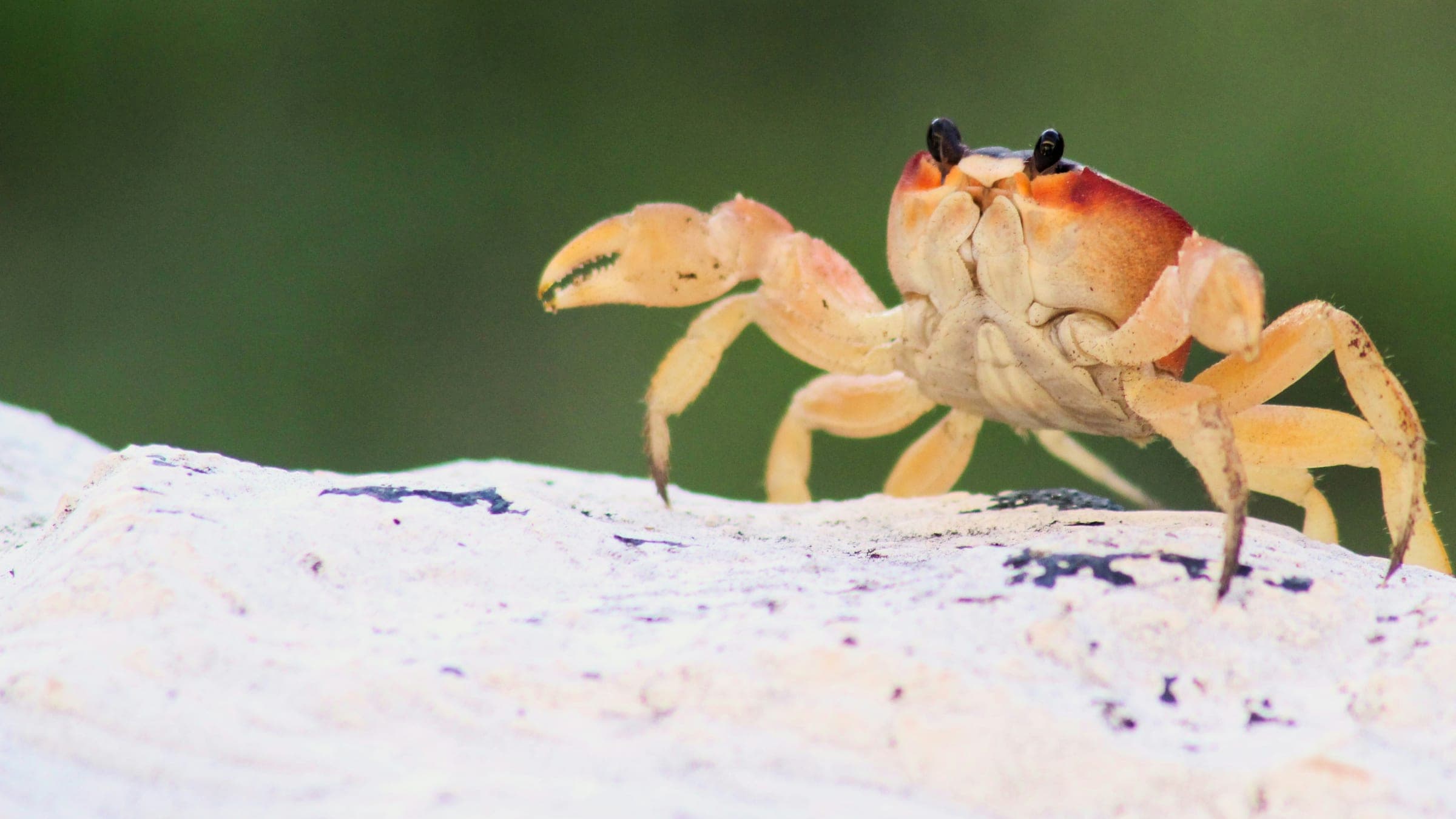
Monterey Bay snorkeling is all about temperate reefs and kelp forests, not warm water. On calm days, coves like Lovers Point can deliver surprisingly rich life in shallow water, from anemones and rockfish to kelp crabs. For a special protected-water experience, Point Lobos allows snorkeling with reservations managed through the same system as dive reservations. Plan for cold water, surge near rocks, and frequent changes in visibility, and consider renting thicker exposure gear from a local dive shop.