Best time to go
April - October
Leeward glass in mornings, tradewinds around 20 km/h to 35 km/h.
Main caution: Winter surf on north and east coasts. Choose leeward charters and protected bays.

Wrecks off Waikiki, lava caverns out west, and summer shore-diving windows up north
Overview
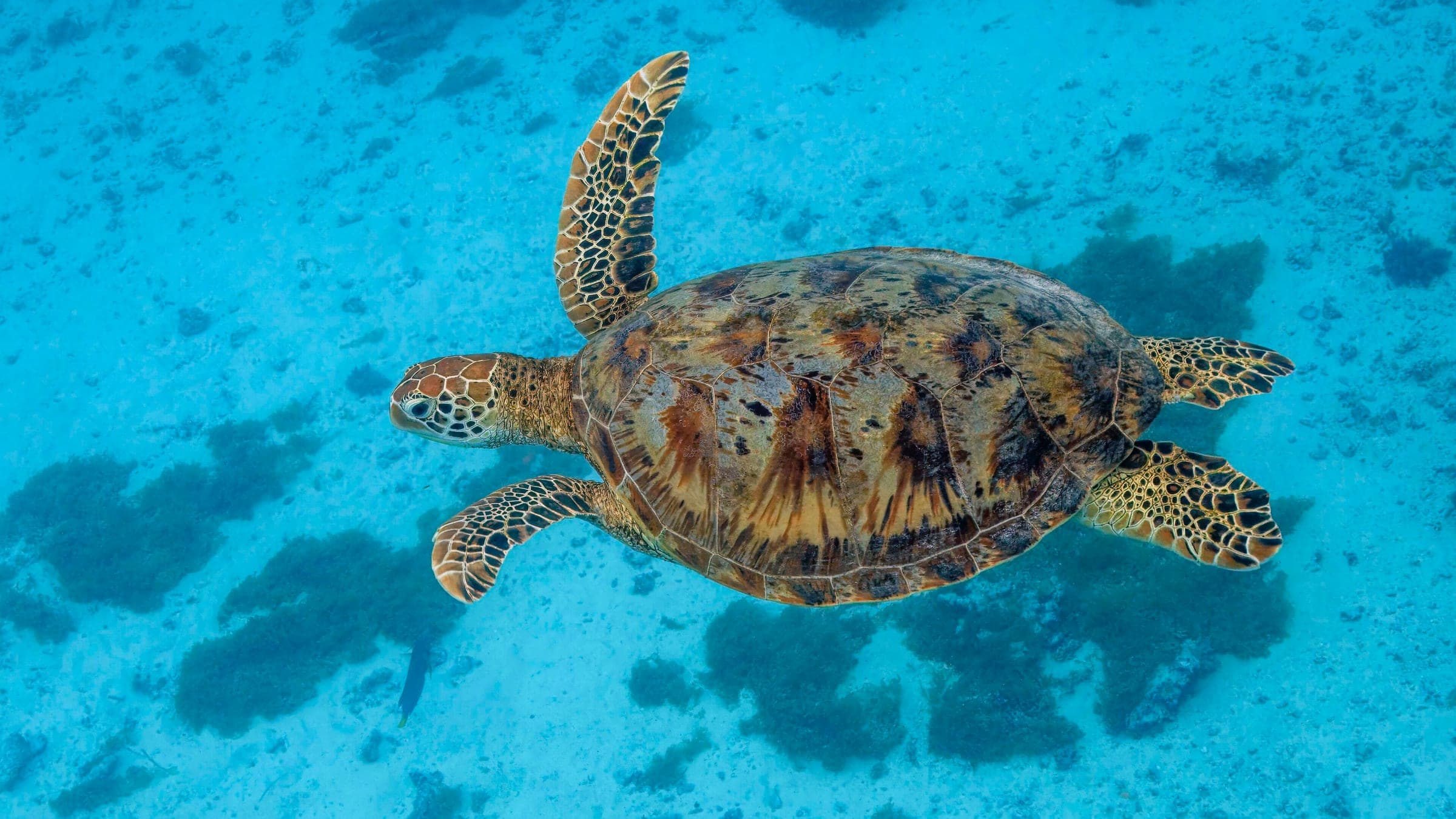
O'ahu is Hawai'i's most accessible dive base, pairing daily wreck-and-reef charters from Honolulu with seasonal shore entries on the North Shore. Expect green sea turtles, lava ledges, and iconic artificial reefs like YO-257, San Pedro, and Sea Tiger. Snorkelers gravitate to Hanauma Bay's protected lagoon and turtle cleaning stations near Waikiki. Conditions are manageable year-round on the south and west, while winter surf closes many north coast entries. Strong conservation culture shapes the experience: reef-safe sunscreen only, MLCD rules, and NOAA wildlife viewing distances. Non-divers have ample topside options from Diamond Head to Pearl Harbor and the North Shore.
Multiple photogenic wrecks reachable in one morning from Waikiki.
Protected snorkel-lagoon at Hanauma Bay and shallow turtle sites near town.
World-class lava reef when summer calms return.
Reef-safe sunscreen only, MLCD protections, and NOAA viewing distances.
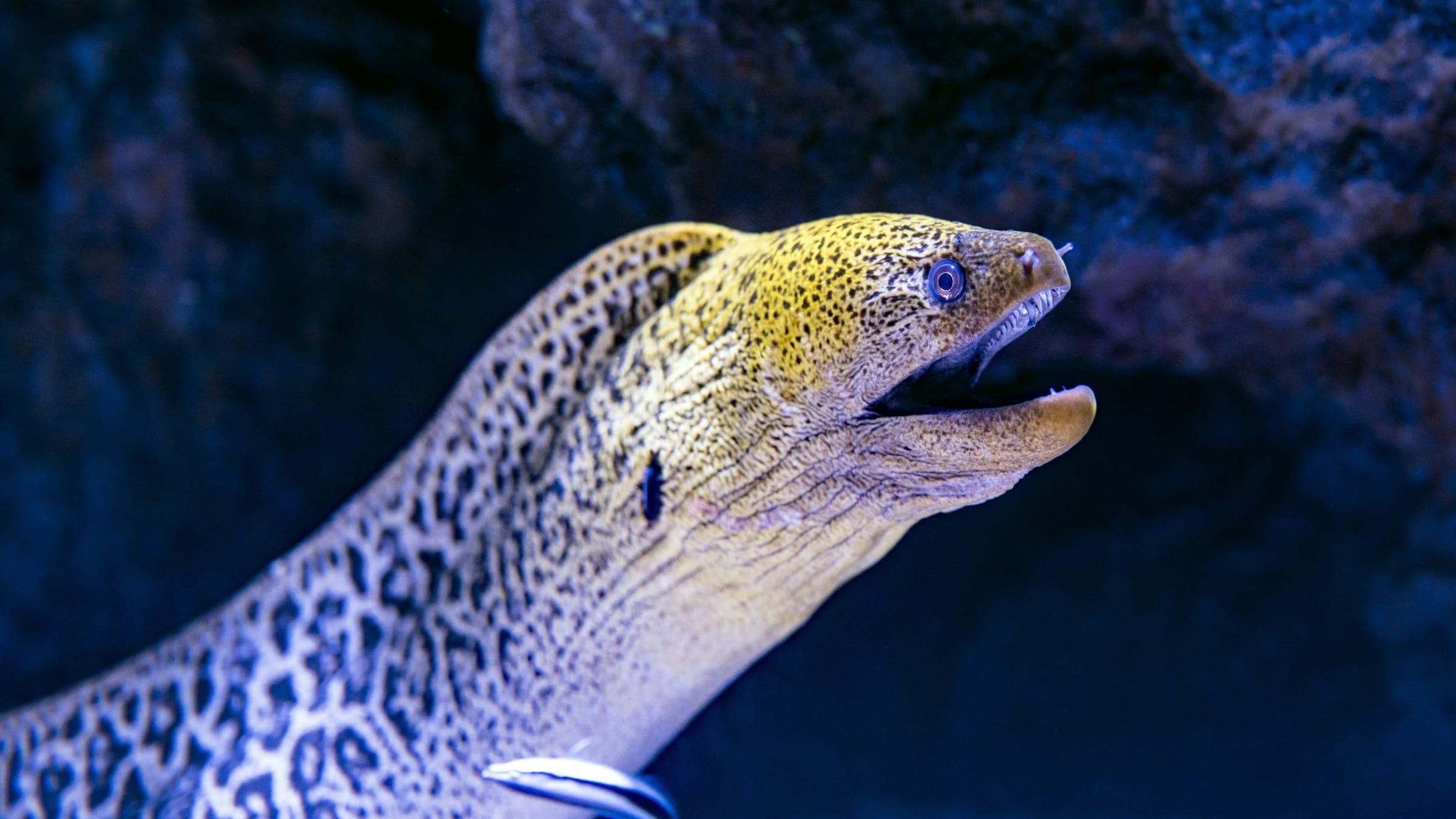
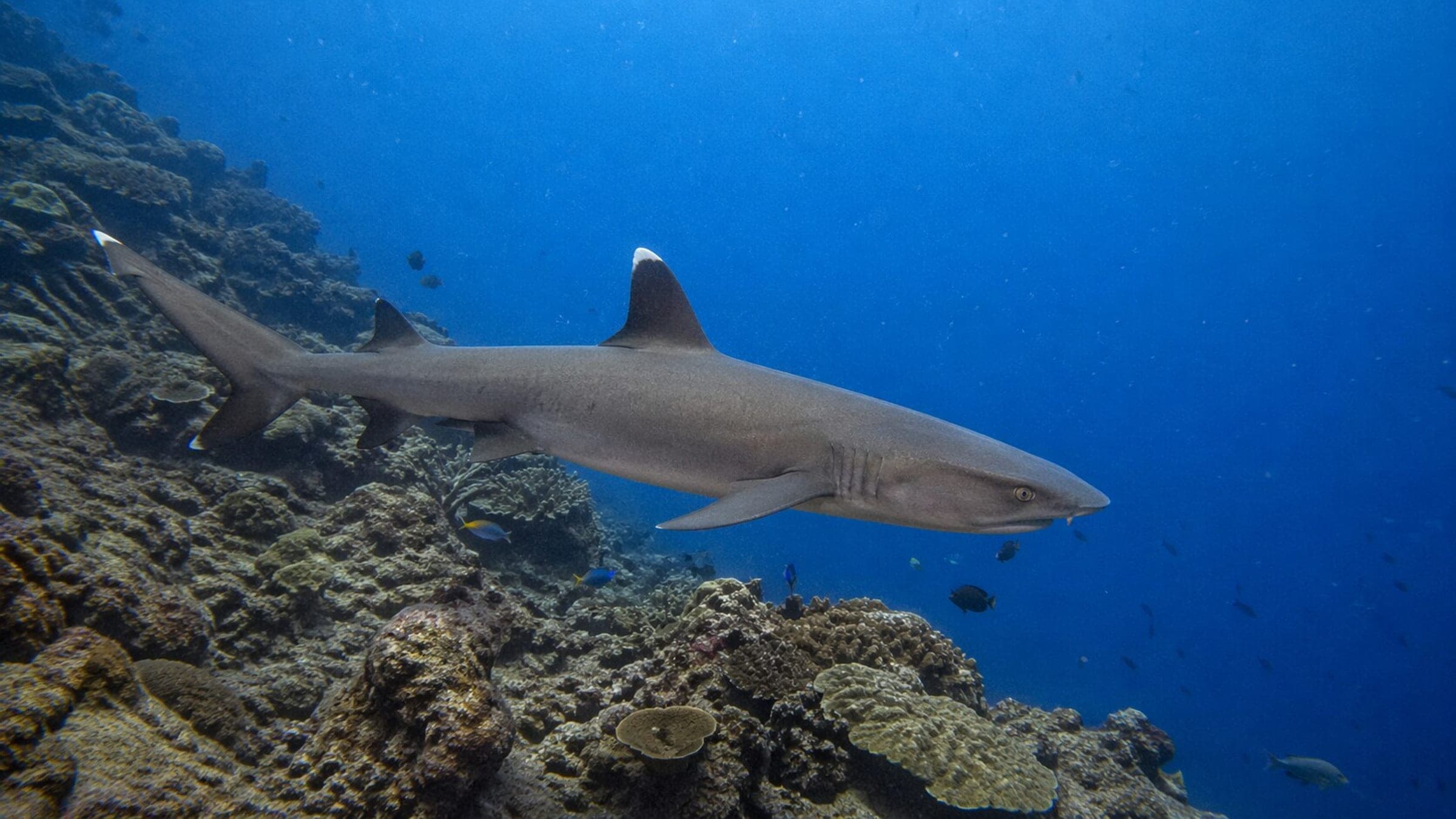
Top species linked to approved dive spots in O'ahu, Hawai'i.
Share what the whole destination was like. Once enough independent reviews are approved, DiveJourney publishes anonymous patterns, not reviewer profiles.
Quick shortlist before you jump into the full planning page.
DiveJourney destination guides are living documents built from local knowledge, operator experience, and publicly available sources. Conditions, regulations, and logistics can change. Each guide shows its last update date and sources used.
Last updated: October 30, 2025 • 24 sources
If destination data is inaccurate, stale, missing, or sourced poorly, send a factual correction. This is separate from anonymous destination reviews.
Tradewinds build late morning. Book early departures and plan shore entries at first light.
19 linked spots
Best time to go
April - October
Leeward glass in mornings, tradewinds around 20 km/h to 35 km/h.
Main caution: Winter surf on north and east coasts. Choose leeward charters and protected bays.