Hero photo of Okinawa

Destination guide

Okinawa

Japan's subtropical hub for reefs, caves, whales, and island hopping

Island hopping hubWarm, clear waterNational park reefsYear round options

Currently Viewing:

Overview

Japan's subtropical hub for reefs, caves, whales, and island hopping

Okinawa is Japan's subtropical playground for warm-water diving, snorkeling, and island hopping. From Naha you can reach Kerama National Park's clear 25°C waters, offshore whale and turtle encounters, and sheltered reefs suitable for all levels. Between dives, explore Ryukyu castles, limestone caves, and long sandy beaches, or graze your way along izakaya streets and local markets. Conditions stay diveable year round, with water rarely dropping below 22°C and peaking around 28°C in late summer, though typhoons and winter fronts can bring wind and swell. Base yourself on Okinawa Main Island for a mix of culture, nightlife, and easy day trips, or treat it as a launchpad for multi island itineraries around the Ryukyu chain.

Why base yourself in Okinawa

Okinawa Main Island is the air and ferry hub for the Ryukyu chain. Naha Airport has frequent domestic connections to Tokyo, Osaka, and other Japanese cities, plus short hops to Miyako, Ishigaki, and Yonaguni, while Tomari Port links Naha to the Kerama Islands by high speed ferry. This makes it easy to combine sheltered reefs, national park walls, manta and hammerhead trips, and non diver sightseeing in a single itinerary.

Expect a relaxed subtropical pace: low rise towns, roadside taco rice and soba joints, and a mix of Japanese, Ryukyuan, and US military influences. Resorts and dive centers cluster around Naha, Chatan and the Sunabe Seawall, the Onna coast, Motobu and Sesoko, and southern capes.

Underwater snapshot

Okinawa Main Island

The main island offers year round shore and boat diving: soft coral gardens at Sunabe Seawall, easy training reefs at South Steps, the Blue Cave and Cape Maeda in Onna, and north shore sites near Sesoko. Depths are typically 5 m to 30 m, with modest currents other than at a few advanced headlands. Winter brings cooler water and whales offshore; late spring through autumn bring the warmest water and most snorkel friendly conditions.

Kerama Islands National Park

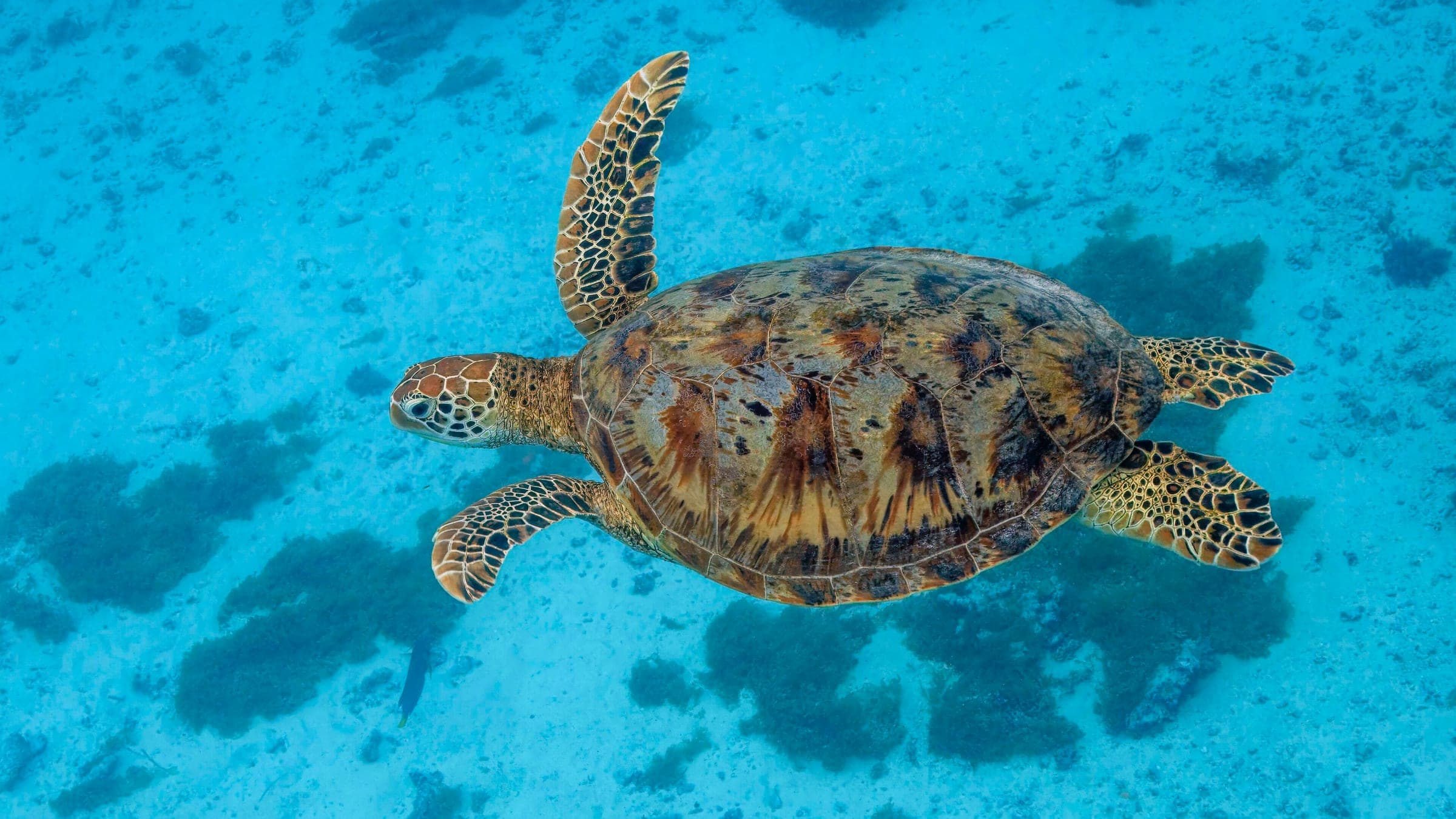
About an hour west of Naha, the Kerama Islands sit inside Japan's Keramashoto National Park. More than 200 of Japan's roughly 400 coral species live here, along with green, hawksbill, and loggerhead turtles, and humpback whales in winter. Visibility often reaches 25 m plus, and sites range from shallow coral gardens to caves and steep drop offs. Day boats from Naha and Chatan run most of the year, with environmental levies supporting conservation.

Outlying islands you can hit from Okinawa

From Naha you can reach Miyako, Ishigaki, and Yonaguni on short domestic flights. Miyako is famous for swim through caverns, Ishigaki and nearby Kuroshima for manta cleaning stations, and Yonaguni for winter hammerhead schools and the Yonaguni Monument underwater terrace. These extensions work best as stand alone 3 to 5 day add ons, rather than true day trips.

Who Okinawa suits

  • Certified divers wanting gentle reefs, macro, and occasional blue water thrills
  • Snorkelers hunting turtles, shallow coral, and beginner friendly Blue Cave style tours
  • Freedivers looking for clear, deep water and caves plus line training in protected bays
  • Mixed groups where non divers want culture, food, and beach time alongside boat days

Typical trip patterns

  • 5 to 7 nights on Okinawa Main Island with 2 to 3 Kerama day trips, 1 Blue Cave or Onna coast day, and shore dives at Sunabe
  • 10 to 12 nights split between Okinawa Main Island, a Kerama stay on Zamami or Tokashiki, and a side trip to Ishigaki or Miyako for mantas or caverns
  • Advanced winter itinerary combining Naha based Kerama diving with a Yonaguni leg for hammerheads and the Monument

Highlights

Don't miss while you're here

Field notes from guides and contributors on what stands out immediately.

A full day Kerama boat trip from Naha

If you only do one big day out, make it a Kerama boat trip. Most operators include two or three dives or snorkel sessions, lunch on board, and views of some of the clearest water in Okinawa. It is an efficient way to see national park coral, turtles, and, in winter, sometimes whales, all without changing hotels.

JanJan
FebFeb
MarMar
AprApr
MayMay
JunJun
JulJul
AugAug
SepSep
OctOct
NovNov
DecDec

Sunset at Cape Manzamo after an Onna dive day

Plan your Blue Cave or Cape Maeda dives for the morning, then stay in the area and end the day walking the short clifftop trail at Cape Manzamo as the sun sets into the East China Sea. The light over the limestone and offshore islands can be spectacular on clear evenings.

JanJan
FebFeb
MarMar
AprApr
MayMay
JunJun
JulJul
AugAug
SepSep
OctOct
NovNov
DecDec

Whale watching between Okinawa Main Island and the Keramas

From January to March, dedicate at least half a day to a whale watching tour, even if you are diving. Boats often depart from Naha or Kerama ports and see multiple whales in a single outing during peak season, giving a different perspective on the same waters you are diving.

JanJan
FebFeb
MarMar
AprApr
MayMay
JunJun
JulJul
AugAug
SepSep
OctOct
NovNov
DecDec

See something inaccurate or want to contribute to the destination details?