Best time to go
November to April
Drier weather, calmer seas, and clearer water. Expect warm days and water often around 28°C.
Main caution: Southwest monsoon with gustier winds (often 20 km/h to 35 km/h) and higher swell on exposed coasts.

An Andaman basecamp for reefs, wrecks, and limestone island day trips
Overview
Phuket is Thailand's easiest jump-off point for classic Andaman diving: mellow reefs at the Racha Islands for training and photo-friendly cruising, fishy pinnacles like Shark Point and Anemone Reef, and the King Cruiser wreck for a bigger-structure day. When you want the postcard stuff, day boats reach Phi Phi, while liveaboards and long day trips push north to the Similan and Surin island groups.
The rhythm is seasonal. November to April is the calm, clearer-water window for most west-coast and offshore trips, while May to October is the southwest monsoon with more wind, swell, and cancellations on exposed routes. Plan around national-park closures and entrance fees for offshore parks, and complete Thailand's Digital Arrival Card (TDAC) before travel.
Short day trips to Racha and Shark Point, longer days to Phi Phi, and liveaboards to Similan, Surin, and Richelieu Rock.
Easy bay reefs for skills and check-out dives, then step up to pinnacles, currents, and headline wrecks.
Old Town culture, Thai food, sunset viewpoints, and limestone bays like Phang Nga that you can do on non-dive days.
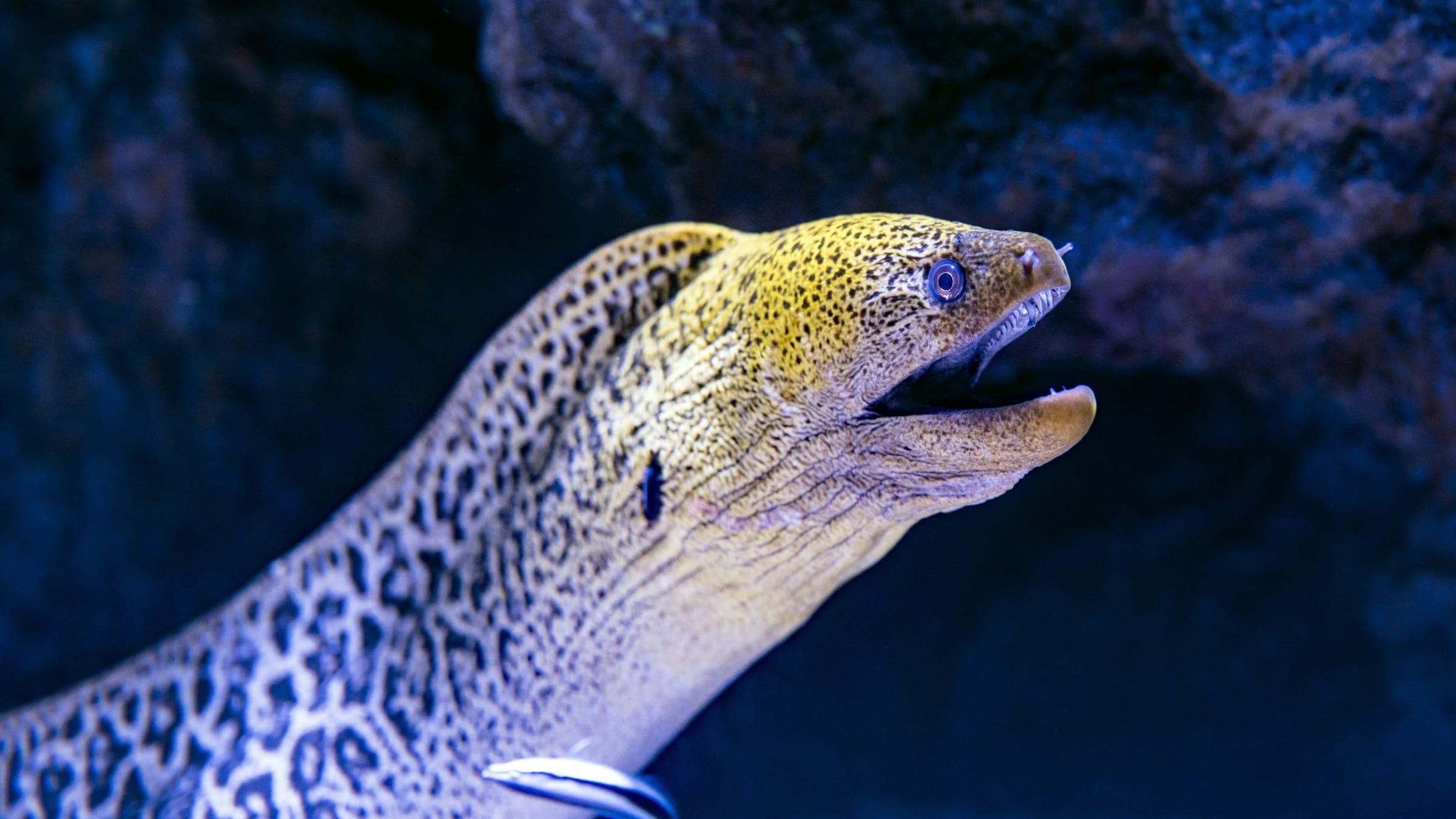
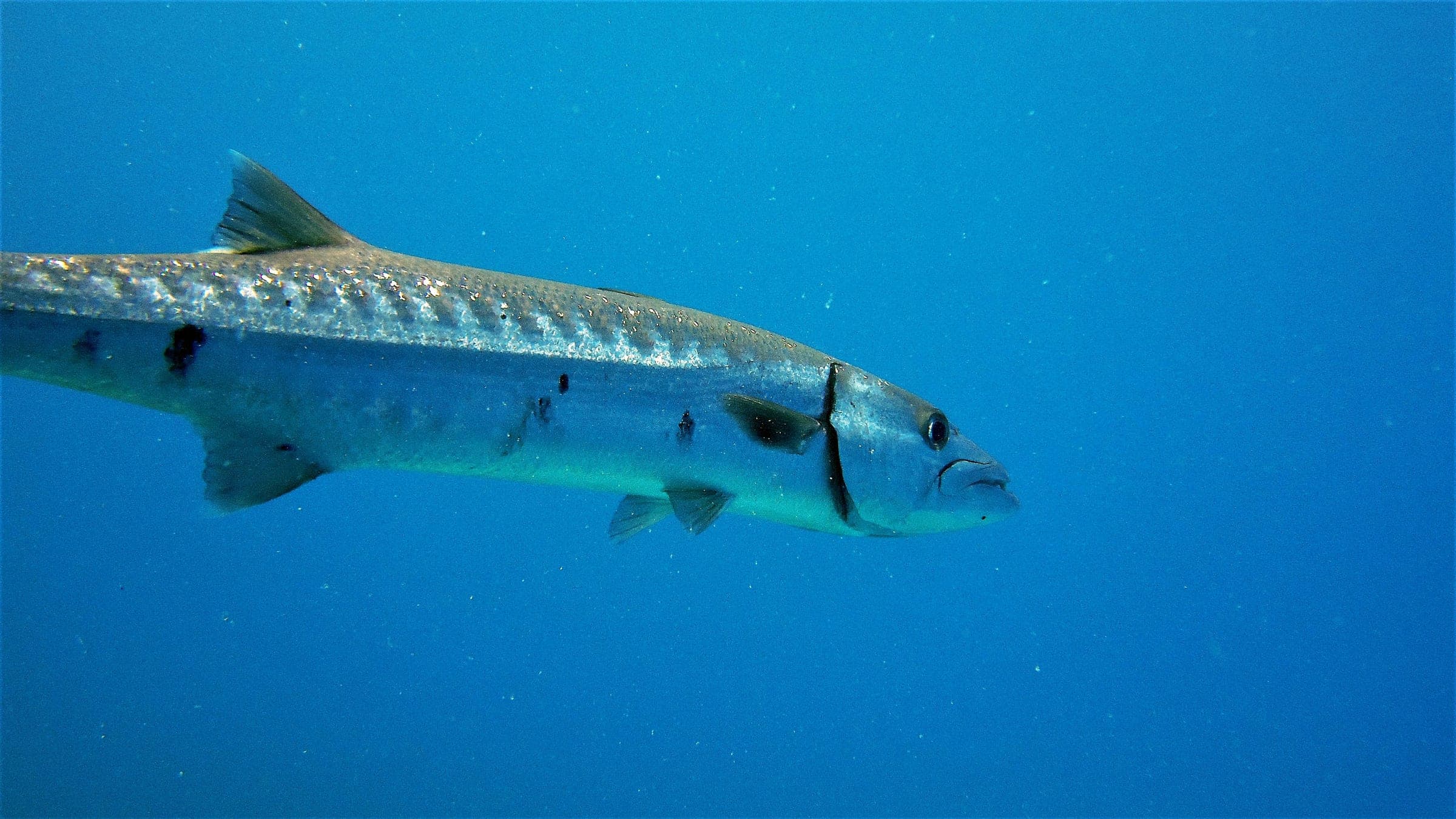
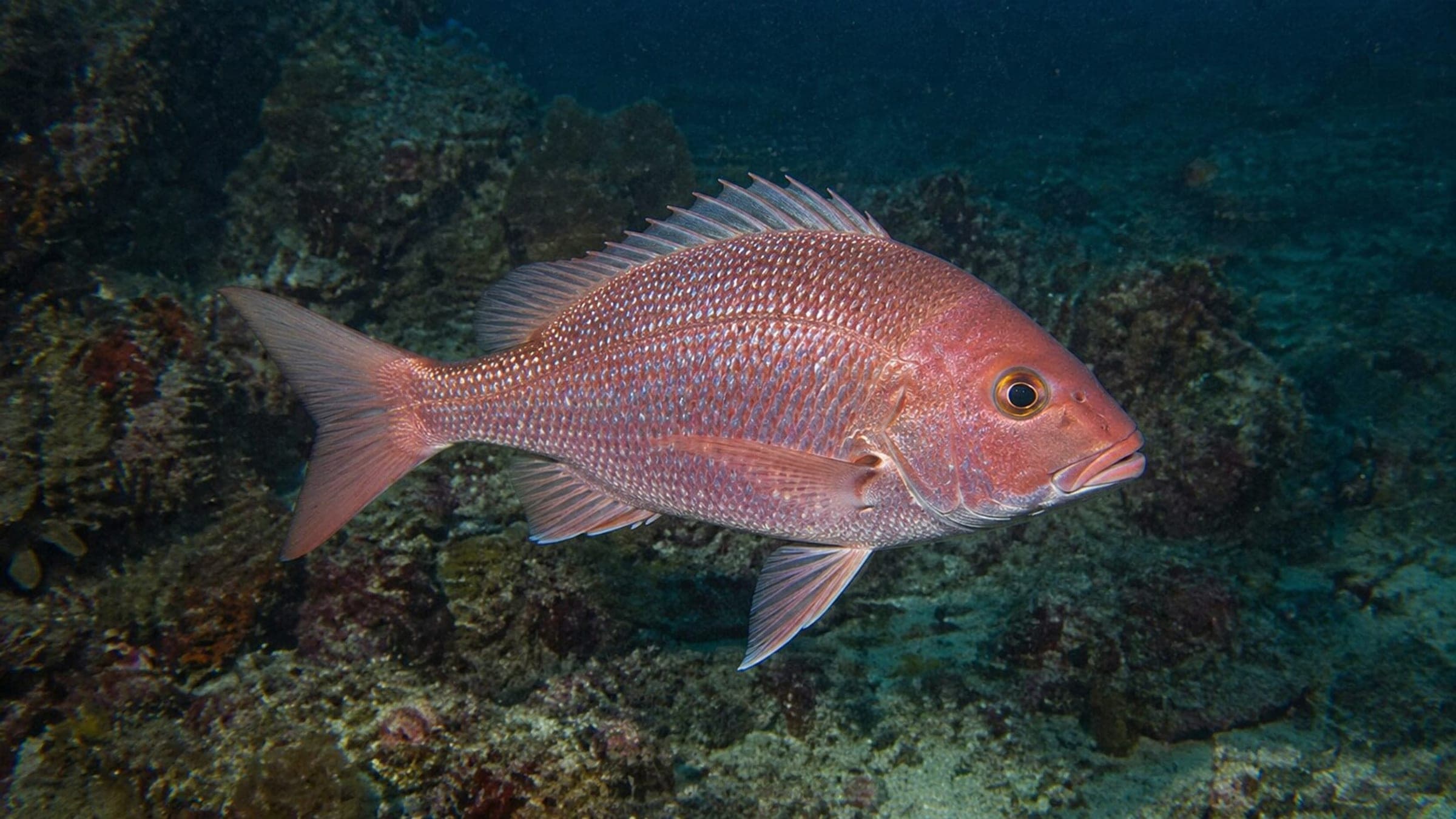
Top species linked to approved dive spots in Phuket.
Share what the whole destination was like. Once enough independent reviews are approved, DiveJourney publishes anonymous patterns, not reviewer profiles.
Quick shortlist before you jump into the full planning page.

Shallow Kata Beach reef sessions from SSS Phuket Dive Center.
DiveJourney destination guides are living documents built from local knowledge, operator experience, and publicly available sources. Conditions, regulations, and logistics can change. Each guide shows its last update date and sources used.
Last updated: January 23, 2026 • 16 sources
If destination data is inaccurate, stale, missing, or sourced poorly, send a factual correction. This is separate from anonymous destination reviews.
Sheltered bays and offshore islands support relaxed sessions, plus a pool-training culture that shows up on the AIDA calendar.
Trip Planning
External Booking PartnerThis destination works either as a land-based plan or as a longer liveaboard itinerary. Use the guide for local planning, or compare boats if the remote circuit is the priority.
Land-based guide
Base areas, day boats, local operators, and shore logistics
Liveaboard planning
Boats, departures, and longer expedition-style routes
DiveJourney may earn referral revenue from the external booking partner. Liveaboard bookings are handled by the partner and operator under their terms.
45 linked spots
Best time to go
November to April
Drier weather, calmer seas, and clearer water. Expect warm days and water often around 28°C.
Main caution: Southwest monsoon with gustier winds (often 20 km/h to 35 km/h) and higher swell on exposed coasts.