Best time to go
August - October
Warmest water, better chances for calm mornings and comfortable surface intervals.
Main caution: Colder water and higher chance of storm swell. Shore entries can be hazardous on big surf days.

Kelp forests, canyon shore dives, and classic wrecks on Southern California's doorstep
Overview
San Diego and La Jolla are a compact Southern California dive base: easy shore entries at La Jolla, kelp and rock structure off Point Loma, and a concentrated lineup of boat-access wrecks in Wreck Alley. Days can be as simple as a morning snorkel at the Cove, or as ambitious as deep wreck dives followed by a sunset hike. Expect cooler Pacific water, real swell cycles, and marine protected area rules that reward a look-but-dont-touch mindset. Late summer and early fall bring the warmest water and the best overlap with La Jolla's seasonal leopard shark encounters.
La Jolla includes State Marine Reserves and Conservation Areas with strong take and disturbance restrictions, which supports reliable wildlife encounters.
La Jolla Cove for easy reef snorkeling and scuba, and La Jolla Shores for a sandy entry that leads to canyon terrain.
A compact set of wrecks and artificial reefs offshore makes it easy to plan a high-payoff boat day without long crossings.
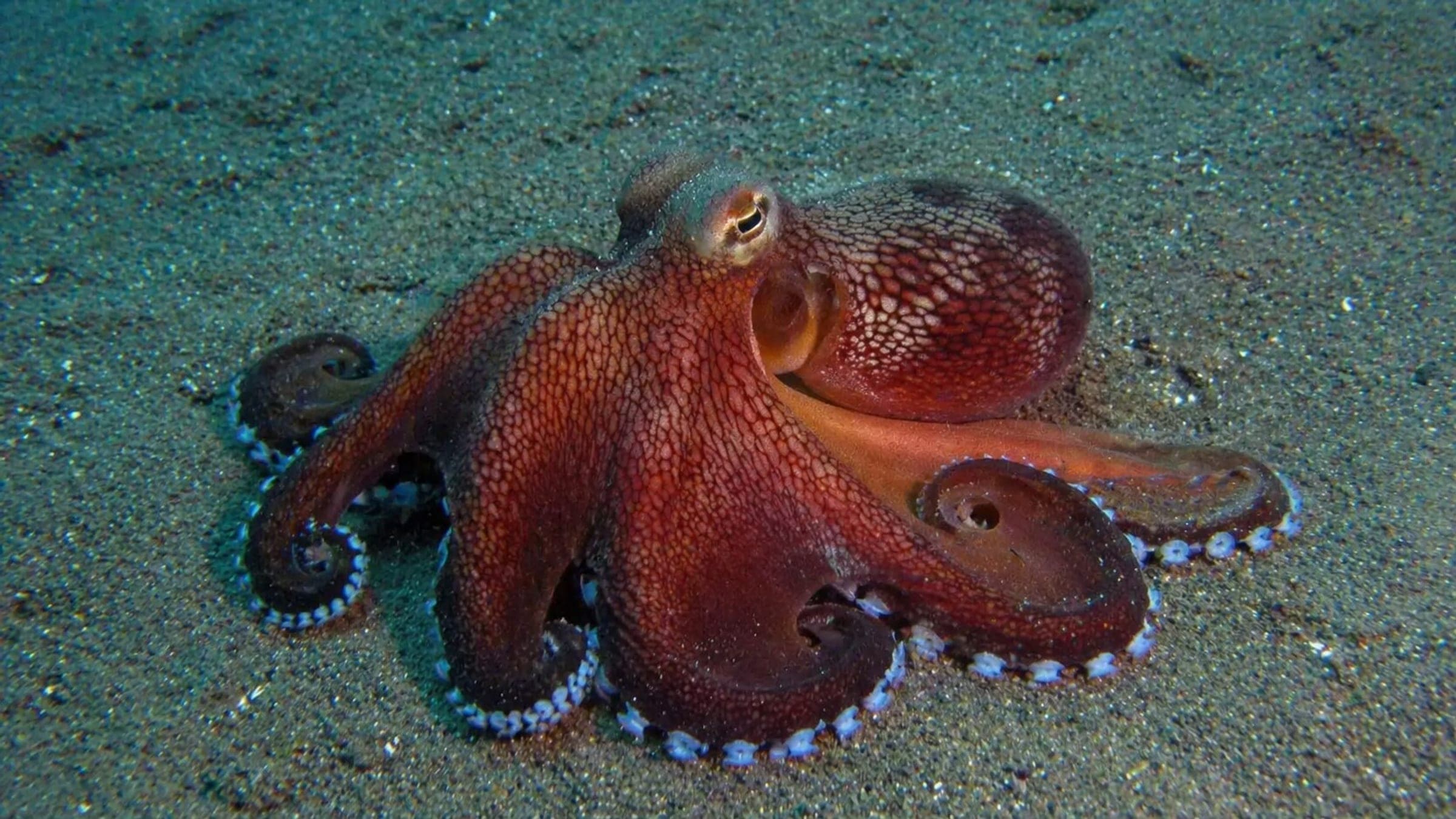
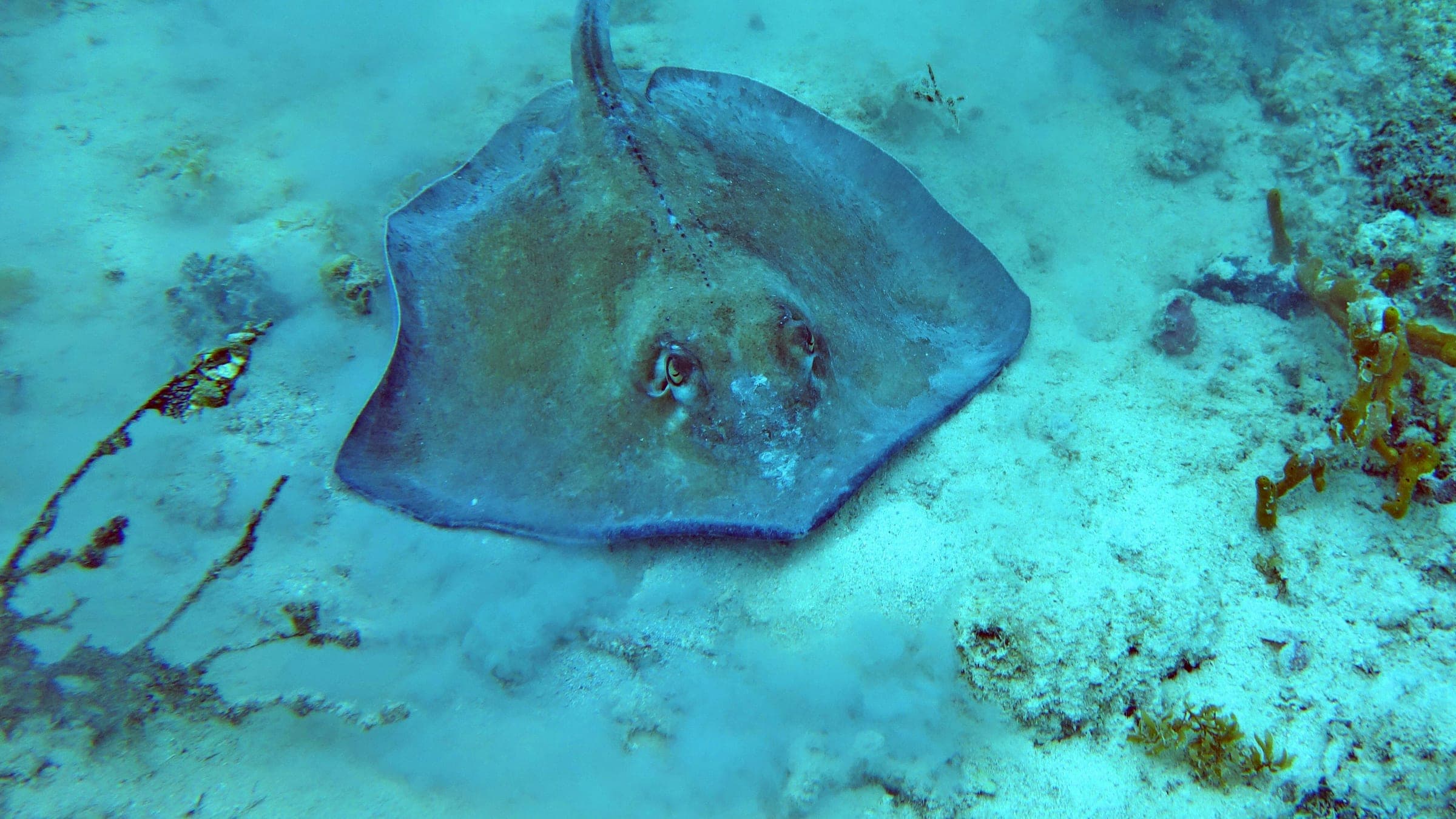
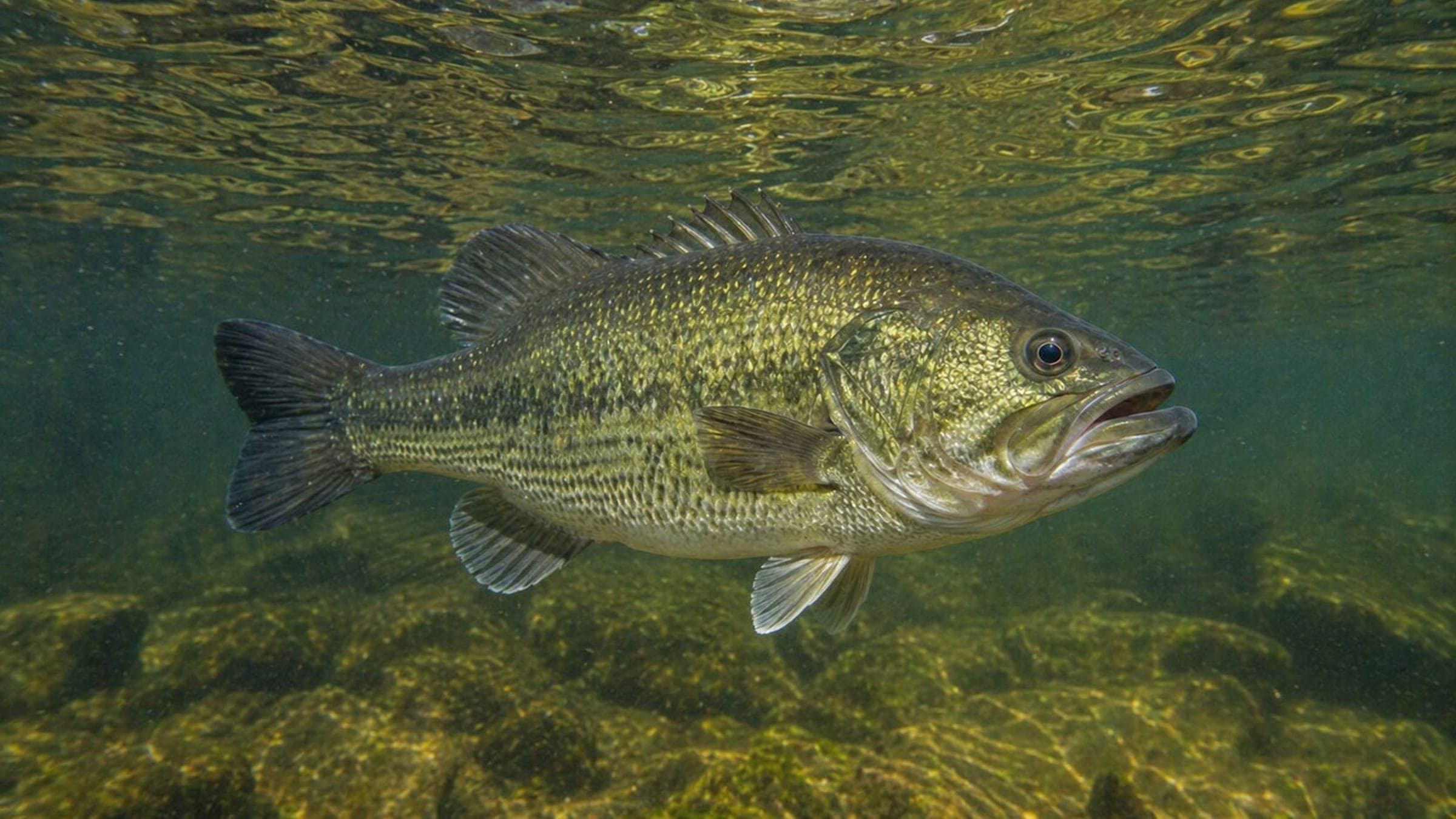
Top species linked to approved dive spots in San Diego and La Jolla.
Share what the whole destination was like. Once enough independent reviews are approved, DiveJourney publishes anonymous patterns, not reviewer profiles.
Quick shortlist before you jump into the full planning page.
DiveJourney destination guides are living documents built from local knowledge, operator experience, and publicly available sources. Conditions, regulations, and logistics can change. Each guide shows its last update date and sources used.
Last updated: December 13, 2025 • 15 sources
If destination data is inaccurate, stale, missing, or sourced poorly, send a factual correction. This is separate from anonymous destination reviews.
Kelp forests, rays on sand, and seasonal shark and marine mammal activity create a wide-angle playground, with macro opportunities in the rocks.
2 linked spots
Best time to go
August - October
Warmest water, better chances for calm mornings and comfortable surface intervals.
Main caution: Colder water and higher chance of storm swell. Shore entries can be hazardous on big surf days.