Best time to go
November to April
Drier weather, calmer seas for ferries and day boats, water around 28°C.
Main caution: Rainy season and rougher sea crossings; some operators reduce schedules or cancel on wind.

Wrecks, coral gardens, and slow-island beach days in Thailand's eastern Gulf
Overview
Trat Province's island chain delivers an easy, multi-island Thailand dive trip without long travel days. Base on rainforest Koh Chang for boat diving and the headline HTMS Chang wreck, then slow down on tiny Koh Mak or palm-lined Koh Kood for shallow reefs, beach time, and sunset sessions. Much of the archipelago sits inside Mu Ko Chang National Park, so day trips often combine coral gardens, beginner-friendly depths, and clear-water snorkeling. Conditions are generally warm year-round, with the driest, calmest seas from November to April. May to October brings heavier rain and rougher crossings, but also greener jungle and stronger waterfalls.
Much of the island chain sits inside Mu Ko Chang National Park, protecting coral reefs around islands like Koh Wai and the Koh Rang group.
The HTMS Chang Wreck delivers big structure and fish life for advanced depth profiles, while nearby reefs keep the trip beginner-friendly.
Koh Chang, Koh Mak, and Koh Kood are close enough to combine in one week, so you can mix diving, snorkeling, cycling, and waterfall days without domestic flights.
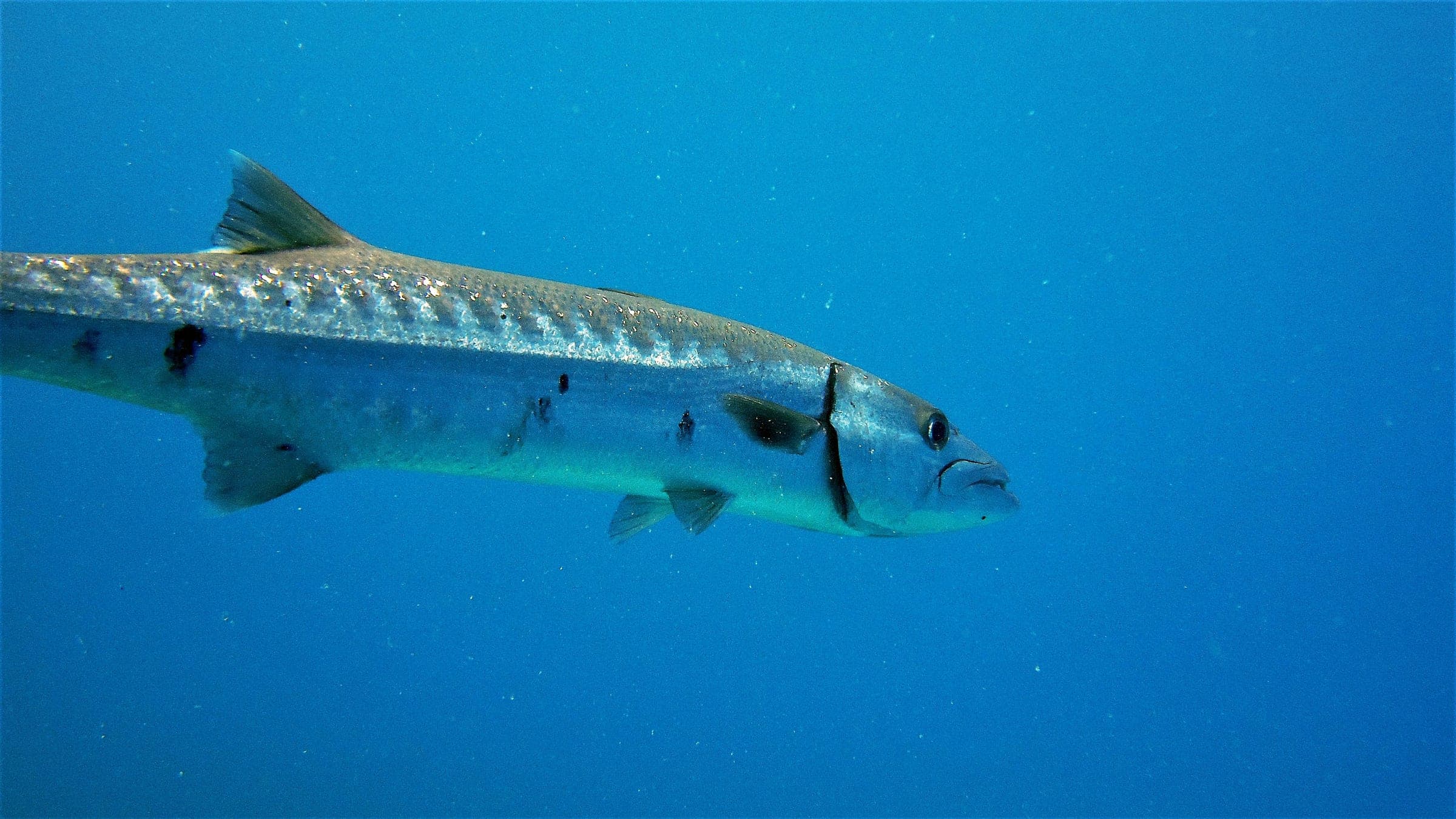
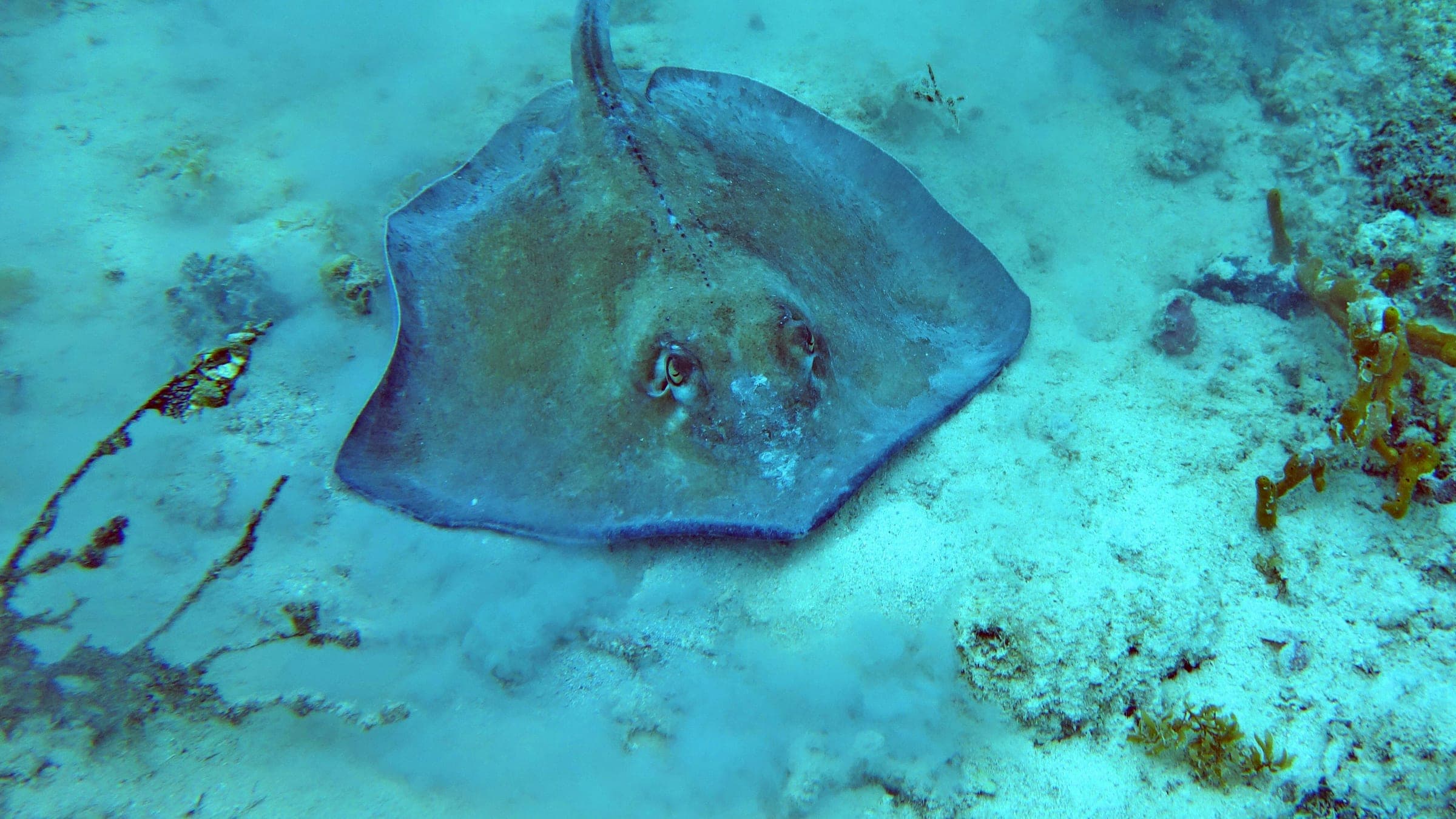
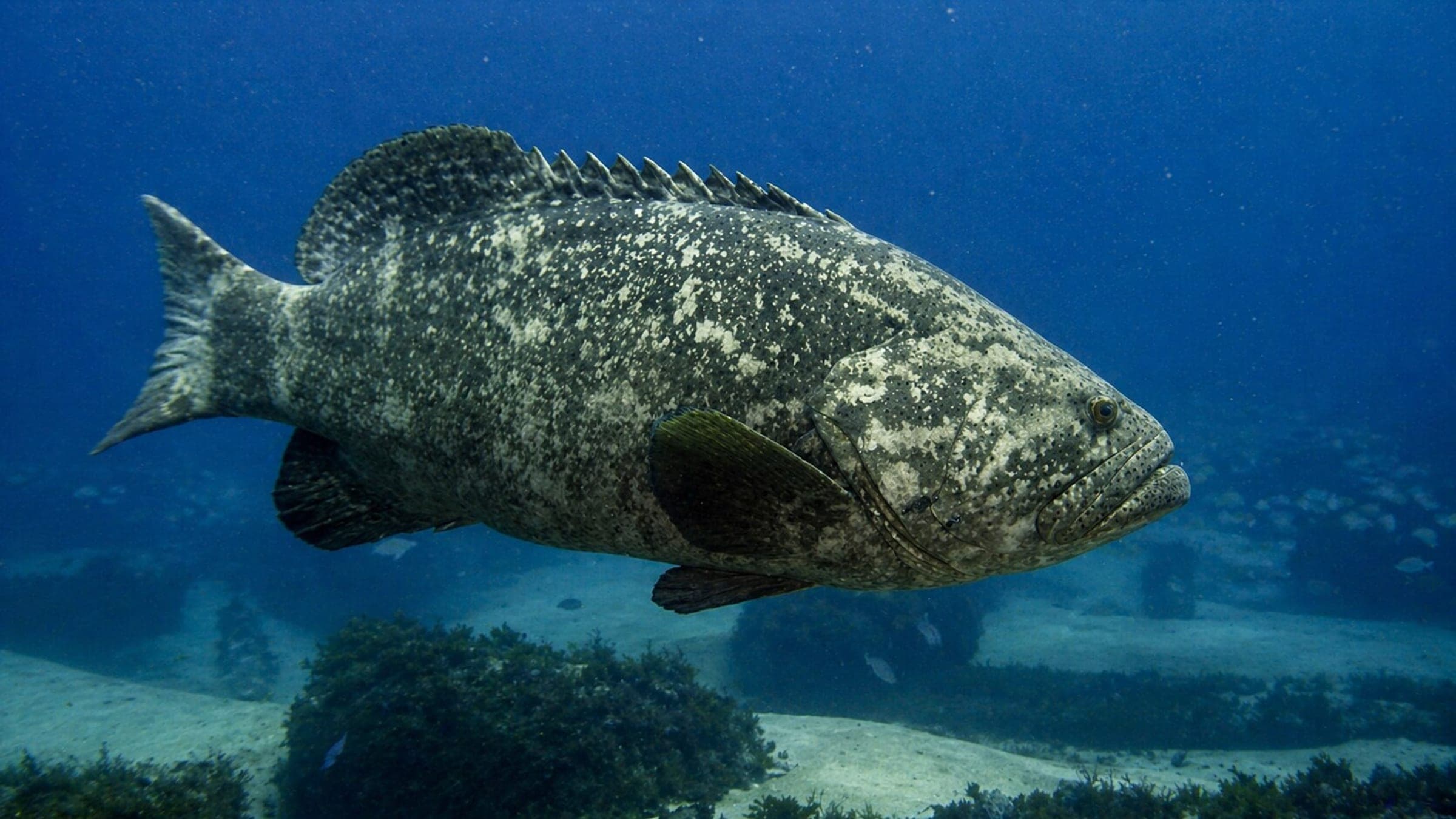
Top species linked to approved dive spots in Trat and the Koh Chang Archipelago.
Share what the whole destination was like. Once enough independent reviews are approved, DiveJourney publishes anonymous patterns, not reviewer profiles.
Quick shortlist before you jump into the full planning page.
Koh Chang twin-pinnacle reef with corals, canyon, and turtles.
Shallow boat-access reef island with coral gardens and easy conditions.
Rocky Koh Rang pinnacle with murkier water and stingray schools.
DiveJourney destination guides are living documents built from local knowledge, operator experience, and publicly available sources. Conditions, regulations, and logistics can change. Each guide shows its last update date and sources used.
Last updated: January 23, 2026 • 16 sources
If destination data is inaccurate, stale, missing, or sourced poorly, send a factual correction. This is separate from anonymous destination reviews.
Expect tropical water temperatures around 27°C to 30°C most of the year; many divers are comfortable in a rashguard or 3mm.
9 linked spots
Best time to go
November to April
Drier weather, calmer seas for ferries and day boats, water around 28°C.
Main caution: Rainy season and rougher sea crossings; some operators reduce schedules or cancel on wind.