Best time to go
November to May
Lower rain, cooler air near 26°C, good sea clarity
Main caution: Rain and sargassum surges possible, hurricane season peaks Aug to Oct

Cenote light shows, shallow reef drifts, and biosphere adventures
Overview
Tulum is a rare place where world-class cavern diving meets easy Caribbean reef time. Shore is the staging area for boat rides to the protected Arrecifes de Tulum National Park, while inland limestone sinks open to haloclines, hydrogen sulfide clouds, and sculpted speleothems. Conditions are friendly for new divers on the reef and exceptionally photogenic for experienced divers inside the daylight zones of cenotes. Snorkelers score turtles at nearby Akumal and glassy lagoons in Muyil. Topside, Sian Ka'an Biosphere Reserve delivers wildlife, mangroves, and mirror-flat lagoons. With a new international airport and solid bus links, Tulum works for long weekends or extended training blocks.
Year-round cavern access with clear freshwater, haloclines, and stable temps near 24°C.
Boat-access reefs sit in Arrecifes de Tulum National Park with regulated operators and daily bracelets.
Fly directly into Tulum International (TQO) or via Cancun (CUN). Reliable ADO buses and shuttles.
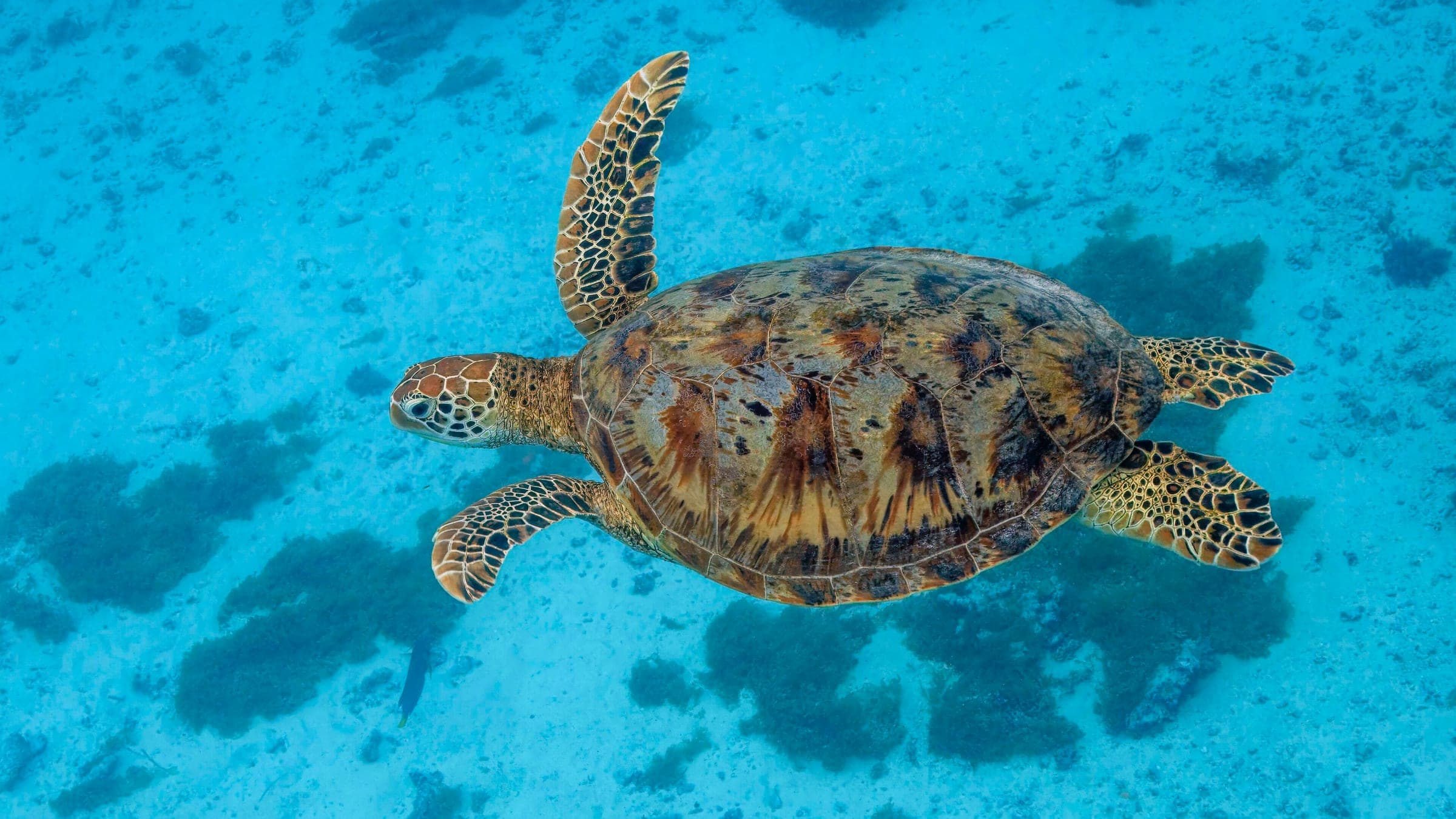
Turtles in Akumal, crocs and birds in Sian Ka'an, seasonal whale shark day trips from Cancun area.
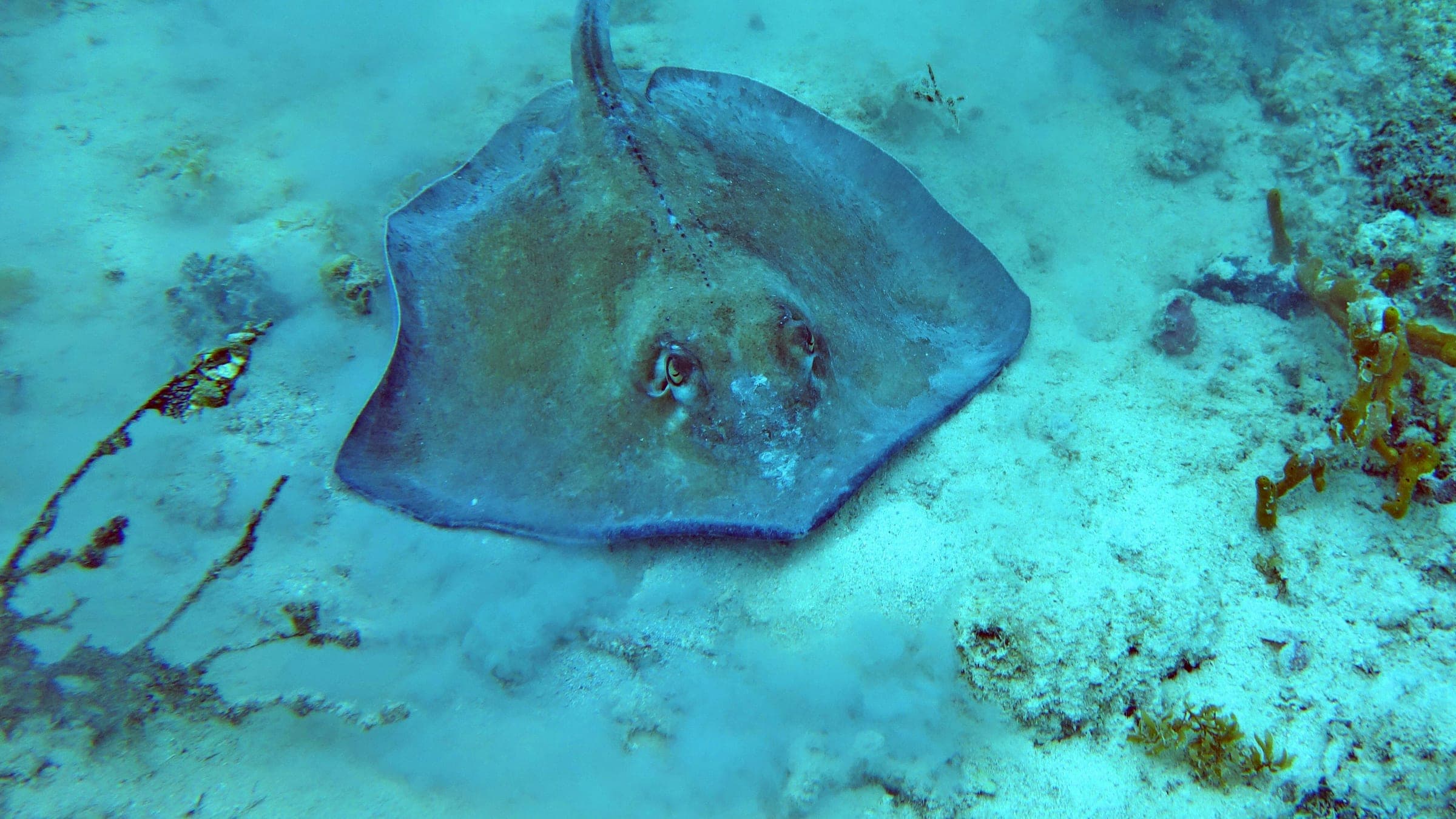
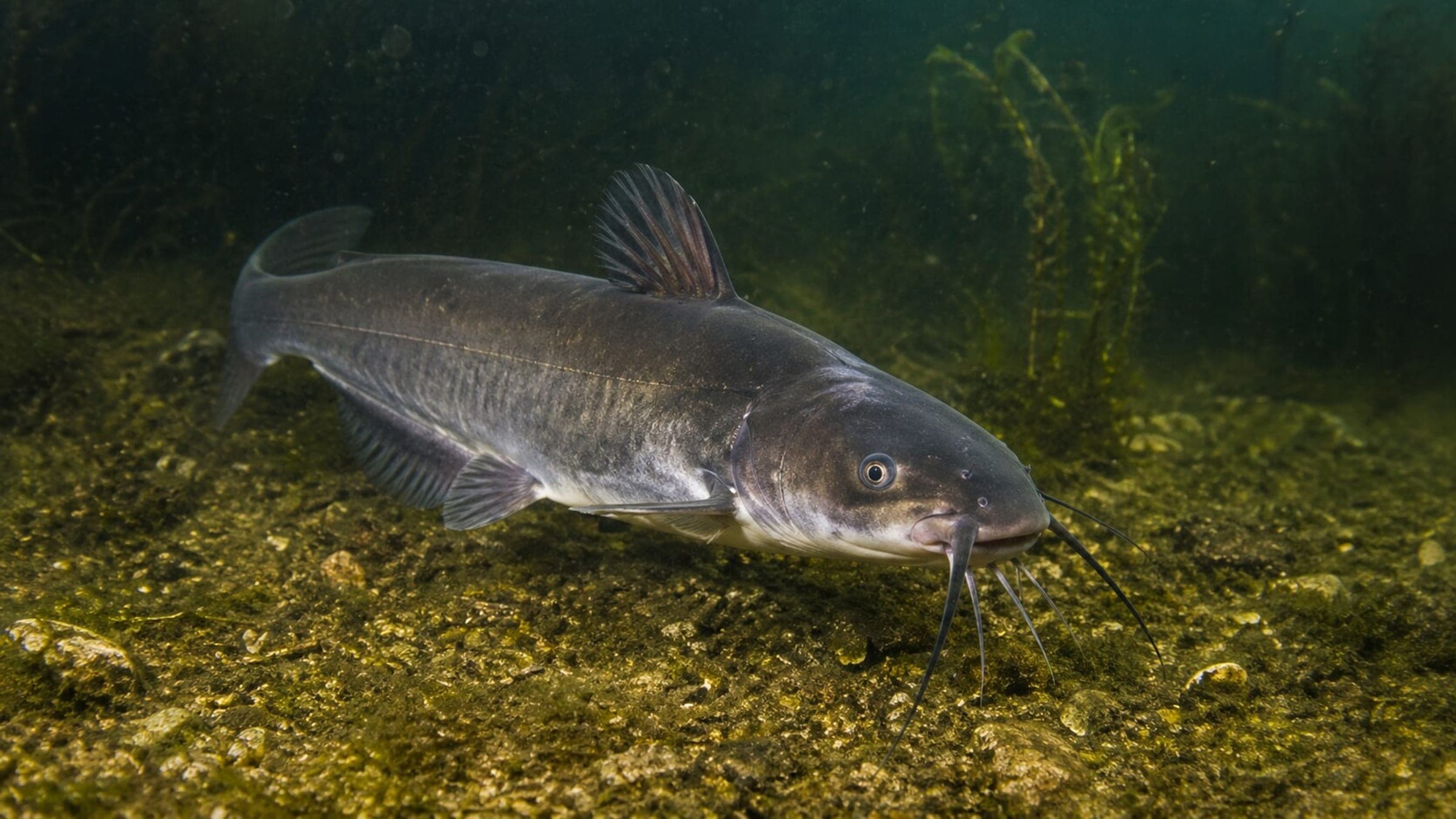
Top species linked to approved dive spots in Tulum.
Share what the whole destination was like. Once enough independent reviews are approved, DiveJourney publishes anonymous patterns, not reviewer profiles.
Quick shortlist before you jump into the full planning page.

DiveJourney destination guides are living documents built from local knowledge, operator experience, and publicly available sources. Conditions, regulations, and logistics can change. Each guide shows its last update date and sources used.
Last updated: October 30, 2025 • 17 sources
If destination data is inaccurate, stale, missing, or sourced poorly, send a factual correction. This is separate from anonymous destination reviews.
Chelonia mydas
5 linked spots
Best time to go
November to May
Lower rain, cooler air near 26°C, good sea clarity
Main caution: Rain and sargassum surges possible, hurricane season peaks Aug to Oct