Official Azores diving conditions page stating that June-September is the best diving period overall, August to September or October often exceeds 30 m visibility, and spring visibility commonly drops to 10-15 m.
Boat dive on Santa Maria's prismatic volcanic columns.
Save it, log a dive, or explore nearby on the map.
Save it to come back later
Public references describe Calçada do Gigante as a boat-only dive, so access is normally arranged through a local Santa Maria operator or skipper.
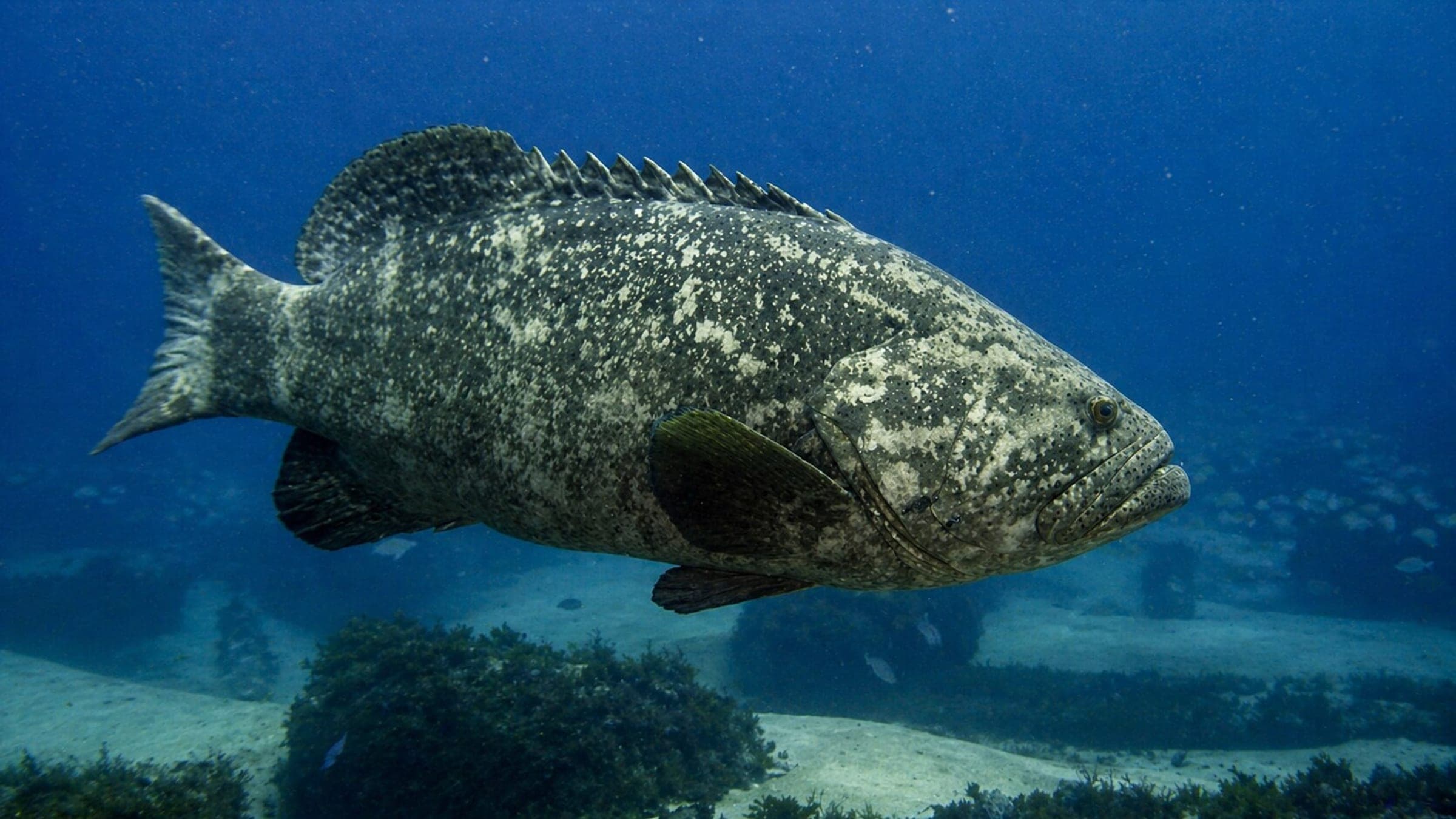
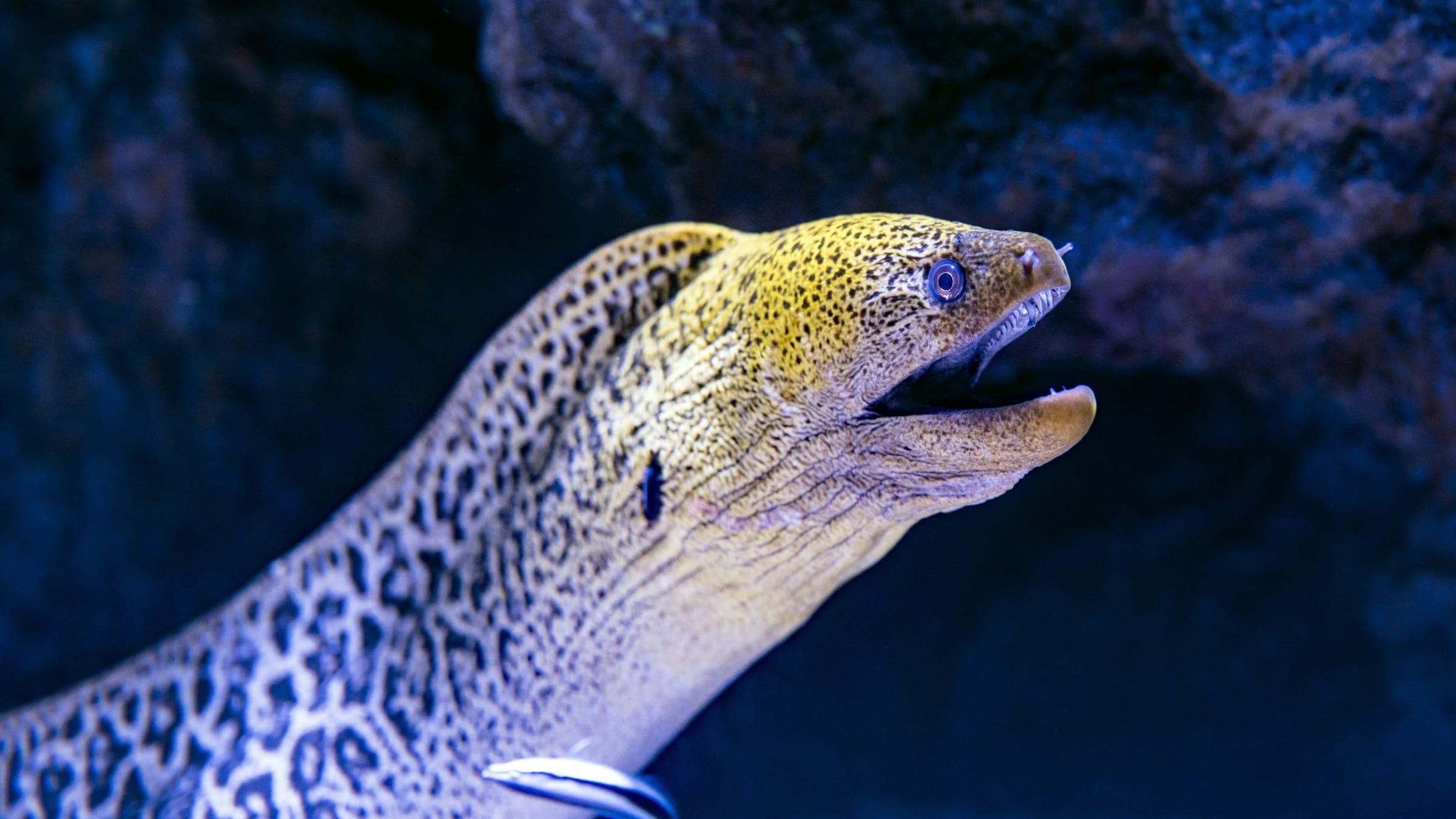
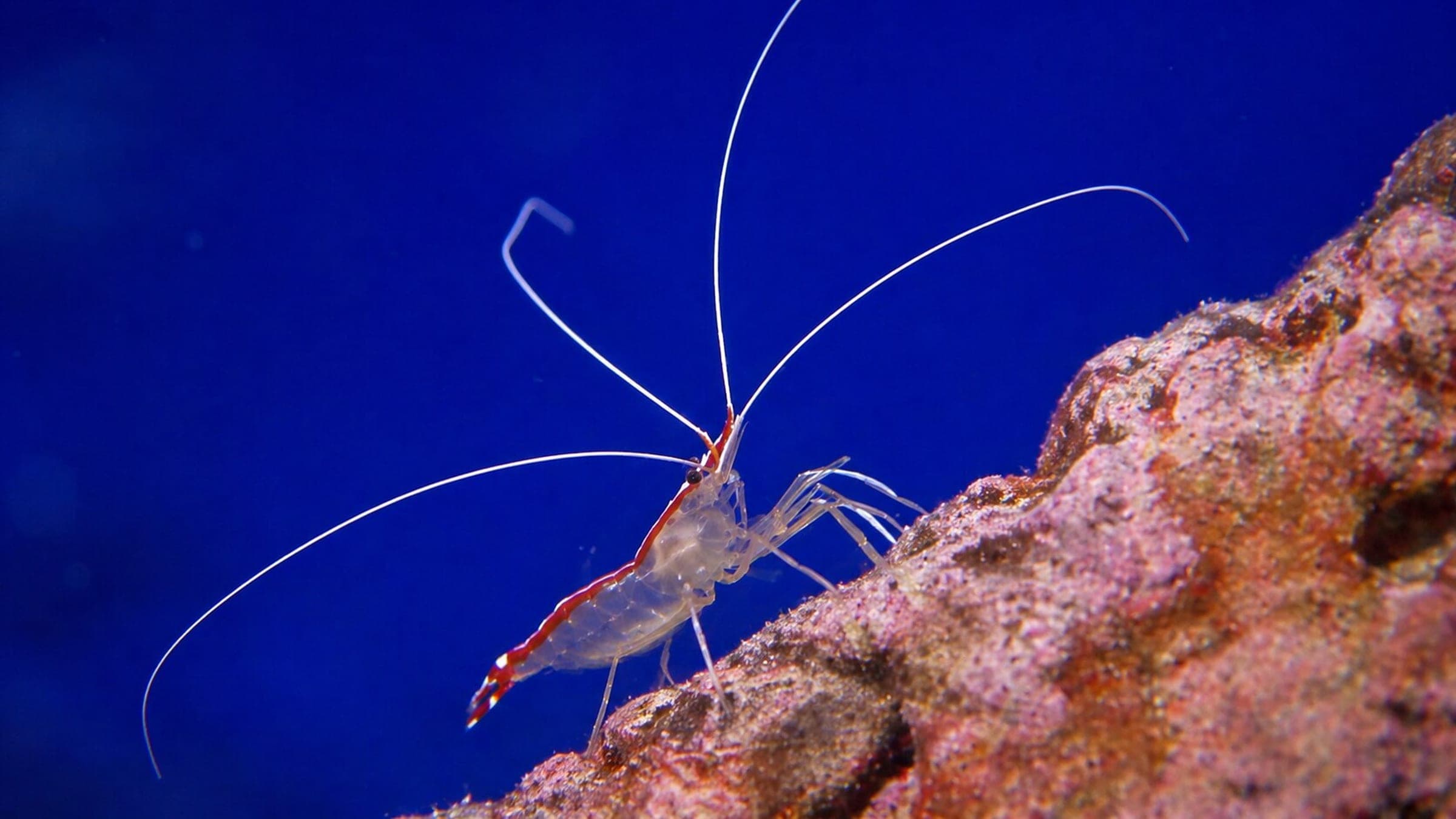
Calçada do Gigante is a boat-access Santa Maria dive built around tall prismatic volcanic rock close to shore, giving the site a dramatic basalt architecture instead of a broad reef layout. The appeal here is the formation itself: a compact rocky seascape where the column-like structure stays in view for most of the dive and makes the geology feel more distinctive than the route length. Marine life is usually secondary to the terrain but still part of the experience, with public dive references repeatedly mentioning groupers, eels, morays, and shrimp around the rock. The site generally feels most rewarding in the clearer warm-season window, when calmer Azores conditions make the formation easier to appreciate.
Conservative baseline from public research. No community dives logged yet.
Depth range, seasonality, and planning context.
Reported Depth
15m - 25m
Depth Note
Public dive listings place the main route around a nearshore prismatic rock formation, with commonly cited depths around 15-25 m.
Best Season
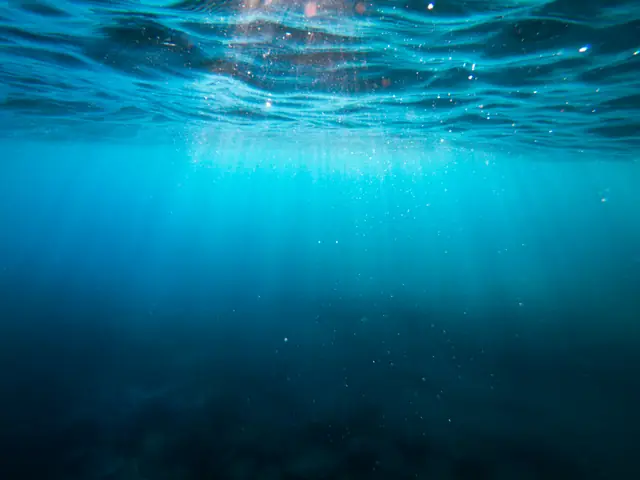
June to October is the easiest planning window for Calçada do Gigante, with the clearest water usually arriving from August into September or October.
Typical Conditions
Expect a nearshore Atlantic boat dive around volcanic columns, with planning shaped more by seasonal clarity and sea state than by sheltered reef cover.
Community notes to help plan your visit.
Scuba Diving
Scuba plans focus on the prismatic rock formation and nearby rocky seascape rather than a long drift, with the structure serving as the main visual reference.
Species commonly reported at this site, with direct links into their wildlife guides.
Community dive logs and visit reports for this site.
Average conditions based on logged dives & visits.
Planning answers for access, conditions, timing, and site logistics.
Last Updated
Research Sources
Official Azores diving conditions page stating that June-September is the best diving period overall, August to September or October often exceeds 30 m visibility, and spring visibility commonly drops to 10-15 m.
Santa Maria operator overview supporting local boat-diving logistics and the island's seasonal dive operations.
Know this site? Improve Spot Details.

Offshore Santa Maria bank with current and rich fish life.

Offshore Santa Maria seamount known for summer mobula encounters.

Pedrinha is a marine reserve off Santa Maria.

Protected offshore seamount famed for summer mobula encounters.

Low-light cave dive on Santa Maria with dense shrimp life.