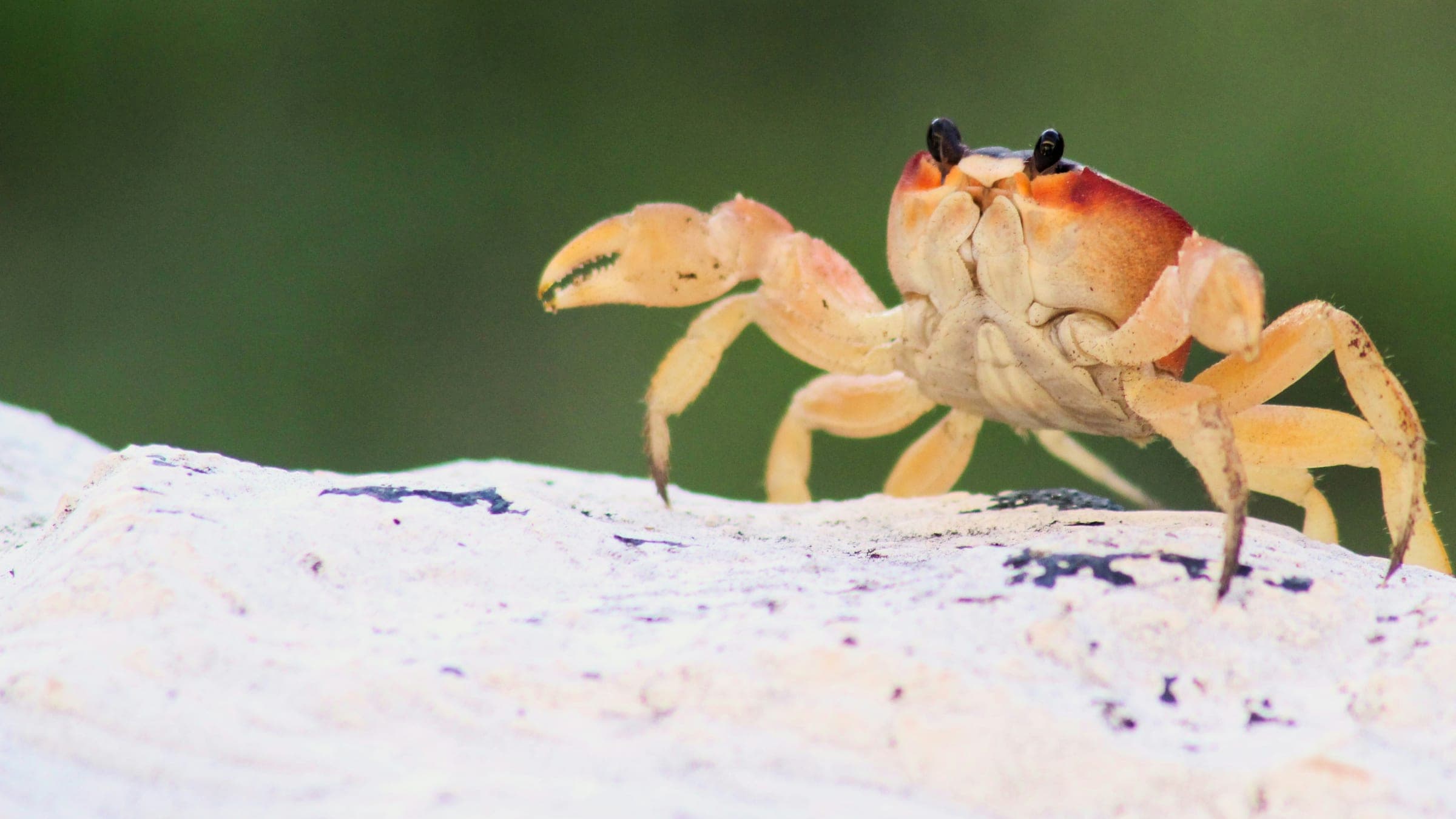
Body shape
Elongated body with a long, narrow muscular tail (abdomen).
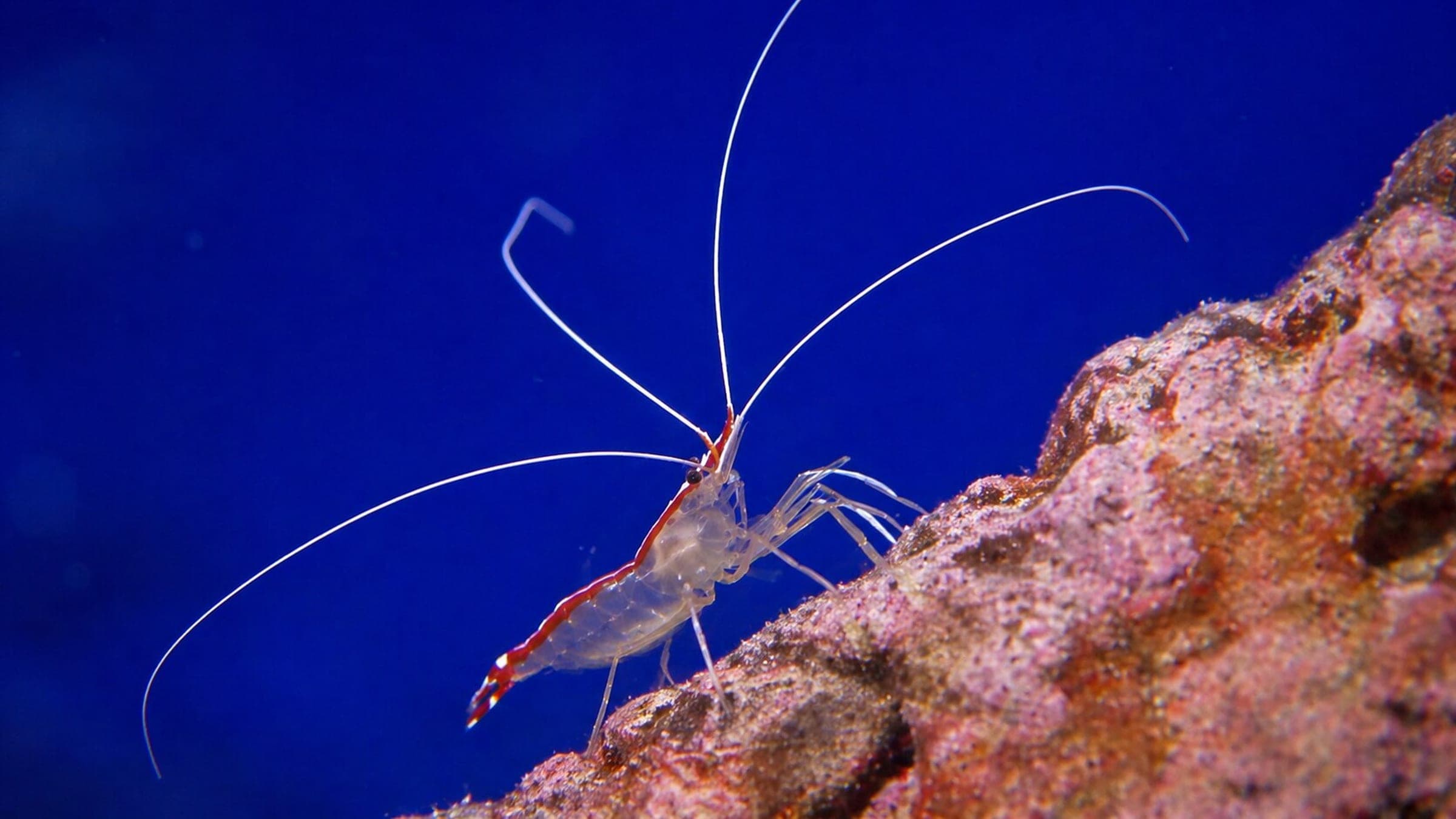
Shrimp are elongated, primarily swimming crustaceans found in marine and freshwater habitats that play important roles in food webs and are widely fished and farmed.
Last Updated Mar 9, 2026 · 2 sources
Species Guide
A clean field guide focused on habitat, identification, behavior, and conservation context without burying the useful parts.
Shrimp is a common name for a range of crustaceans—typically decapods in Caridea or Dendrobranchiata—characterized by an elongated body, long antennae, and a long, narrow muscular tail (abdomen). Many definitions overlap with the term prawn. Shrimp swim forward by paddling the swimmerets beneath their abdomens; their escape response often involves repeated tail-flicks that rapidly drive them backward. They have slender, biramous legs and relatively thin, fragile walking legs used mainly for perching. Shrimp occur in both freshwater and marine habitats, inhabiting coasts, estuaries, rivers, lakes, and seafloor-associated zones. They feed near the seafloor, are an important food source for larger animals (from fish to whales), and typically live one to seven years. Shrimp are often solitary but may form large schools during spawning. Many species are commercially caught and farmed for human consumption.
Commercial overfishing and bycatch, plus pollution and habitat impacts from shrimp farming, are significant concerns for shrimp and their environments.
Typically swim forward by paddling swimmerets; escape response consists of repeated tail-flicks that drive them backward. Some species flip off the seafloor and dive into sediment to evade predators. Many are solitary but may school during spawning.
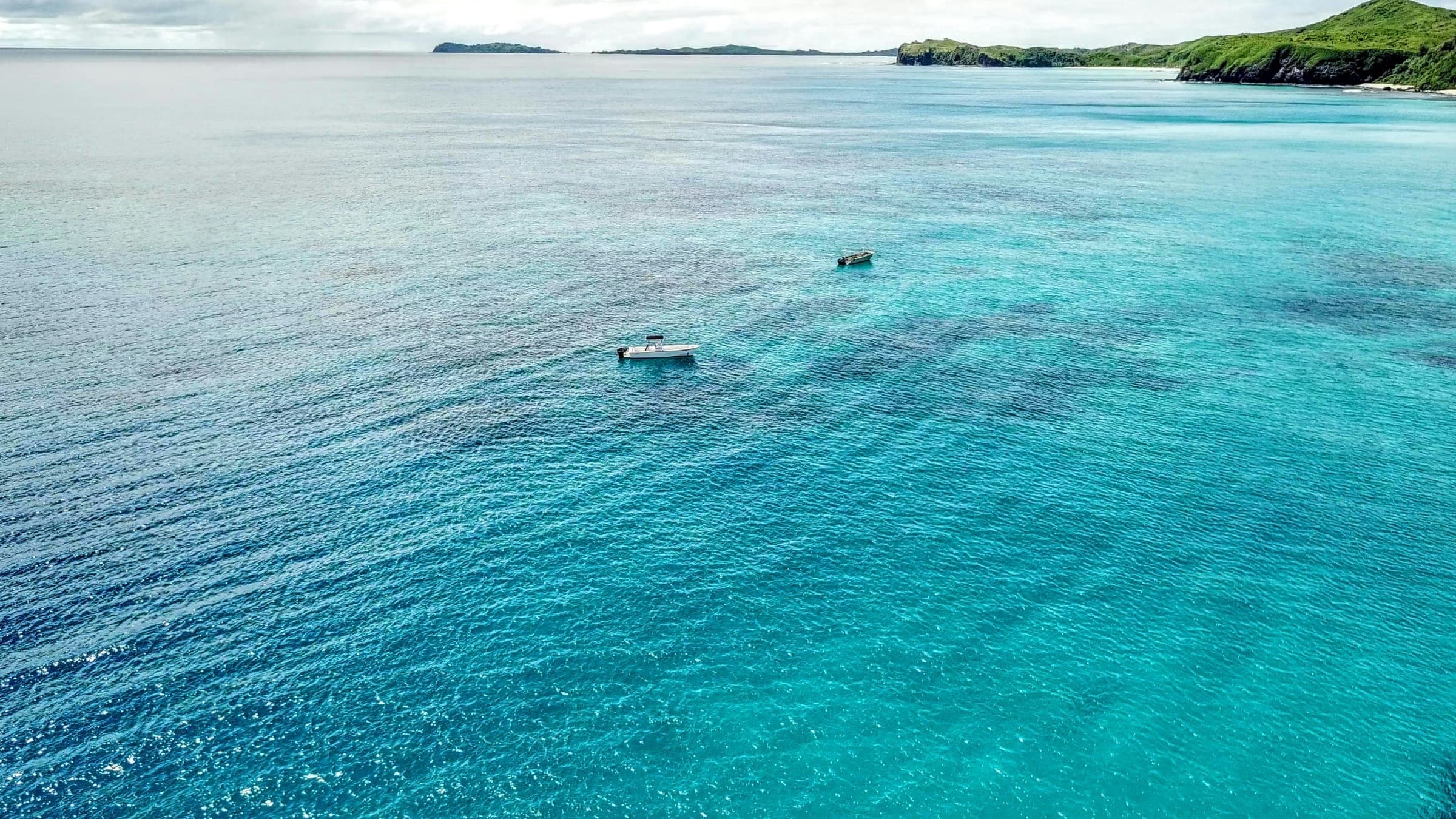
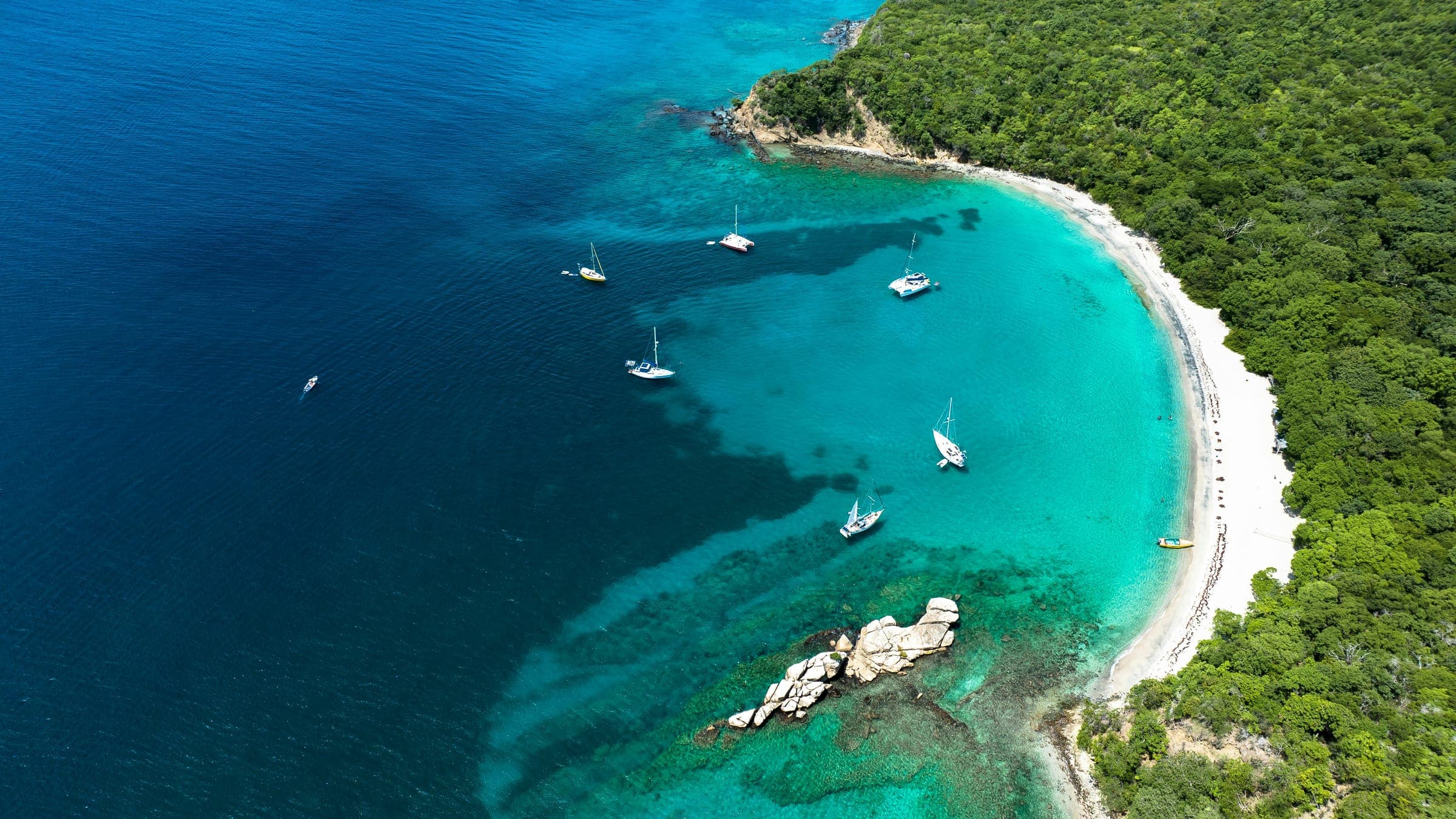
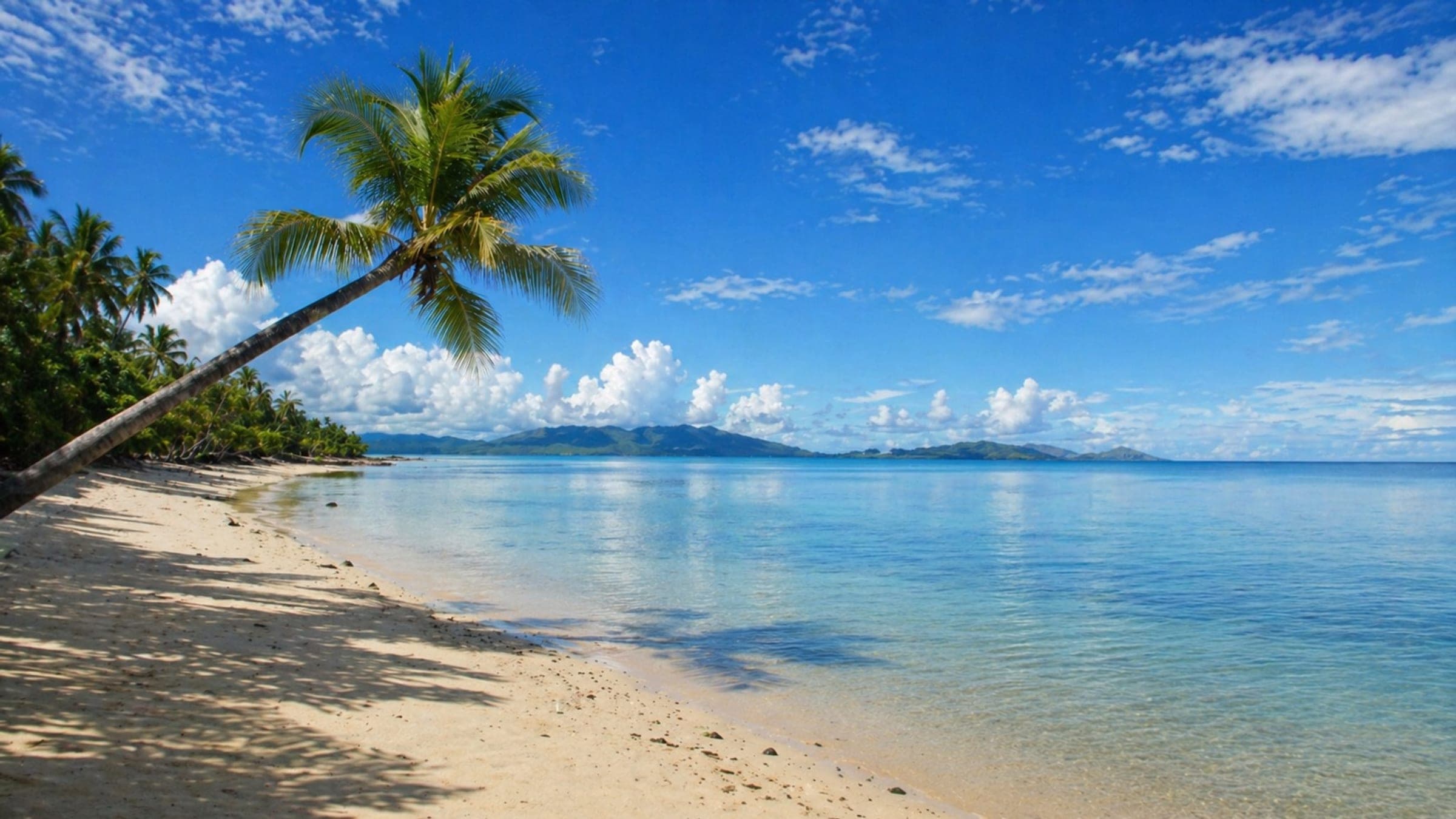
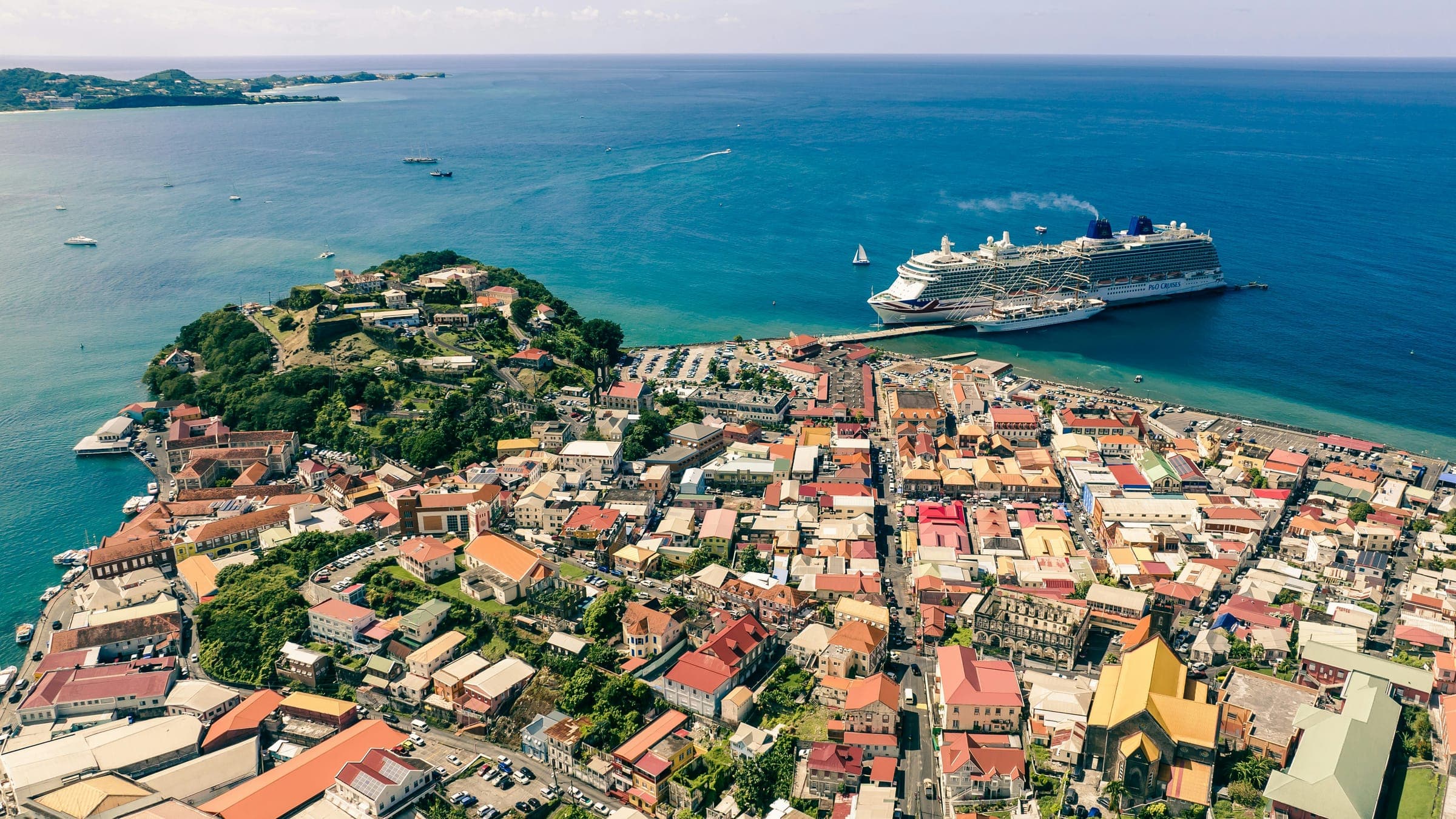
The strongest linked planning options currently surface around destinations such as Coral Coast, Viti Levu, Carriacou (Tyrrel Bay), Rakiraki and Vatu-i-Ra / Bligh Water and countries such as Japan, Spain, Greece for divers building trips around shrimp.
Identification
The visual markers divers can use underwater, plus the species most likely to cause confusion.
Elongated body with a long, narrow muscular tail (abdomen).
Long whisker-like antennae and slender, biramous legs with thin, fragile walking legs used mainly for perching.
Swim by paddling swimmerets beneath the abdomen; escape by repeated tail-flicks that propel them backward.
Under broader usage, prawns and shrimp may be considered synonymous, both referring to stalk-eyed, swimming crustaceans with long tails and antennae.
Range and Movement
The broad range, seasonal movement, or migratory behavior that shapes where divers encounter this species.
Typically swim forward by paddling swimmerets; escape response consists of repeated tail-flicks that drive them backward. Some species flip off the seafloor and dive into sediment to evade predators. Many are solitary but may school during spawning.
Diet
Useful feeding context that often explains habitat, movement, and encounter style.
Feed near the seafloor; serve as an important food source for larger animals from fish up to whales.
Conservation
Status, pressure, and protection context grounded in cited sources rather than filler.
Commercial overfishing and bycatch, plus pollution and habitat impacts from shrimp farming, are significant concerns for shrimp and their environments.
Excessive capture of wild shrimp and associated bycatch from fisheries is a significant concern.
Shrimp farming can lead to pollution and habitat degradation in waterways used for production.
Responsible Encounters
Conservation-minded guidance for divers who want the encounter without adding pressure.
Give shrimp space, avoid blocking the animal's path, and follow local site and operator rules for wildlife interactions with crustaceans.
Field Notes
Useful species context that makes the encounter more meaningful once you are underwater.
Commercially important shrimp species support a multibillion-dollar industry; in 2010 total commercial production was nearly 7 million tonnes.
Shrimp farming expanded during the 1980s, and by 2007 farm harvests exceeded capture of wild shrimp.
Most shrimp live between one and seven years and are often solitary but can form large schools while spawning.
Top Destinations
Destinations surfaced from the linked dive spots associated with this species.
Top Countries
The strongest country-level starting points currently linked to this species.
Top Dive Spots
Directly linked dive spots where this species already shows up in the planning data.
One Tree Bay is a sheltered Tioman bay dive with rocks and easy reef terrain.
Boat-access canyon dive in front of San Pedro Town.
Coral-head cluster with swim-throughs and a strong night dive.
Maze-like pinnacle line with multiple swim-throughs.
Boat wall dive on Arsida Walll with very good visibility
Atami Wreck's signature boat dive for fish and soft coral.
Diver Sightings
Approved diver reports where shrimp were recently tagged.
FAQ
Clear planning and conservation answers written for search visibility and AI retrieval.
Research Sources
Primary and credible references behind the field-guide and conservation claims on this page.
Related Species
Related species guides in the same encounter family.