Movement
Noted ability to run sideways.
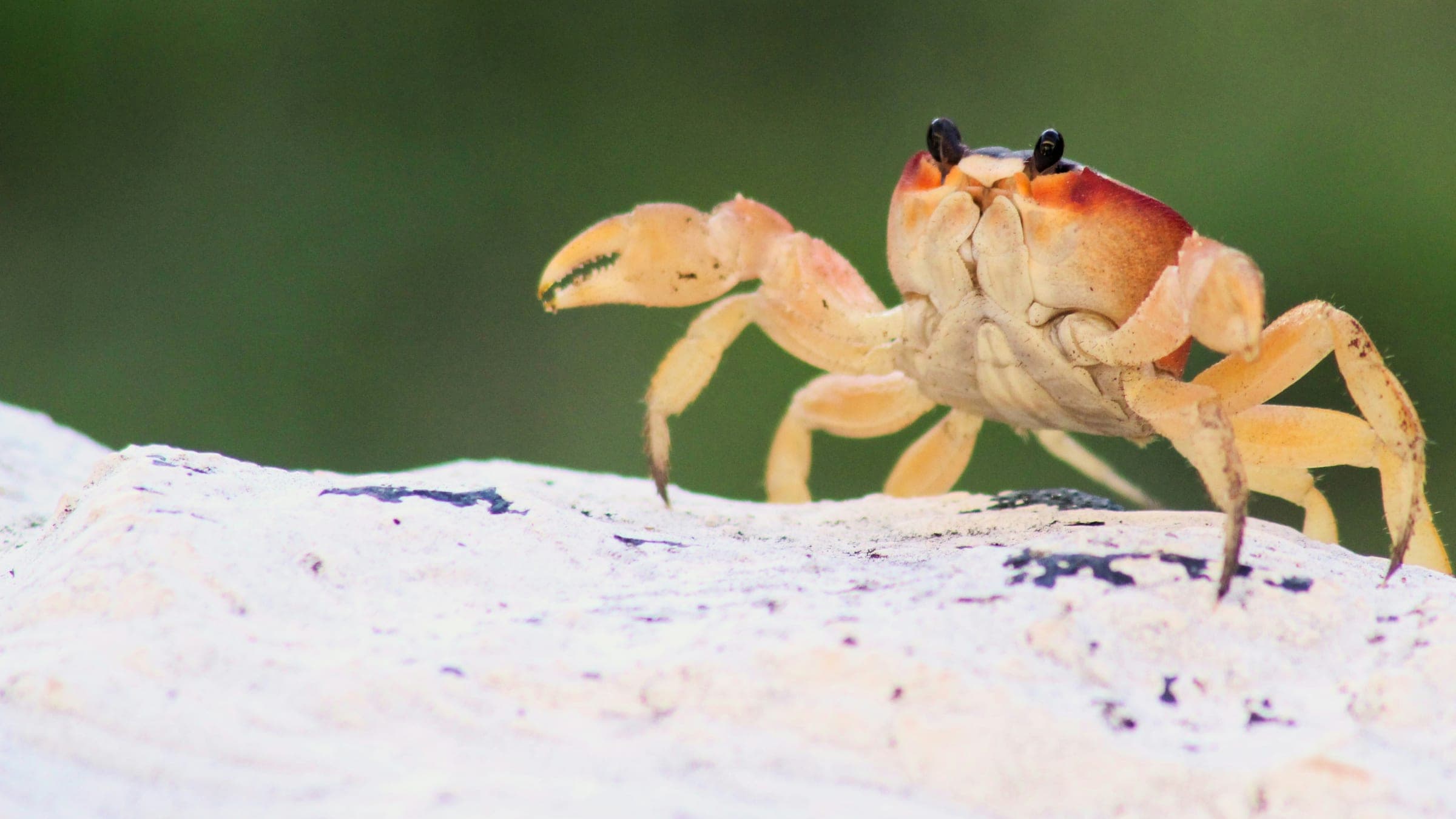
Crabs are decapod crustaceans with armored shells, concealed tails, and a tendency to run sideways and hide in rocky crevices.
Species Guide
A clean field guide focused on habitat, identification, behavior, and conservation context without burying the useful parts.
Crabs are decapod crustaceans that include the true crabs (Brachyura) and various related groups within the Anomura (such as hermit crabs and allies). They are characterised by a heavily armoured shell, tail segments concealed beneath the body, the ability to run sideways, and a habit of hiding in rocky crevices. Crabs do not form a single natural group; they have evolved the crab-like body plan multiple times from ancestral decapods through a process called carcinisation, making the group polyphyletic. Size varies widely across species, from pea crabs a few millimetres wide to the Japanese spider crab with a leg span up to 4 m (13 ft). Many crabs are free-living marine omnivores, while others are specialist herbivores, carnivores, or parasitic; a substantial number of species are adapted to freshwater or other non-marine habitats. Crabs are significant in human culture and cuisine, are kept as pets (hermit crabs), and appear in mythology and art.
Many crabs are capable of running sideways and commonly hide in rocky crevices.
Diet varies by species: many are free-living marine omnivores; others are specialist herbivores, carnivores, or parasitic; some inhabit freshwater or non-marine environments.
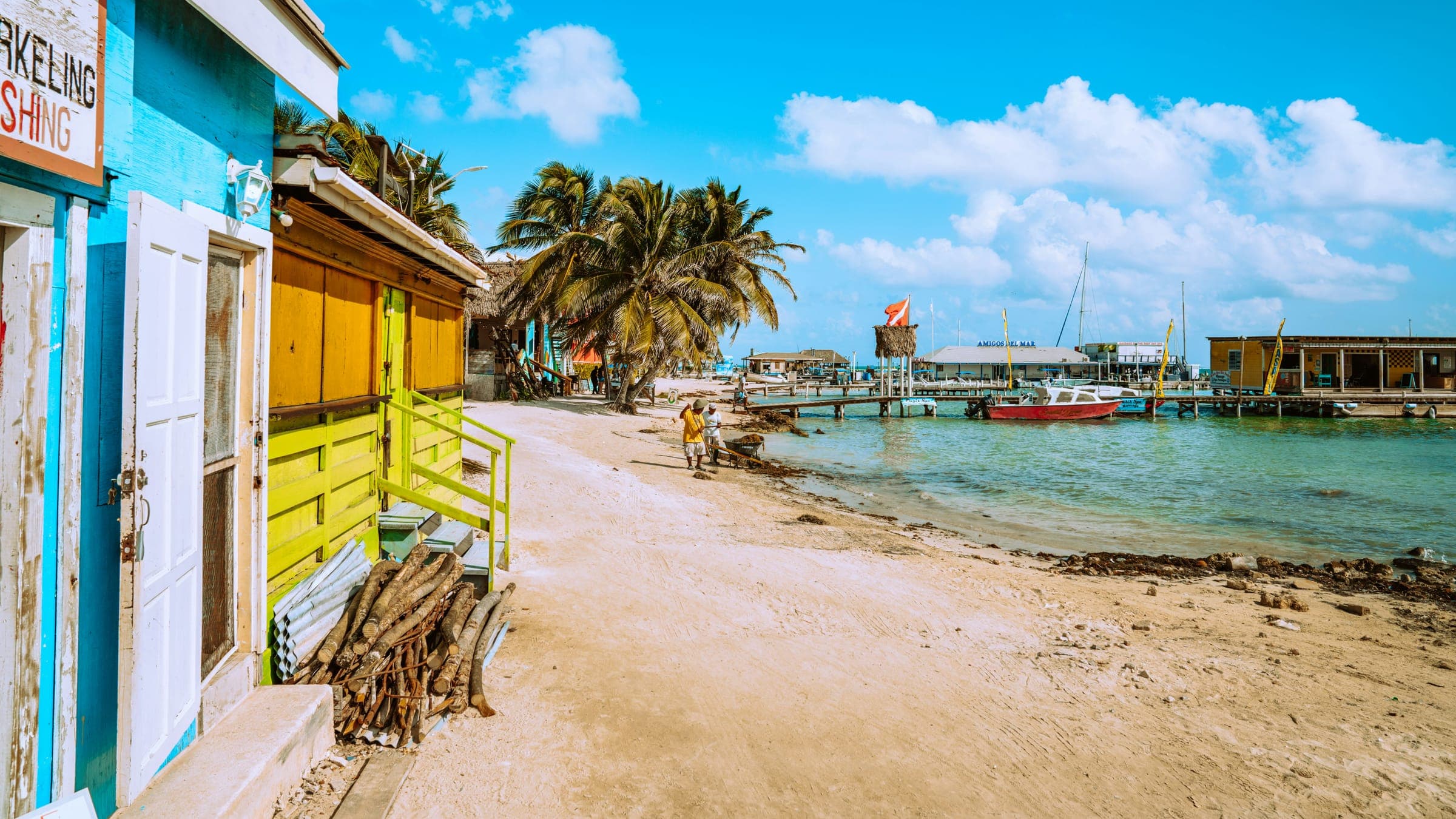
The strongest linked planning options currently surface around destinations such as Caye Caulker, San Pedro (Ambergris Caye), Belize, Zeeland (Oosterschelde and Grevelingenmeer) and countries such as Belize, Spain, Netherlands for divers building trips around crabs.
Identification
The visual markers divers can use underwater, plus the species most likely to cause confusion.
Last Updated Mar 9, 2026 · 4 sources
Heavily armoured shell with tail segments concealed under the body.
Noted ability to run sideways.
Tendency to hide in rocky crevices.
Species range from a few millimetres (pea crab) to leg spans up to 4 m (Japanese spider crab).
Range and Movement
The broad range, seasonal movement, or migratory behavior that shapes where divers encounter this species.
Many crabs are capable of running sideways and commonly hide in rocky crevices.
Diet
Useful feeding context that often explains habitat, movement, and encounter style.
Diet varies by species: many are free-living marine omnivores; others are specialist herbivores, carnivores, or parasitic; some inhabit freshwater or non-marine environments.
Responsible Encounters
Conservation-minded guidance for divers who want the encounter without adding pressure.
Give crab space, avoid blocking the animal's path, and follow local site and operator rules for wildlife interactions with crustaceans.
Field Notes
Useful species context that makes the encounter more meaningful once you are underwater.
Crab-like forms have evolved convergently multiple times from ancestral decapods through carcinisation, making the group polyphyletic.
Crabs appear in cuisine (including traditional dishes), mythology, art, and as the astrological sign Cancer; hermit crabs are often kept as pets.
Crabs account for about 20% of marine crustaceans that are caught or farmed for human consumption.
A popular joke claims everything will evolve into crabs, loosely inspired by the genuine trend of carcinisation among decapods.
Top Destinations
Destinations surfaced from the linked dive spots associated with this species.

Belize

Belize

Netherlands

Greece

Croatia

Thailand
Top Countries
The strongest country-level starting points currently linked to this species.
Top Dive Spots
Directly linked dive spots where this species already shows up in the planning data.
Boat-access canyon dive in front of San Pedro Town.
Boat-access reef and canyon diving off Ambergris Caye.
Boat wall dive on Arsida Walll with very good visibility
Atami Wreck's signature boat dive for fish and soft coral.
Relaxed Baie des Pirates reef dive.
Easy arch-and-wall dive on Grand Cayman’s west side.
Diver Sightings
Approved diver reports where crabs were recently tagged.
FAQ
Clear planning and conservation answers written for search visibility and AI retrieval.
Research Sources
Primary and credible references behind the field-guide and conservation claims on this page.
Primary wildlife guide source.
Supporting wildlife source.
Supporting wildlife source.
Supporting wildlife source.
Related Species
Related species guides in the same encounter family.