Hero photo of Madeira

Destination guide

Madeira

Atlantic island walls, marine reserves, and easy add-on days to Porto Santo

Marine reserves that actually change the divesWrecks and artificial reefs without a liveaboardStrong mixed-group travelYear-round water time
View dive spots

Currently Viewing:

Overview

Atlantic island walls, marine reserves, and easy add-on days to Porto Santo

Madeira is a volcanic Atlantic archipelago where steep island walls, clear water, and a growing network of marine protected areas create varied underwater days for a compact trip. Base yourself around Funchal or Canico for easy access to the Garajau Marine Reserve, then add boat dives to Cabo Girao and a day trip to Porto Santo for artificial reefs and wrecks. Expect relaxed, photo-friendly dives with big groupers in protected zones, plus lava fingers, caves, and blue-water drop-offs. Water is diveable year-round, roughly 18°C to 24°C, so wetsuit thickness depends more on season and your cold tolerance. On land, Madeira is a hikers paradise of levada trails, mountain ridgelines, and black-sand coves, with reliable whale and dolphin watching off the south coast.

Underwater overview

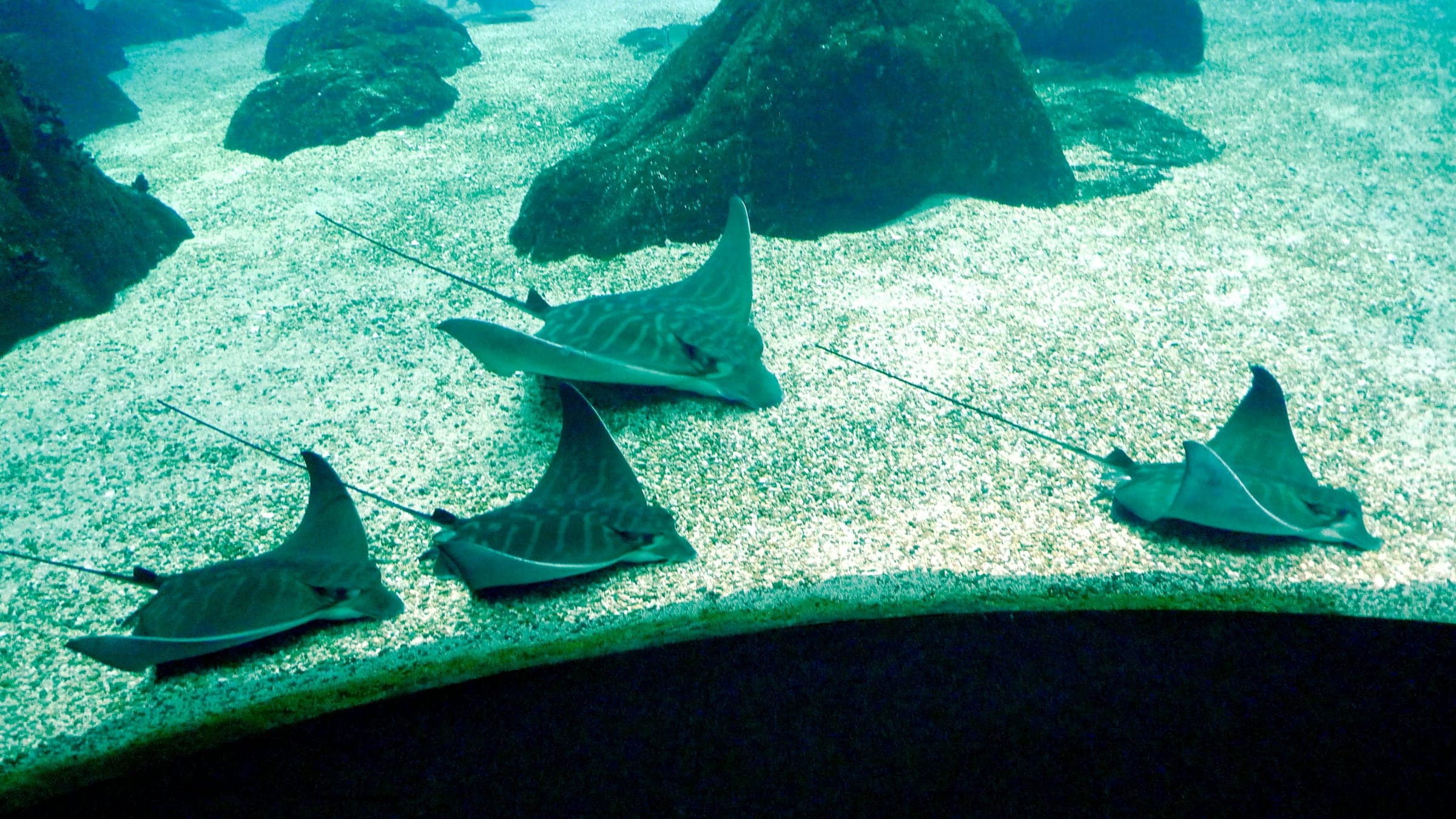
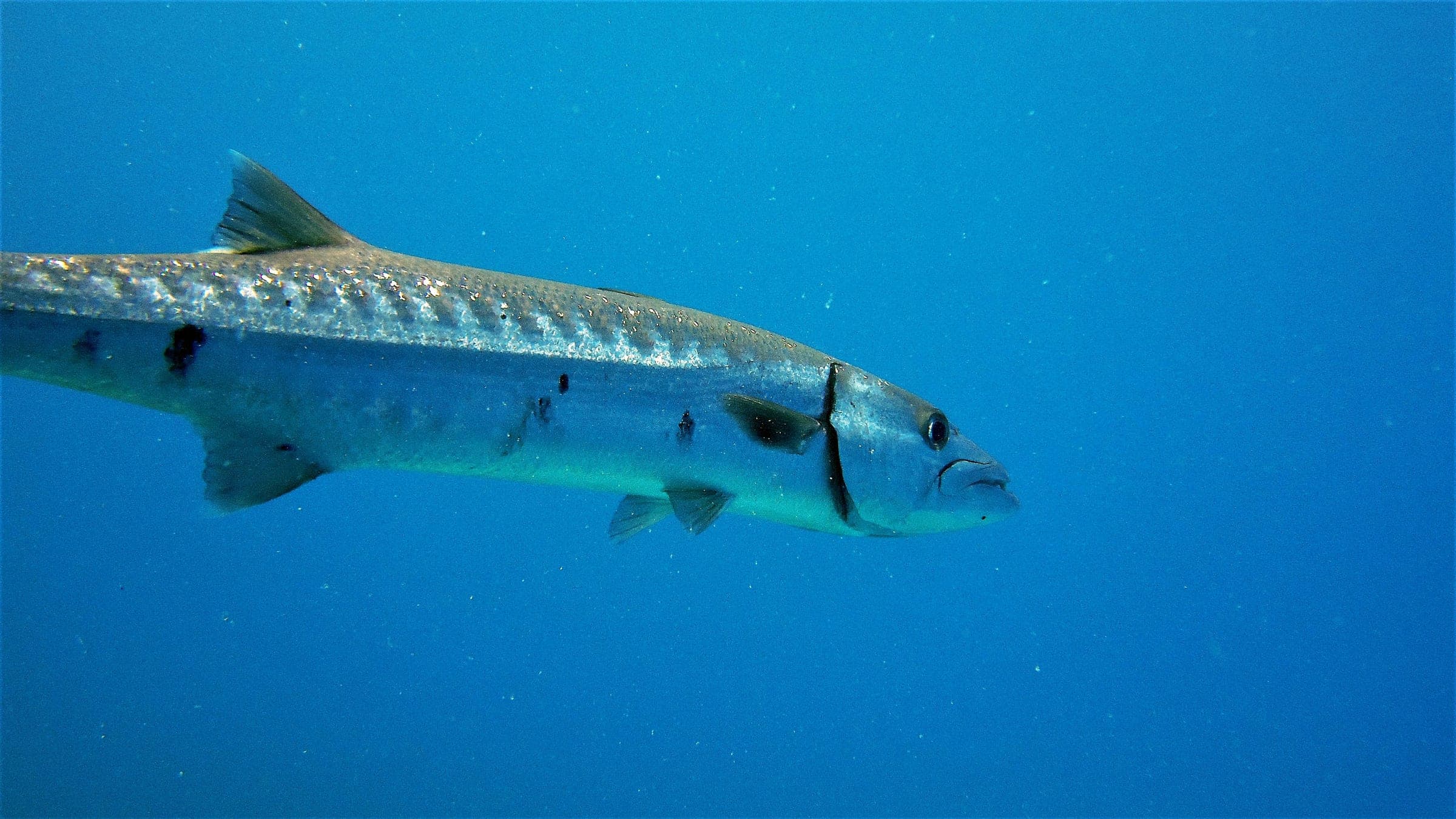
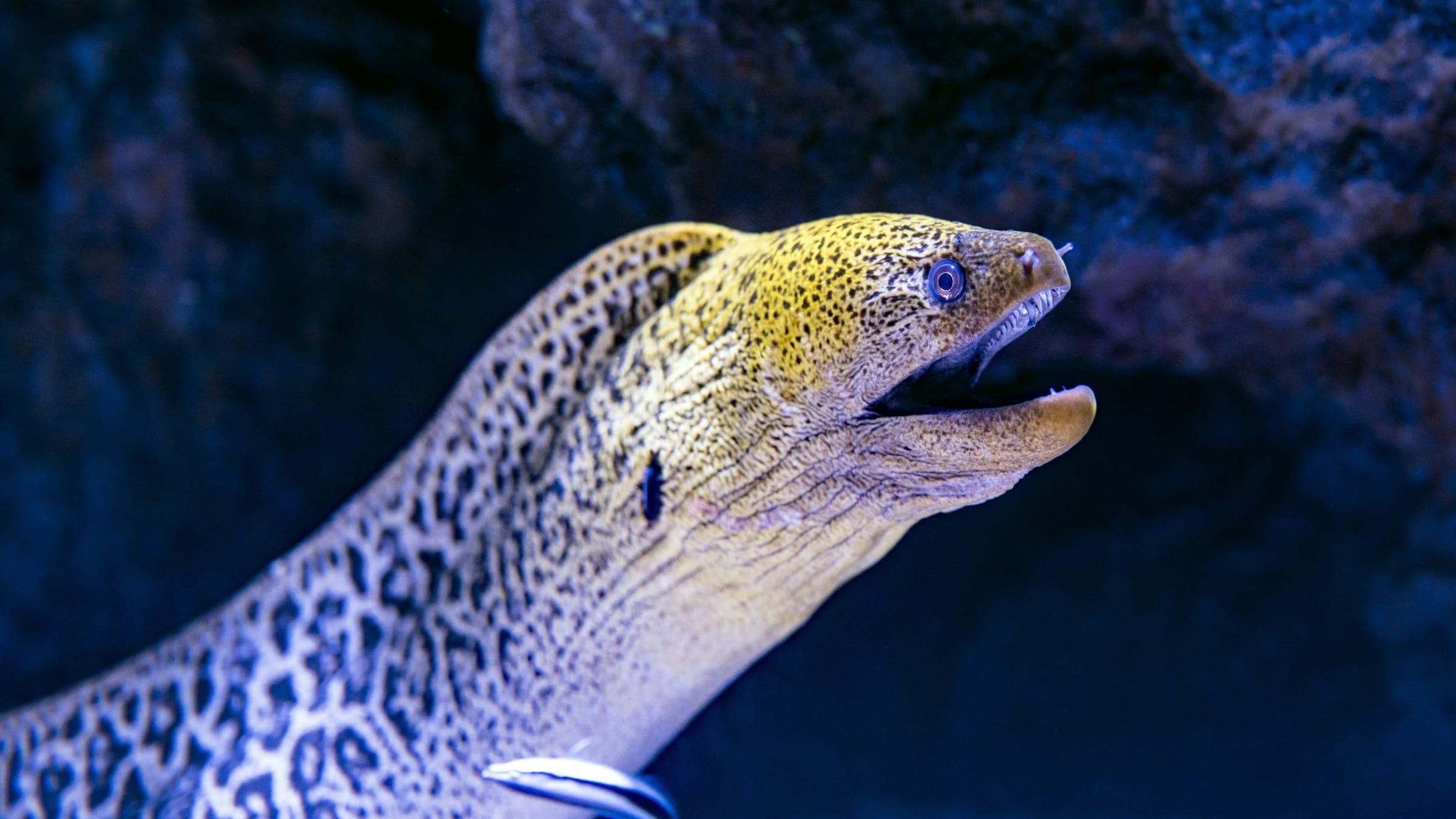
Madeira delivers Atlantic island diving with short run times and a strong conservation angle. The headline is the Garajau Marine Reserve near Canico, where protection has rebuilt fish life and created classic big grouper encounters. From there, operators run boat dives to Cabo Girao and other south-coast sites when seas allow.

The archipelago advantage

Madeira is your hub, but the archipelago is the real playground:

  • Madeira (main island): reefs, walls, caves, and shore entries in Canico and around Funchal.
  • Porto Santo: calmer-feeling days plus purpose-sunk artificial reefs and wrecks.
  • Desertas and Selvagens: highly protected reserves that require planning, permissions, and the right sea state.

Marine protected areas and rules that affect dive planning

The regional nature authority (IFCN) manages several marine reserves. Key takeaways for visitors:

  • Some buoyed dive sites require advance reservation via SIMplifica and a per-dive fee.
  • Several sites cap the number of boats at the moorings, so popular days need earlier booking.
  • In protected zones, treat wildlife interaction as observation only: no feeding, no touching, no collecting, and careful finning over rocky reefs and algae.

Trip planning by base

Most divers choose one of two bases:

  • Funchal for restaurants, nightlife, and quick access to south-coast boat dives.
  • Canico/Garajau for the shortest commutes to the Garajau reserve and easy shore practice.

A 4 to 7 day outline

  • Days 1 to 2: easy check dives and photo dives in Garajau and nearby reefs.
  • Days 3 to 4: Cabo Girao boat dives, plus an optional wreck day.
  • Days 5 to 6: ferry day trip to Porto Santo for artificial reefs and sandy-beach recovery time.
  • Day 7: topside levada hike or whale watching, then a no-fly buffer after diving.

Who it is best for

  • Divers who like structure without stress: short rides, clear briefings, and protected-area etiquette.
  • Underwater photographers: big subjects in reserves, plus macro on volcanic reef textures.
  • Mixed groups: non-divers can fill the same day with levada walks, lava pools, and Funchal culture.

Quick reality checks

  • Atlantic swell can cancel exposed sites. Build flexibility into your schedule.
  • Many shore entries are rocky or via ladders. Booties and good buoyancy control help.
  • Several popular hiking trails require paid access and can be closed by weather. Book and check status before you go.

Trip callouts

  • Marine reserves that actually change the dives

    Garajau and other protected areas are managed by IFCN, with specific rules and (for some buoyed sites) an advance booking and per-dive fee system via SIMplifica.

  • Wrecks and artificial reefs without a liveaboard

    Cabo Girao and Porto Santo add purpose-sunk vessels and artificial reefs to the volcanic reef mix, keeping most dives in recreational depth ranges.

  • Strong mixed-group travel

    Non-divers can match your dive schedule with levada hikes, lava pools, Funchal food and wine, and whale watching that runs alongside dive boats.

  • Year-round water time

    Diving is possible all year, with water roughly 18°C to 24°C depending on season.

Activity highlights

scuba

Why Madeira for Scuba Diving

marine reserveAtlantic island divingwreck divinggroupersunderwater photography

Madeira is an easy Atlantic base for divers who want marine-reserve fish life without complicated logistics. The Garajau Marine Reserve near Canico is the signature zone, with protected reef structure and famously approachable groupers. Add boat diving at Cabo Girao for dramatic walls and an artificial-reef wreck, then use the Porto Santo ferry for a wreck-focused day.

Local operators (for example in Funchal, Canico, and Porto Santo) can handle SIMplifica reservations and the per-dive protected-area fee on sites that require it, so you can focus on timing conditions and enjoying the scenery.

freedive

Why Madeira for Freediving

freedivingdepth trainingblue watersafety buoywall diving

Madeira suits freedivers who want depthy contours close to shore, protected coves for skills, and dramatic blue-water drop-offs without long transits. Garajau and the south coast offer the most consistent sea states, while Porto Santo adds calmer-feeling days and clear-water line sessions around the islets.

Treat the island as an ocean training venue: plan around swell, run proper surface support, and use marked or reserved areas where available so boats and other users can predict your position.

snorkel

Why Madeira for Snorkeling

snorkelingmarine reservenatural poolsfamily friendlyPorto Santo

Madeira's best snorkeling is concentrated where access and protection intersect: the Garajau Marine Reserve near Canico and a handful of sheltered coves around Funchal. On calm days, volcanic rock creates ledges, boulders, and small caves with lots of fish life. For the easiest entry and most beach-like day, add Porto Santo, where the long sandy beach and nearby islets make beginner sessions feel far less exposed.

Because this is the Atlantic, your best snorkeling is more about choosing the right sea state than chasing a single best beach list.

topside

What to do when you're not in the water

levada walksPico do ArieiroFunchalPorto MonizPorto Santo day trip

Madeira is one of Europes strongest nature-and-food islands: levada walks through laurel forest, sunrise ridge hikes above the clouds, and volcanic coastlines with lava pools and black-sand coves. Funchal adds markets, museums, and Madeira wine tastings, while Porto Santo is the easy beach day.

Plan topside days like you plan ocean days: microclimates change fast, some trails require paid access via SIMplifica, and wind on the peaks can turn a simple hike into a serious outing.

About these guides

DiveJourney destination guides are living documents built from local knowledge, operator experience, and publicly available sources. Conditions, regulations, and logistics can change. Each guide shows its last update date and sources used.

Last updated: December 13, 2025 15 sources

If you see something inaccurate or outdated, you can submit an update. This is how the platform improves.