Country Guide
Belize
Barrier reef ease up north, whale shark season down south, jungle days in between
Updated Mar 27, 2026 • 21 sources
Destinations
3
Dive spots
27
Country Guide
Barrier reef ease up north, whale shark season down south, jungle days in between
Updated Mar 27, 2026 • 21 sources
Overview
Belize is one of the Caribbean's most practical water-focused countries because you can split the trip by style. Up north, San Pedro and Caye Caulker put you close to shallow marine reserves, quick snorkel runs, and longer atoll expeditions. In the south, Placencia is the launch point for Silk Cayes, Gladden Spit, and the country's best-known seasonal whale shark planning. Across the country, warm water around 26°C to 29°C, English-speaking logistics, and easy coast-to-jungle add-ons make Belize work for divers, snorkelers, freedivers, and non-divers traveling together. The main tradeoff is that weather windows, park fees, and protected-area rules shape the experience more than many first-time visitors expect.
You can build one trip around sheltered barrier-reef sites, then add outer-atoll walls and the Blue Hole when weather lines up.
Use San Pedro for variety, Caye Caulker for laid-back value, and Placencia for southern wildlife and inland pairings.
Belize is not only about coral. Southern full-moon spawning cycles from March to June can trigger some of the country's most sought-after whale shark trips.
Non-divers can still fill days with mangrove safaris, Garifuna culture, cave trips, Maya sites, beach time, and wildlife reserves.
A few places to start. Explore the full destination guide when you are ready to compare every region and dive spot.
Best overall window: December - April
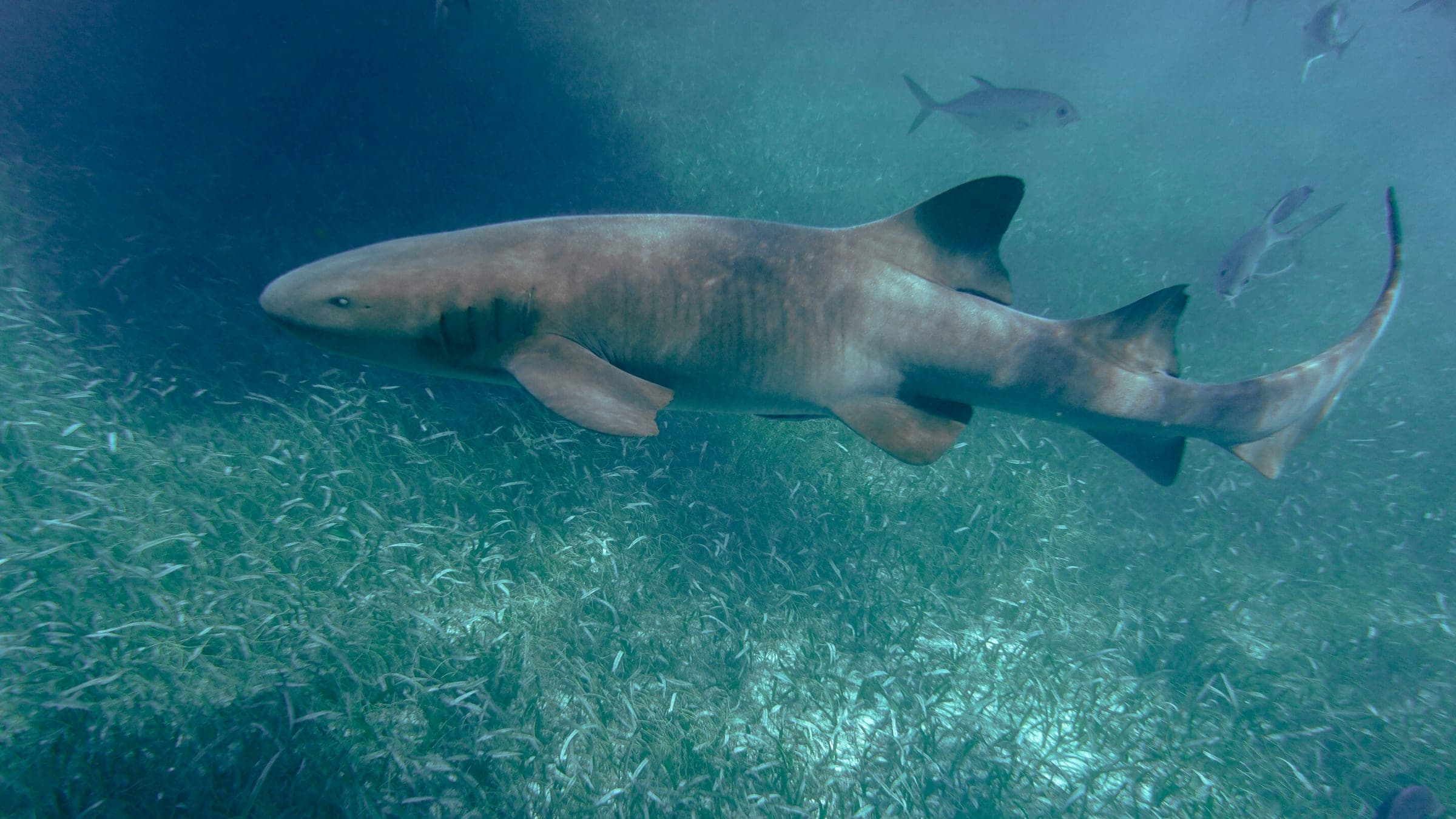
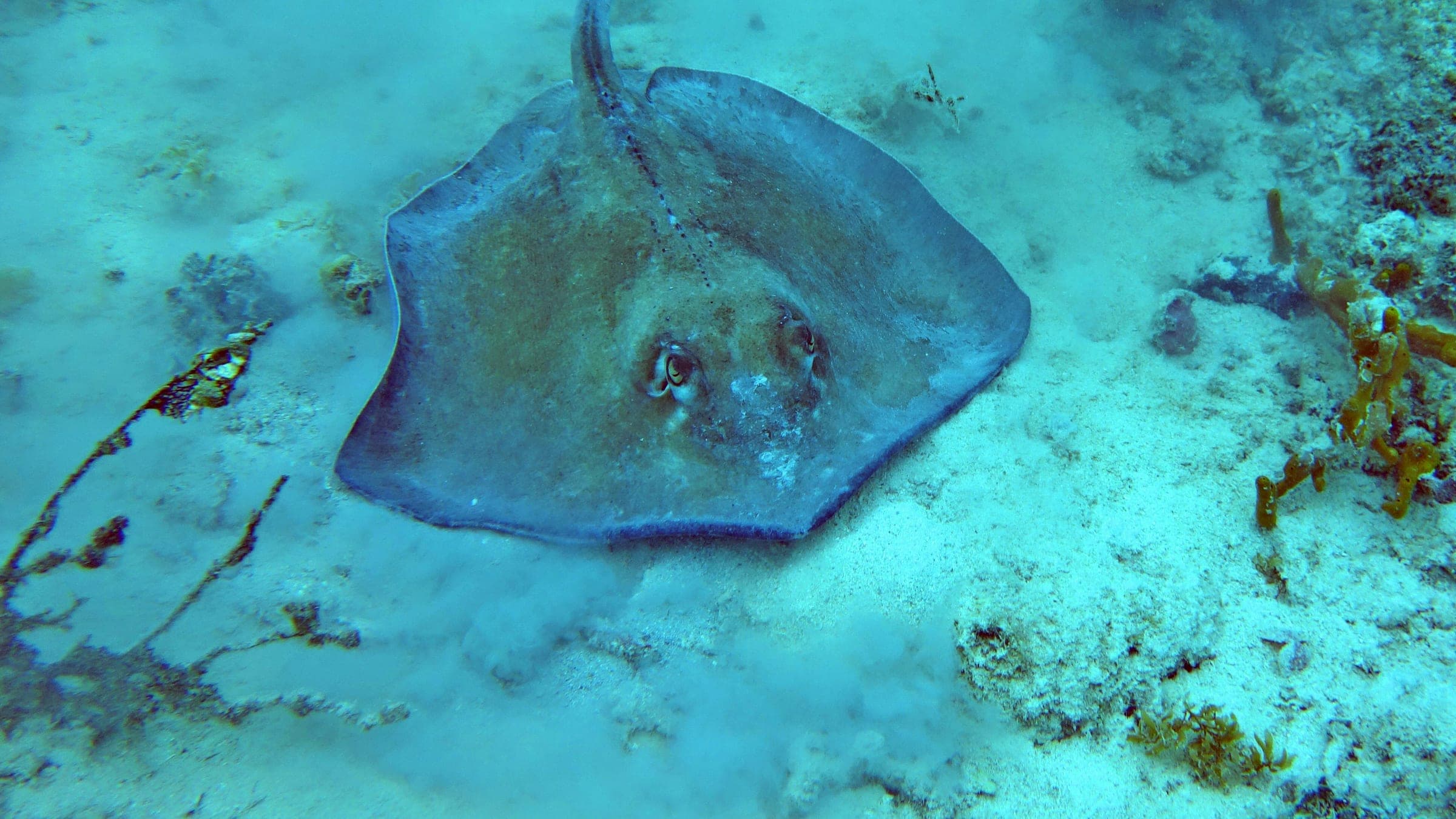
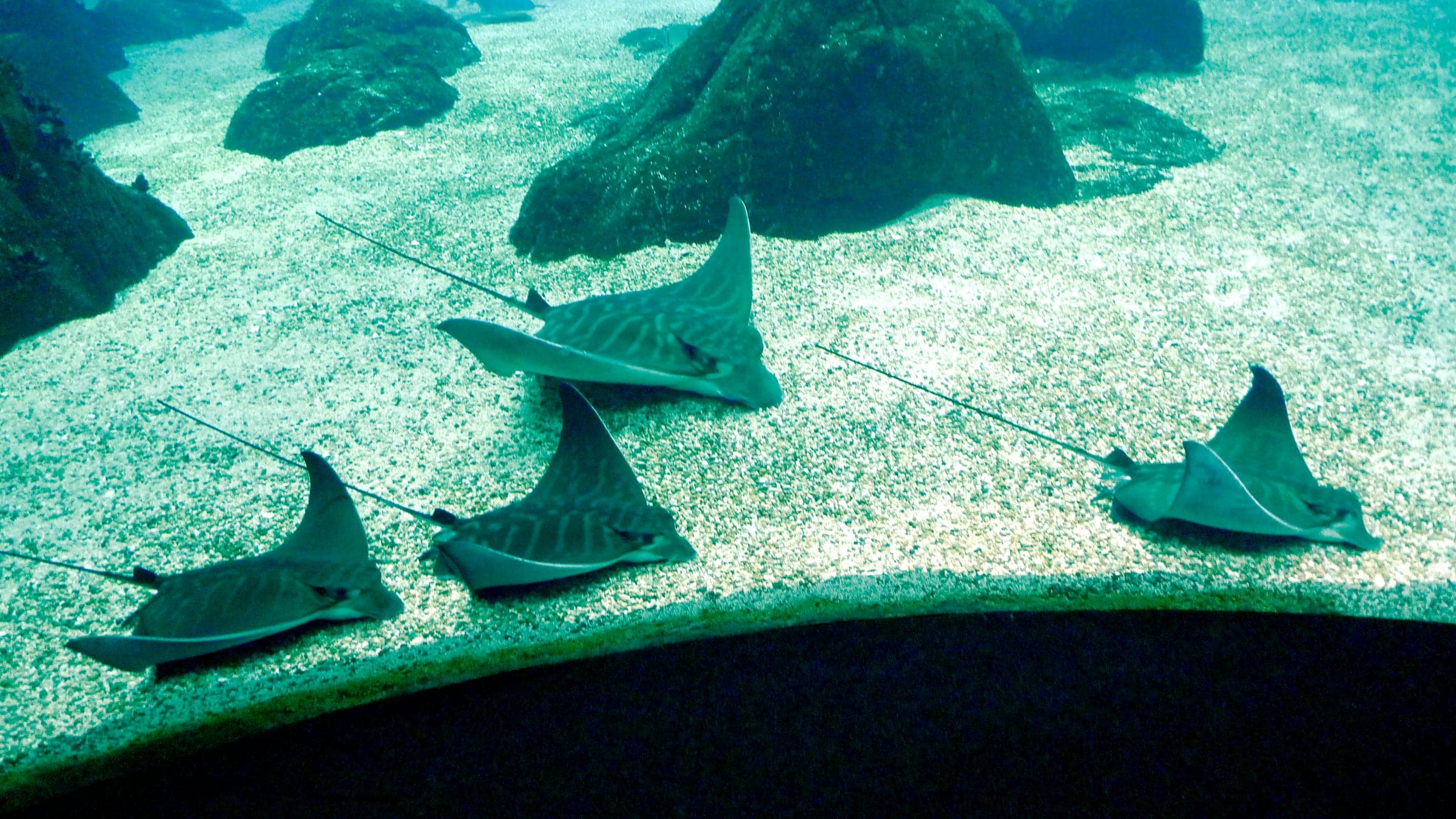
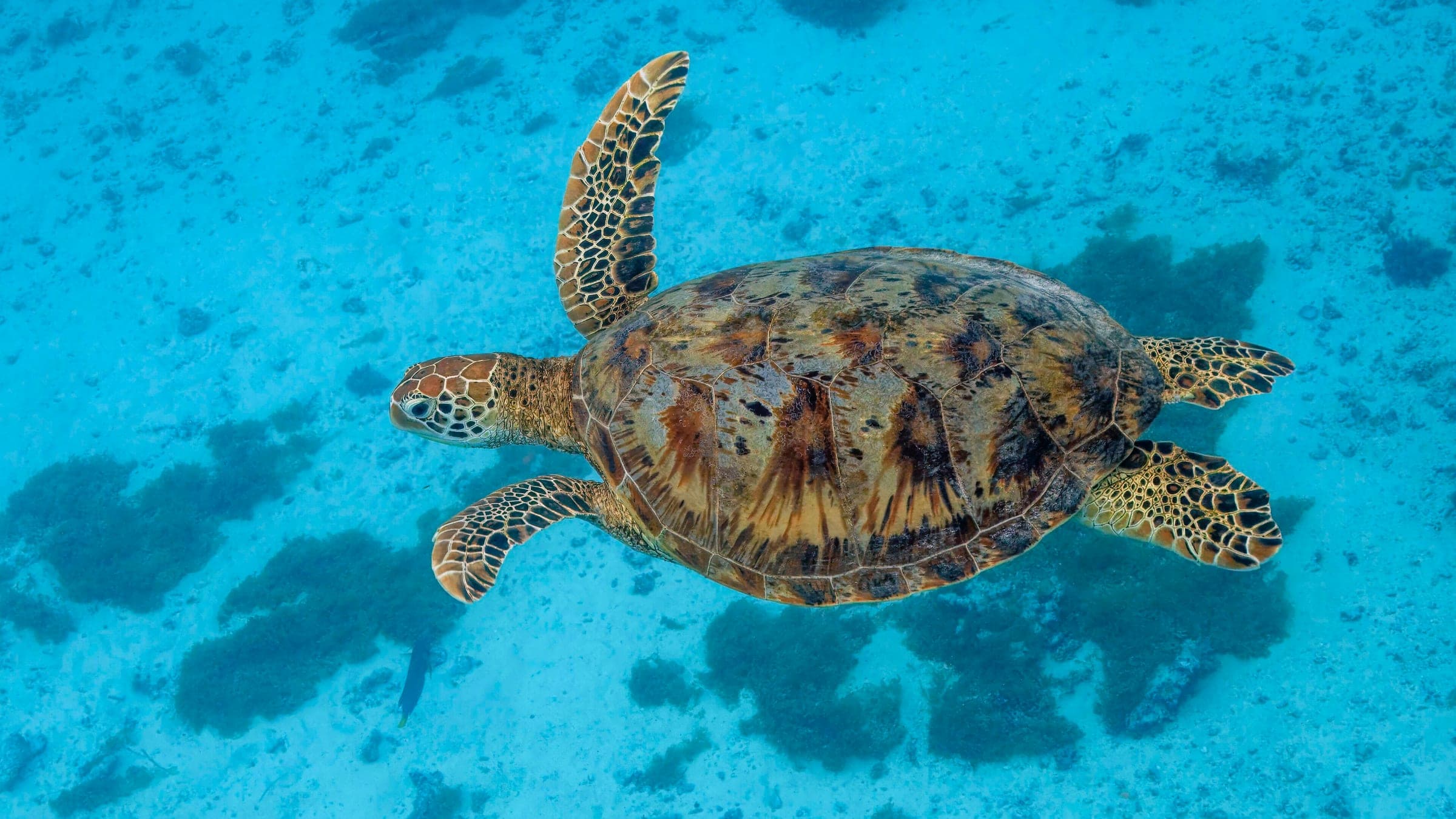
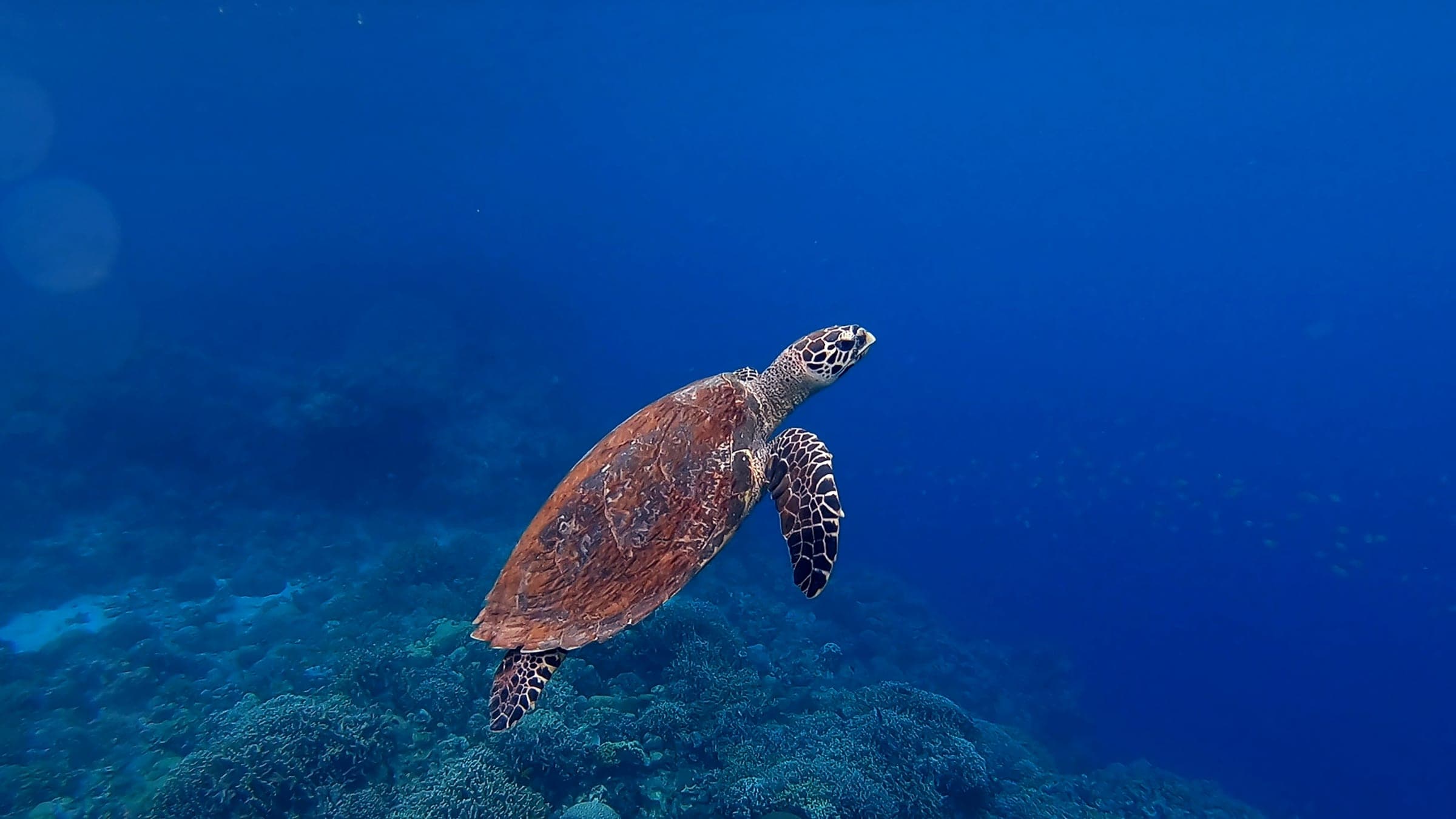
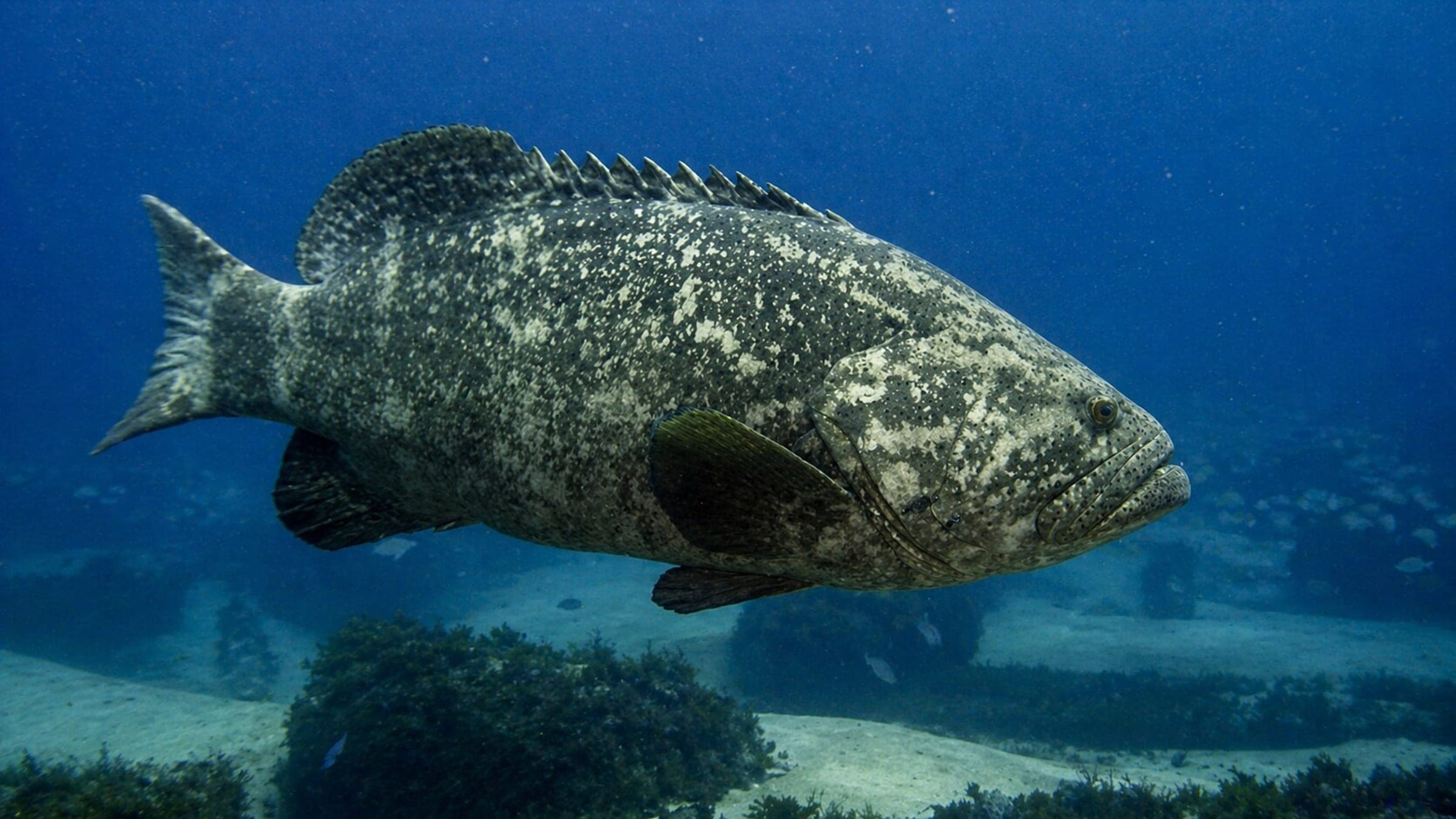
Top species linked to approved dive spots across Belize.
Receive new destination drops, profile upgrades, and dive map releases.
No spam. Just solid updates when something surfaces.
19 linked spots