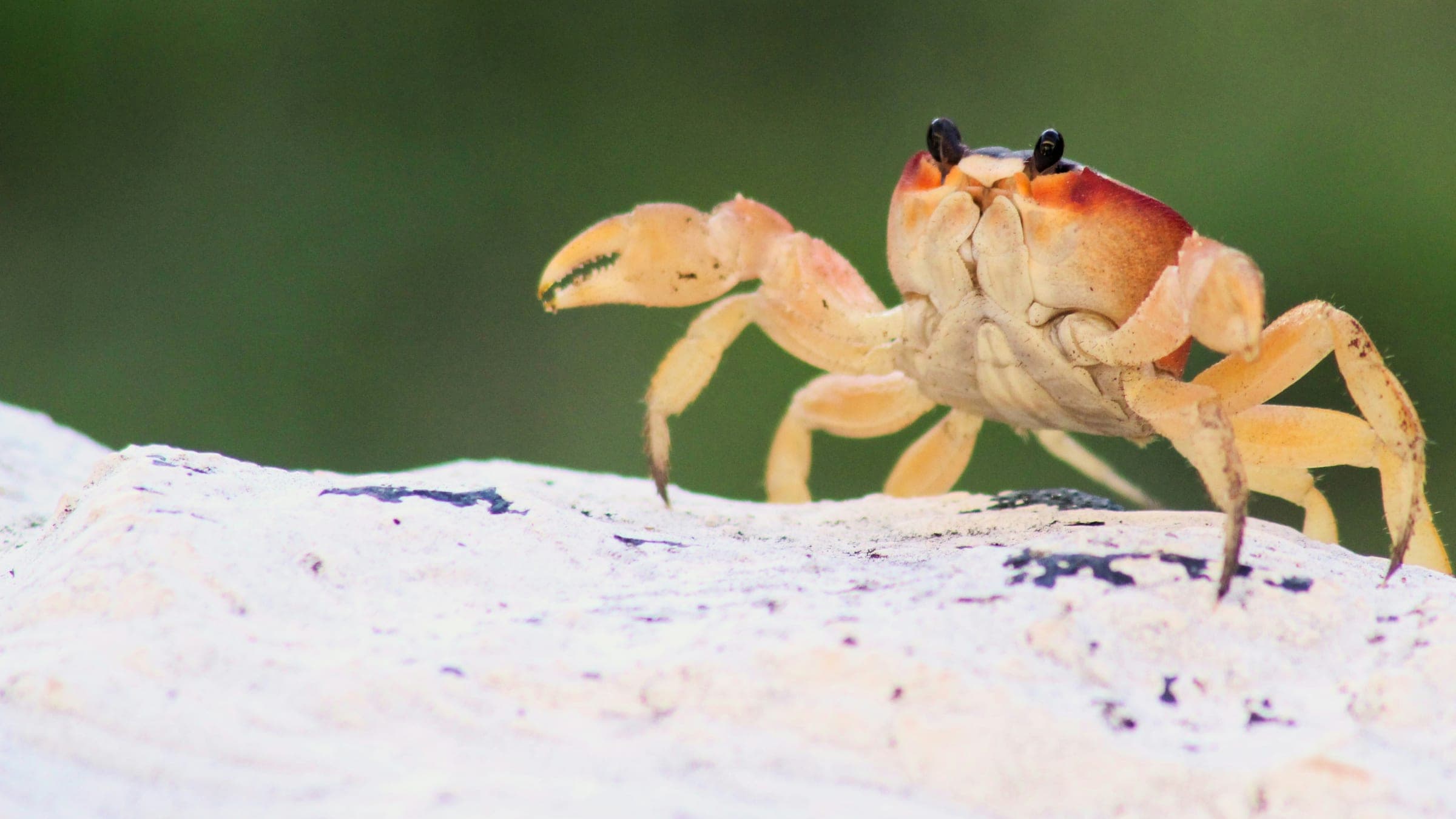
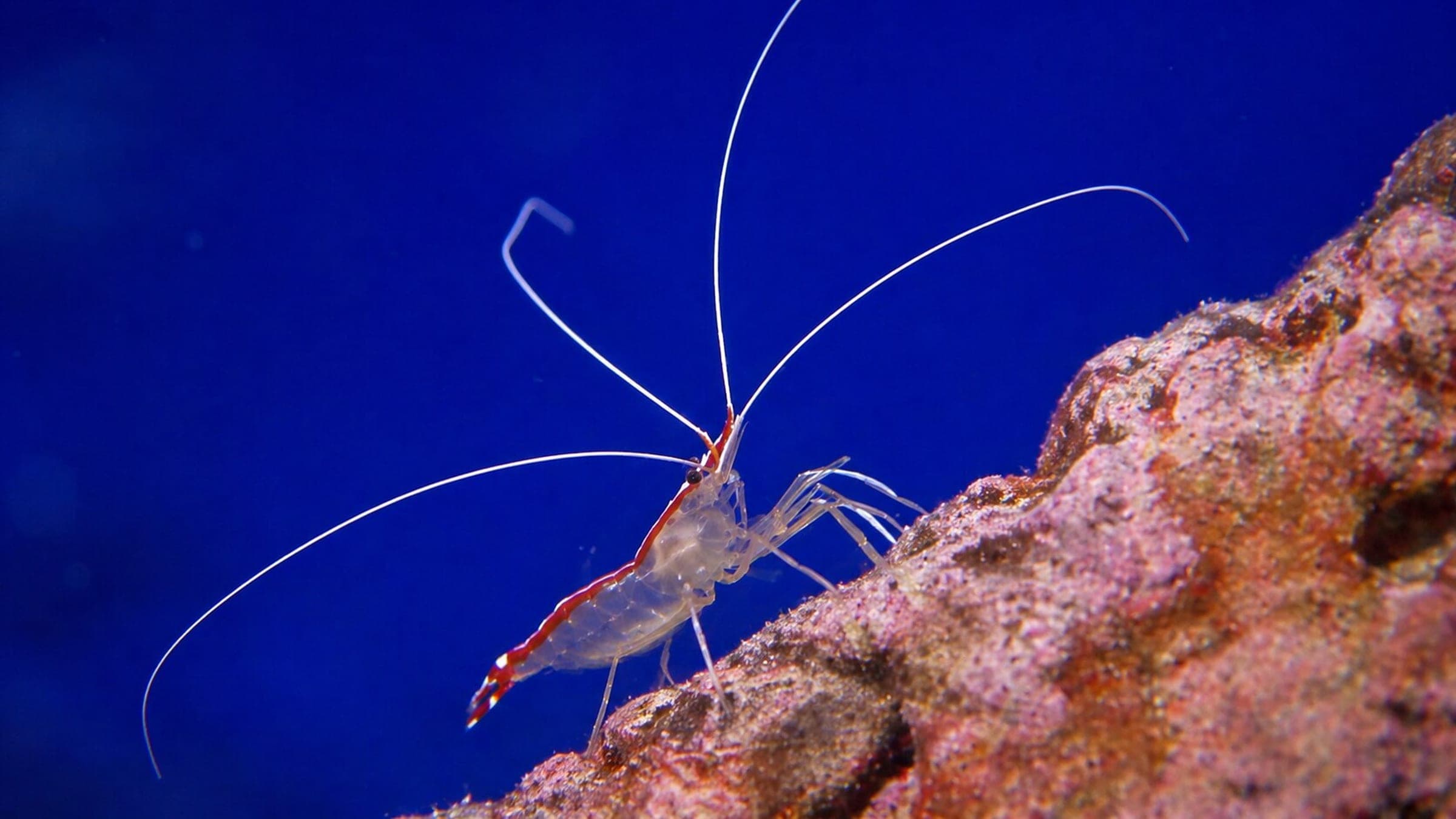
Hard exoskeleton and jointed legs
The clearest shared feature is an armored external skeleton with segmented body parts and visibly jointed legs.
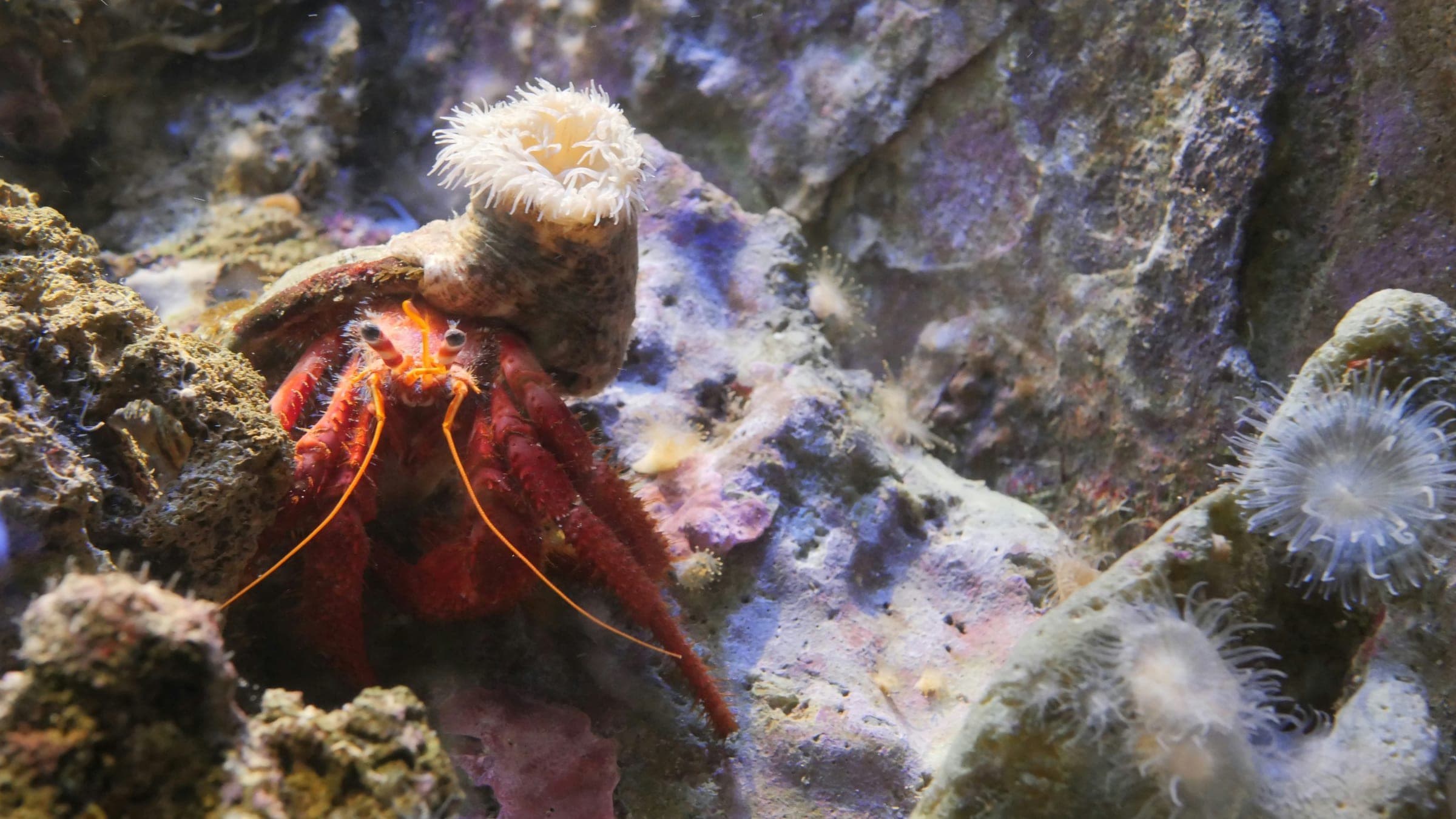
Crustaceans reward careful close-range diving, from cleaner shrimp and decorator crabs to lobsters tucked into ledges, rubble, seagrass, and pier structure.
Group Guide
A group-level field guide built to move divers from broad intent into the right species, destinations, and encounter planning.
Crustaceans are one of the richest supporting groups in diving because they turn ordinary habitat into something worth inspecting closely. This bucket covers crabs, shrimp, lobsters, and related armored invertebrates that show up on reefs, muck sites, seagrass beds, wrecks, and piers. They are rarely the reason a destination becomes famous on their own, but they often decide whether a dive feels visually busy and rewarding once the guide starts pointing into holes, cleaning stations, and night-active rubble.
The shared field marks are a hard external skeleton, jointed legs, obvious segmentation, and a habit of using claws, antennae, or specialized front legs in very visible ways. Crabs are compact and broad-bodied, shrimp are slender and often transparent or highly patterned, and lobsters tend to hide deeper in crevices with long antennae extending into the open.
Divers find crustaceans by working structure: coral heads, ledges, rubble, seagrass, jetty rocks, sponge gardens, and the undersides of wreck features. Many of the most memorable encounters happen at night when shrimp, crabs, and lobsters leave cover to feed or clean more actively. During the day, the best approach is often to inspect cleaning stations, anemones, whip corals, and shaded cracks rather than chase open-water movement.
This group is a search-style category, not a guarantee that one species will appear on every dive. A site can be fantastic for shrimps and tiny commensal crabs yet poor for lobsters, and vice versa.
This group guide pulls together 2 published Crustaceans guides so divers can move from broad trip intent to the right species pages, destinations, and dive spots faster.
There is no single conservation label that fits every crustacean divers care about, but the recurring pressures are habitat degradation, overharvest for fisheries or collection, pollution, and direct disturbance from careless handling. The most useful group-level rule for dive planning is habitat-first: healthy reef, seagrass, rubble, and estuary structure usually means better crustacean life.
Crustaceans are usually local habitat users rather than long-distance migrants in the way divers think about pelagics. The important pattern is where they hide, feed, or emerge: crevices by day, more open movement at night, and tight association with hosts or shelter structure for many smaller species. That is why dive timing and site structure matter more than broad geographic range once you are in the water.
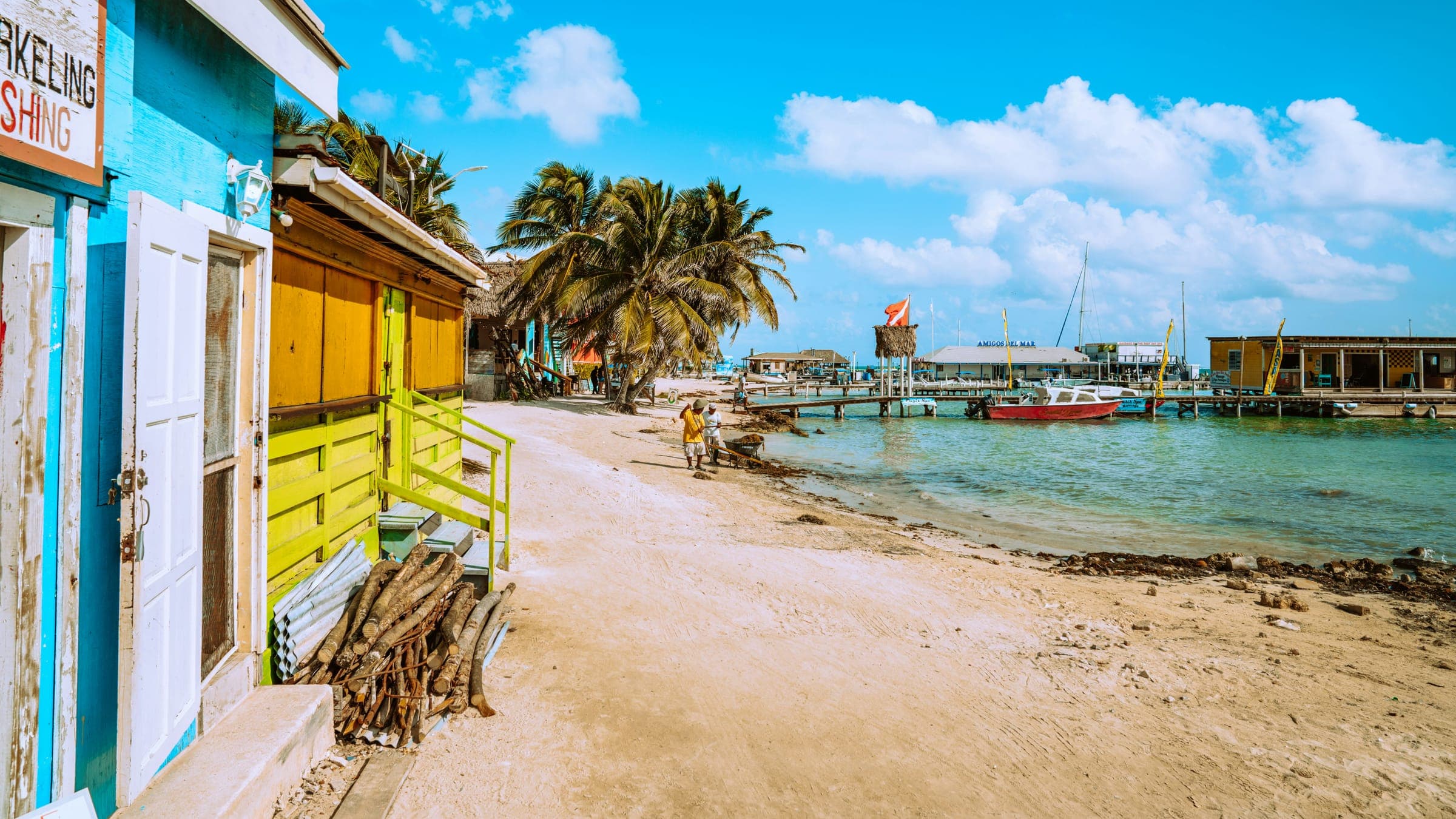
Caye Caulker, San Pedro (Ambergris Caye), Belize, and Coral Coast, Viti Levu currently stand out as strong destination entry points for Crustaceans planning.
Japan, Spain, and Belize are some of the clearest country-level starting points for this group right now.
The clearest shared feature is an armored external skeleton with segmented body parts and visibly jointed legs.
Crabs are compact and broad, shrimp are slimmer and often semi-transparent, and lobsters usually show elongated bodies with long antennae and stronger tails.
Host choice, crevice use, cleaning stations, and nighttime activity are often as important as color when identifying a crustacean underwater.
A site that looks quiet by day can feel crowded after dark once shrimps, crabs, and lobsters start moving and feeding openly.
Cleaner shrimps, commensal crabs, and other small crustaceans often make a reef feel alive in ways that big-animal divers miss on a quick pass.
Once you understand where antennae, eye shine, or host relationships tend to appear, crustaceans become much easier to find.
Crustaceans are usually local habitat users rather than long-distance migrants in the way divers think about pelagics. The important pattern is where they hide, feed, or emerge: crevices by day, more open movement at night, and tight association with hosts or shelter structure for many smaller species. That is why dive timing and site structure matter more than broad geographic range once you are in the water.
Crustacean diet spans scavenging, grazing, predation, and cleaning behavior. Some shrimp and crabs are strongly tied to host relationships or stations, while lobsters and larger crabs often feed more opportunistically. For divers, that mix explains why productive rubble, reef structure, and night activity are such reliable cues.
Conservation
A group-level read on the pressures, protections, and diver behavior that matter most across these species.
There is no single conservation label that fits every crustacean divers care about, but the recurring pressures are habitat degradation, overharvest for fisheries or collection, pollution, and direct disturbance from careless handling. The most useful group-level rule for dive planning is habitat-first: healthy reef, seagrass, rubble, and estuary structure usually means better crustacean life.
Keep hands off the animal and the habitat around it. Do not flip rocks, break coral, or force a lobster or crab out of cover for a better photo. Use lights carefully on night dives, give cleaning stations room to function, and accept that the best crustacean encounters often happen when the subject remains partly hidden.
Broken reef structure, sedimentation, and degraded seagrass or estuary habitat remove shelter and feeding space for many crustaceans.
Some lobsters, crabs, and shrimps face heavy harvest pressure, while smaller species can also be collected for aquaria or curios.
Handling, turning rocks, or repeatedly exposing animals for photos can injure them and degrade the microhabitat they depend on.
Closed seasons, size limits, and local take rules matter most for larger harvested crustaceans such as lobsters and some crabs.
Marine protected areas and site-level habitat management protect the ledges, rubble, seagrass, and reef structure that hold crustacean diversity together.
For divers, the most immediate protection is simple: do not handle the animal, do not turn over habitat, and do not force it into the open.
Species
Jump into the individual species pages that currently sit inside this wildlife group.
Top Destinations
Destinations surfaced from the linked dive spots associated with species in this group.

Belize

Belize
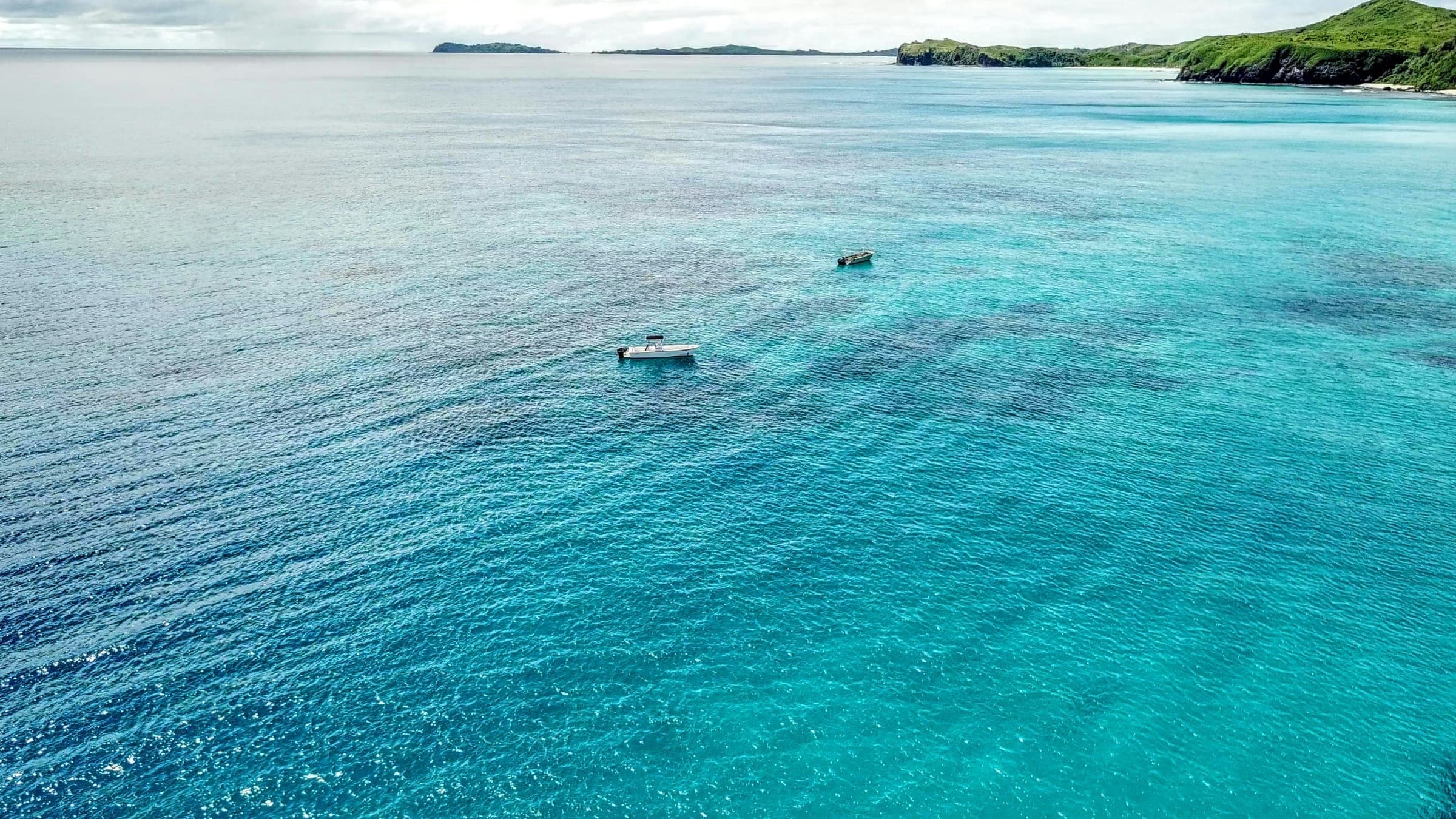
Fiji

Netherlands

Indonesia
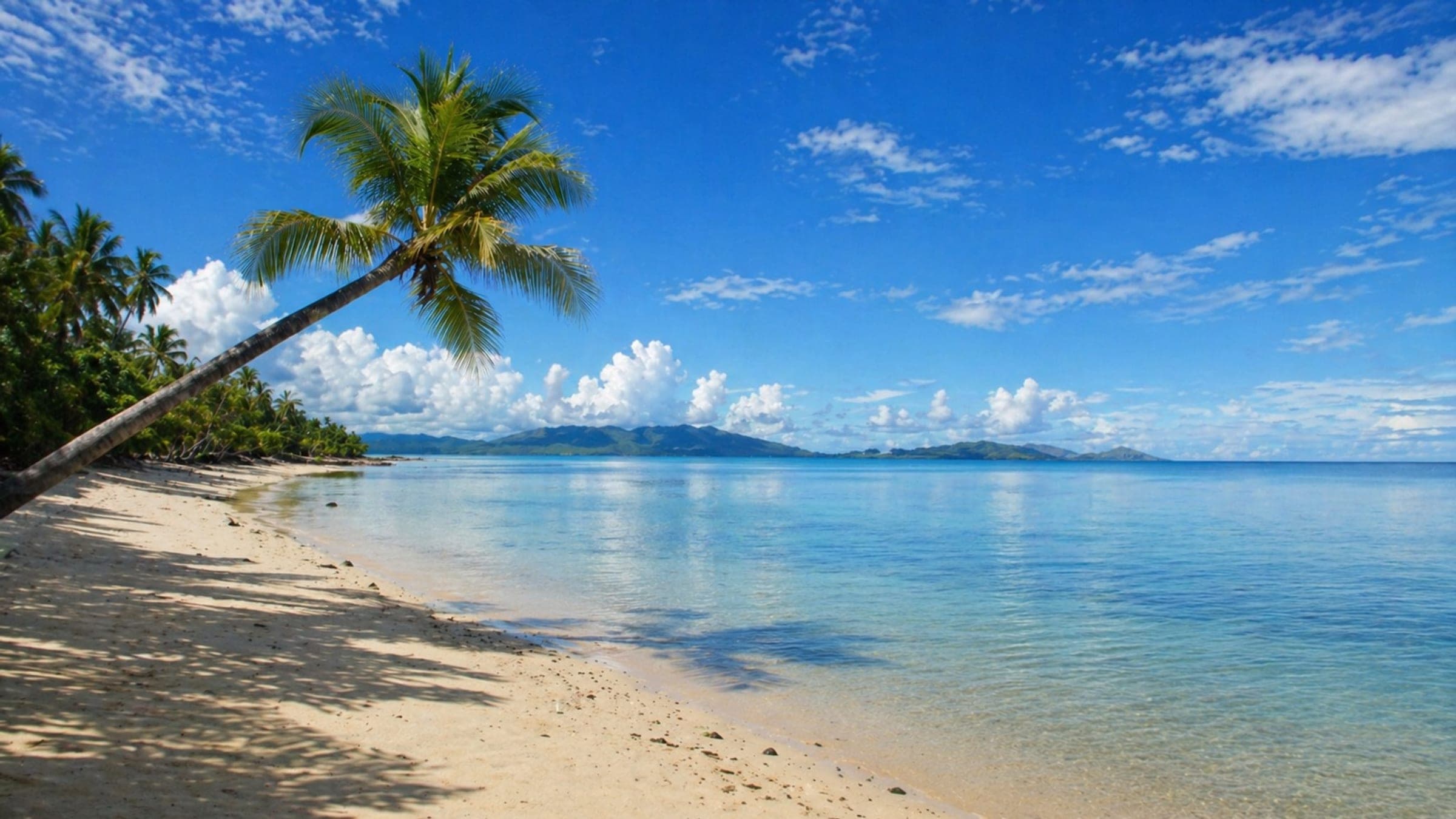
Fiji
Top Countries
The strongest country-level starting points currently linked to this wildlife group.
Top Dive Spots
Directly linked dive spots where species in this group already show up in the planning data.
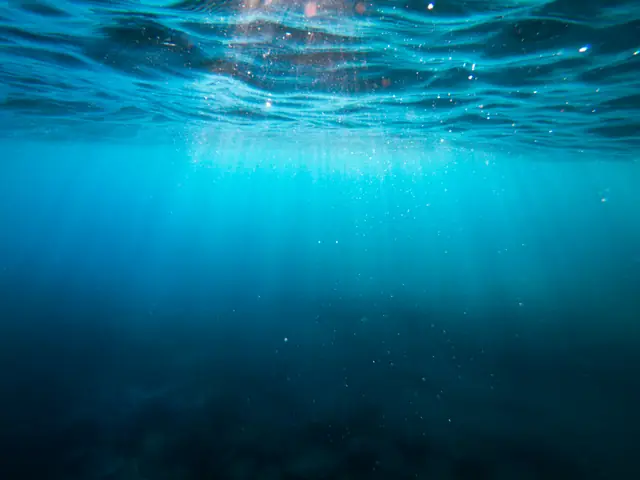
One Tree Bay is a sheltered Tioman bay dive with rocks and easy reef terrain.
Boat-access canyon dive in front of San Pedro Town.
Boat-access reef and canyon diving off Ambergris Caye.
Coral-head cluster with swim-throughs and a strong night dive.
Maze-like pinnacle line with multiple swim-throughs.
Boat wall dive on Arsida Walll with very good visibility
FAQ
Direct answers to the questions divers and planners tend to ask first.
Research Sources
Primary and supporting references used for the published group guide.
Broad group natural history and body-plan context.
Fishery management and lobster ecology reference.
Shrimp habitat and fishery context within the group.
Accessible diver-facing natural-history framing across crabs and related crustaceans.