Hero photo of Koh Phi Phi Islands Thailand
Destination Guide

Koh Phi Phi Islands Thailand

Limestone walls, coral pinnacles, and iconic lagoons in Thailand's Andaman Sea

Updated Jan 23, 202617 sources

View On Map

Overview

Limestone walls, coral pinnacles, and iconic lagoons in Thailand's Andaman Sea

Koh Phi Phi (Phi Phi Islands) is a limestone archipelago in Thailand's Andaman Sea, best known for vertical walls, coral gardens, and sheltered lagoons that sit minutes from the main pier on Phi Phi Don. Divers come for warm water around 28°C, reef-scattered pinnacles like Hin Klang, and signature dives on the Bida Islands where soft corals, schooling fish, and regular turtle encounters are common. Snorkelers get clear shallow reefs at Bamboo Island and calm bays around Phi Phi Leh, while topside travelers chase sunrise viewpoints, longtail-boat lagoons, and buzzing beach-town evenings.

The islands sit inside Hat Noppharat Thara-Mu Ko Phi Phi National Park, so expect park rules and fees, plus strict visitor management at Maya Bay (timed entry and no swimming). Plan around the monsoon: November to April is typically calmer with better visibility, while May to October can bring rougher seas and occasional ferry cancellations. Staying at least two nights helps you dive or snorkel early, before day-trippers arrive.

What Makes It Special

  • National park diving with active management

    Sites sit inside Hat Noppharat Thara-Mu Ko Phi Phi National Park, with ranger checks, mooring buoys, and strict rules at Maya Bay that prioritize reef recovery.

  • Short boat rides, high variety

    You can stack walls, pinnacles, and shallow coral gardens in a single day because many signature sites are within about 10 km of Phi Phi Don.

  • Works for mixed groups

    Divers log the Bida Islands while non-divers snorkel nearby lagoons, hike viewpoints, and still share the same longtail-boat day.

  • Easy add-ons beyond Phi Phi

    Phi Phi is well positioned for side trips to Phuket, Krabi, Railay, and (seasonally) Koh Lanta, so you can extend a trip without changing regions.

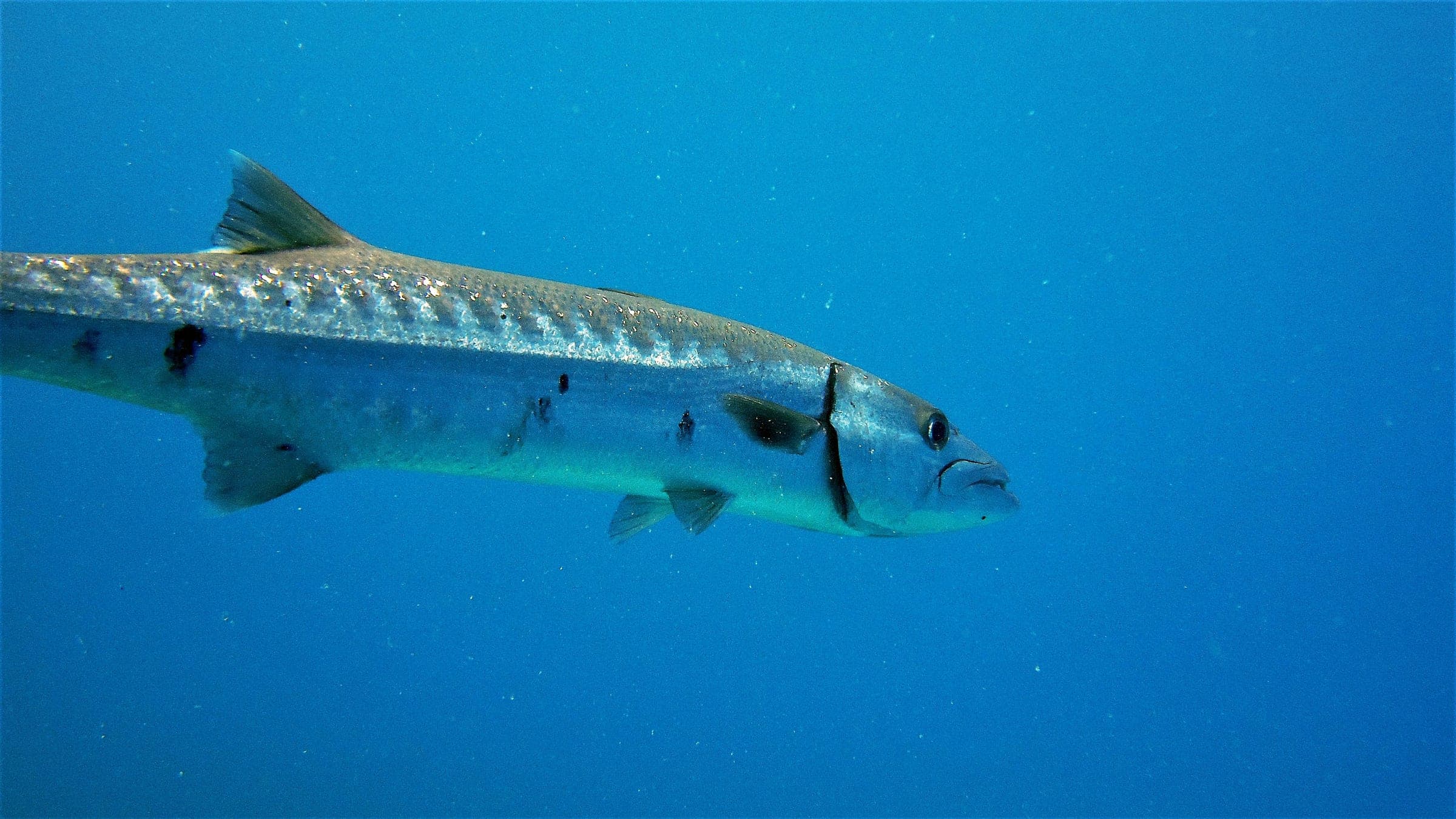
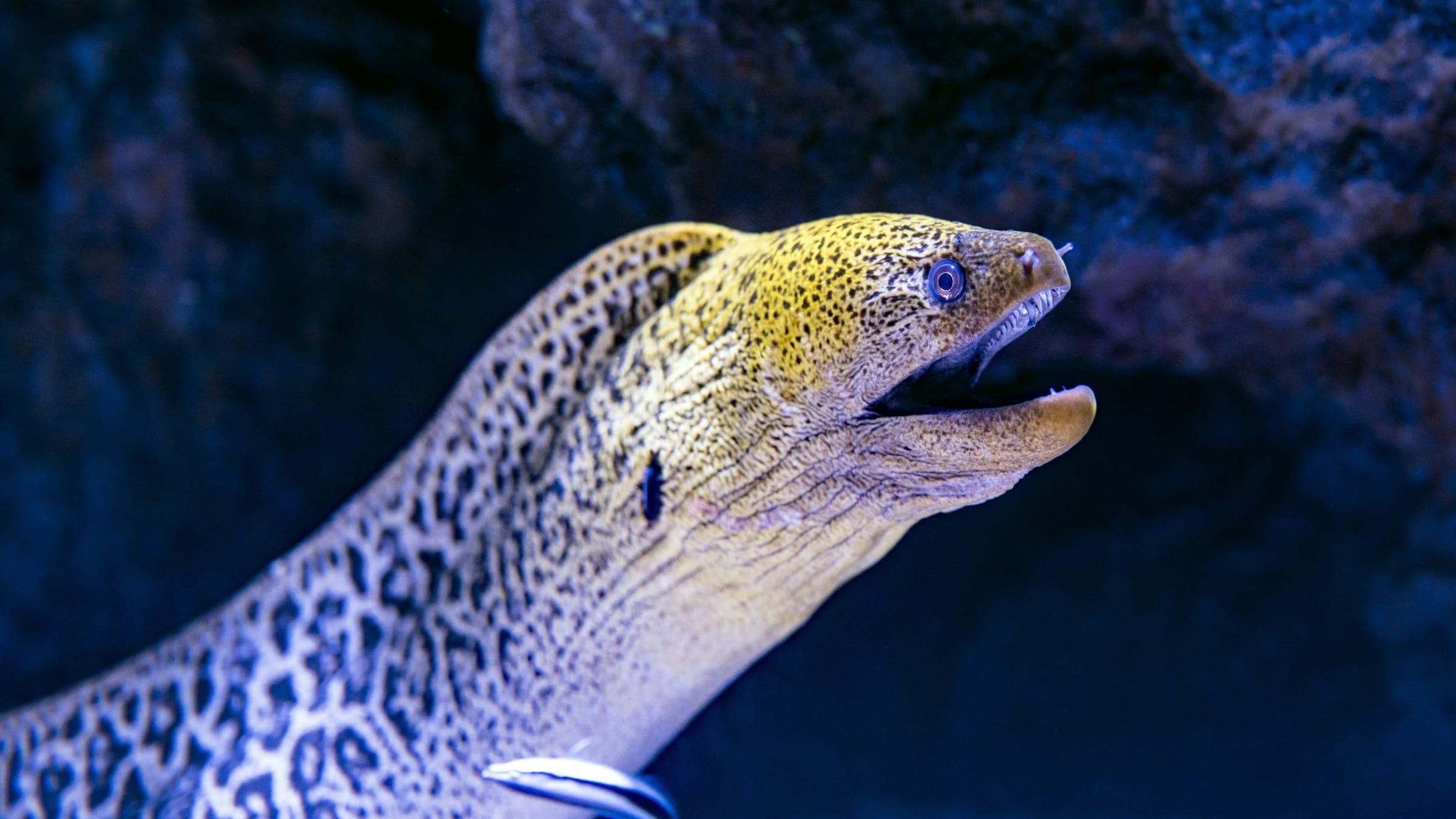
Wildlife In Koh Phi Phi Islands Thailand

Top species linked to approved dive spots in Koh Phi Phi Islands Thailand.

Signature Spots Preview

Quick shortlist before you jump into the full planning page.

See Full Plan
Koh Bida Nai dive spot

Koh Bida Nai

Reef

Popular Phi Phi limestone reef with coral gardens, sharks, and turtle sightings.

Visibility15 m
AccessModerate entry effort
CoralHealthy coral
Marine LifeGreat variety
CrowdQuite busy
CurrentModerate current
Pileh Wall 1 dive spot

Pileh Wall 1

Wall

Shallow Phi Phi wall with soft coral, sharks, and nearby lagoon traffic.

Visibility12 m
AccessModerate entry effort
CoralHealthy coral
Marine LifeGreat variety
CrowdQuite busy
CurrentLight current
Koh Bida Nok dive spot

Koh Bida Nok

ReefWall

Boat dive on Phi Phi's outer limestone reef with sharks and macro life.

Visibility15 m
AccessModerate entry effort
CoralHealthy coral
Marine LifeGreat variety
CurrentLight current
Whale Shark Wall, Ko Phi Phi dive spot

Whale Shark Wall, Ko Phi Phi

Wall

Sheltered Phi Phi Leh wall dive known for leopard shark encounters.

Visibility15 m
AccessSimple entry
CoralMixed health
Marine LifeAverage variety
CurrentNo current
Ao Nui dive spot

Ao Nui

ReefWall
Mosquito Island Reef dive spot
Not Set

Seasonality Preview

  • Best overall window: November to April
  • Track monthly activity windows in a full 12-month planner view.
See Full Season Planner

Logistics Preview

  • Phuket International Airport · 43 km drive + 1 to {{ 2 | duration:hours }}s by ferry (or faster by speedboat)
  • Krabi International Airport · 30 km drive + 1.5 to {{ 2 | duration:hours }}s by ferry (or faster by speedboat)
Open Logistics

Safety Preview

  • Boat traffic and propellers in popular bays
  • Monsoon seas and ferry cancellations
Open Safety Guide

FAQ Preview

  • When is the best time to visit Koh Phi Phi for scuba diving?
  • When is the best time to snorkel around Koh Phi Phi?
Open FAQs

About these guides

DiveJourney destination guides are living documents built from local knowledge, operator experience, and publicly available sources. Conditions, regulations, and logistics can change. Each guide shows its last update date and sources used.

Last updated: January 23, 2026 17 sources

If you see something inaccurate or outdated, you can submit an update. This is how the platform improves.