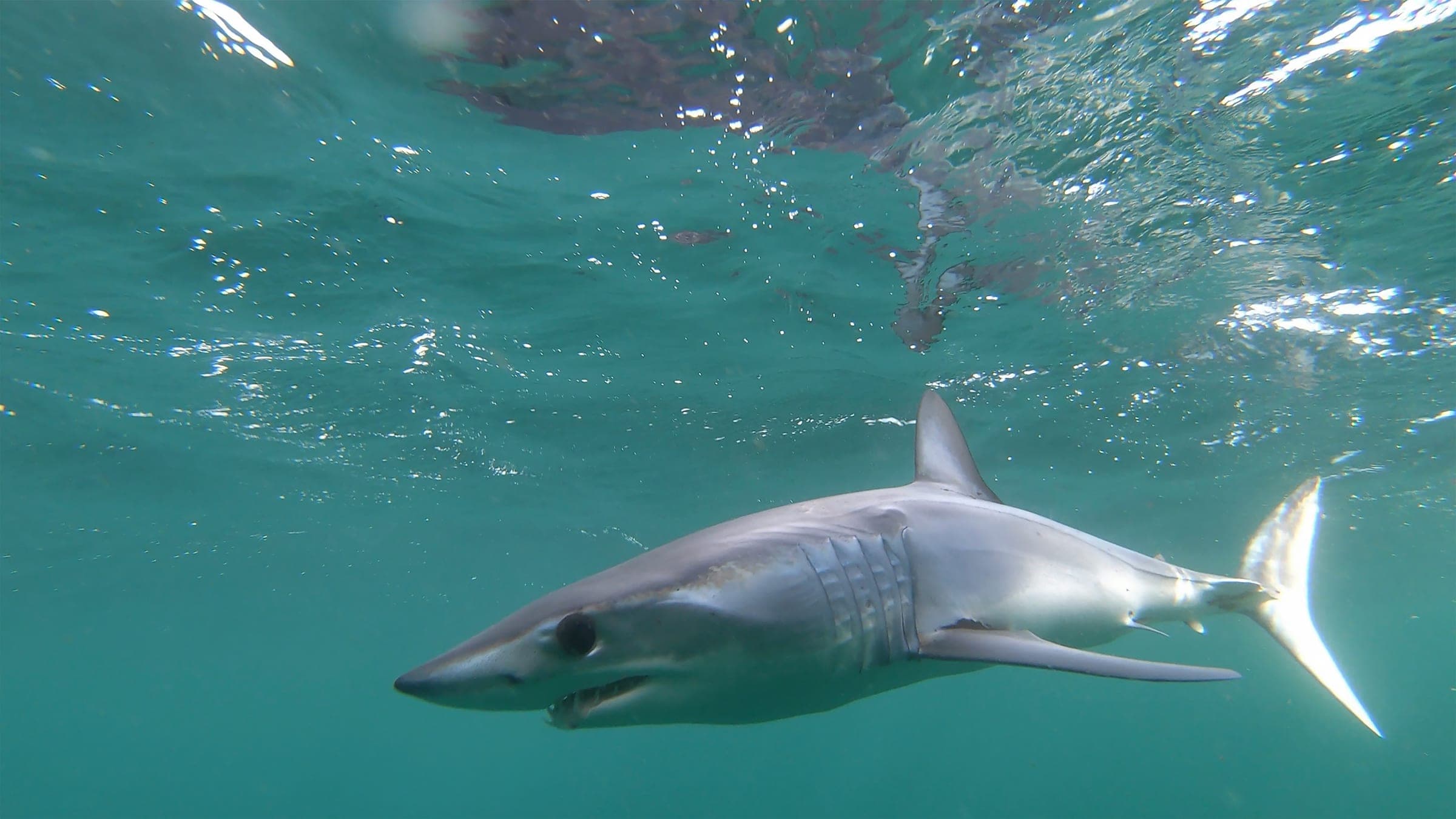
Black-tipped fins
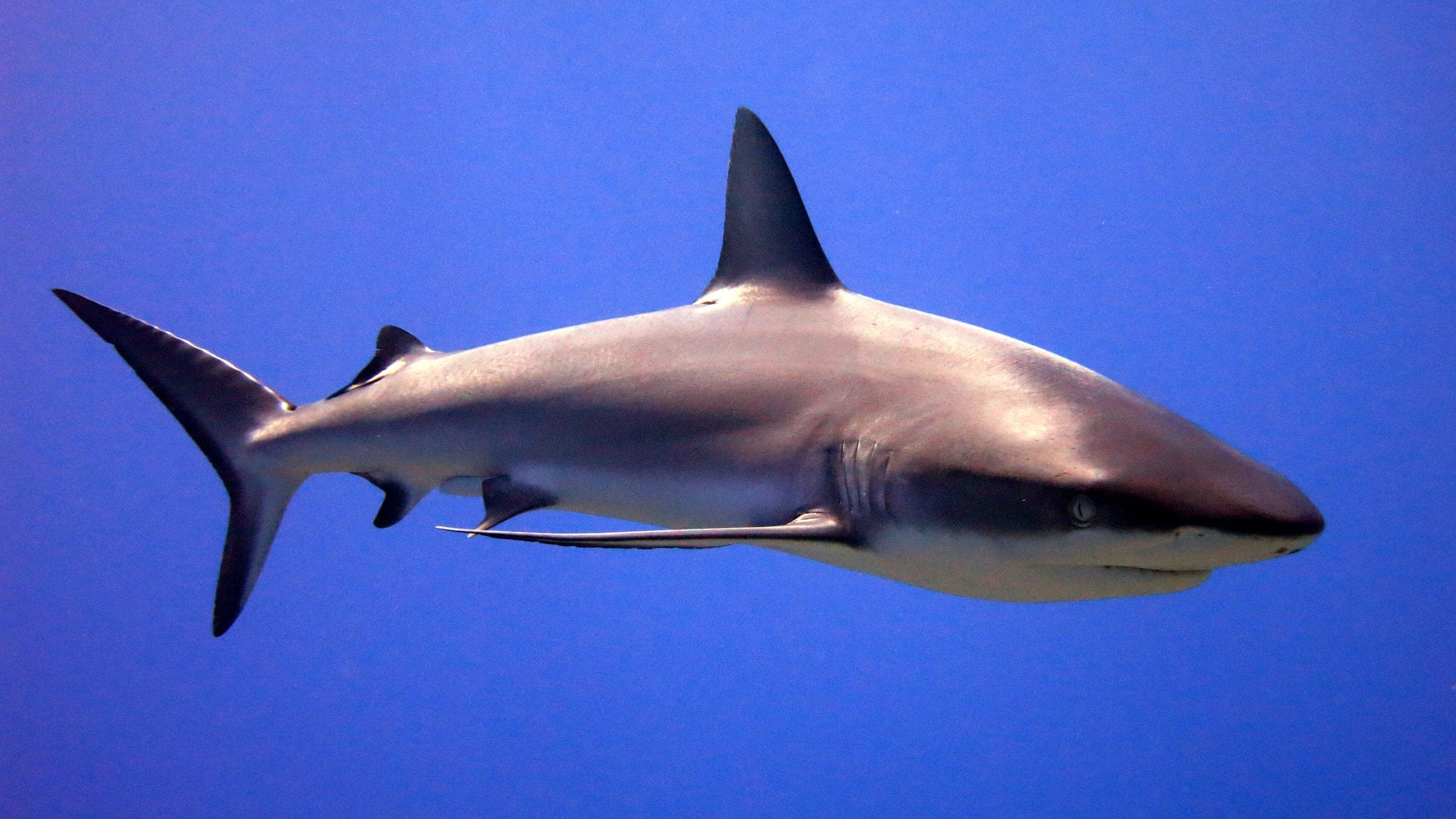
Prominent black tips on fins, especially the first dorsal fin and the caudal fin, are distinctive.
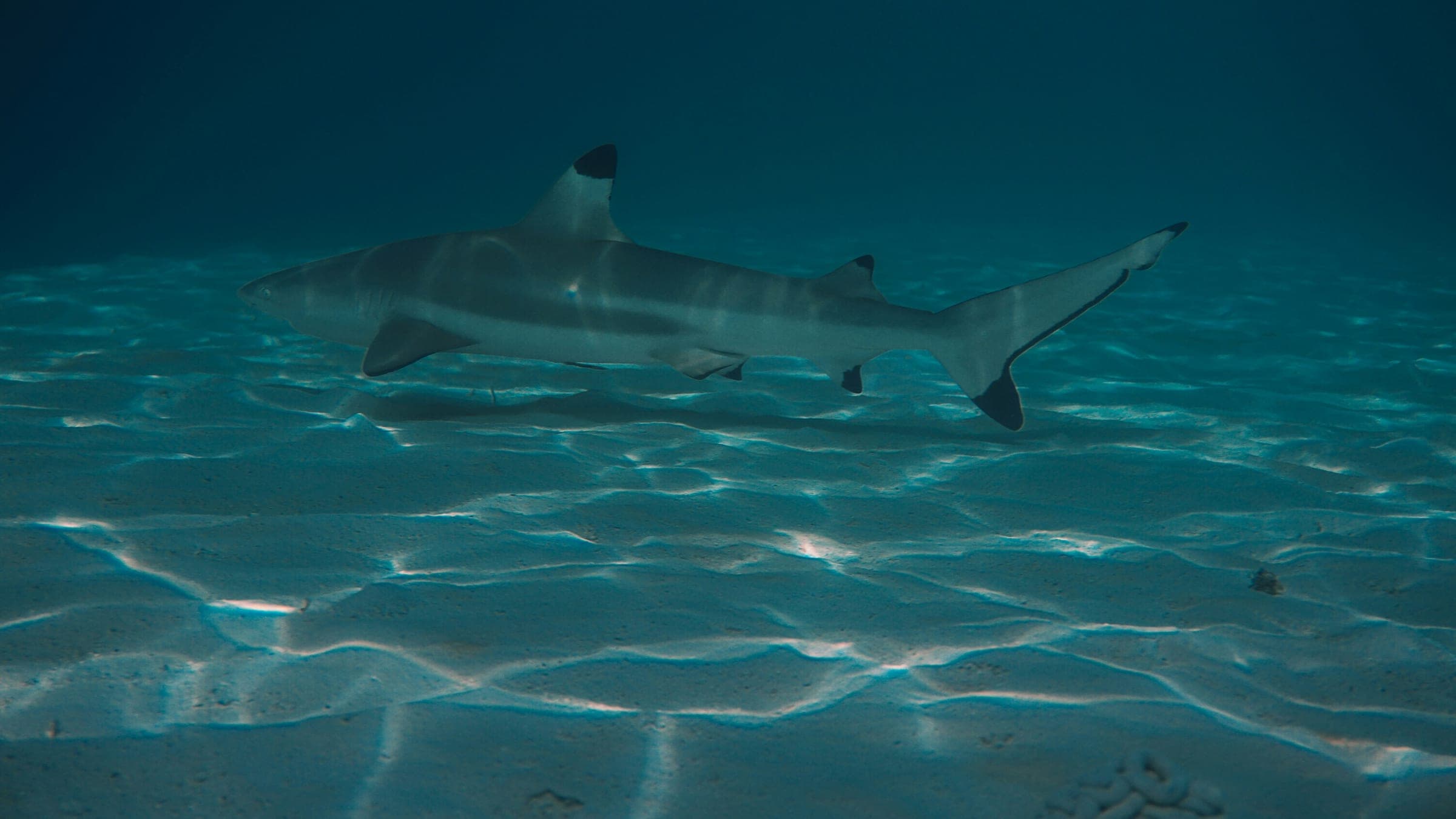
Carcharhinus melanopterus
A small, shallow-water requiem shark recognized by black-tipped fins, commonly found on tropical Indian and Pacific coral reefs.
Species Guide
A clean field guide focused on habitat, identification, behavior, and conservation context without burying the useful parts.
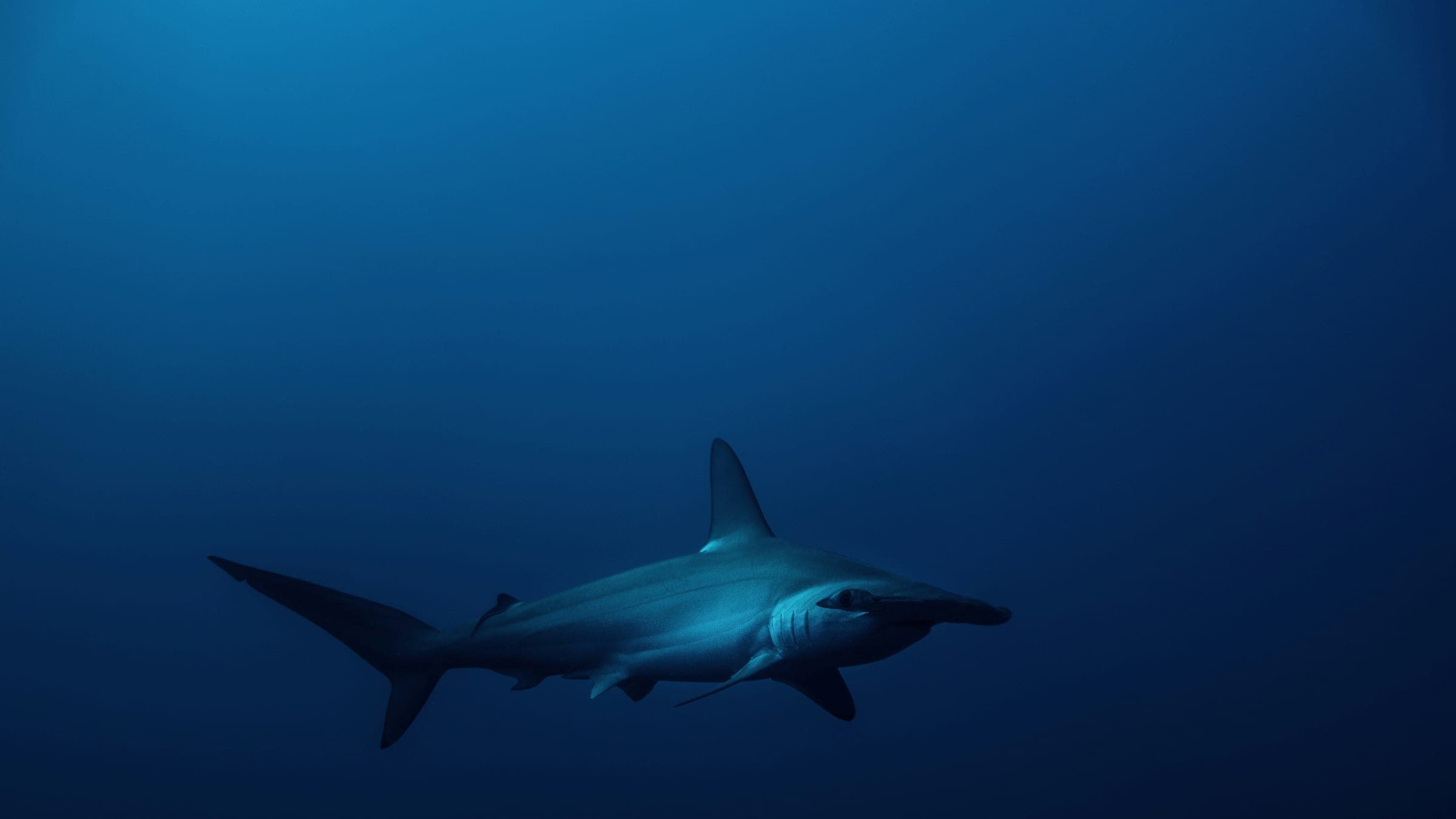
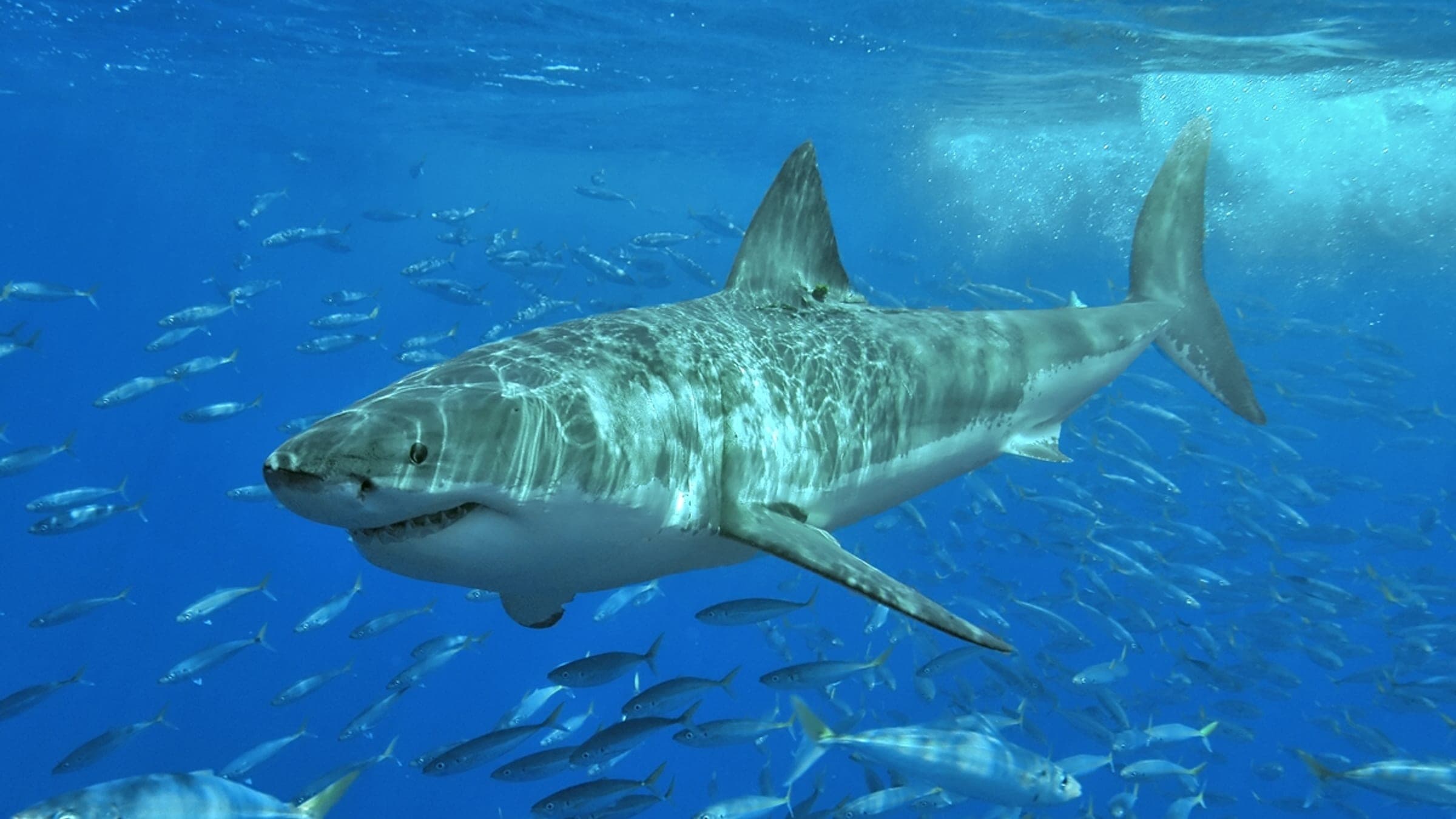
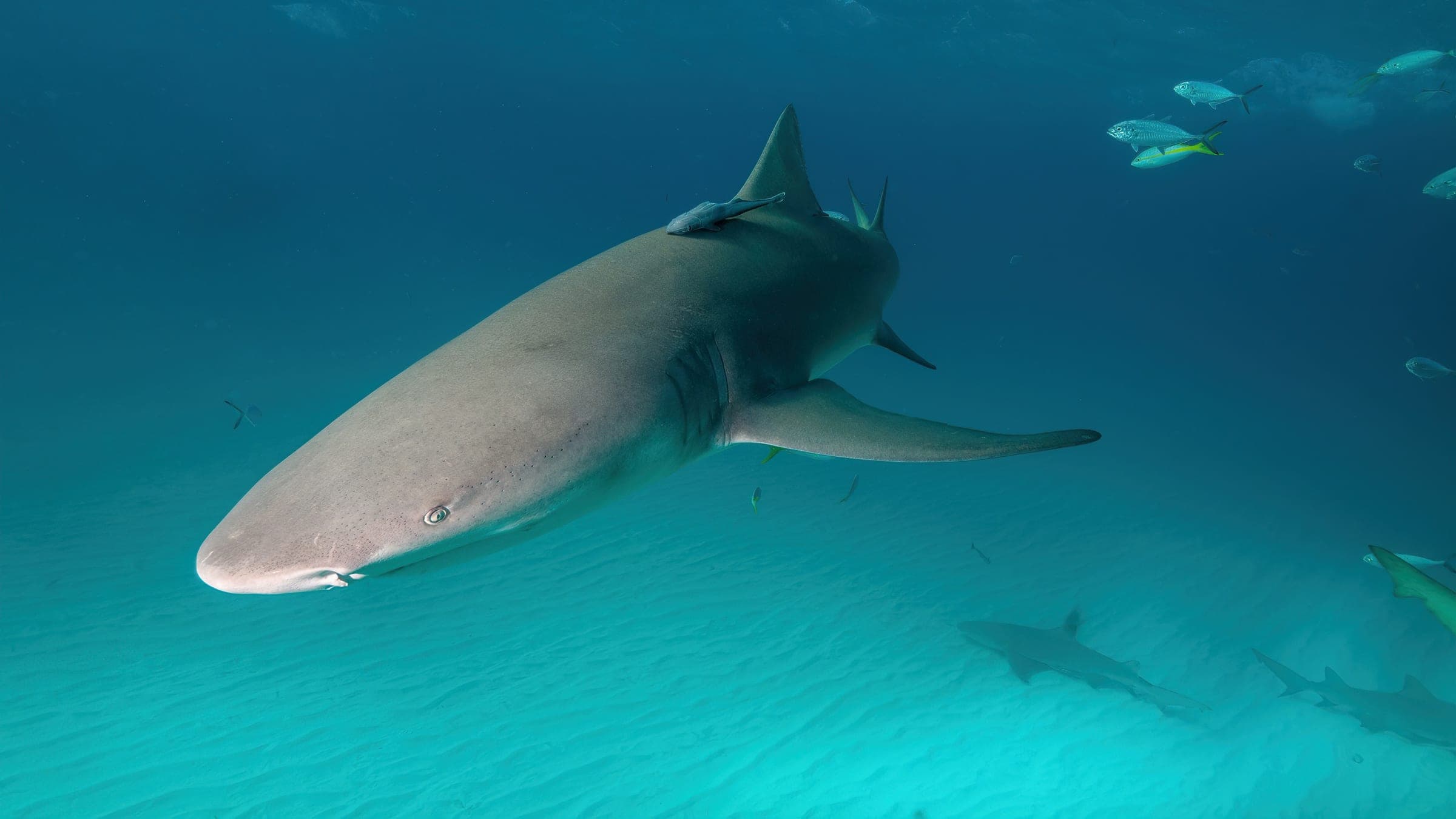
The blacktip reef shark is a requiem shark identifiable by prominent black tips on its fins, especially the first dorsal and caudal fins. It inhabits tropical coral reefs of the Indian and Pacific Oceans and prefers shallow, inshore waters such as reef ledges and sandy flats, and can enter brackish and freshwater environments. Adults typically reach about 1.6 m (5.2 ft), with females larger than males. This species has very small home ranges and strong site fidelity, often remaining in the same local area for years. It is an active predator of small bony fish, cephalopods, and crustaceans, and has been recorded feeding on sea snakes and seabirds. Reproduction is viviparous: females give birth to two to five young on cycles reported as annual, biennial, or possibly biannual; reported gestation periods vary geographically. The species is generally timid and skittish, rarely posing a danger to humans unless provoked by food, though shallow-water wading can result in accidental bites. The blacktip reef shark is used for meat, fins, and liver oil.
Although widespread and relatively common overall, the species has declined in several areas due to overfishing of this slow-reproducing shark; it is assessed as Vulnerable by the IUCN.
Shows extremely small home ranges and strong site fidelity, often remaining within the same local area for up to several years.
The strongest linked planning options currently surface around destinations such as Togean Islands and Tomini Coast, Coral Coast, Viti Levu, Bunaken and Manado (North Sulawesi) and countries such as Indonesia, Malaysia, Thailand for divers building trips around blacktip reef sharks.
Last Updated Mar 9, 2026 · 4 sources
Identification
The visual markers divers can use underwater, plus the species most likely to cause confusion.
Prominent black tips on fins, especially the first dorsal fin and the caudal fin, are distinctive.
A relatively small reef shark reaching about 1.6 m (5.2 ft); females are larger than males.
Range and Movement
The broad range, seasonal movement, or migratory behavior that shapes where divers encounter this species.
Shows extremely small home ranges and strong site fidelity, often remaining within the same local area for up to several years.
Diet
Useful feeding context that often explains habitat, movement, and encounter style.
Active predator of small bony fish, cephalopods, and crustaceans; has also been reported to feed on sea snakes and seabirds.
Conservation
Status, pressure, and protection context grounded in cited sources rather than filler.
Although widespread and relatively common overall, the species has declined in several areas due to overfishing of this slow-reproducing shark; it is assessed as Vulnerable by the IUCN.
The species is taken for meat, fins, and liver oil; overfishing has caused declines in multiple locales.
Responsible Encounters
Conservation-minded guidance for divers who want the encounter without adding pressure.
Typically timid and skittish; avoid feeding or provoking sharks. Be cautious when wading in shallow water to reduce risk of accidental bites.
Field Notes
Useful species context that makes the encounter more meaningful once you are underwater.
Females give birth to two to five live young; reported reproductive cycles and gestation lengths vary geographically.
Prefers shallow, inshore reef ledges and sandy flats and can enter brackish and freshwater environments.
Individuals often remain within the same local area for years due to very small home ranges.
Top Destinations
Destinations surfaced from the linked dive spots associated with this species.
Top Countries
The strongest country-level starting points currently linked to this species.
Top Dive Spots
Directly linked dive spots where this species already shows up in the planning data.
Tiger Reef Tioman is a current-swept pinnacle for advanced boat dives.
Current-sensitive Nusa Penida wall with coral terraces and big-life chance.
Shallow Koh Nang Yuan coral garden for easy dives and snorkeling.
Boat-access canyon dive in front of San Pedro Town.
Advanced outer reef with walls, soft corals, and pelagic fish life.
House-reef blue hole with rays, reef sharks, and a swim-through.
Diver Sightings
Approved diver reports where blacktip reef sharks were recently tagged.
FAQ
Clear planning and conservation answers written for search visibility and AI retrieval.
Research Sources
Primary and credible references behind the field-guide and conservation claims on this page.
Primary wildlife guide source.
Supporting wildlife source.
Supporting wildlife source.
Supporting wildlife source.
Related Species
Related species guides in the same encounter family.