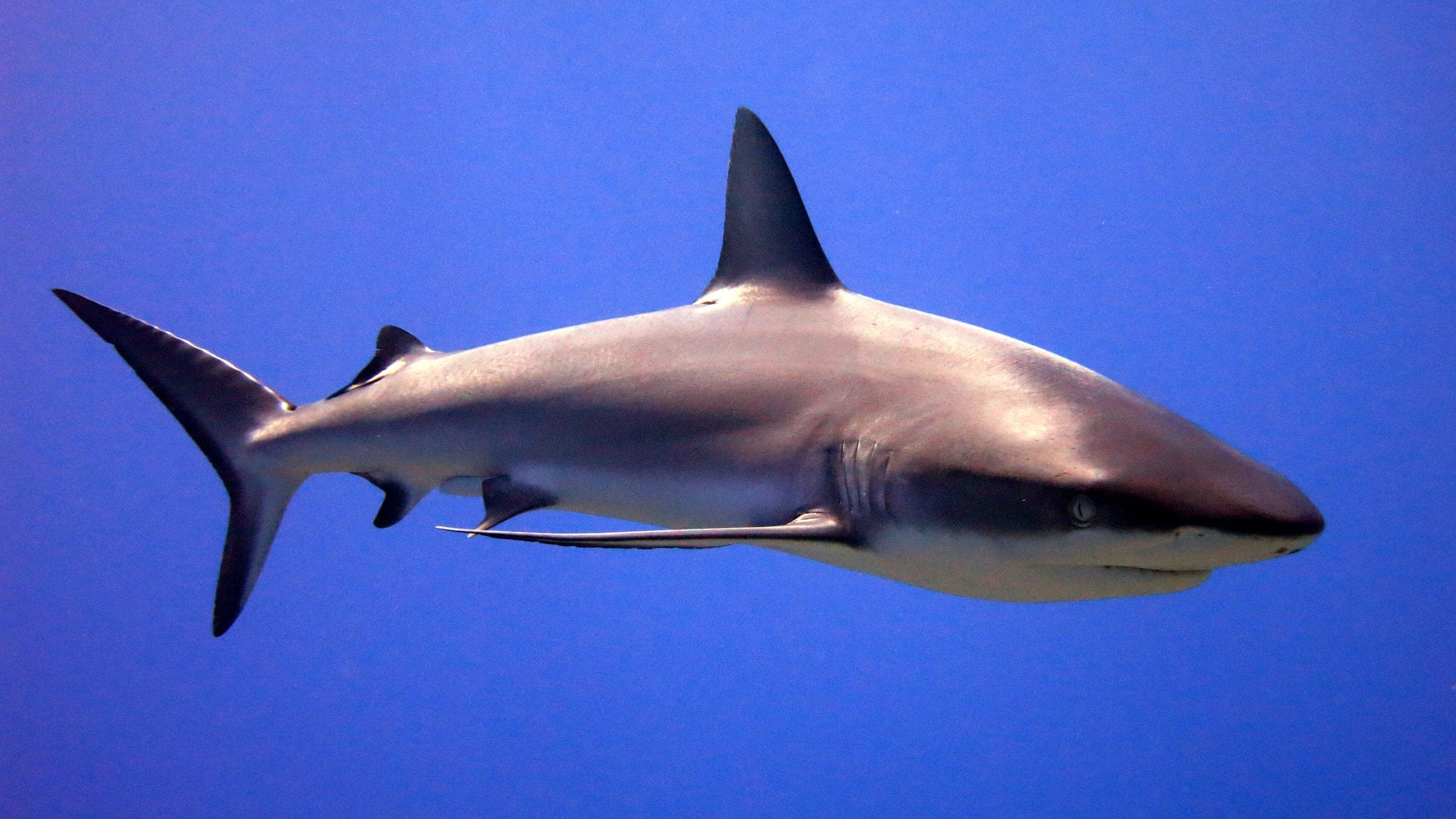
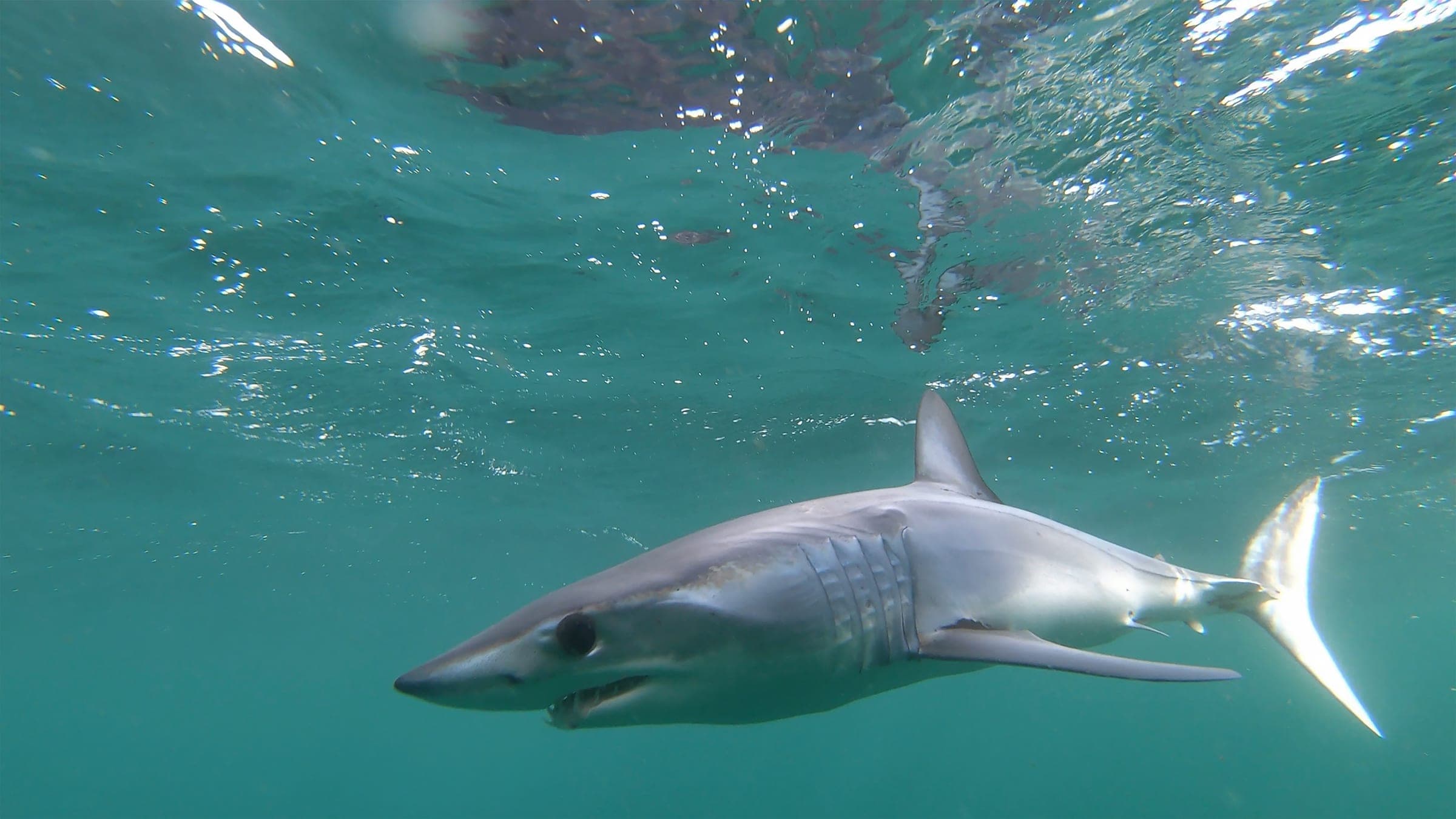
Coloration
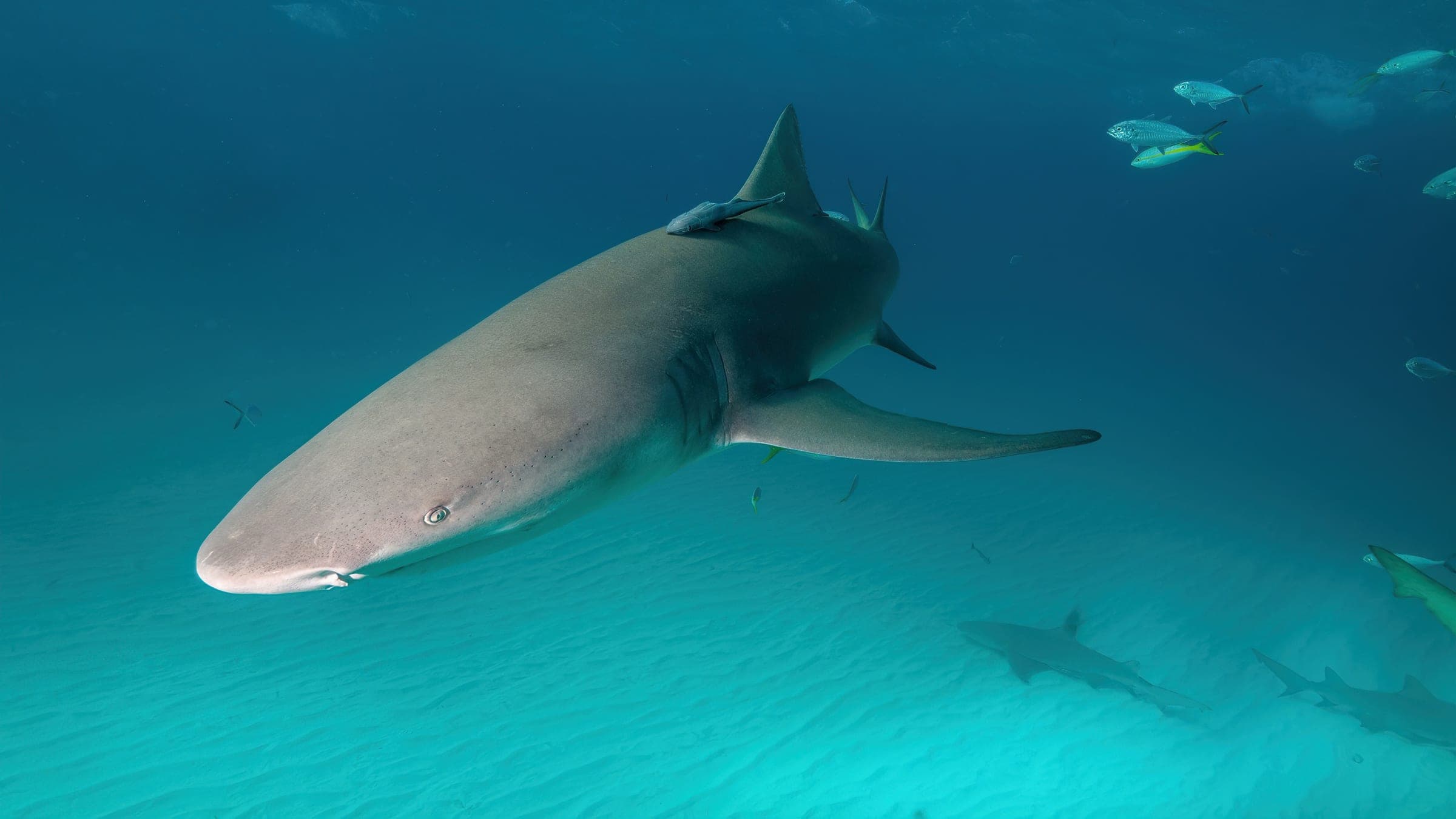
Yellowish skin that gives the species its common name.
Species Guide
A clean field guide focused on habitat, identification, behavior, and conservation context without burying the useful parts.
The lemon shark (Negaprion brevirostris) is a species in the family Carcharhinidae named for its yellowish skin. Adults can reach about 3.4 m (11 ft). They inhabit shallow subtropical waters, frequently return to specific nursery sites for breeding, and often feed at night. Lemon sharks use electroreceptors to locate prey, primarily fish. They are social, benefiting from group living for communication, courtship, predation, and protection. Reproduction is viviparous: females are polyandrous and typically breed on a biennial cycle. The species is listed as Vulnerable by the International Union for the Conservation of Nature. Lemon sharks are not considered a major threat to people; ten bites have been recorded, none life-threatening. Lifespan is not precisely known for the species, though typical sharks live 25–30 years; a lemon shark in captivity reached age 40.
Listed as Vulnerable by the IUCN.
Often feed at night; return to and use specific nursery sites; exhibit group-living behavior.
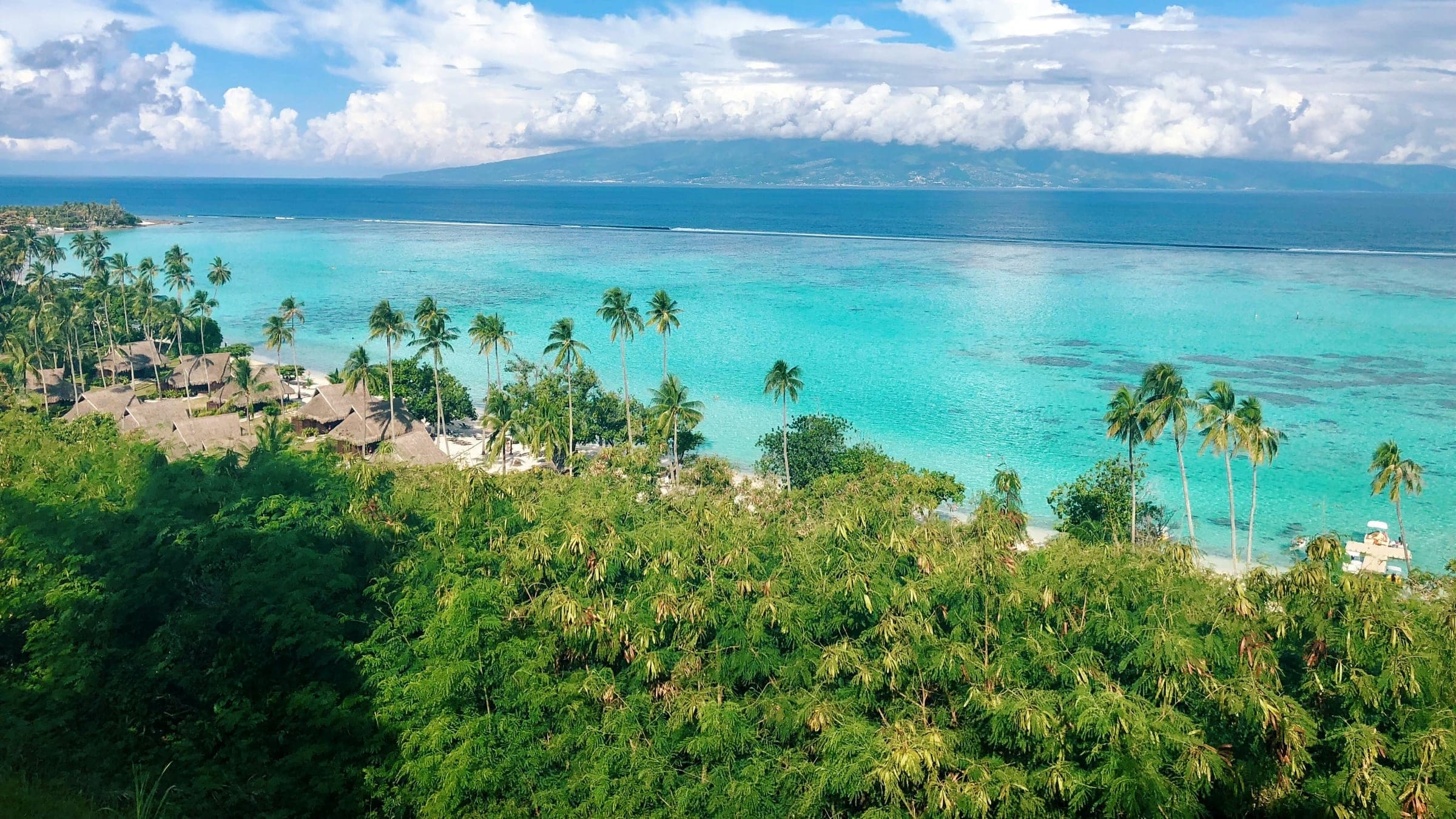
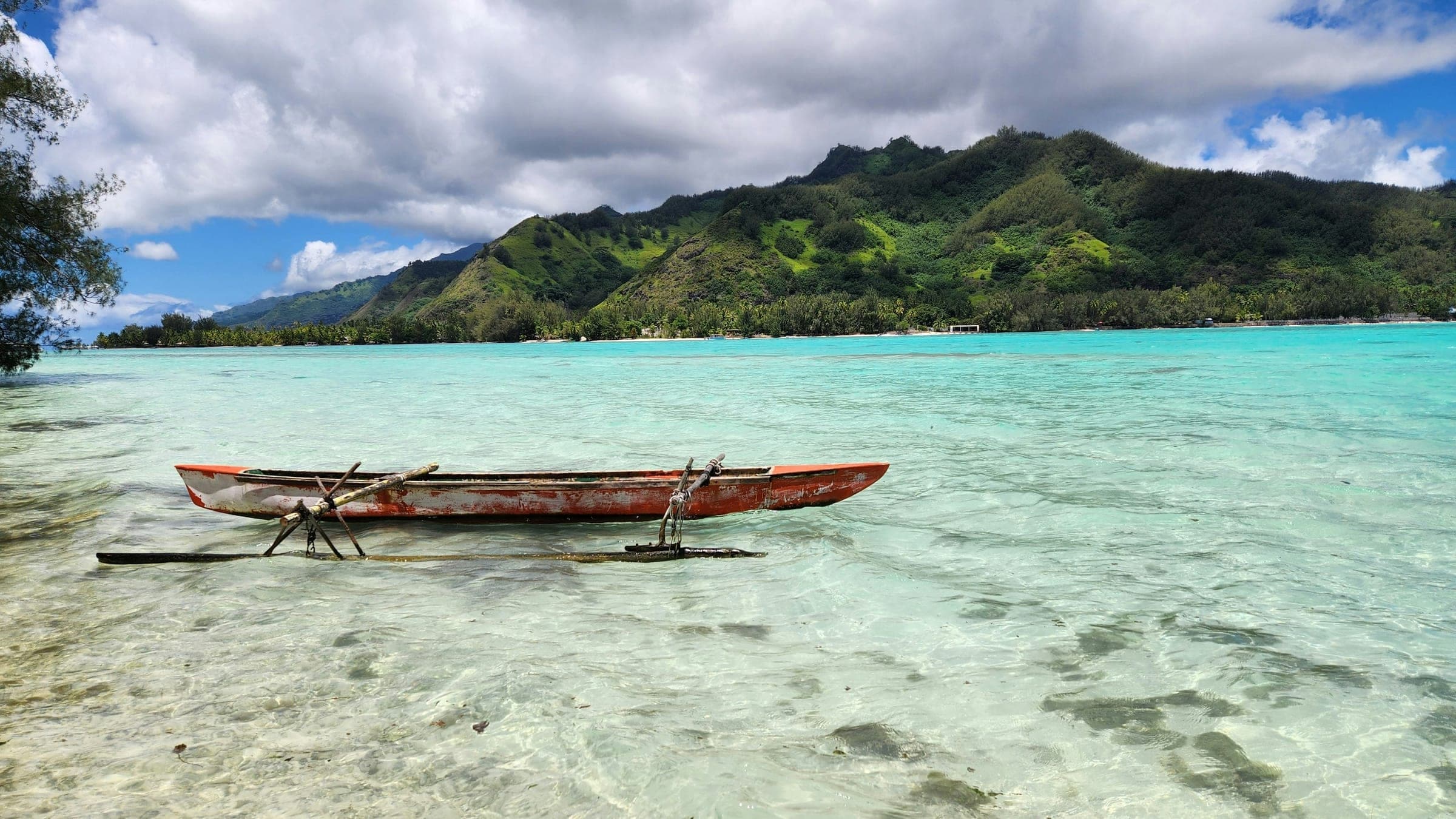
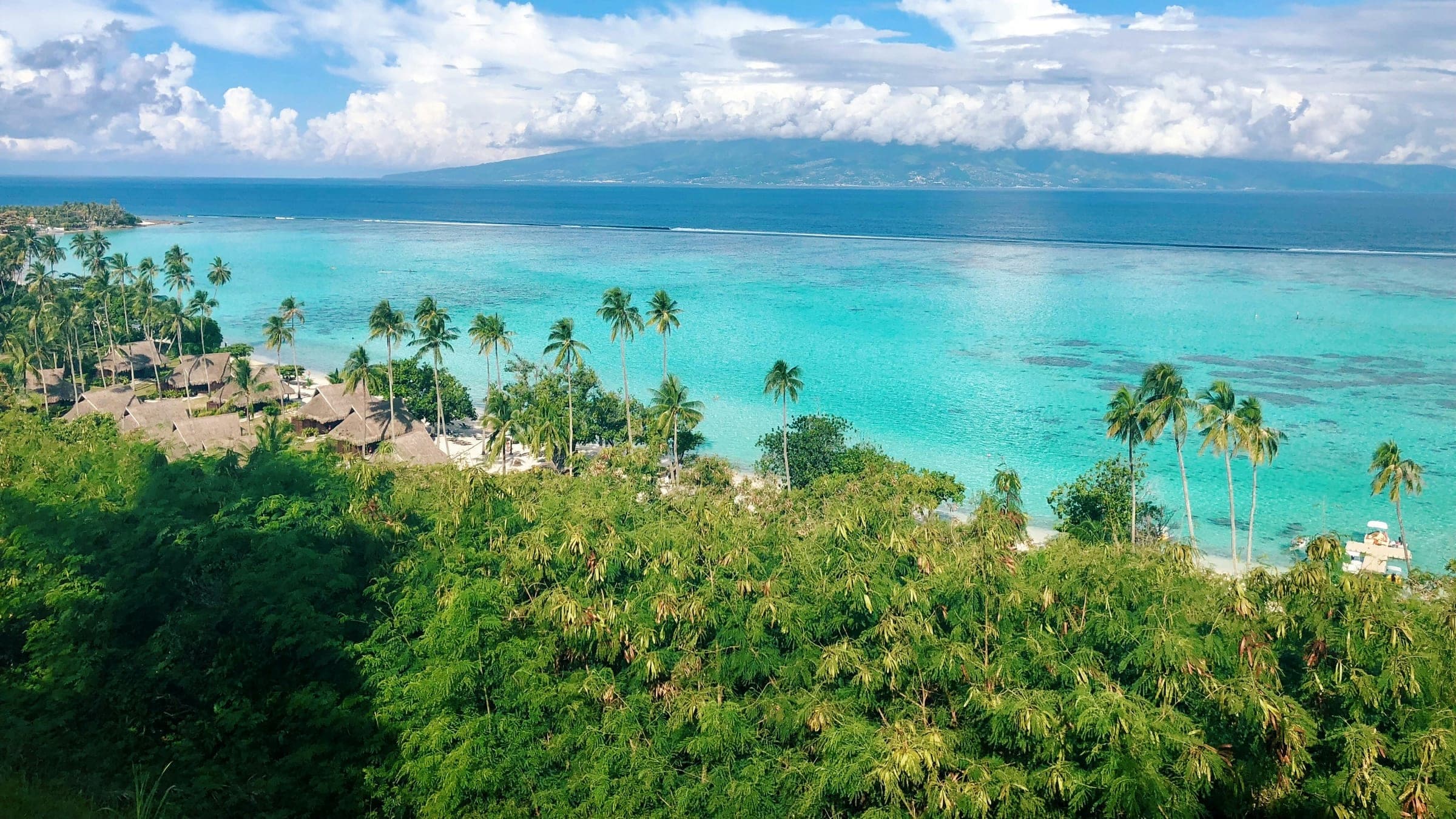
The strongest linked planning options currently surface around destinations such as Moorea, Fernando de Noronha, North Male Atoll and countries such as French Polynesia, Maldives, Brazil for divers building trips around lemon sharks.
Identification
The visual markers divers can use underwater, plus the species most likely to cause confusion.
Yellowish skin that gives the species its common name.
Adults can reach about 3.4 m (11 ft) in length.
Often found in shallow subtropical waters and associated with specific nursery sites.
Range and Movement
The broad range, seasonal movement, or migratory behavior that shapes where divers encounter this species.
Often feed at night; return to and use specific nursery sites; exhibit group-living behavior.
Diet
Useful feeding context that often explains habitat, movement, and encounter style.
Primarily fish; locate prey using electroreceptors.
Conservation
Status, pressure, and protection context grounded in cited sources rather than filler.
Listed as Vulnerable by the IUCN.
Responsible Encounters
Conservation-minded guidance for divers who want the encounter without adding pressure.
Lemon sharks are not considered a major threat to divers; recorded bites (ten) have not been life-threatening. Standard caution around large wild animals and respect for nursery areas is advised.
Field Notes
Useful species context that makes the encounter more meaningful once you are underwater.
They benefit from group living for communication, courtship, predation, and protection.
Females are polyandrous and typically have a biennial cycle, giving birth to live young.
The oldest recorded lemon shark in captivity died at age 40.
Top Destinations
Destinations surfaced from the linked dive spots associated with this species.
Top Countries
The strongest country-level starting points currently linked to this species.
Top Dive Spots
Directly linked dive spots where this species already shows up in the planning data.
Moorea coral-garden shore dive with sharks, turtles, and reef life.
Rock and cave dive with sheltered structure.
Aquarium is a boat dive on a shallow underwater mountain.
Moorea shore canyon dive with sharks, turtles, and coral relief.
Cordilheiras: Rata Island wall dive with sharks and rays.
Technical Noronha wreck with strong visibility and depth.
Diver Sightings
Approved diver reports where lemon sharks were recently tagged.
FAQ
Clear planning and conservation answers written for search visibility and AI retrieval.
Research Sources
Primary and credible references behind the field-guide and conservation claims on this page.
Primary wildlife guide source.
Taxonomy reference.
Related Species
Related species guides in the same encounter family.