Body shape
Flattened body with broad pectoral fins, producing a strong resemblance to rays.
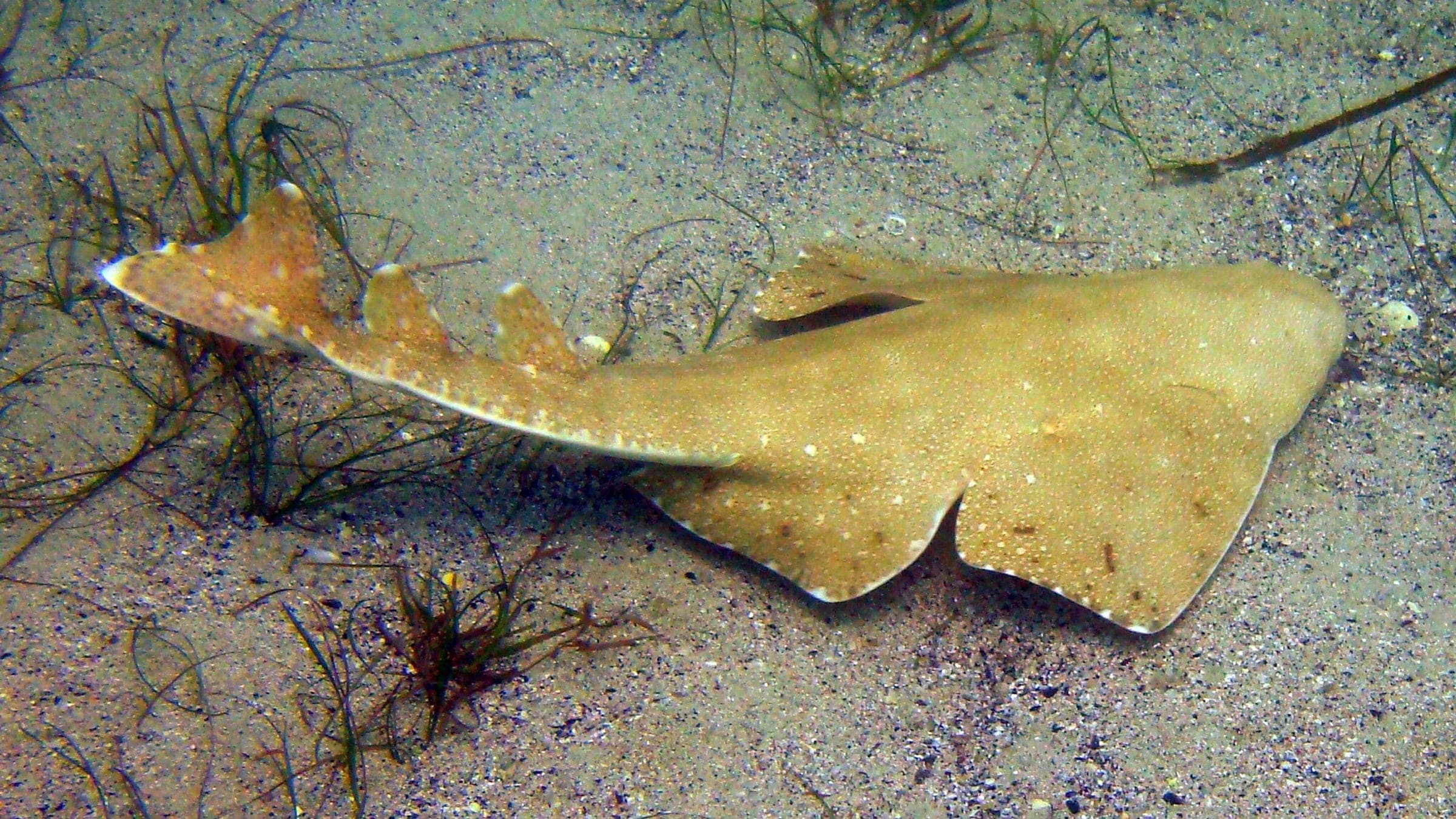
Squatina
Angel sharks (genus Squatina) are flattened, bottom-dwelling sharks resembling rays that inhabit temperate and tropical seas worldwide.
Species Guide
A clean field guide focused on habitat, identification, behavior, and conservation context without burying the useful parts.
Angel sharks belong to the genus Squatina and are the only living members of the family Squatinidae and order Squatiniformes. They have flattened bodies and broad pectoral fins that give them a strong resemblance to rays. Angel sharks occur worldwide in temperate and tropical seas, commonly inhabiting sandy seabeds around 150 m depth, with some species found as deep as 1,300 m. Most species are shallow-water inhabitants, while a few occupy deeper waters. They are ambush predators with a stationary, bottom-dwelling habit; this behaviour makes long-distance trans-oceanic migrations unlikely, although some large-scale coastal movements have been reported for species such as Squatina squatina.
Fishing pressure has resulted in significant population declines for many angel shark species; several are now classified as critically endangered by the IUCN.
Ambush predators with a stationary, bottom-dwelling habit; trans-ocean migrations are extremely unlikely, though some species show large-scale coastal movements.
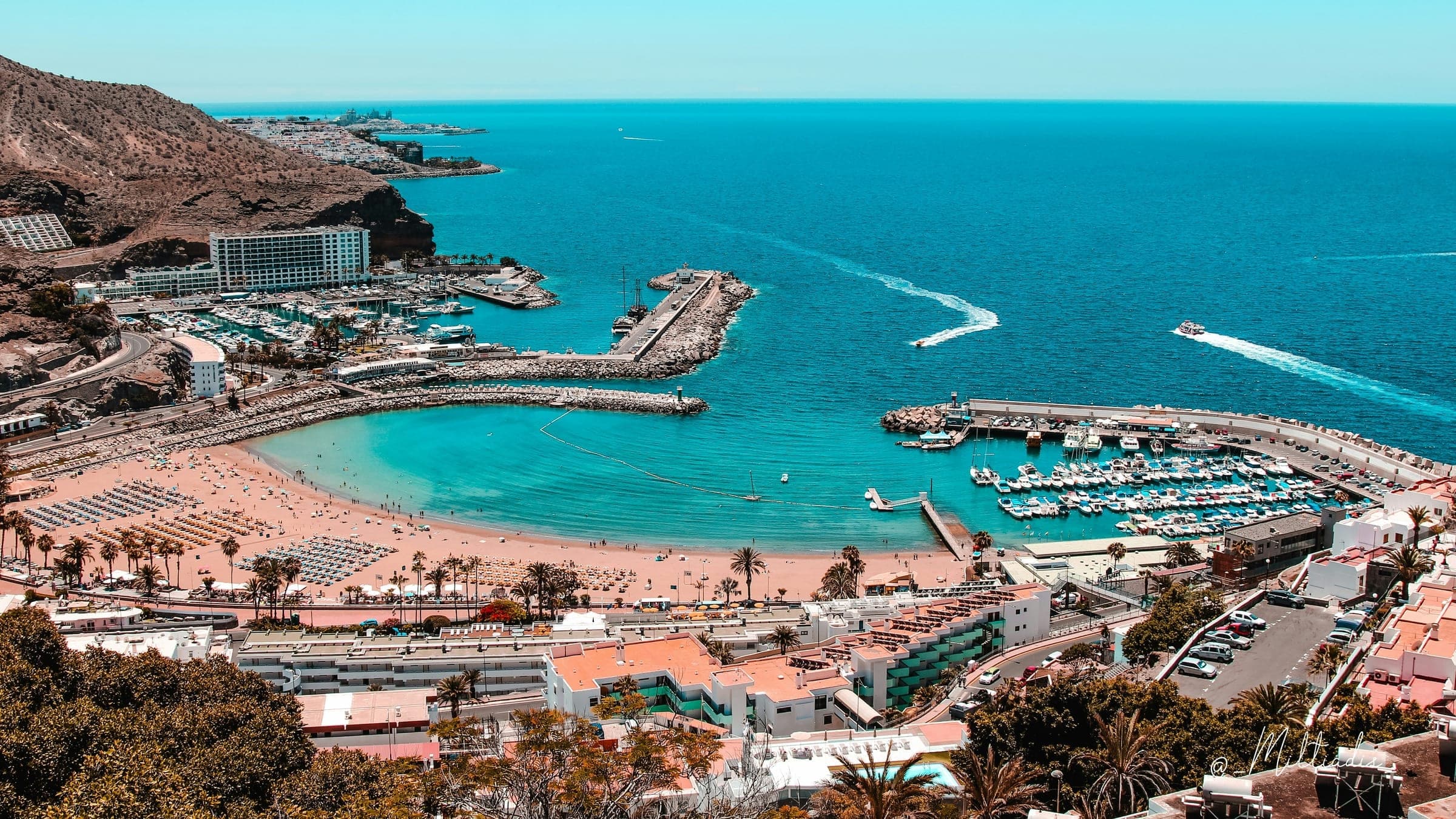
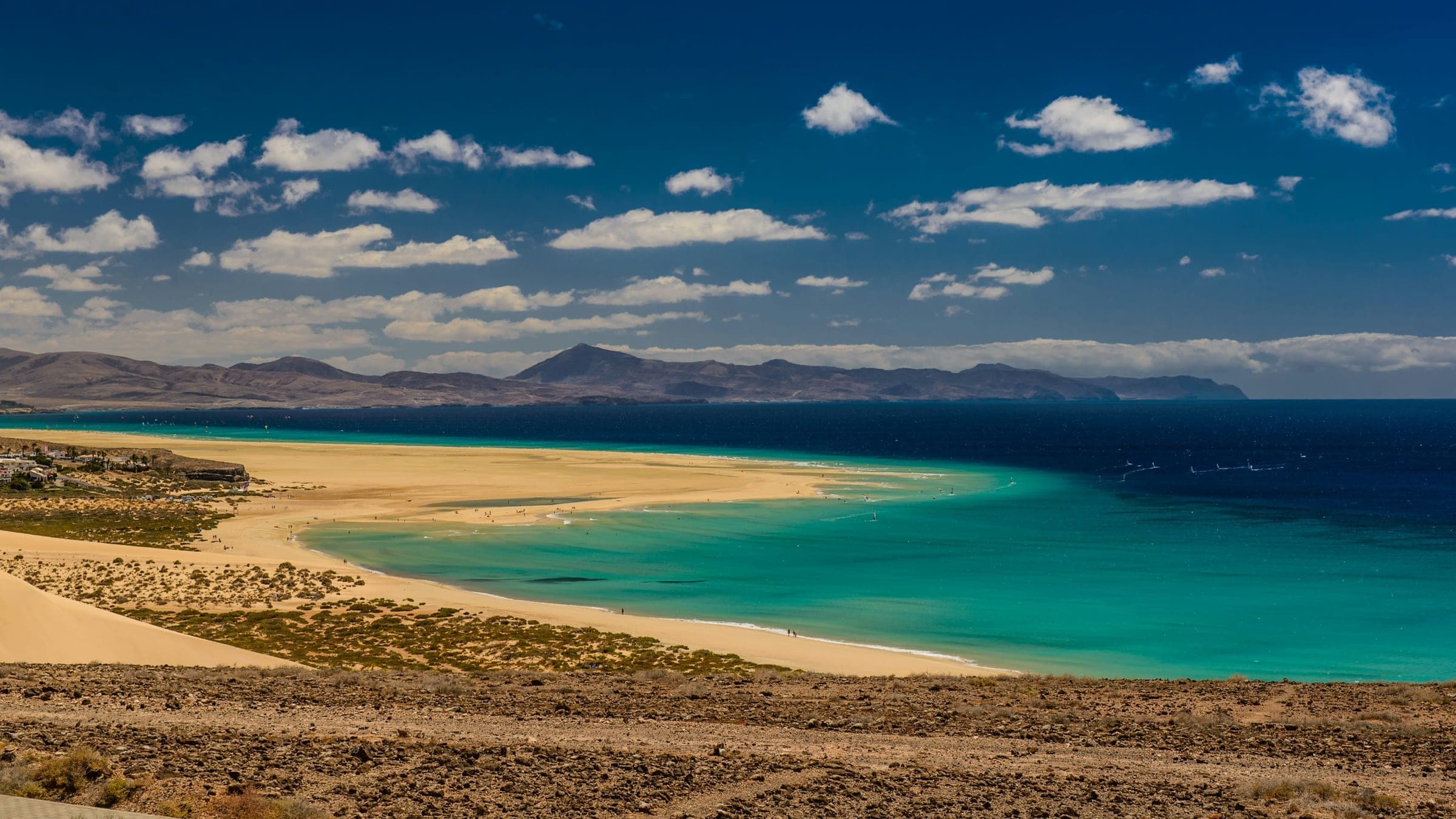
The strongest linked planning options currently surface around destinations such as Gran Canaria, Lanzarote, Fuerteventura and countries such as Spain, Australia, United States of America for divers building trips around angel sharks.
Last Updated Mar 9, 2026 · 4 sources
Identification
The visual markers divers can use underwater, plus the species most likely to cause confusion.
Flattened body with broad pectoral fins, producing a strong resemblance to rays.
Often found lying on sandy seabeds as bottom-dwelling ambush predators.
Common around 150 m depth; some species occur down to about 1,300 m.
Flattened shape and broad fins make angel sharks superficially similar to rays.
The common name 'monkfish' is sometimes applied to angel sharks but also refers to Lophius species.
Range and Movement
The broad range, seasonal movement, or migratory behavior that shapes where divers encounter this species.
Ambush predators with a stationary, bottom-dwelling habit; trans-ocean migrations are extremely unlikely, though some species show large-scale coastal movements.
Conservation
Status, pressure, and protection context grounded in cited sources rather than filler.
Fishing pressure has resulted in significant population declines for many angel shark species; several are now classified as critically endangered by the IUCN.
Widespread fishing has driven significant population declines and contributed to many species being classified as critically endangered.
Many angel shark species are listed as critically endangered by the International Union for Conservation of Nature.
Responsible Encounters
Conservation-minded guidance for divers who want the encounter without adding pressure.
Give angel shark space, avoid blocking the animal's path, and follow local site and operator rules for wildlife interactions with sharks.
Field Notes
Useful species context that makes the encounter more meaningful once you are underwater.
Angel sharks are the sole living members of the family Squatinidae and order Squatiniformes.
They occur worldwide in temperate and tropical seas, though many species have restricted ranges.
While many live in shallow seas, some species are found as deep as 1,300 m.
Top Destinations
Destinations surfaced from the linked dive spots associated with this species.
Top Countries
The strongest country-level starting points currently linked to this species.
Top Dive Spots
Directly linked dive spots where this species already shows up in the planning data.
Boat-accessed artificial reef over sand with steady reef life.
Boat-access artificial reef with concrete sculptures off Arguineguín.
Boat-dived artificial reef off southern Gran Canaria.
Boat-access artificial reef on Gran Canaria's south coast.
Balito Princess is a beginner-friendly boat dive in Gran Canaria.
Camino de Altura: Salinas Reef wall with grottos and fish.
FAQ
Clear planning and conservation answers written for search visibility and AI retrieval.
Research Sources
Primary and credible references behind the field-guide and conservation claims on this page.
Primary wildlife guide source.
Supporting wildlife source.
Supporting wildlife source.
Supporting wildlife source.
Related Species
Related species guides in the same encounter family.