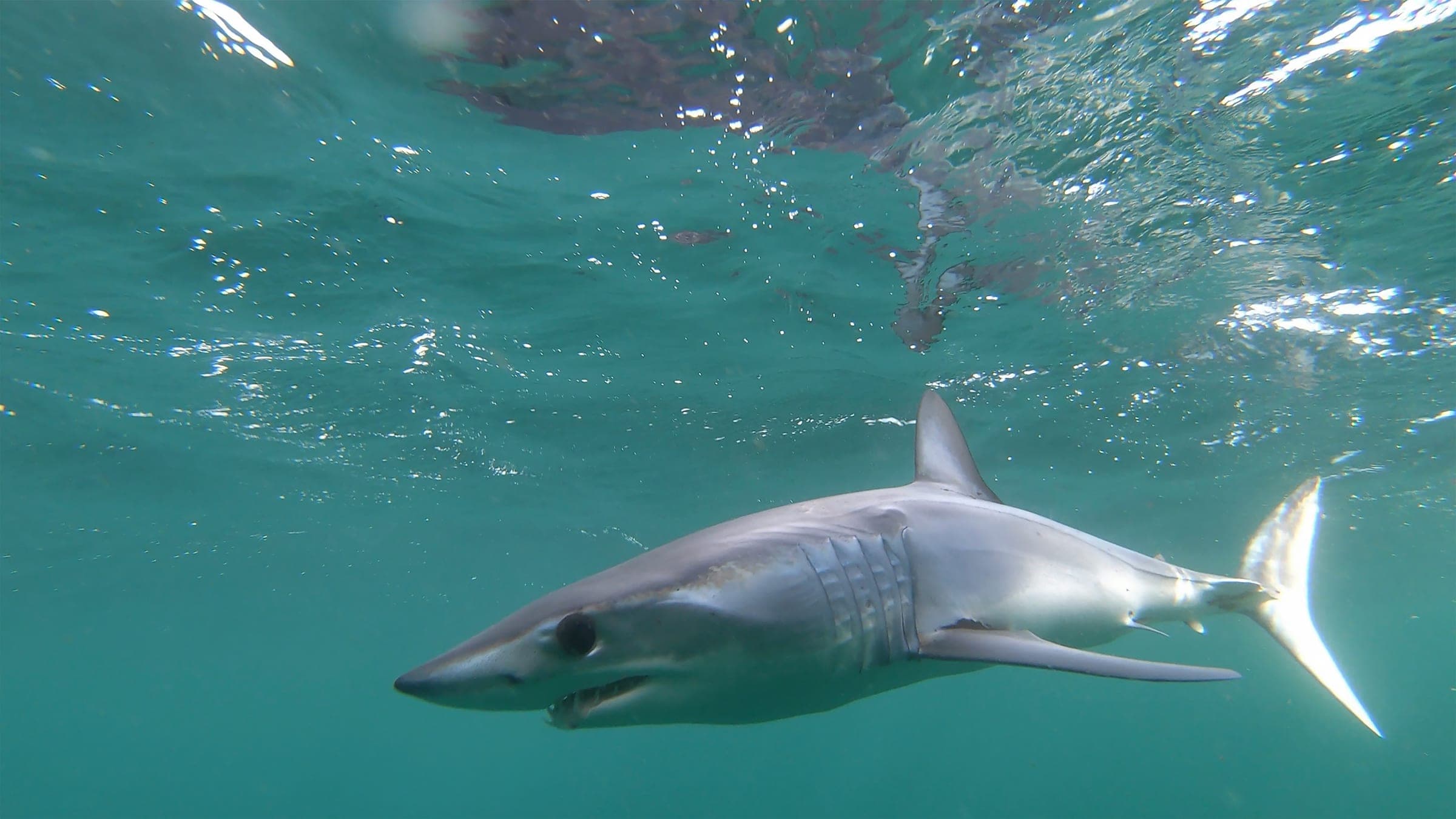
First dorsal fin
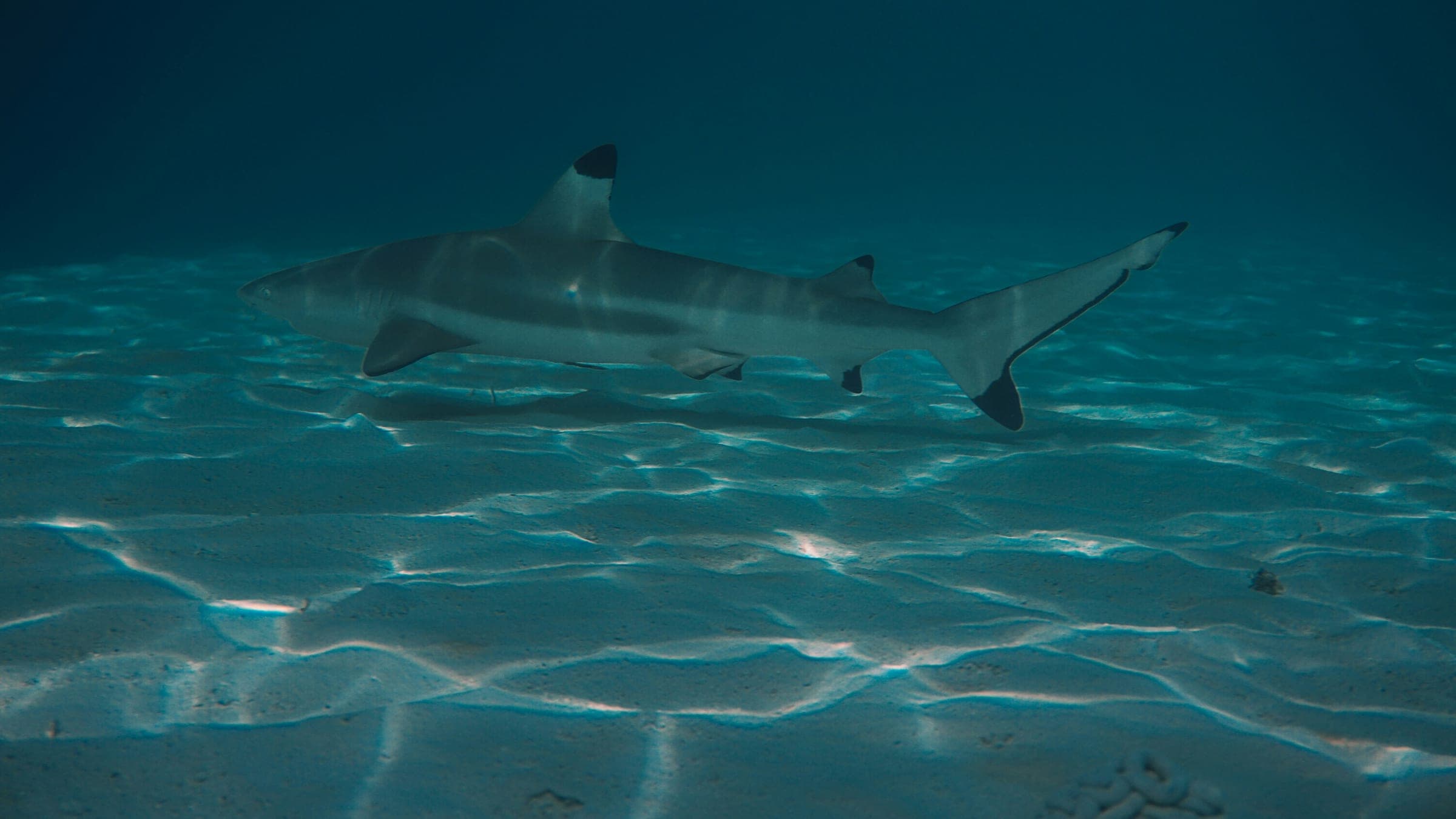
Plain or white-tipped first dorsal fin distinguishes it from similar species.
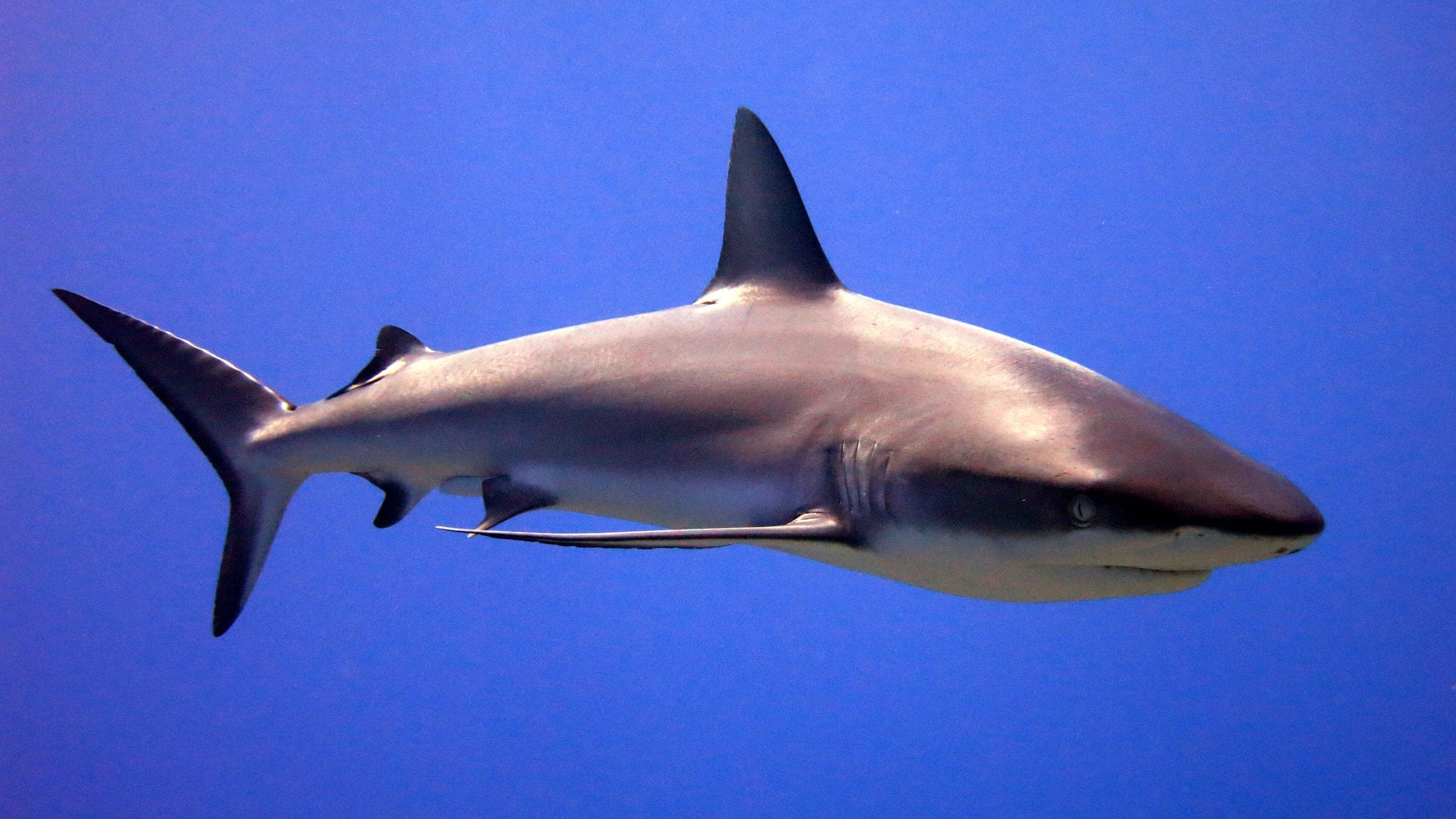
Carcharhinus amblyrhynchos
A common Indo-Pacific reef shark often seen near coral-reef drop-offs, identifiable by its fin markings and broad, rounded snout.
Species Guide
A clean field guide focused on habitat, identification, behavior, and conservation context without burying the useful parts.
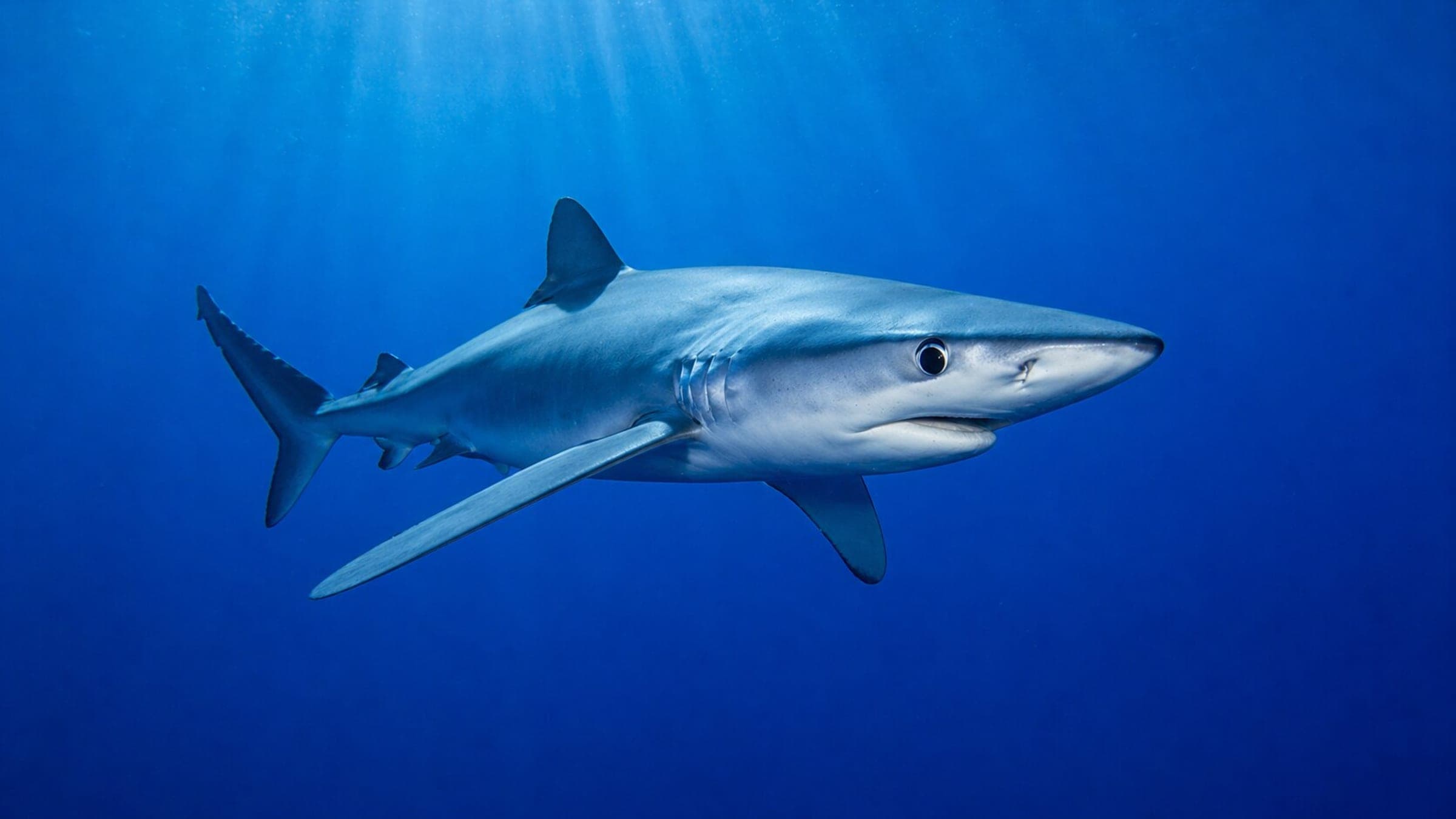
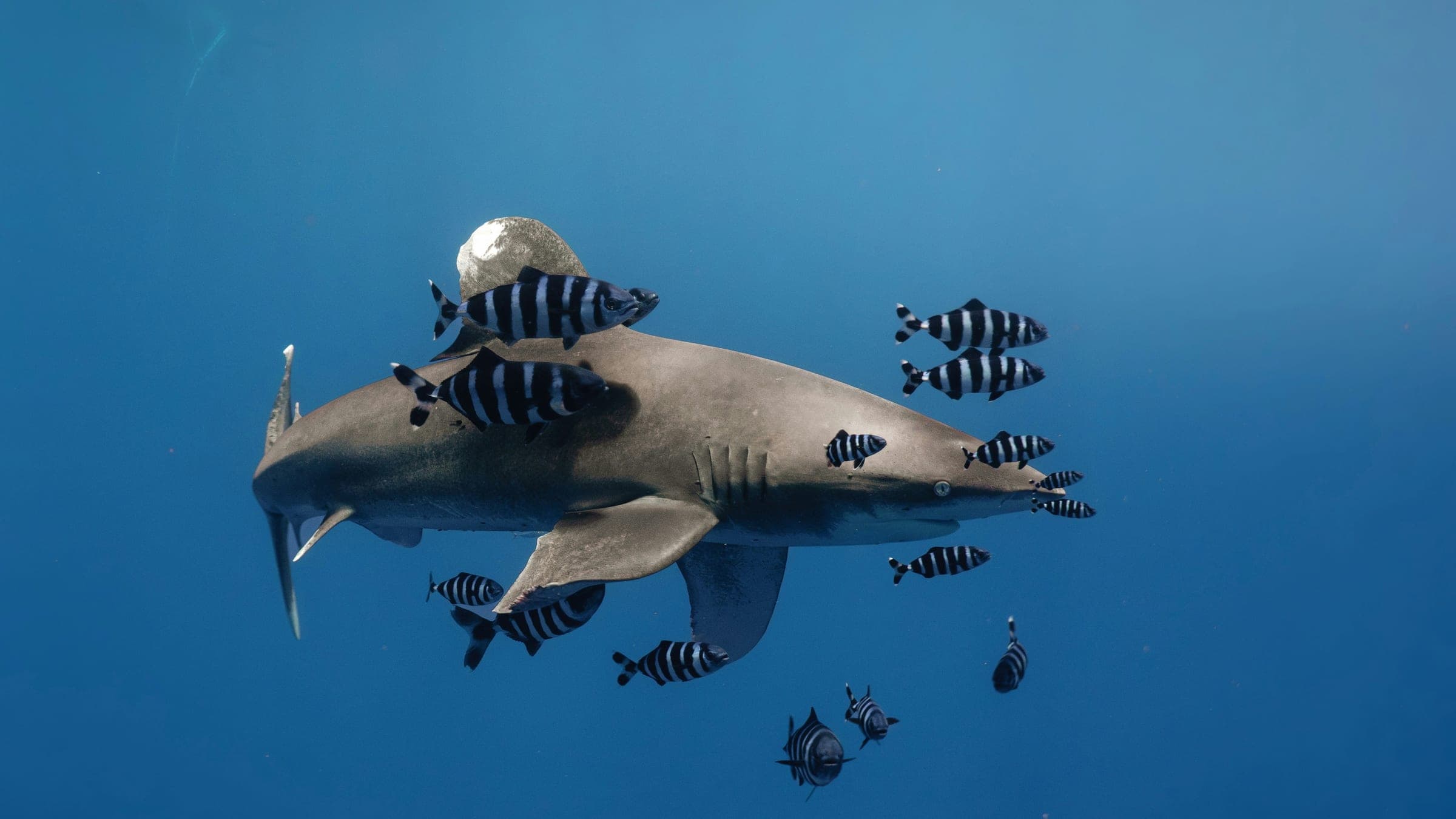
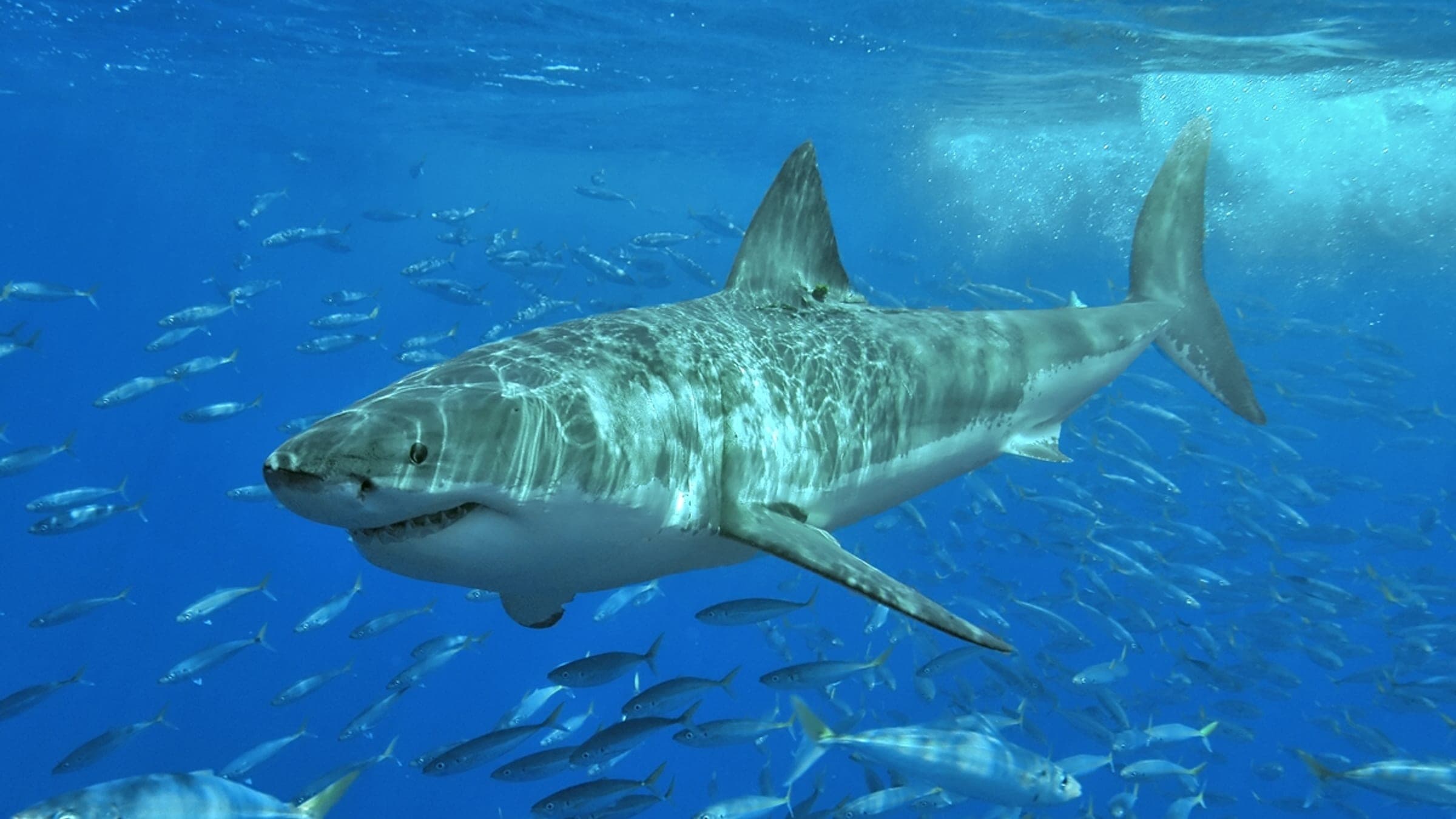
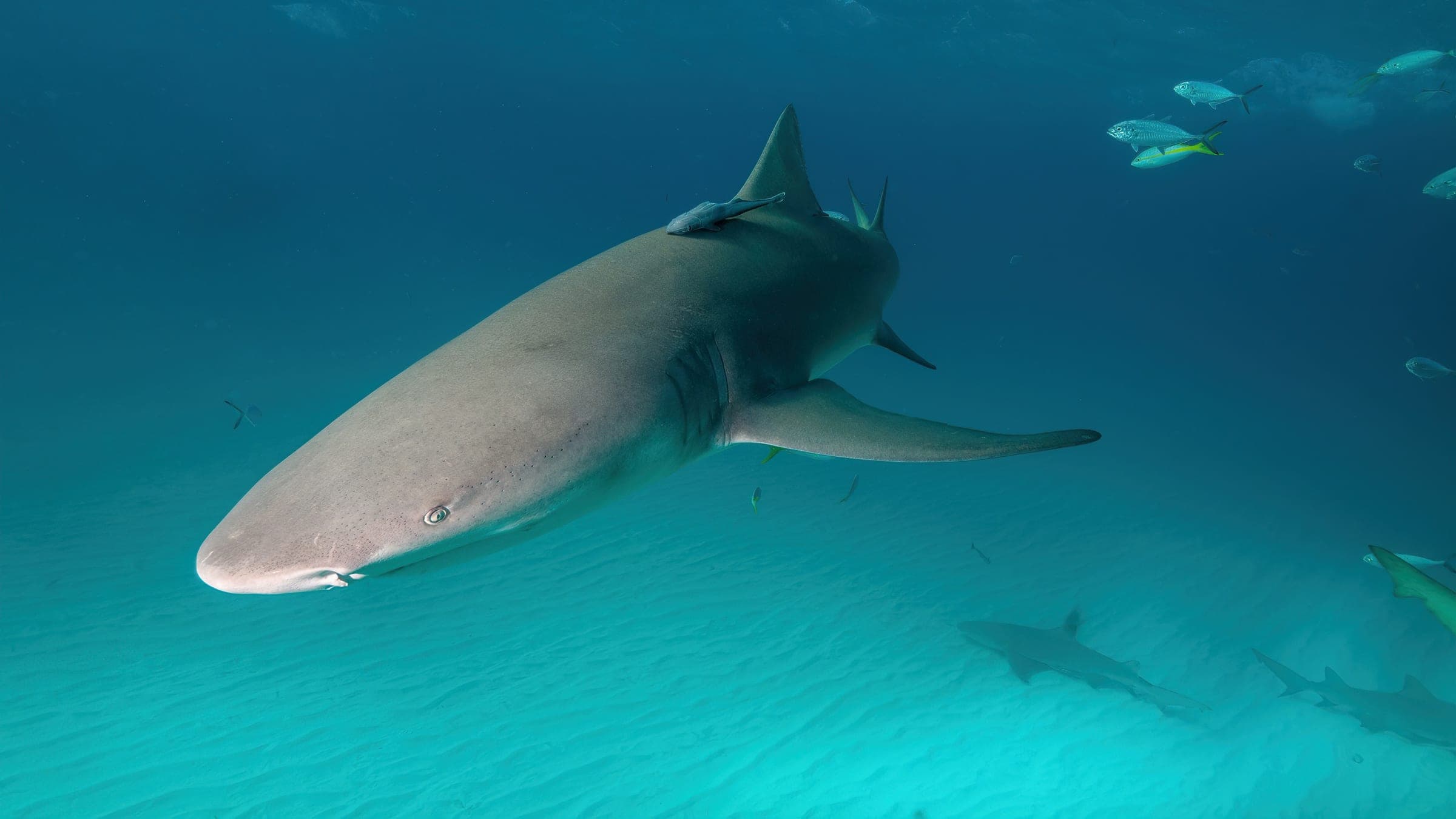
The grey reef shark (Carcharhinus amblyrhynchos) is a requiem shark of the family Carcharhinidae found across the Indo-Pacific, from South Africa to Easter Island. It is commonly encountered in shallow water near coral-reef drop-offs. Individuals usually measure less than 1.88 m (6.2 ft). Distinctive features include a broad, round snout, large eyes, a plain or white-tipped first dorsal fin, dark tips on the other fins, and a broad black rear margin on the tail fin; it lacks a ridge between the dorsal fins. Grey reef sharks are fast, agile predators that feed mainly on free-swimming bony fishes and cephalopods. Many have a home range on a specific reef area and are social rather than strongly territorial: during the day they often form groups of about five to 20 individuals near drop-offs, then disperse in the evening to hunt. Adult females may form groups in very shallow water. Reproduction is viviparous, with litters of one to six pups born every other year. This species performs a characteristic threat display (a hunched posture, dropped pectoral fins, and exaggerated side-to-side swimming) and has been responsible for a number of attacks on humans; it should be treated with caution, particularly if it begins to display. The grey reef shark is caught in many fisheries and is vulnerable to local depletion due to its low reproductive rate and limited dispersal. The International Union for Conservation of Nature (IUCN) has assessed it as endangered.
Assessed by the IUCN as endangered; susceptible to local depletion from fisheries due to low reproductive rate and limited dispersal.
Many individuals maintain a home range on a specific reef area; they are social and often form groups of about five to 20 near reef drop-offs during the day, dispersing in the evening to hunt. Adult females may form groups in very shallow water.
The strongest linked planning options currently surface around destinations such as Ari Atoll, Coral Coast, Viti Levu, Gizo and Western Province and countries such as Maldives, Egypt, French Polynesia for divers building trips around grey reef sharks.
Last Updated Mar 9, 2026 · 2 sources
The core conservation facts anchoring the cited claims on this guide.
Identification
The visual markers divers can use underwater, plus the species most likely to cause confusion.
Plain or white-tipped first dorsal fin distinguishes it from similar species.
Dark tips on the other fins and a broad black rear margin on the tail fin.
Typical reef-shark shape with a broad, round snout and large eyes; no ridge between the dorsal fins.
Most individuals are under 1.88 m (6.2 ft) long.
Range and Movement
The broad range, seasonal movement, or migratory behavior that shapes where divers encounter this species.
Many individuals maintain a home range on a specific reef area; they are social and often form groups of about five to 20 near reef drop-offs during the day, dispersing in the evening to hunt. Adult females may form groups in very shallow water.
Diet
Useful feeding context that often explains habitat, movement, and encounter style.
Primarily free-swimming bony fishes and cephalopods.
Conservation
Status, pressure, and protection context grounded in cited sources rather than filler.
Assessed by the IUCN as endangered; susceptible to local depletion from fisheries due to low reproductive rate and limited dispersal.
The species is caught in many fisheries and is susceptible to local population depletion.
Low reproductive rate (litters every other year) and limited dispersal increase vulnerability to population declines.
Responsible Encounters
Conservation-minded guidance for divers who want the encounter without adding pressure.
Give space and avoid following or cornering them; a threat display (hunched posture, dropped pectoral fins, side-to-side swimming) indicates heightened risk and you should back away calmly.
Field Notes
Useful species context that makes the encounter more meaningful once you are underwater.
The grey reef shark was the first shark species known to perform a stereotyped threat display.
They often form daytime groups of five to 20 individuals near reef drop-offs.
Females nourish embryos via a placental connection and give birth to live young.
Top Destinations
Destinations surfaced from the linked dive spots associated with this species.
Top Countries
The strongest country-level starting points currently linked to this species.
Top Dive Spots
Directly linked dive spots where this species already shows up in the planning data.
Boat-access reef-and-wall bank with big fish and whale sharks.
Blue Corner: a current-swept Nusa Penida drift for experienced divers.
Central Komodo manta site with sandy slope and shallow bommies.
Boat-access Ari Atoll corner reef with current-driven pelagics.
Boat reef with coral blocks, caves, and soft corals
Red Sea bay dive with sandy entry and coral walls
Diver Sightings
Approved diver reports where grey reef sharks were recently tagged.
FAQ
Clear planning and conservation answers written for search visibility and AI retrieval.
Research Sources
Primary and credible references behind the field-guide and conservation claims on this page.
Primary wildlife guide source.
Taxonomy reference.
Related Species
Related species guides in the same encounter family.