Best time to go
December to April
Drier weather, generally calmer seas, better for outdoor plans and boat schedules.
Main caution: Southwest monsoon influence, higher winds that can exceed 25 km/h on exposed days and more rain squalls.

A local-island base for tiger sharks, deep walls, and biosphere reserve nature
Updated Feb 13, 2026 • 19 sources
Overview
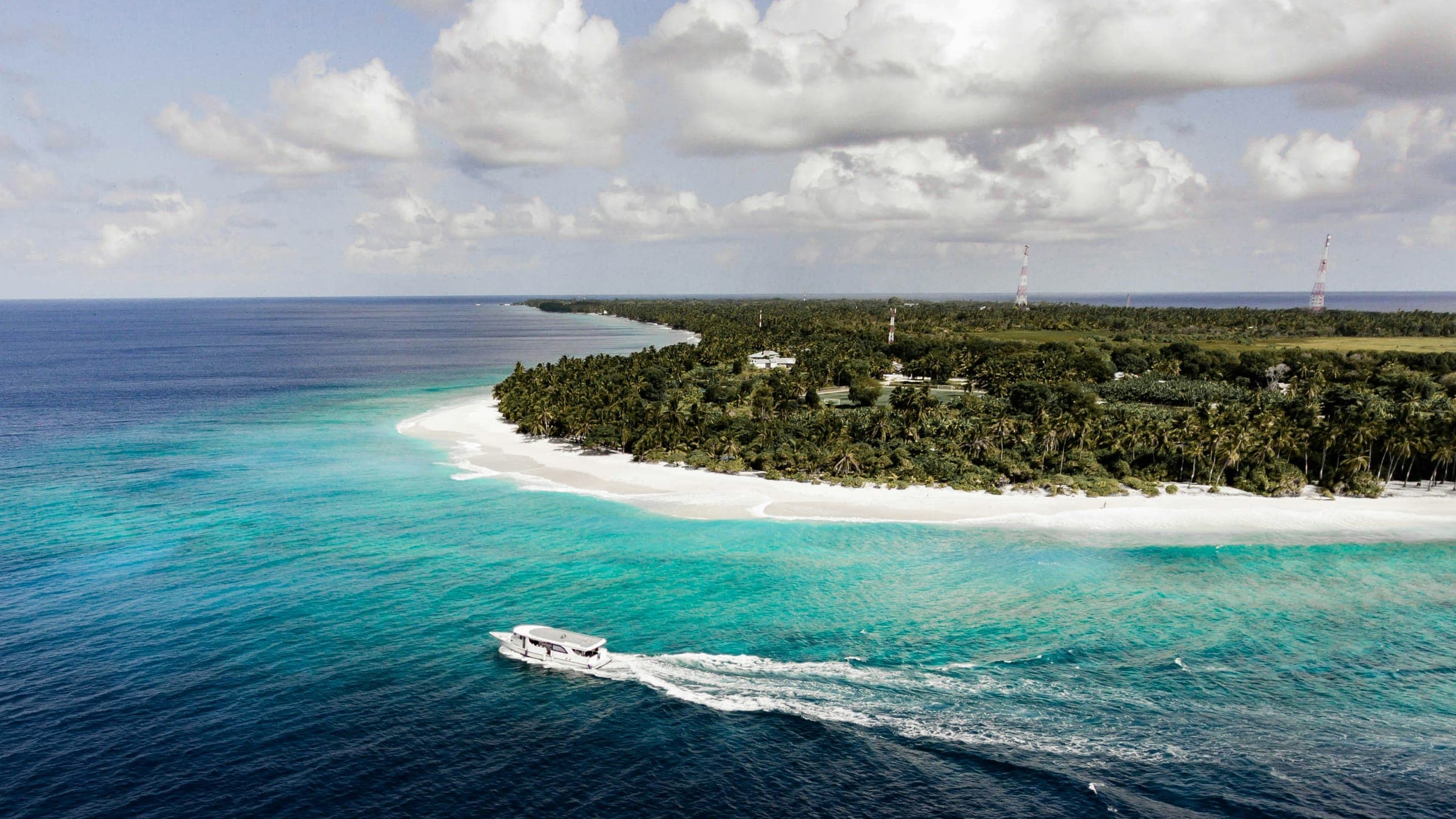
Fuvahmulah is the Maldives' southern, single-island atoll, famous for close-range tiger shark diving and open-ocean pelagic encounters. Unlike classic lagoon resorts, you stay on a lived-in local island with diver-focused guesthouses, quick boat rides, and a surprisingly wild topside: Thundi sandbank beach, plus protected freshwater wetlands at Dhadimagi Kilhi and Bandaara Kilhi. Underwater, steep walls drop fast into blue water, with signature dives like Merikafalhu (Tiger Point), Tiger Wall, and Farikede inside the UNESCO biosphere reserve. Expect current, depth, and big-animal etiquette to matter more than in sheltered atolls. Plan on domestic flights from Male (MLE) to Fuvahmulah (FVM), and build in a buffer day for weather or flight shifts. If you want a dedicated shark week with a real local-island feel, Fuvahmulah delivers.
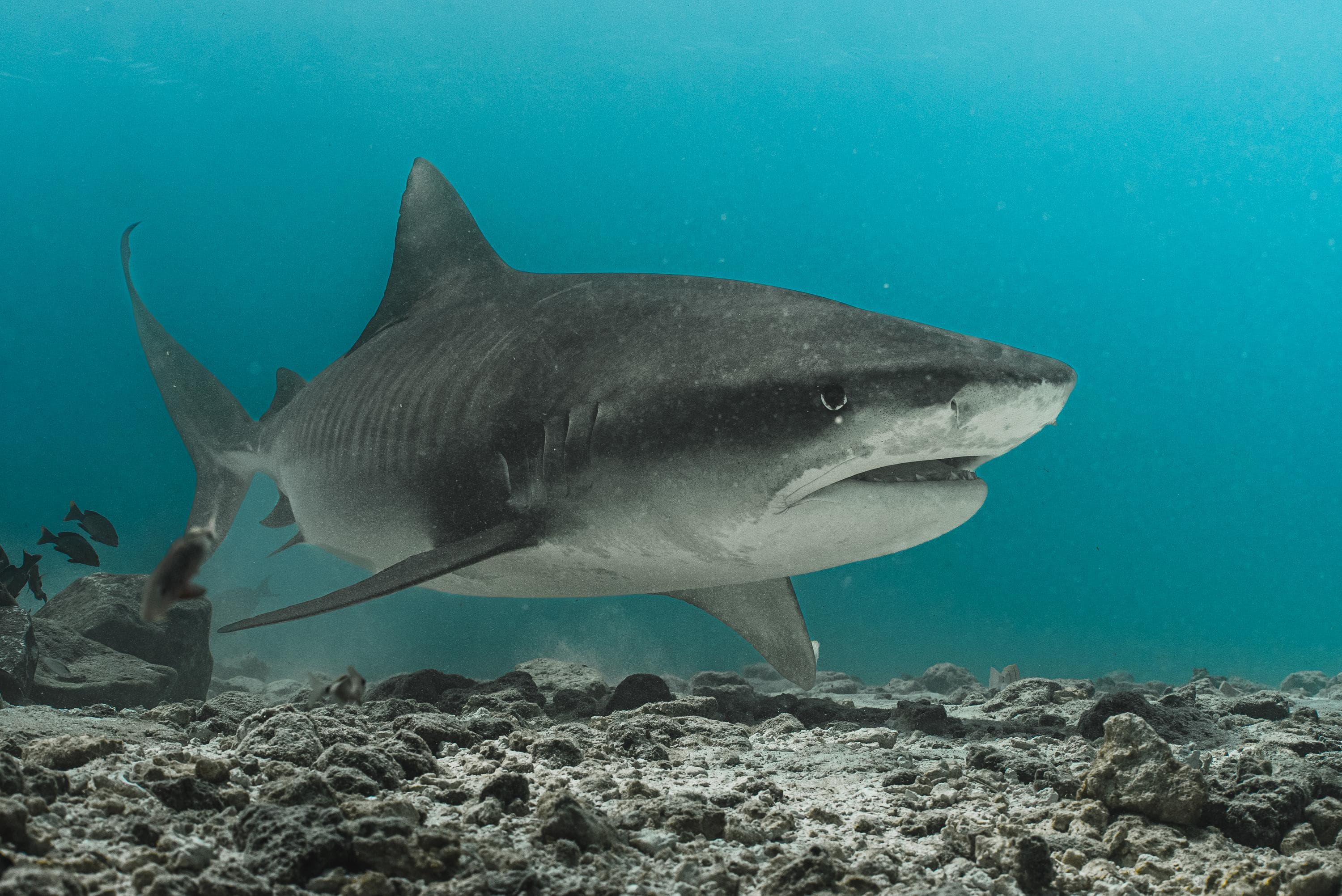
One of the Maldives' most consistent places for close-range tiger shark encounters, especially on structured harbor-area dives.
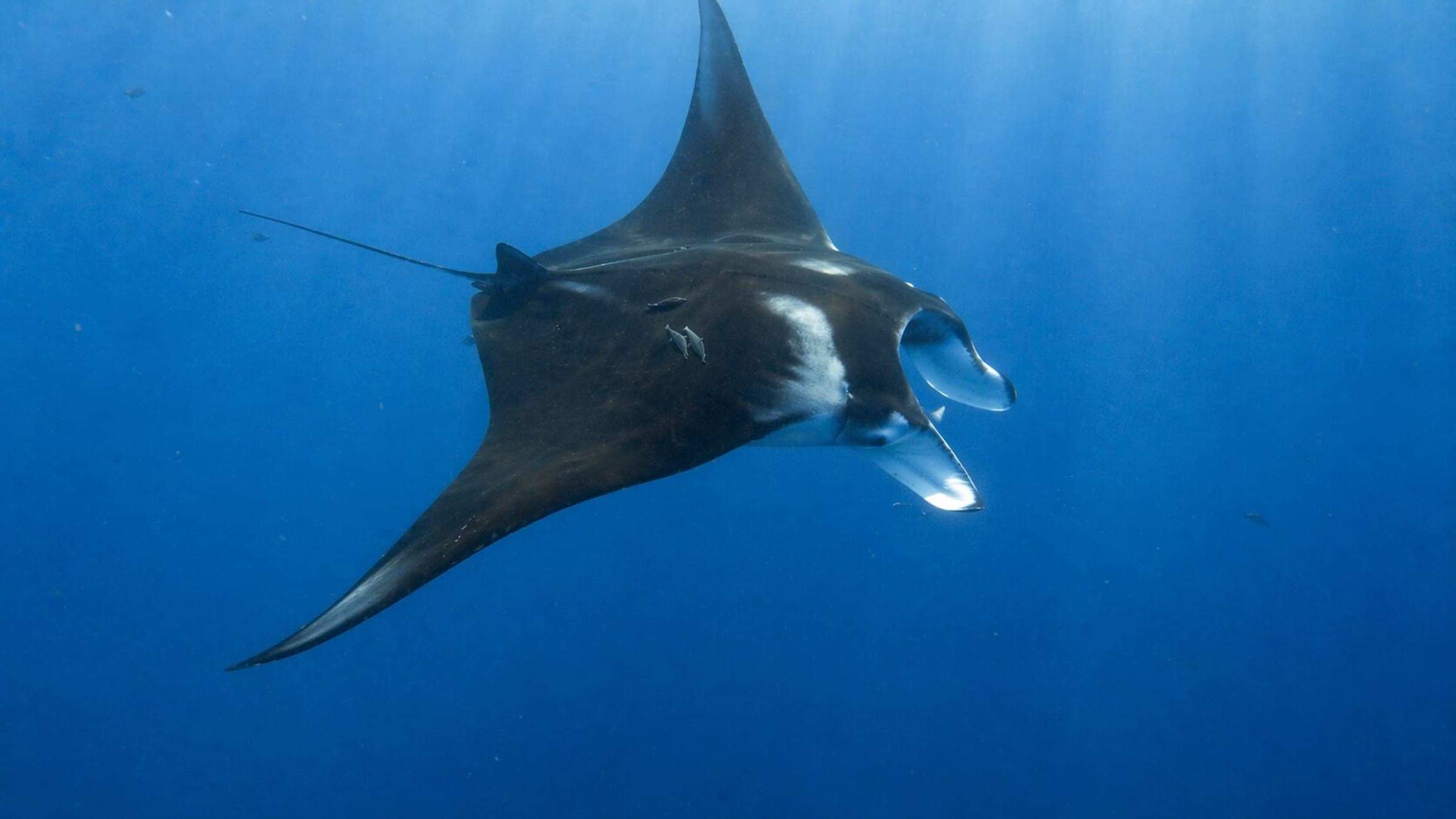
Many signature sites are steep walls with pelagic water close by, so "big animal" dives are possible on short boat rides.
Fuvahmulah is a UNESCO Biosphere Reserve (2020), with protected wetlands on land and a marine protected area at Farikede.
Guesthouses, dive shops, and cafes create a practical base for multi-day dive trips without resort pricing.
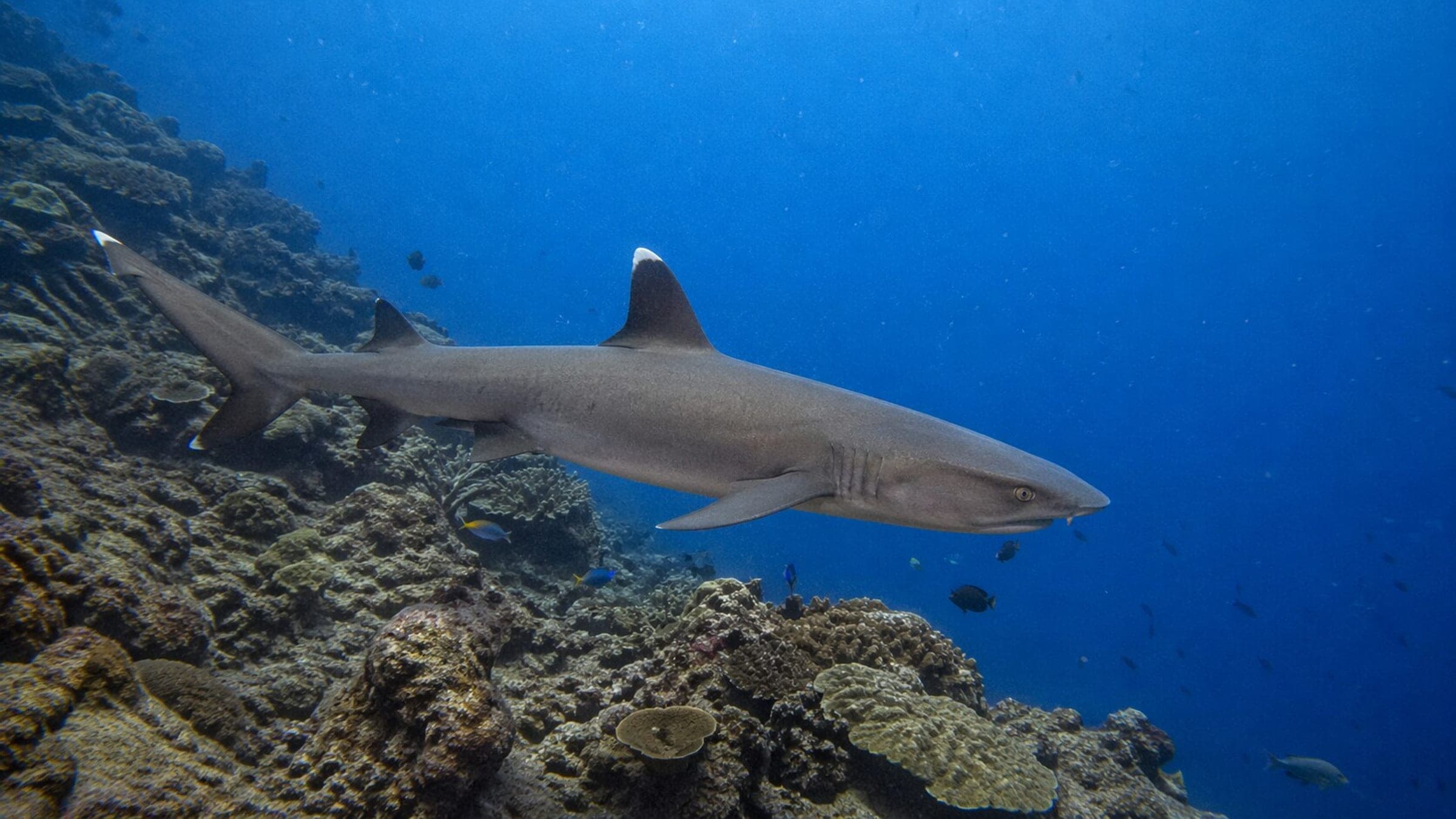
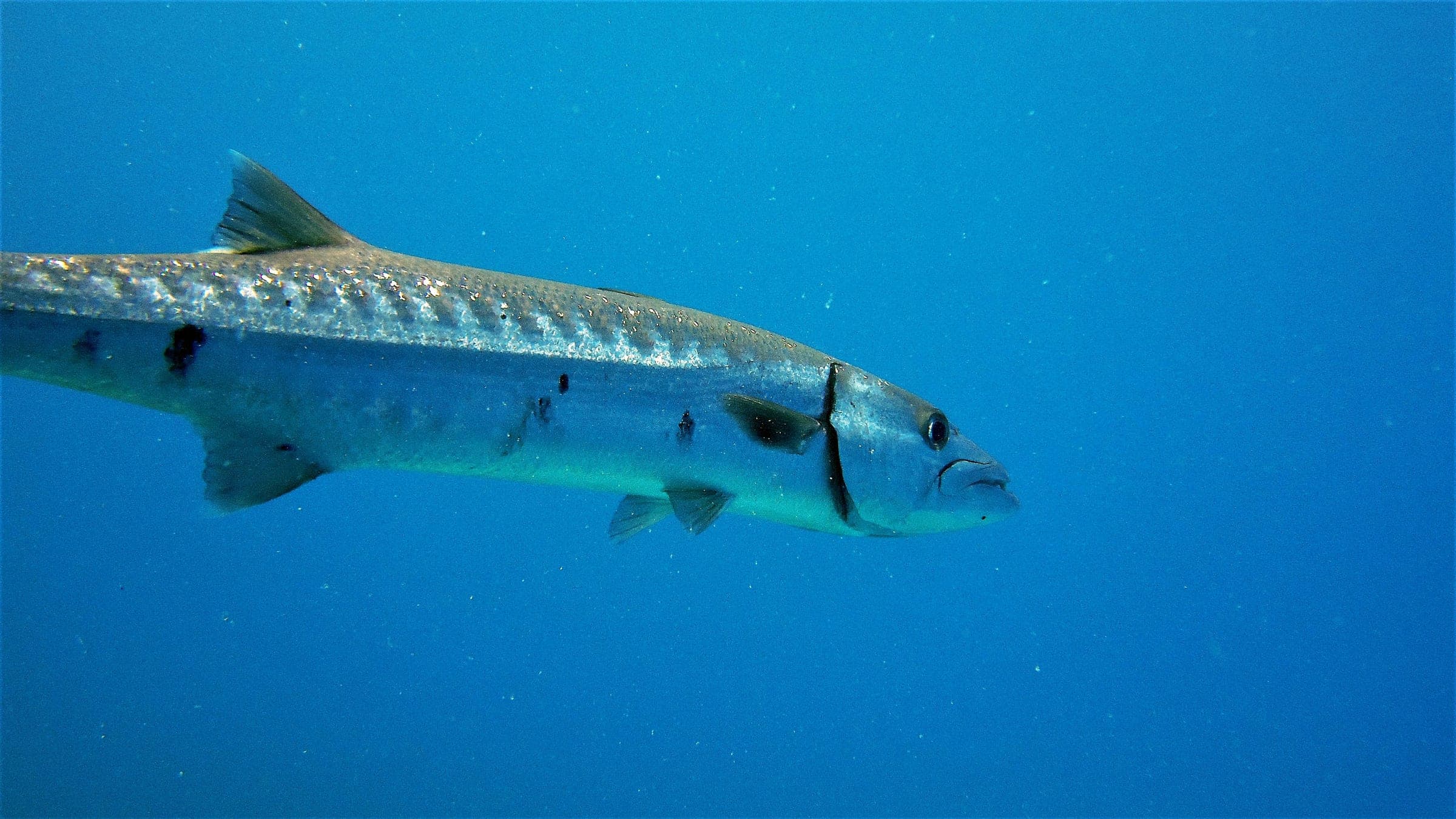
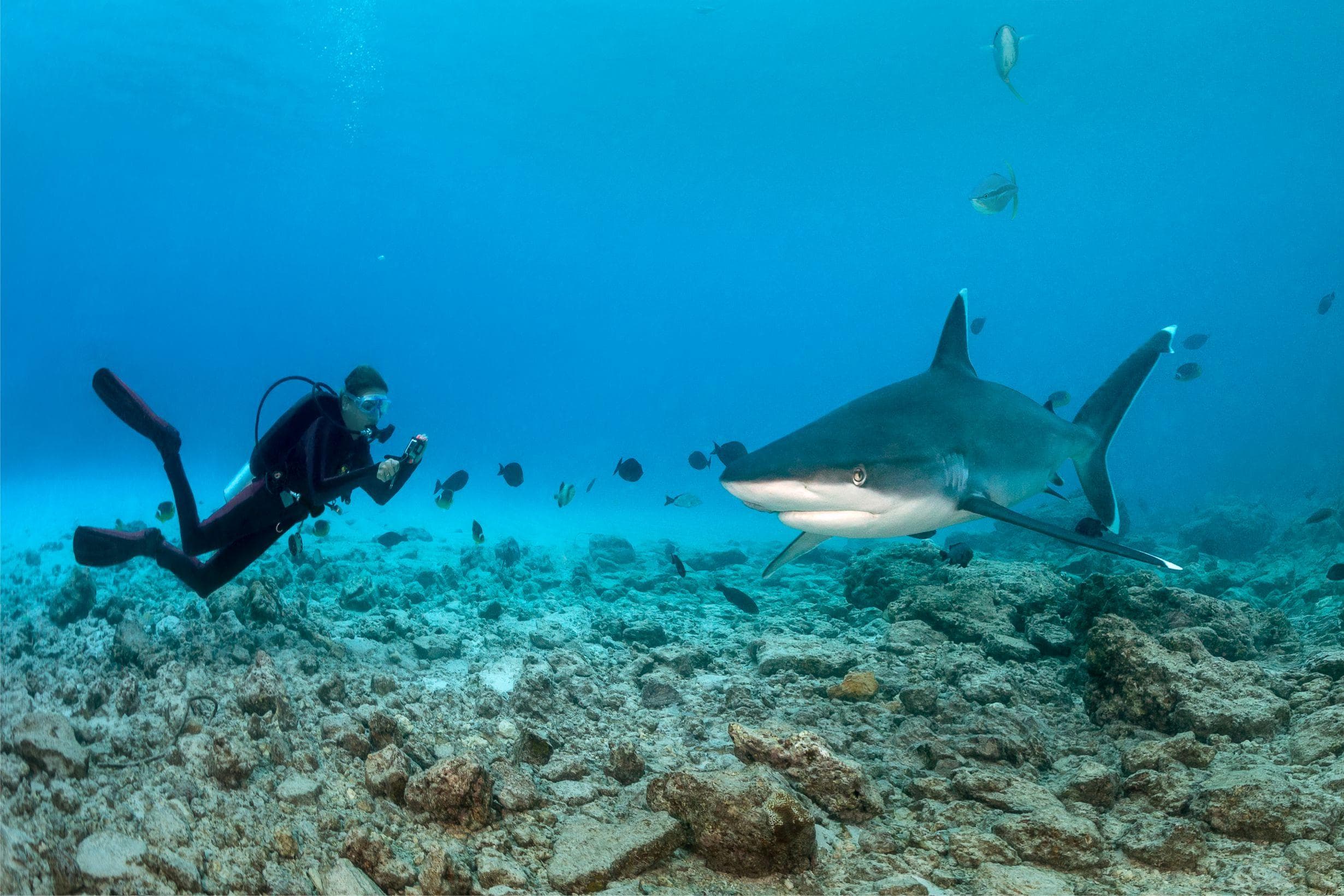
Top species linked to approved dive spots in Fuvahmulah.
Quick shortlist before you jump into the full planning page.


Best time to go
December to April
Drier weather, generally calmer seas, better for outdoor plans and boat schedules.
Main caution: Southwest monsoon influence, higher winds that can exceed 25 km/h on exposed days and more rain squalls.
DiveJourney destination guides are living documents built from local knowledge, operator experience, and publicly available sources. Conditions, regulations, and logistics can change. Each guide shows its last update date and sources used.
Last updated: February 13, 2026 • 19 sources
If you see something inaccurate or outdated, you can submit an update. This is how the platform improves.