Size and shape
Small shark, typically not exceeding about 1.6 m, with a slender body and short, broad head.
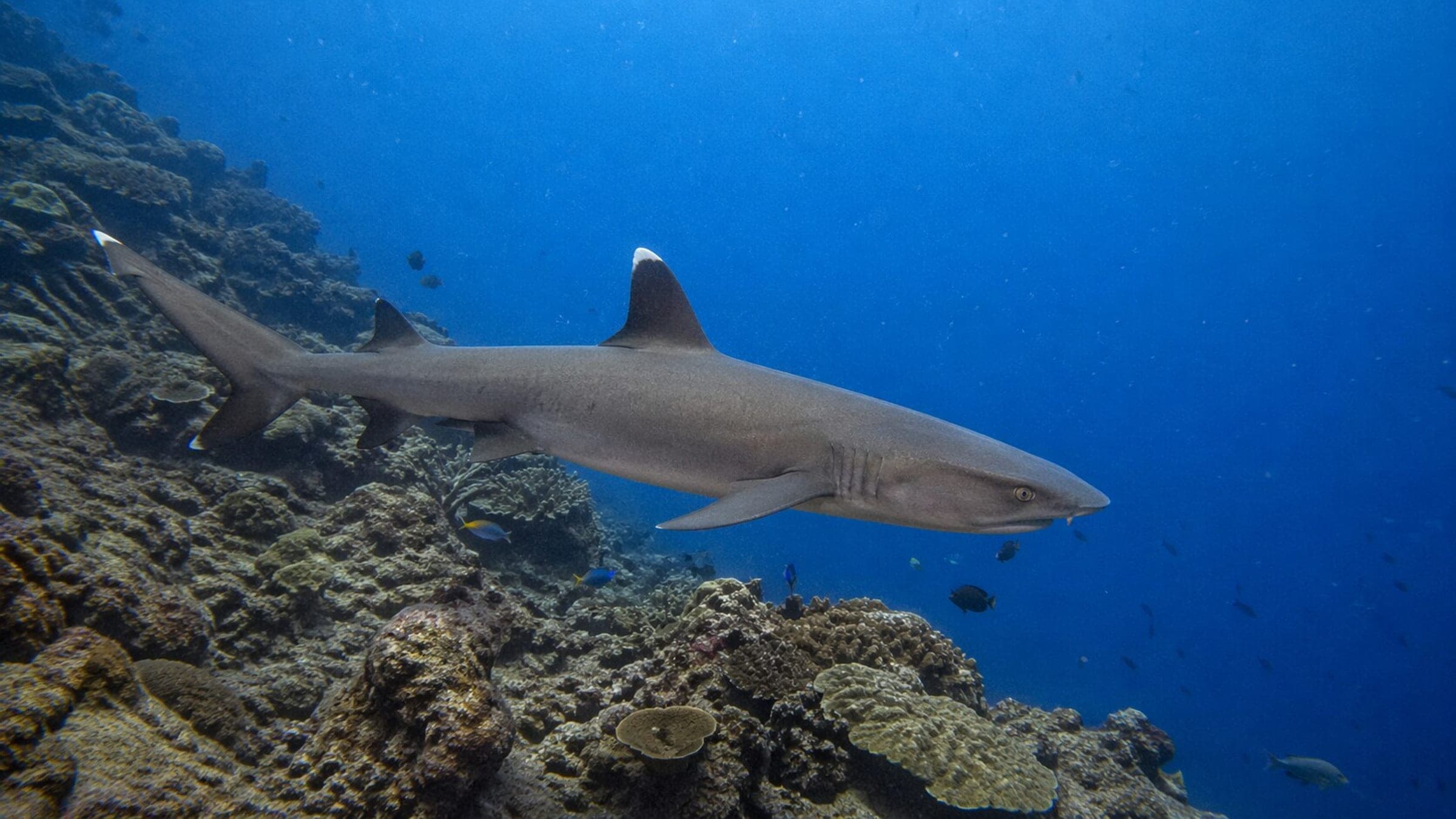
Triaenodon obesus
A small, nocturnal Indo-Pacific reef shark identifiable by white-tipped fins and a slender body, commonly found resting in caves by day and hunting at night.
Species Guide
A clean field guide focused on habitat, identification, behavior, and conservation context without burying the useful parts.
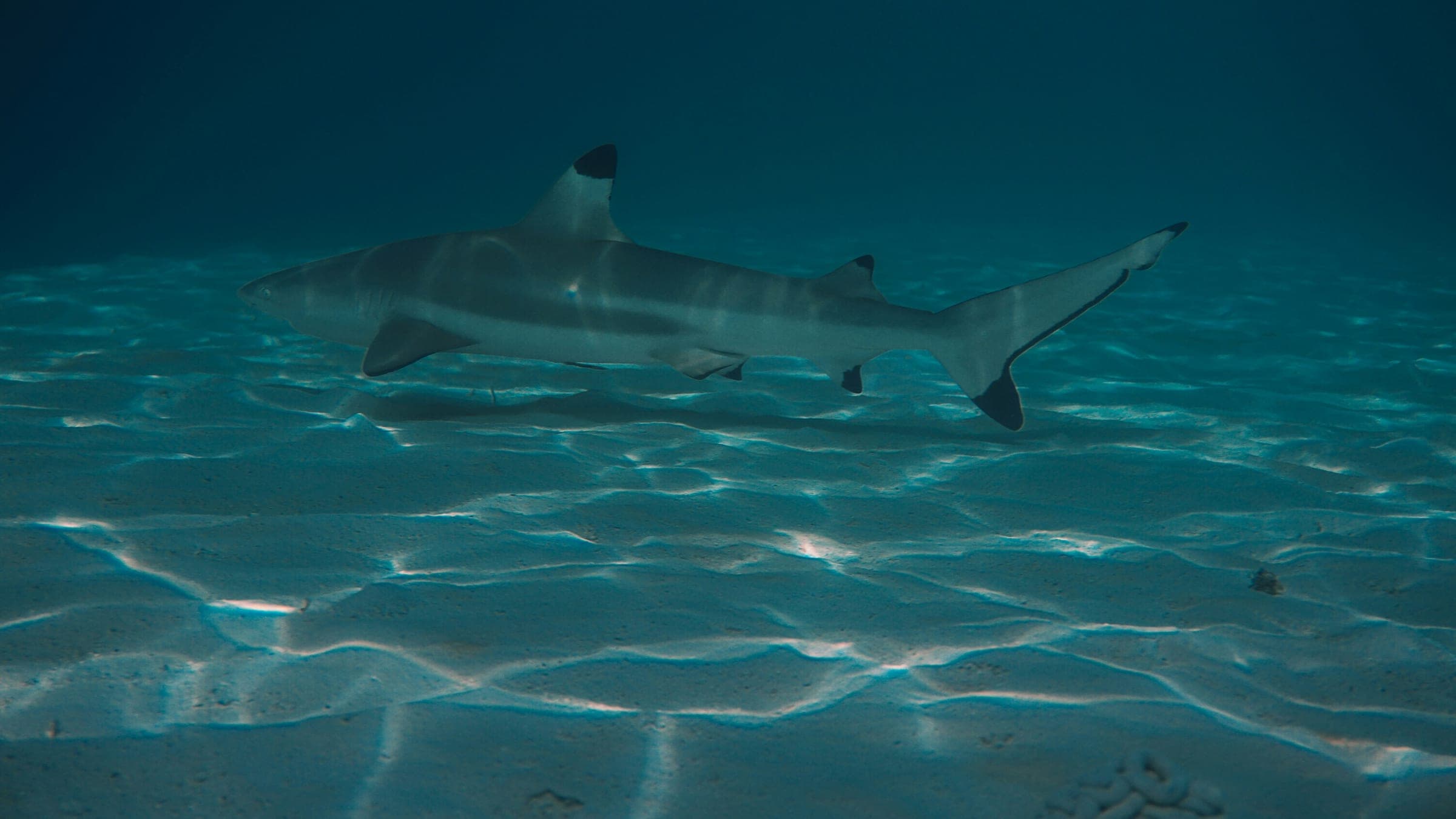
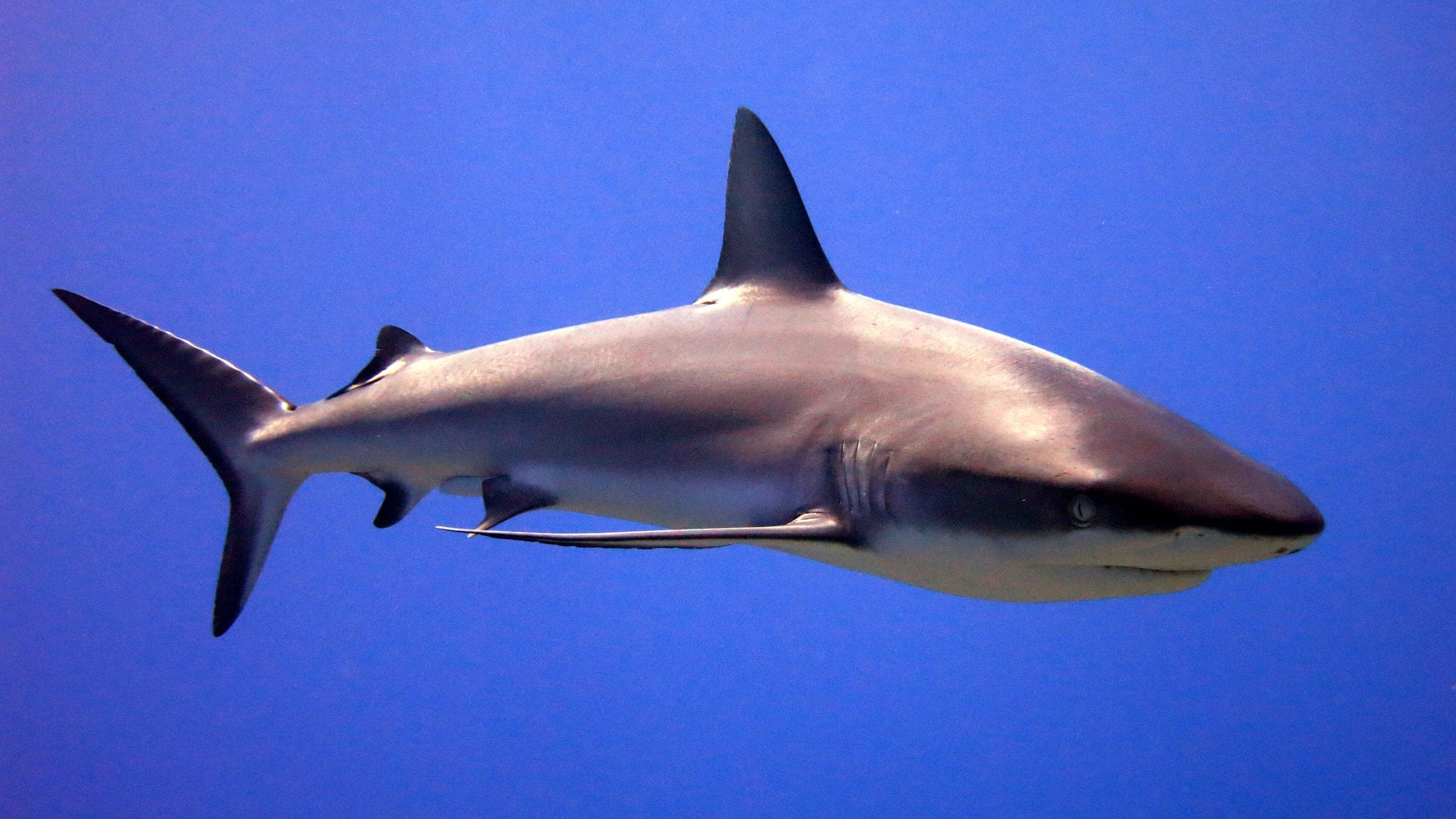
The whitetip reef shark (Triaenodon obesus) is a small requiem shark up to about 1.6 m in length and the only living species in its genus. It has a slender body, a short broad head, tubular skin flaps beside the nostrils, oval eyes with vertical pupils, and distinctive white tips on the dorsal and caudal fins. This species ranges across Indo-Pacific coral reefs from South Africa eastward to Central America and is typically found near the bottom in clear water at depths of roughly 8–40 m. During the day individuals commonly rest inside caves and shelters; unlike many requiem sharks, the whitetip reef shark can pump water over its gills and remain motionless on the seabed. At night it emerges to hunt in groups for bony fishes, crustaceans, and octopus, often entering crevices to extract hidden prey. Individuals may remain within and repeatedly return to the same area of reef for months or years. The species is viviparous, with embryos sustained by a placental connection to the mother. Whitetip reef sharks are rarely aggressive toward humans but may closely investigate swimmers; they have bitten spear fishers attempting to take catches. They are caught for food, and consumption has been associated with reports of ciguatera poisoning.
The IUCN assesses the species as Vulnerable due to dwindling numbers driven by increasing unregulated fishing and the species' susceptibility to overfishing because of slow reproduction and limited habitat preferences.
Often rests inside caves or shelters during the day and becomes active at night to hunt; individuals may remain in and repeatedly return to the same reef area for months or years.
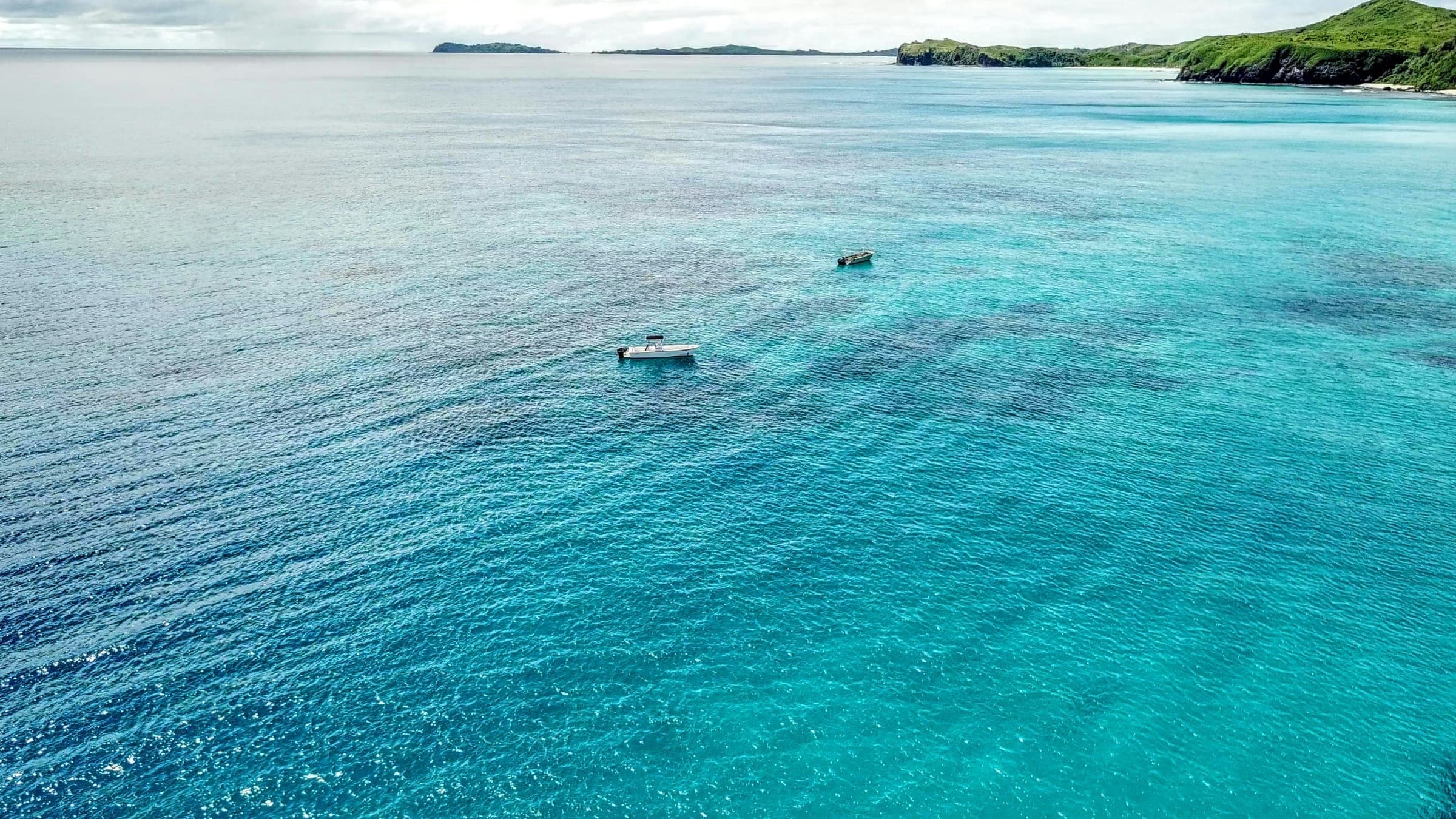
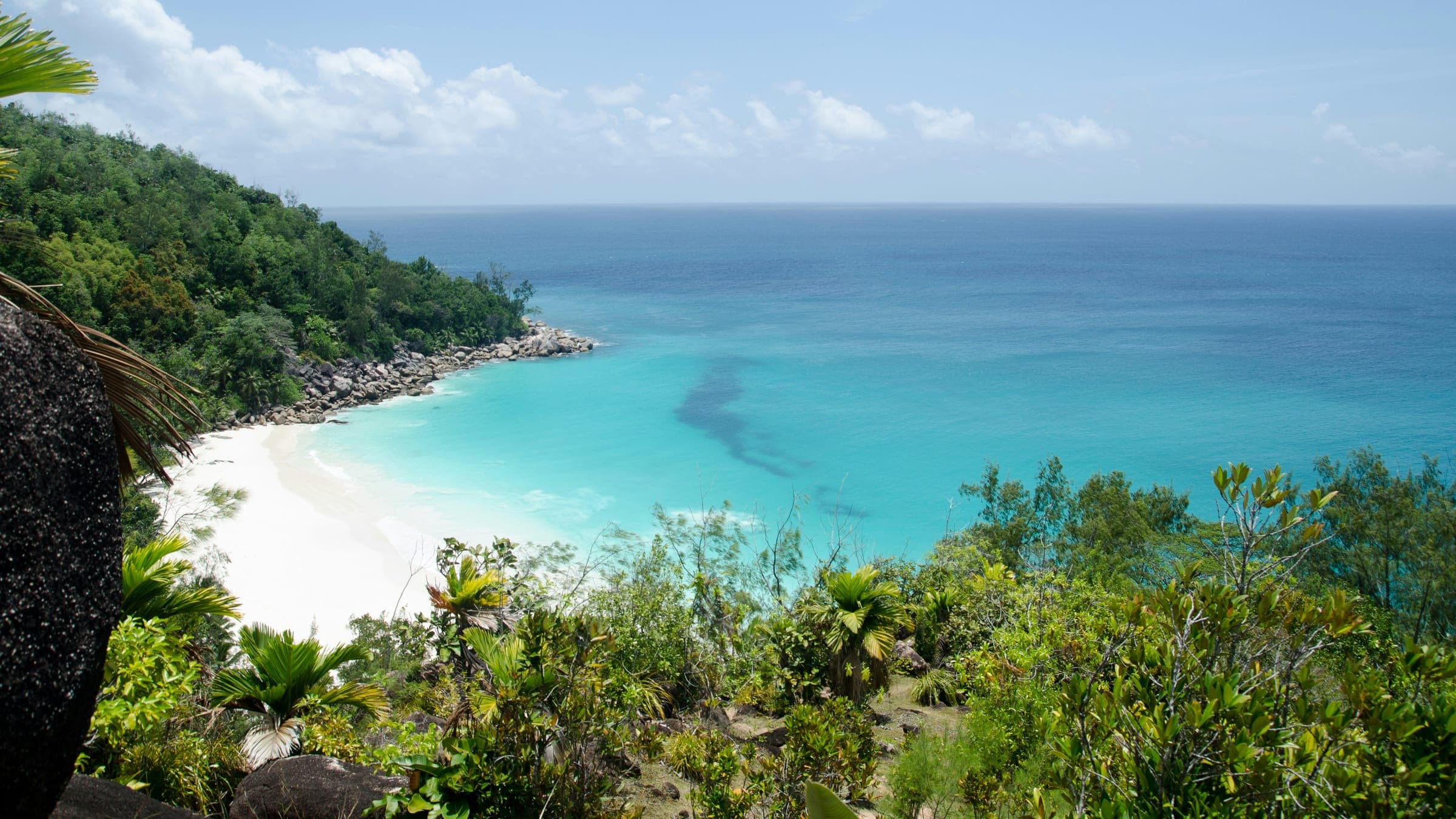
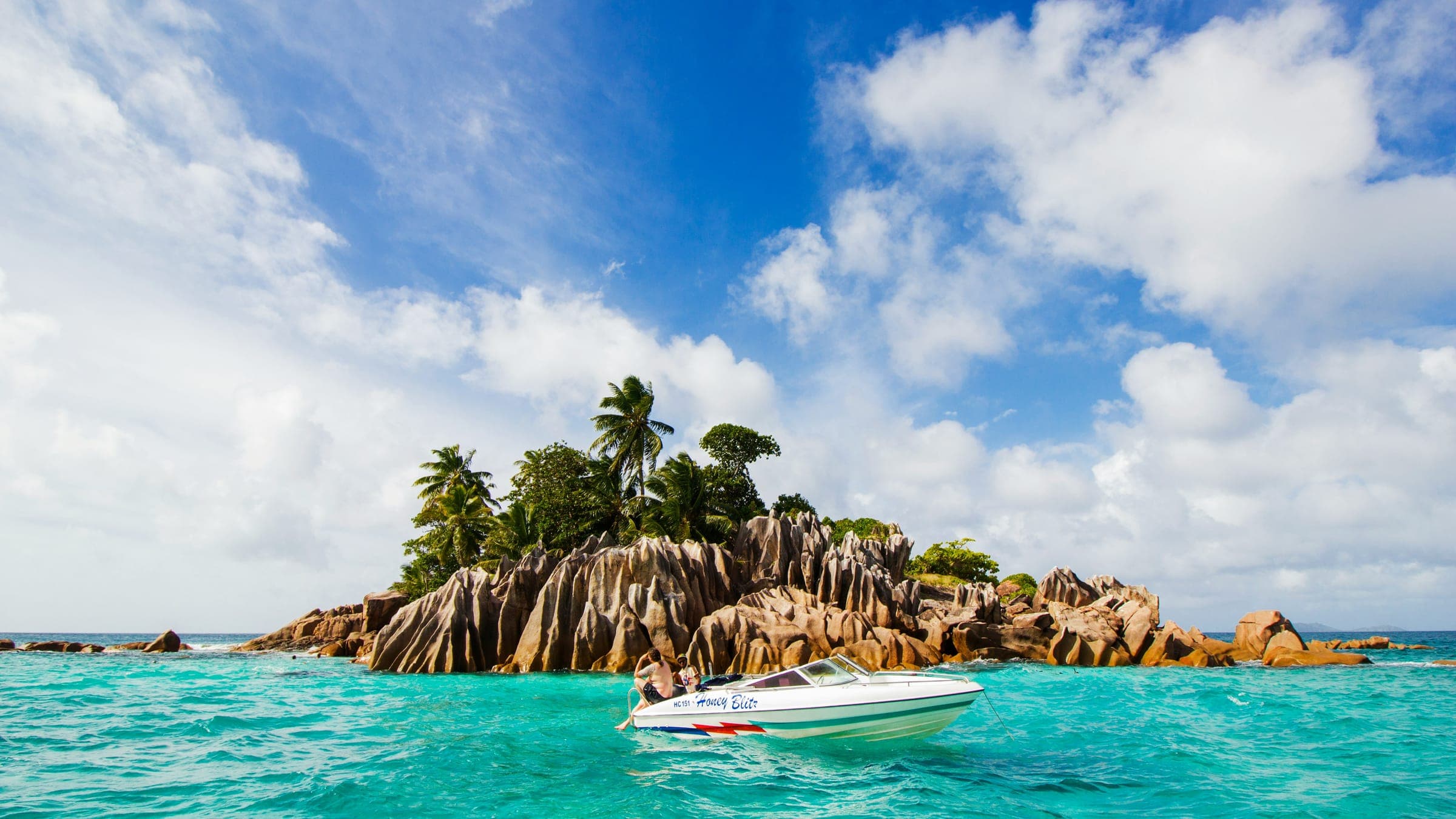
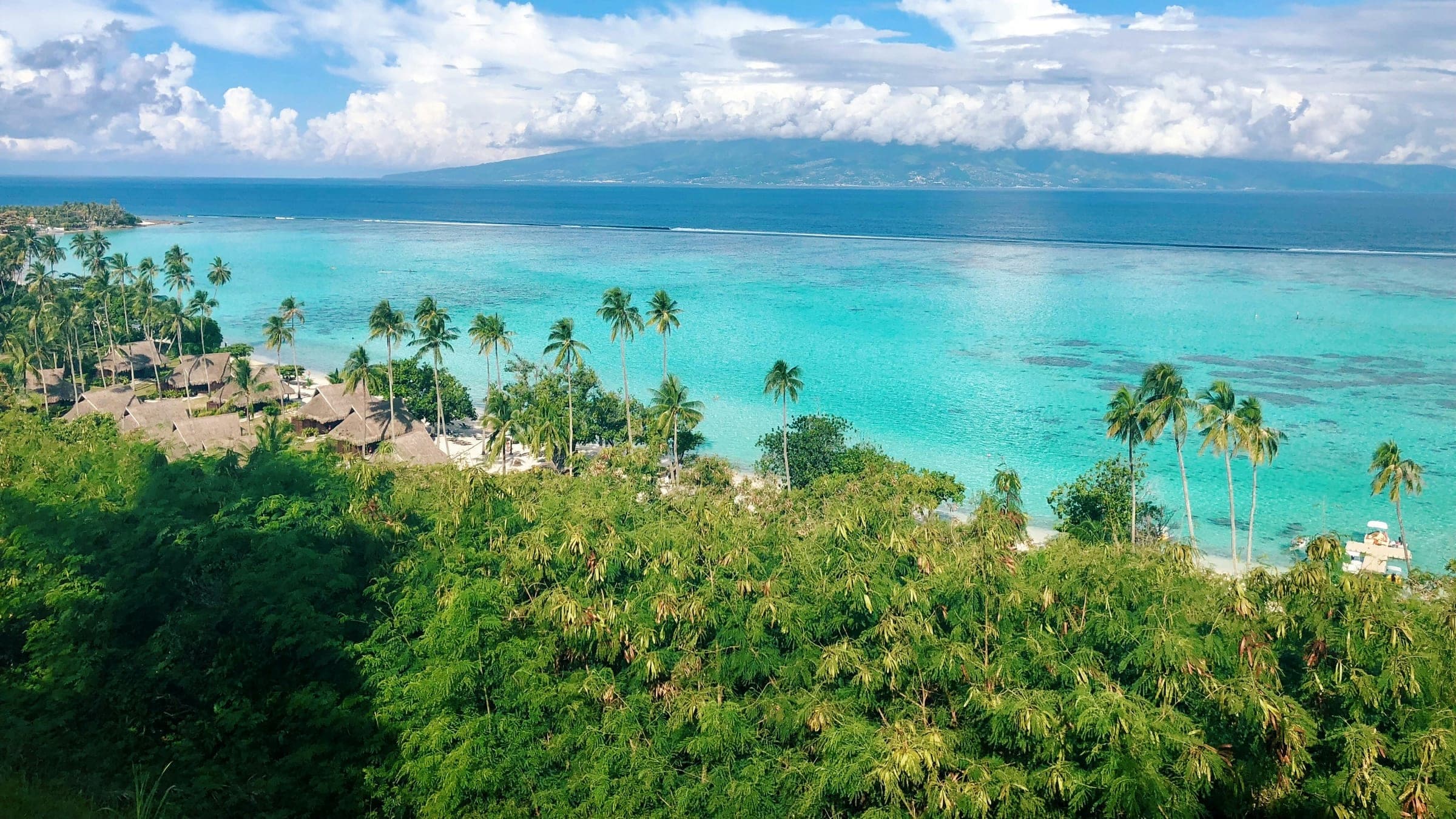
The strongest linked planning options currently surface around destinations such as Coral Coast, Viti Levu, Mahé, Mamanuca Islands and Denarau and countries such as Maldives, Seychelles, Egypt for divers building trips around whitetip reef sharks.
Last Updated Mar 9, 2026 · 3 sources
Identification
The visual markers divers can use underwater, plus the species most likely to cause confusion.
Small shark, typically not exceeding about 1.6 m, with a slender body and short, broad head.
Tubular skin flaps beside the nostrils.
Oval eyes with vertical pupils.
White-tipped dorsal and caudal fins.
Range and Movement
The broad range, seasonal movement, or migratory behavior that shapes where divers encounter this species.
Often rests inside caves or shelters during the day and becomes active at night to hunt; individuals may remain in and repeatedly return to the same reef area for months or years.
Diet
Useful feeding context that often explains habitat, movement, and encounter style.
Feeds on bony fishes, crustaceans, and octopus; uses its elongate body to enter crevices and holes to extract hidden prey.
Conservation
Status, pressure, and protection context grounded in cited sources rather than filler.
The IUCN assesses the species as Vulnerable due to dwindling numbers driven by increasing unregulated fishing and the species' susceptibility to overfishing because of slow reproduction and limited habitat preferences.
Increasing levels of unregulated fishing across its range have contributed to population declines.
Slow reproductive rate and limited habitat preferences render populations vulnerable to overfishing.
Listed as Vulnerable due to declining numbers from increased unregulated fishing and susceptibility to overfishing.
Responsible Encounters
Conservation-minded guidance for divers who want the encounter without adding pressure.
Avoid approaching or provoking resting sharks in caves; give sharks space if they investigate and exercise caution around spearfishers and their catches to reduce bite risk.
Field Notes
Useful species context that makes the encounter more meaningful once you are underwater.
Can pump water over its gills and lie motionless on the bottom, unlike many requiem sharks that must swim to breathe.
Embryos develop with a placental connection to the mother.
Top Destinations
Destinations surfaced from the linked dive spots associated with this species.
Top Countries
The strongest country-level starting points currently linked to this species.
Top Dive Spots
Directly linked dive spots where this species already shows up in the planning data.
Tiger Reef Tioman is a current-swept pinnacle for advanced boat dives.
Boat-access Red Sea pinnacle with sharks, turtles, and varied reef structure.
Sheltered Red Sea bay with seagrass, reefs, and dugongs.
Seaward 2 Mile reef with coral domes, caves, and shark sightings.
Coral-head cluster with swim-throughs and a strong night dive.
Maze-like pinnacle line with multiple swim-throughs.
FAQ
Clear planning and conservation answers written for search visibility and AI retrieval.
Research Sources
Primary and credible references behind the field-guide and conservation claims on this page.
Primary wildlife guide source.
Supporting wildlife source.
Taxonomy reference.
Related Species
Related species guides in the same encounter family.