Getting there and around
- Seychelles International Airport · 11 km by road to Victoria
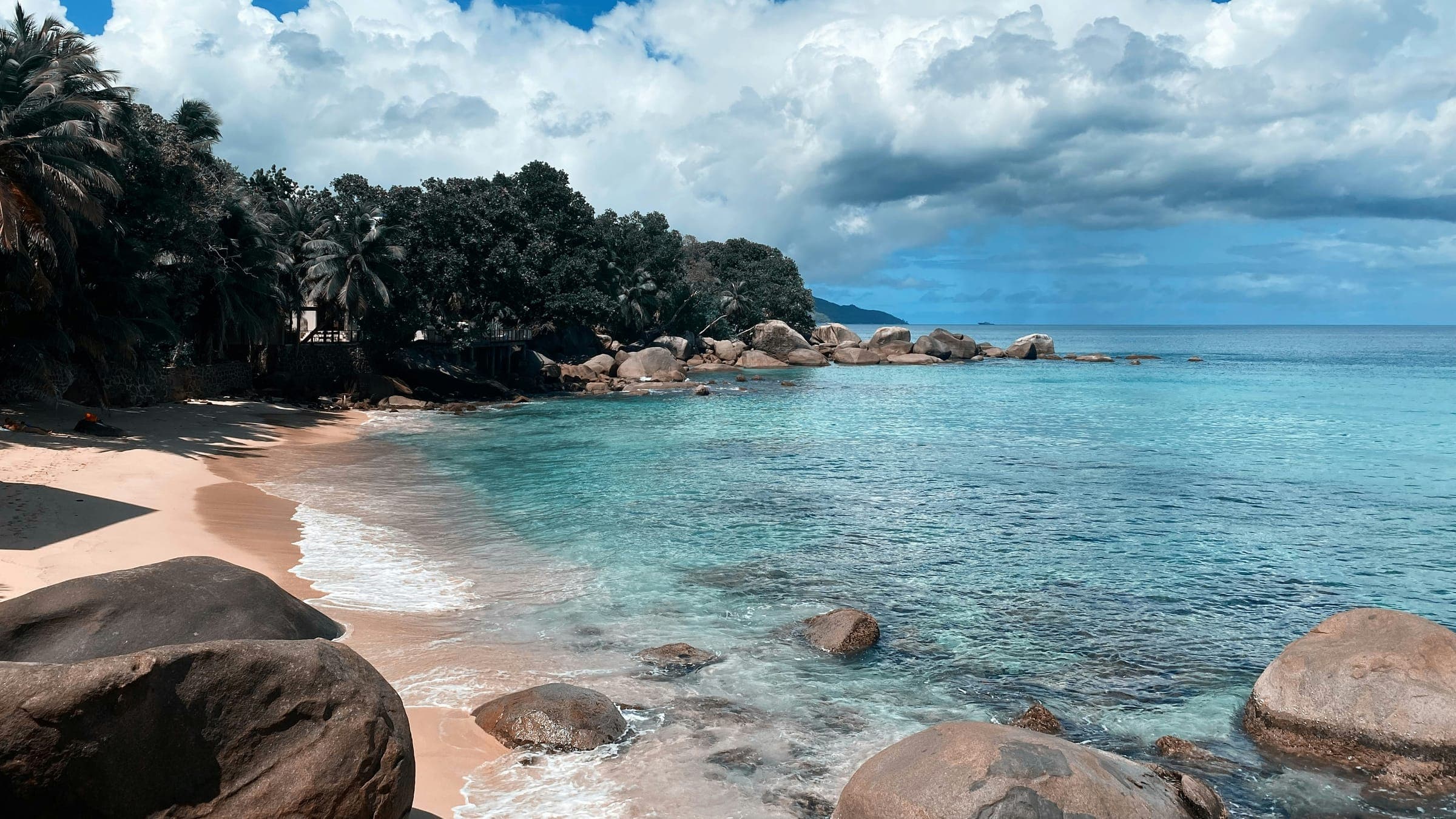
Granite reefs, marine parks, and cloudforest hikes from one easy Indian Ocean base
Overview
Mahe is the most practical island in Seychelles for travelers who want a full mix of scuba, freediving, snorkeling, beaches, hikes, and city comforts without constant transfers. Boat diving from Beau Vallon can be as easy as short local reef runs or as ambitious as offshore current dives at Shark Bank and other exposed granite sites. Snorkelers get protected water in places such as Baie Ternay, Port Launay, and Ste. Anne Marine National Park, while non-divers can swap fins for forest trails, botanical gardens, markets, and sunset viewpoints. The calmest sea windows usually come in March to May and October to November, but Mahe stays rewarding year-round if you choose the coast that matches the wind. It is one of the rare Indian Ocean destinations where mixed-skill groups can all have a good week.
Many local Mahe dives leave from the Beau Vallon side and reach nearby reefs or wrecks quickly, while offshore pinnacles add bigger-water ambition when weather allows.
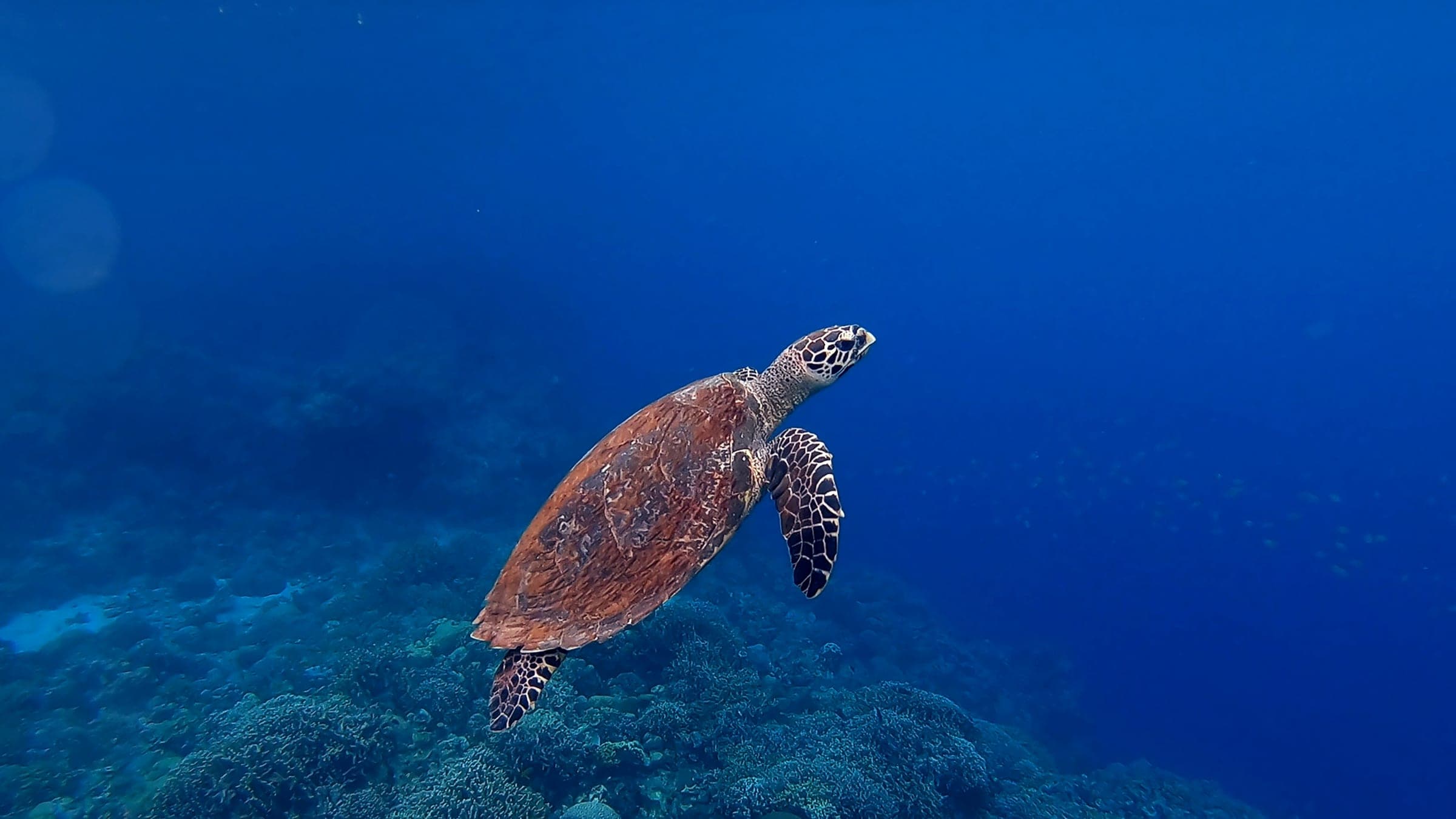
Baie Ternay, Port Launay, and Ste. Anne give snorkelers and new divers protected habitat, shallow reef structure, and regular turtle encounters.
Easy reefs, training-friendly freedive water, advanced drifts, and non-diver days all fit into one base without complicated island-hopping.
Quick shortlist before you jump into the full planning page.
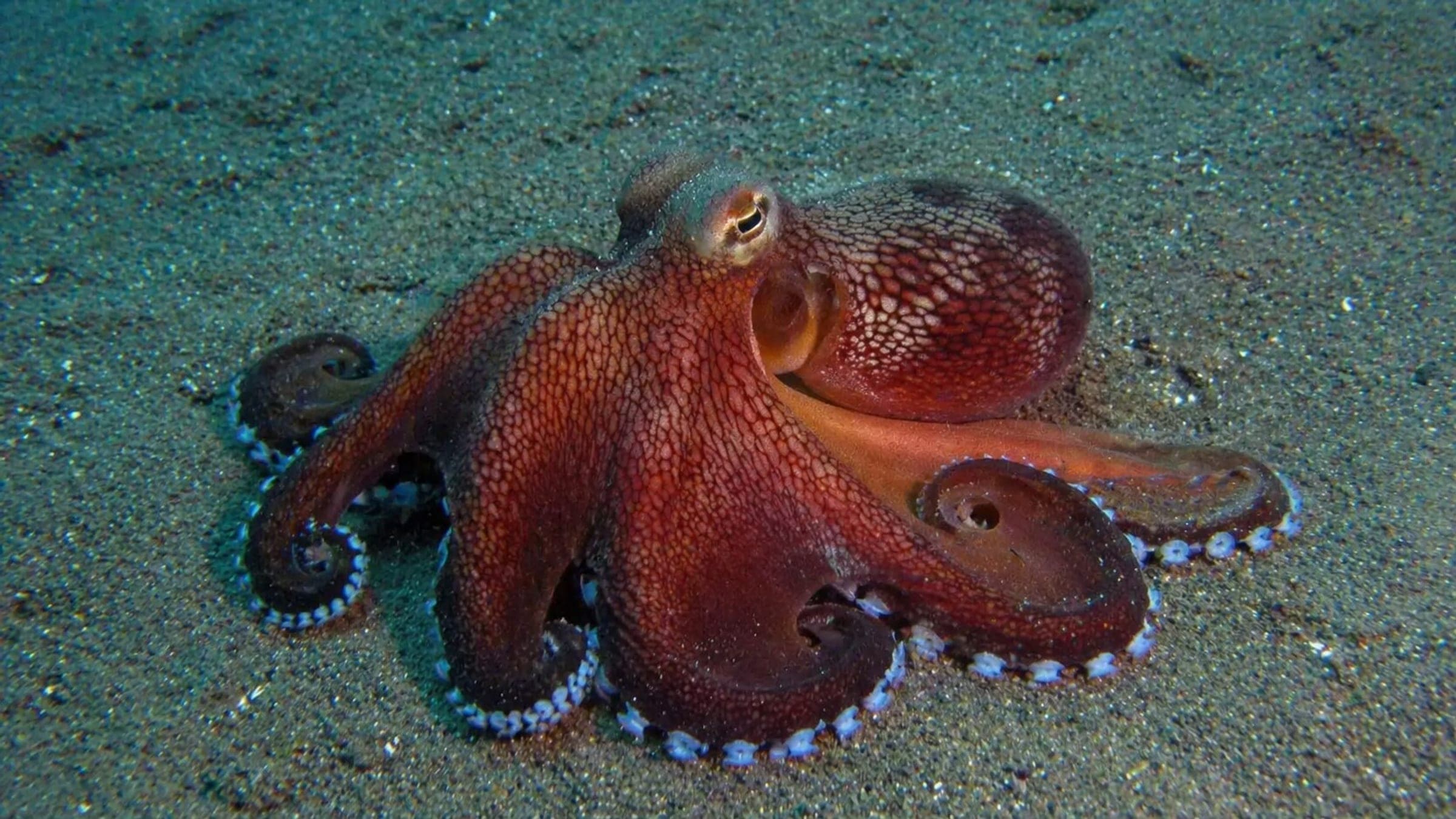
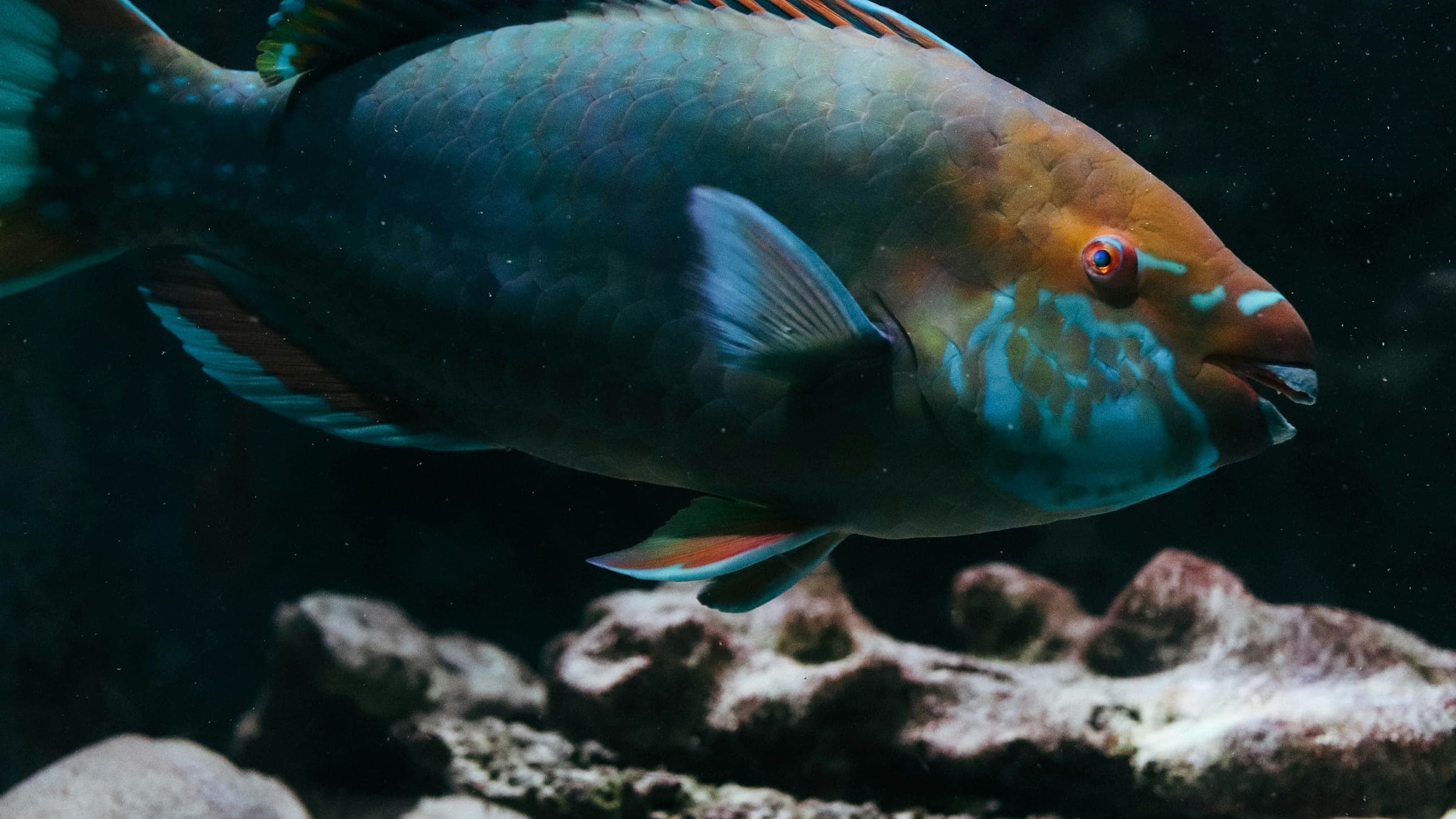
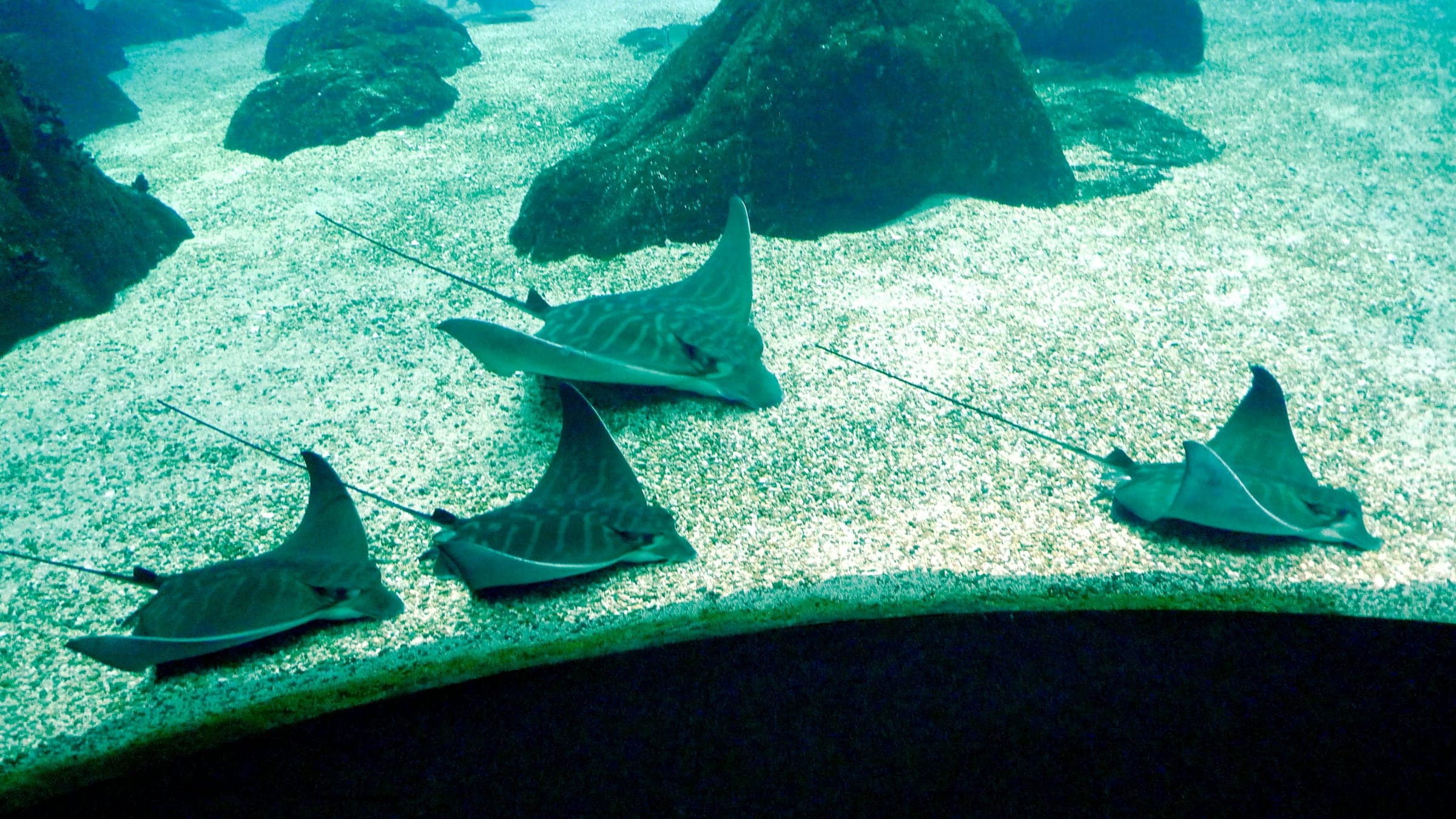
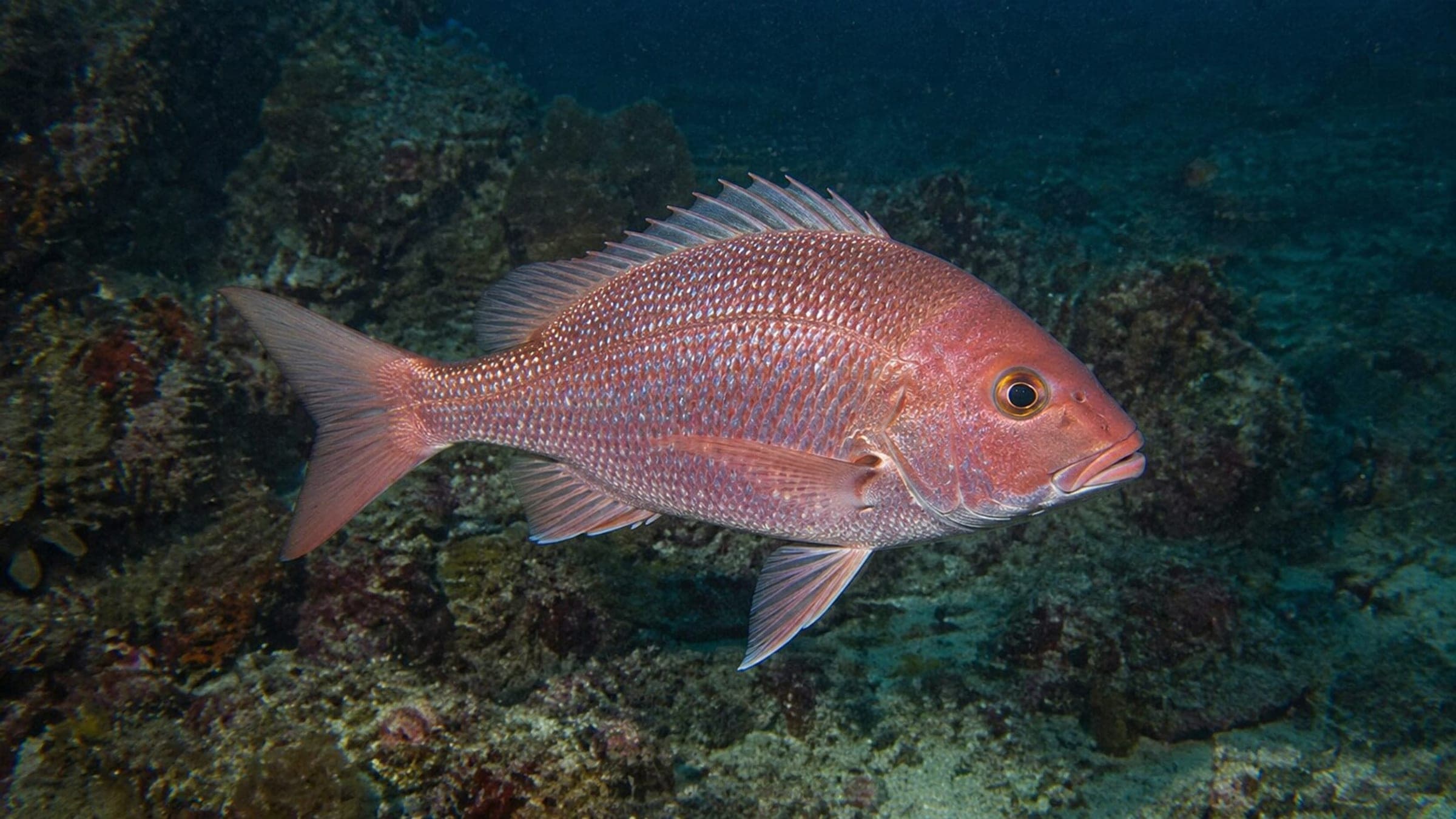
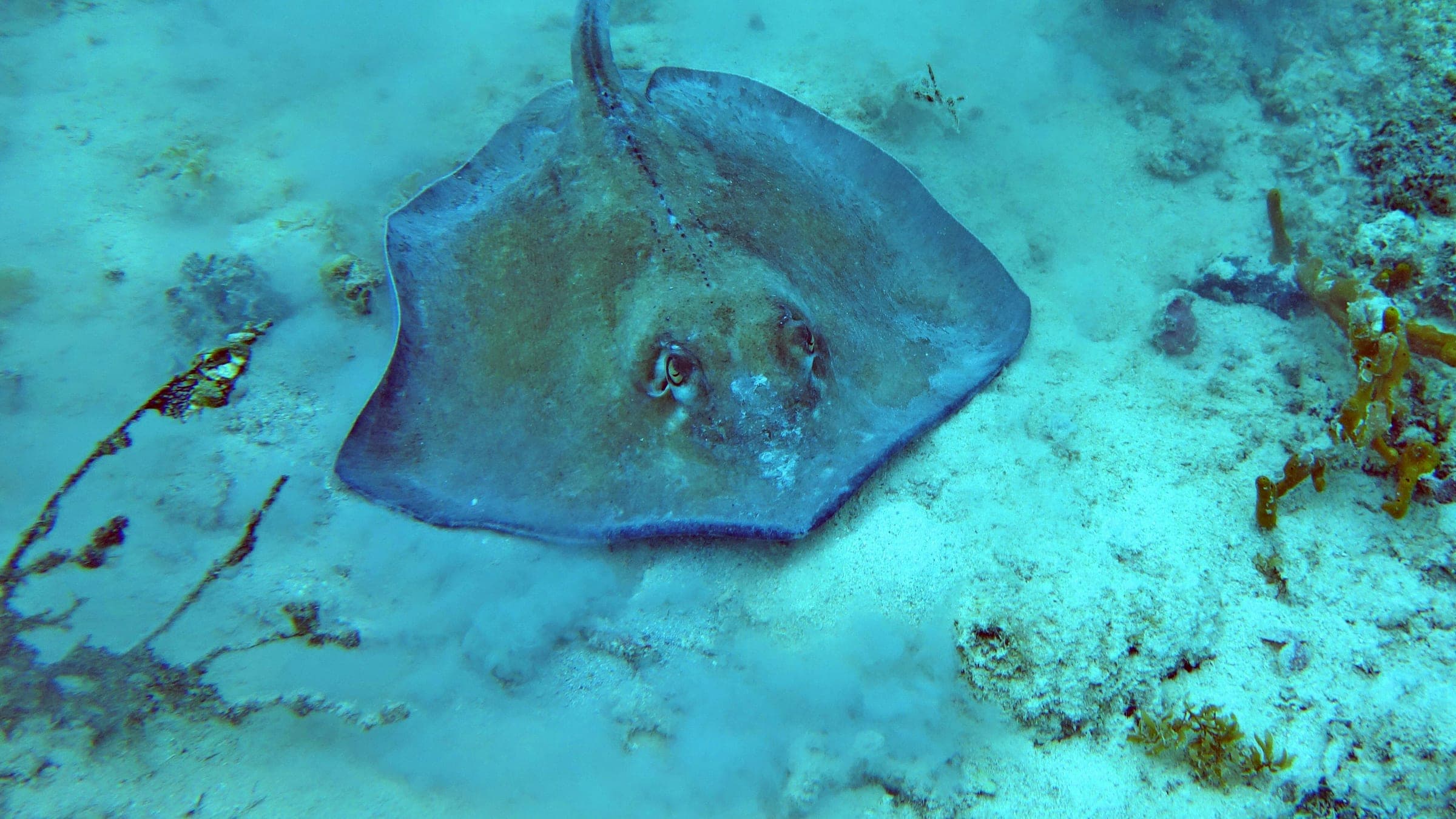
Top species linked to approved dive spots in Mahé.
Share what the whole destination was like. Once enough independent reviews are approved, DiveJourney publishes anonymous patterns, not reviewer profiles.
Cloudforest hikes, Victoria markets, the National Botanical Garden, Mission Lodge viewpoints, and long beach afternoons all sit within easy day-trip range.
Best time to go
March to May and October to November
Lighter winds, calmer seas, and warm water around 28°C to 29°C.
Main caution: Southeast trades often reach 25 km/h to 35 km/h and can make openwater plans rougher.
Eretmochelys imbricata
19 linked spots